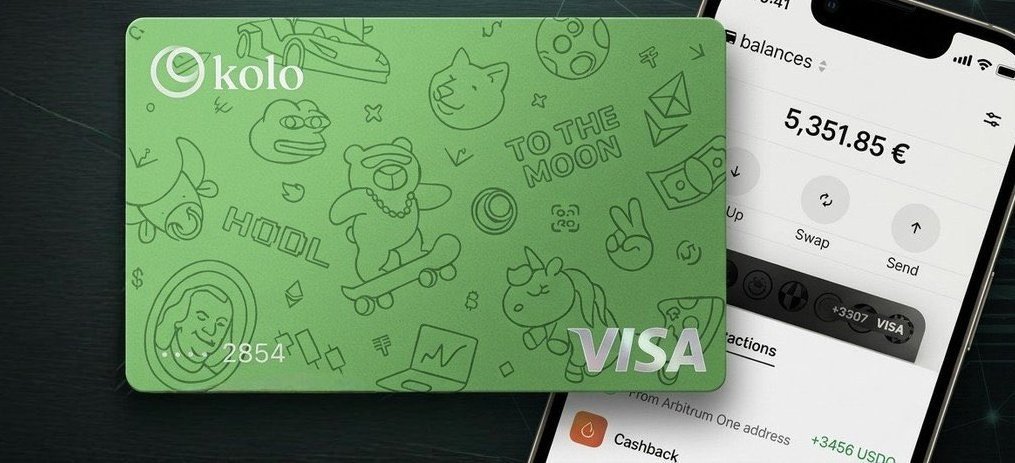
The latest app update for @KoloHub added push alerts for top-ups, transfers, and card payments, plus Bitcoin cashback on every transaction.
That is the kind of detail that makes crypto spending feel safer and easier to track in real life.
When users can see money move instantly, trust improves.
The product starts feeling less like a crypto experiment and more like a spending app people can actually keep open daily.
Telegram could become a useful lane for crypto payments.
The Trustpilot profile for @KoloHub describes wallet management inside Telegram, spending through Visa and Mastercard rails, and withdrawals to IBAN.
That setup matters because many users already live inside chat apps and do not want extra friction just to move money.
If a crypto card connects messaging, wallet control, and real-world payments smoothly, it becomes easier to use than a normal exchange cash-out flow
Referrals work best when the product is easy to explain.
A recent post from @KoloHub opened registration for the Kolo Friends referral program, giving users a way to bring new members into the card ecosystem.
That makes sense for a payment app. People trust spending tools more when they hear about them from users, not ads.
Crypto cards need more than features.
They need proof from real people loading funds, paying at stores, and showing that the experience works outside crypto Twitter.