To help mitigate plastic pollution, we need to know where it is and where it comes from.
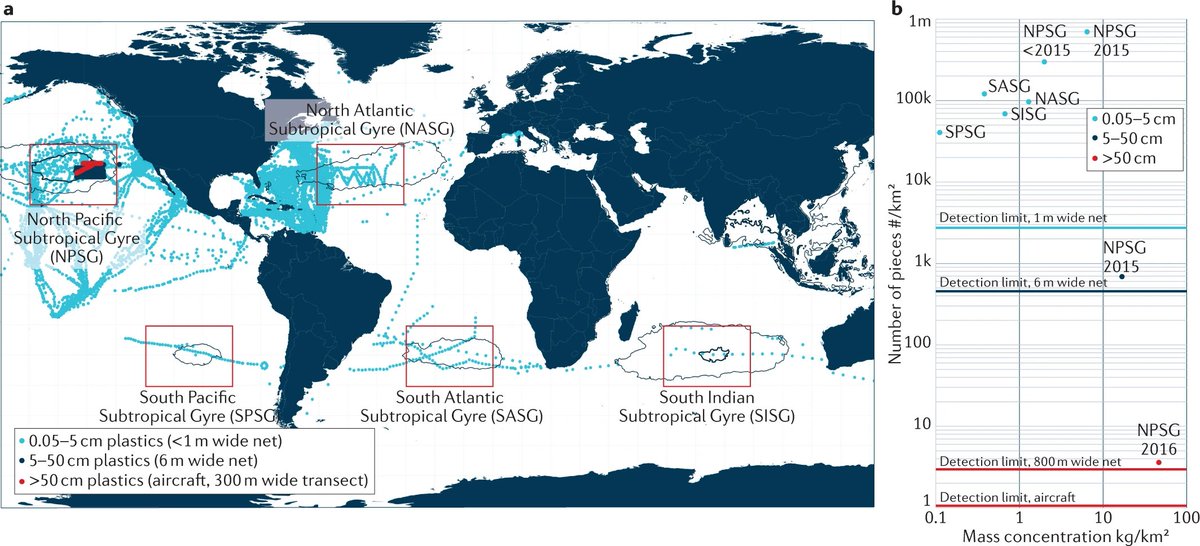
Laurent Lebreton @modellinghouse overviews the oceanic garbage patches in this Comment https://t.co/CXPHEStUOp
free: https://t.co/sC7uN571wv
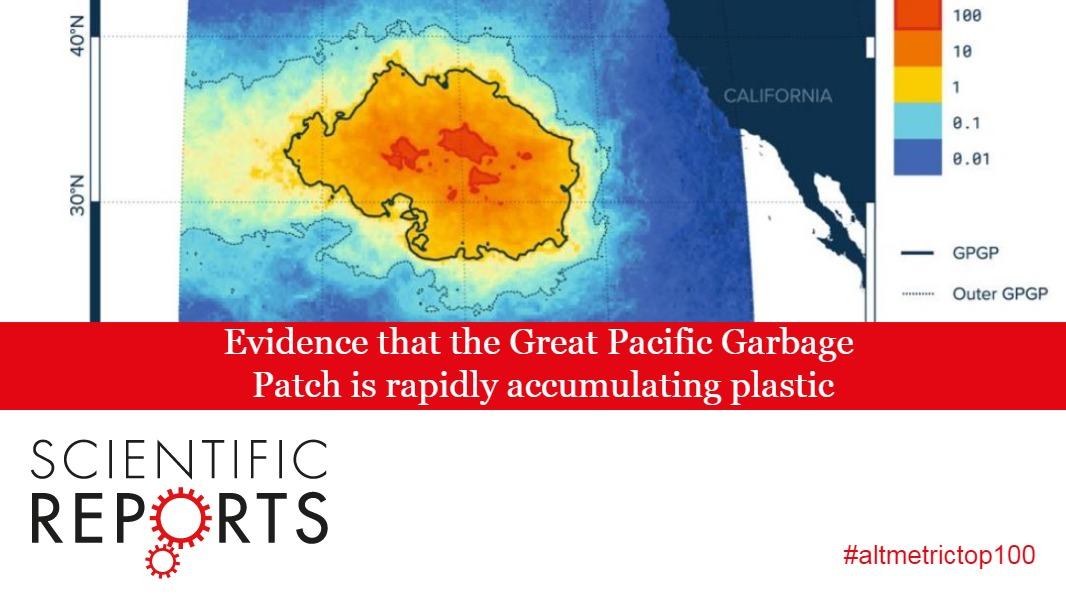
BREAKING: Our study, published today in @SciReports, reveals that 75% — 86% (by weight) of plastic debris in the Great Pacific Garbage Patch (GPGP) comes from fishing activities at sea. (1/6)
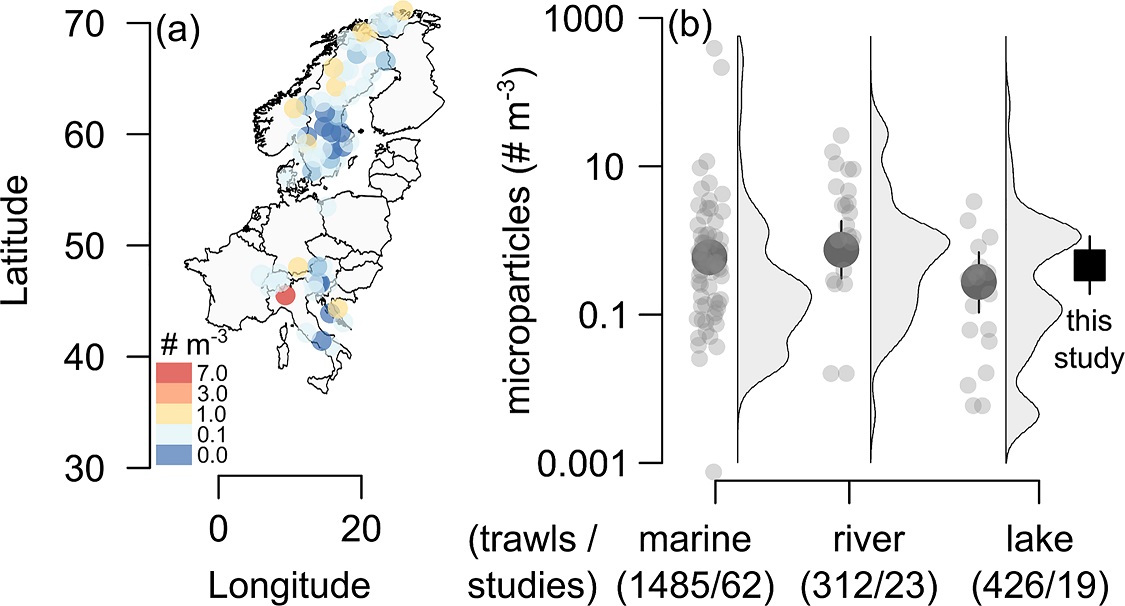
Pollution from #microplastics & anthropogenic fibres threatens lakes, but what determines its accumulation? Survey of 67 lakes shows that economic & environmental factors predict #microparticle pollution @ecochangegroup@modellinghouse &co #PLOSBiology https://t.co/DoZlLhuFk2
This is an excellent narrative piece from @lebult at @voxdotcom showcasing our research on the mystery surrounding the whereabouts of ocean plastics. Thank you for the great work!
https://t.co/YiPa7sTdTb
Where is the plastic accumulating on coastlines and the ocean coming from? Our new research published last week in @ScienceAdvances shows that our discarded #plastic waste is transported at sea by many more #rivers than previously thought.
https://t.co/yUM4FROqWJ
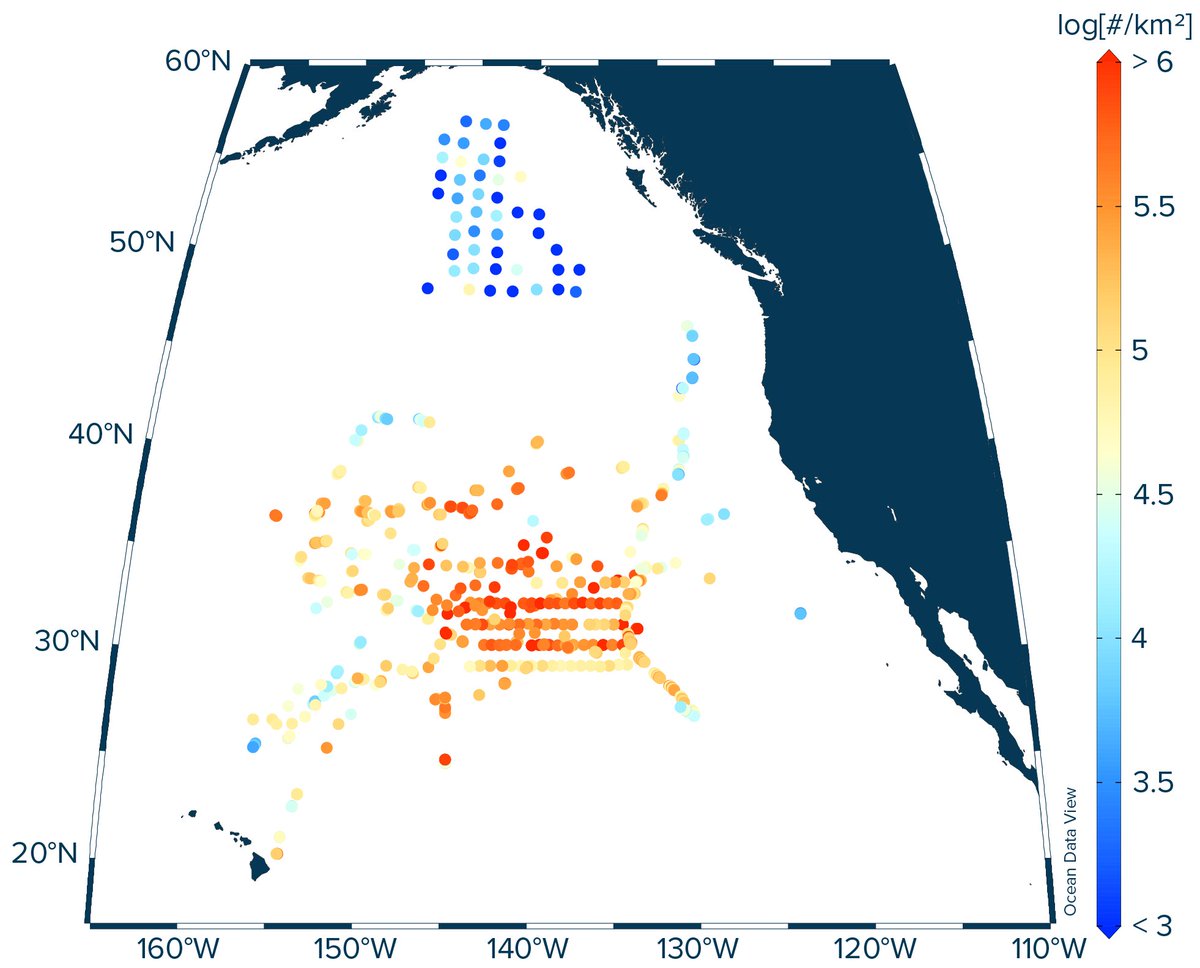
Excited to share our new study published today @IOPPublishing, in which we show that microplastics are not equally missing from the sea surface in the eastern North Pacific Ocean.
https://t.co/y2uBIwpYGp
Our research on deep sea microplastics fallout under the North Pacific subtropical convergence zone was published today in @SciReports. Congratulations @oceanegger for this new important study!
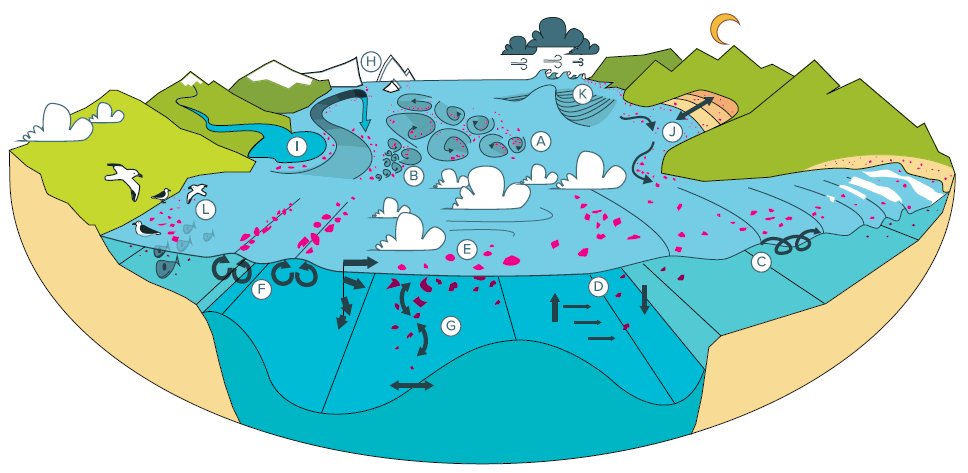
Accumulation of floating plastic debris in ocean garbage patches likely to impact deep-sea life through fallout of small and once buoyant plastic fragments. Check out our new study published today in @SciReports.
https://t.co/Po0oZsTvN2
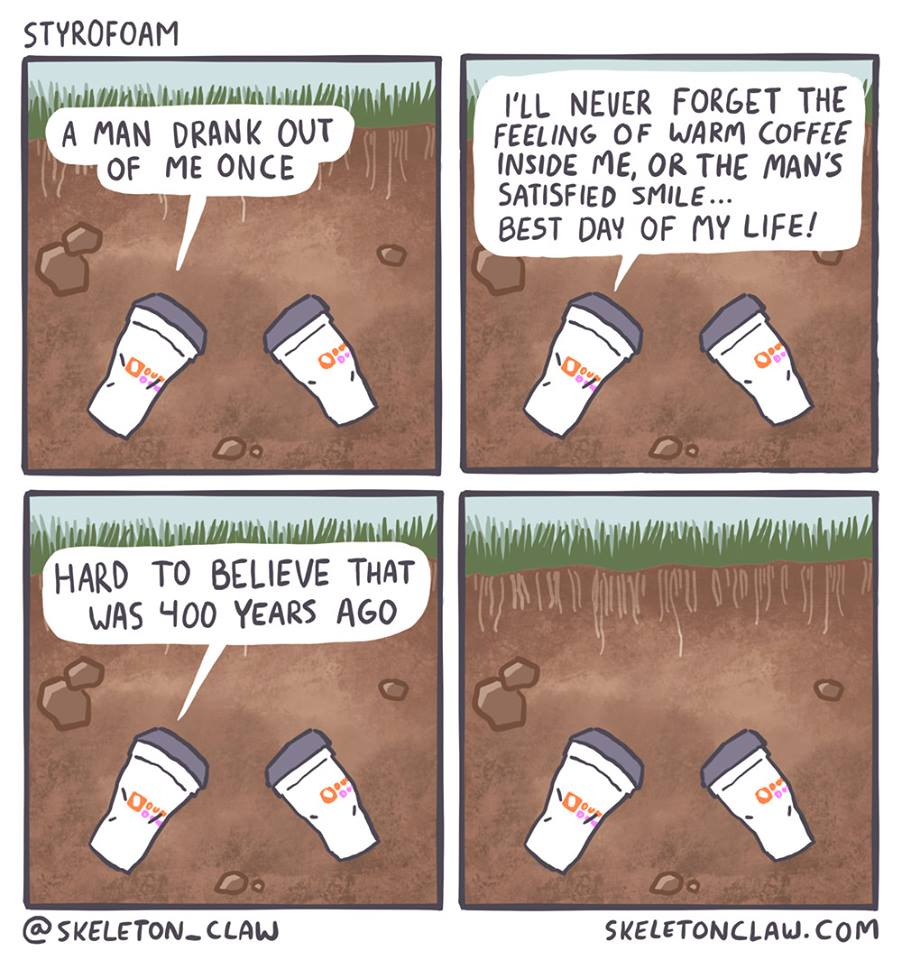
Our research on the age demographics of global plastic pollution and what it means for the future health of the oceans was published yesterday in Scientific Reports. #MissingPlastic#PlasticArcheology https://t.co/gqW9HMcrnU
Laurent Lebreton, @modellinghouse, has shared how his highly-cited article on the Great Pacific Garbage Patch came about in an exclusive interview #climatechange#microplastics https://t.co/0RzoZSHgAh
In our quest to rid the oceans of plastic, our research team continues to push boundaries in the realm of plastic pollution science. Today, our lead oceanographer published his global assessment of plastic waste generation in @PalCommsOA. Read more: https://t.co/yAVw149iPX
Our manuscript "Future scenarios of global plastic waste generation and disposal" was published in @PalCommsOA today, discussing investment in waste management infrastructure & reduction in plastic consumption to slow plastic inputs into the environment. https://t.co/Q91QxyYJia
@LegoLostAtSea @dccmckay @gorman_mary I see, not straightforward. Still looking for a way to date ocean plastic. We need ground truth data! Let me think of the logistics for this but this could well be of interest. Thanks a lot!
@LegoLostAtSea @dccmckay @gorman_mary Do you know the polymer type of these tags? I understand they float so likely PE? It would be very interesting to study rate of degradation against date of introduction in the marine environment.
Today, we published our results on the analysis of hyper-spectral imagery collected during our 2016 Aerial Expedition above the Great Pacific Garbage Patch in Environmental Science & Technology https://t.co/HfWehXpcAd