How do you clean the whole Grand Mosque in just 35 minutes? Meet the heroes of the Grand Mosque: cleaning teams of 3,500 men and women, working around the clock
Five times a day, they wash the Grand Mosque, every part of it. Around the Kaaba, the whole Mataf is washed in about twenty minutes. Water is poured, leather squeegees go to work, then the floor is dried, and perfumed. All without getting in the way of anyone in Tawaf
And they have help: 12 specialized washing machines and 679 cleaning machines. And robots! One washes the floor by itself: more than 1,000 square metres an hour. Its cameras and sensors keep it from bumping into people, and it runs quietly, so it doesn't disturb the worshippers. Others disinfect, following a programmed map, for up to eight hours, with no one at the controls
And there's a team for each job: the roof, the escalators, the minaret stairs, and the brass team, polishing the lanterns, the railings, and the brass on the columns. Every day, 70 tonnes of waste are carried out, and up to 100 at the busiest times
All so that the guests of Allah can worship in a place that's pure, at every hour
Allah says in the Quran:
“And when We designated for Abraham the site of the House, saying: Do not associate anything with Me, and purify My House for those who perform Tawaf, and those who stand, and those who bow and prostrate.” (Al-Hajj 22:26, Sahih International)
Recitation: Sheikh Abdullah Juhany (Fajr, 6 Dhul Hijjah 1447).
Sources: Saudi Press Agency (SPA) · General Authority for the Care of the Two Holy Mosques · Quran translation: Sahih International
Follow @HaramainInfo for a new film from the Haramain every day!
Why are there nine microphones in front of the imam of the Grand Mosque? This is the sound system of the Grand Mosque.
Three at the top, for the recitation. Three in the middle, for bowing. And three at the bottom, for prostration. In each three: one main, one backup and one for emergencies. From there, his voice goes out through more than 8,000 speakers, across about 650,000 square metres.
Long before loudspeakers, when the Prophet, peace be upon him, was ill, Abu Bakr, may Allah be pleased with him, made the people hear the takbir (Sahih al-Bukhari 712; Sahih Muslim 418). In the Grand Mosque, that job has its own place: the Mukabbiriya. There, the muezzin repeats each takbir after the imam, in a louder voice, so the congregation can hear.
Today, about 100 microphones pick up the imams, the muezzins and the preachers, and 21 independent systems control the sound in each part of the mosque, separately. About 120 engineers and technicians watch over it, around the clock. Around the mosque, more than 260 speakers line the roads, on a network of over 8 kilometres of cable and fibre optics. The minarets' speakers carry only the adhan and the iqamah, and are switched off during the prayer, so nearby mosques aren't disturbed. And if something fails, a backup takes over by itself, without anyone noticing.
All of this, so that when the imam recites, hundreds of thousands hear him, clearly, as one.
Allah says in the Quran:
“So when the Quran is recited, then listen to it and pay attention that you may receive mercy.” (Al-A'raf 7:204, Sahih International)
Recitation: Sheikh Saleh Bin Humaid (Fajr, 2 Ramadan 1447). The takbir in the film is from the same prayer: the imam, then the muezzin.
Sources: Saudi Press Agency (SPA) · General Authority for the Care of the Two Holy Mosques · Sahih al-Bukhari 712 · Sahih Muslim 418 · Quran translation: Sahih International
Follow @haramain_info for a new film from the Haramain every day.
#MasjidAlHaram #GrandMosque #Makkah #Haramain #Kaaba
VIDEO: NBA Legend Hakeem Olajuwon turns historic Houston building into Islamic center, calls It his biggest success
Source: X | LarryMadowo
---
Follow us for more breaking news and video content
For more stories: https://t.co/GX9bhs3WZ5
Hakeem Olajuwon bought a multimillion dollar historic building in Houston and turned it into a mosque and Islamic educational center.
The Nigerian NBA Hall of Famer considers it his greatest achievement, bigger than anything he did in basketball
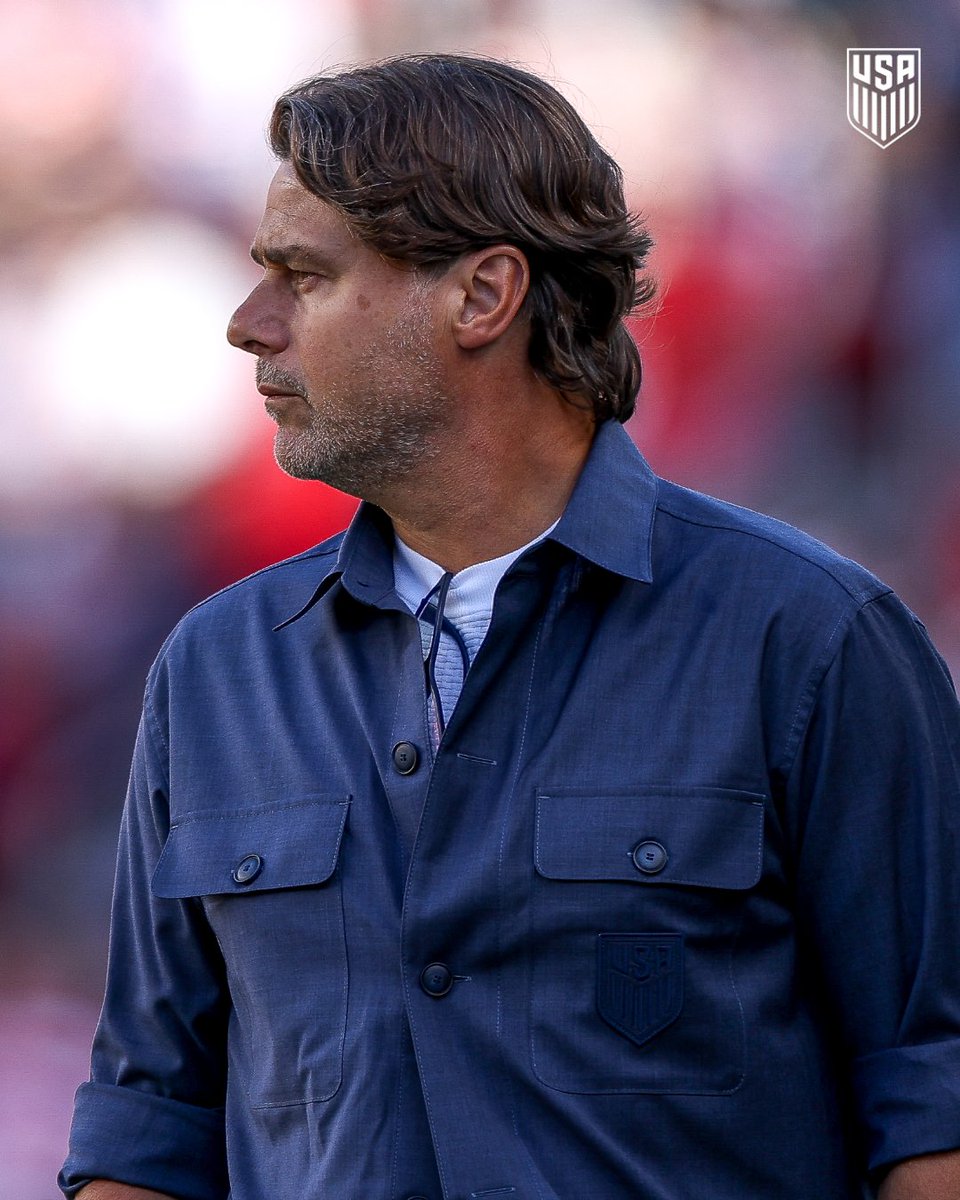
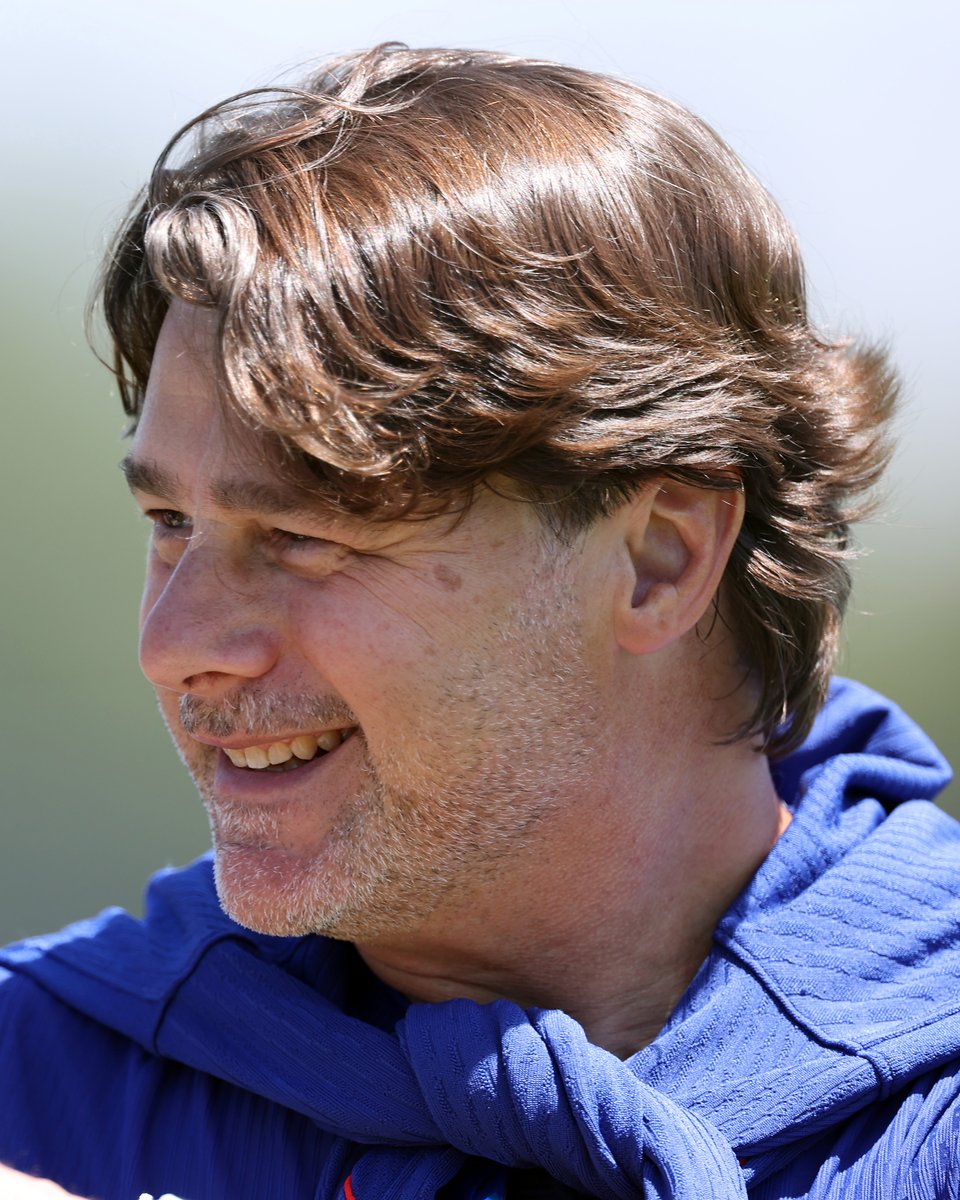
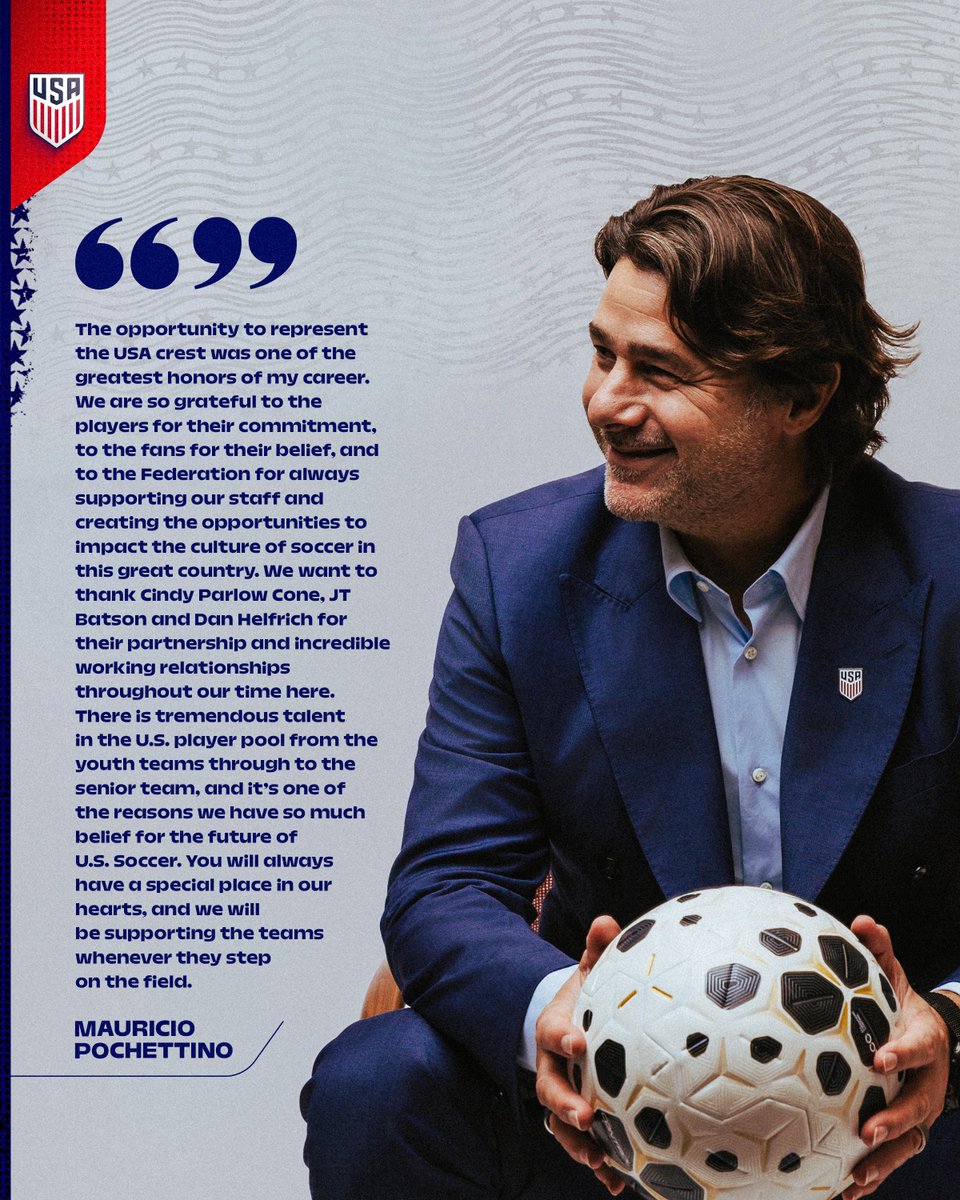
Today, @ussoccer has announced that Mauricio Pochettino will depart his role as head coach of the USMNT to become the head coach of @ManUtd.
Pochettino and his staff will continue to coach the two upcoming Concacaf Nations League matches vs. Haiti.
📝: https://t.co/q1039hQmp7
MY APPEARANCE BEFORE THE SENATE COMMITTEE ON PUBLIC ACCOUNTS
Today, I appeared before the Senate Committee on Public Accounts to address issues arising from the audit of the Nigerian National Petroleum Company Limited (NNPC Ltd) and provide clarifications on matters relating to my tenure as Group Managing Director of NNPC and subsequently Group Chief Executive Officer of NNPC Limited.
I appreciate the opportunity provided by the Senate to present my explanations, respond to concerns raised in the audit report and place certain issues in their proper context.
At the heart of my presentation was the need to correct certain misconceptions and misinformation surrounding the financial records of the company, particularly the allegation that N210 trillion was lost under my leadership.
I stated unequivocally before the committee that no such funds were lost. The figure arose from accounting entries and bookkeeping descriptions, not the disappearance or loss of money. I provided explanations on the relevant entries and reaffirmed my readiness to offer any additional clarification the committee may require.
I also addressed the N2.99 billion expenditure relating to the incorporation of NNPC Limited. I explained that the amount represented statutory payments to the Federal Inland Revenue Service and the Corporate Affairs Commission in connection with the company's incorporation. The issue, as I clarified, relates to the accounting treatment and responsibility for the payment under the provisions of the Petroleum Industry Act, rather than any improper expenditure.
Beyond these specific issues, I considered it important to reflect on the institutional reforms undertaken during my tenure.
When I assumed leadership of NNPC in 2019, one of my foremost priorities was to establish a stronger framework for transparency, accountability and institutional responsibility. I firmly believed that a public institution entrusted with the nation's resources must be accountable to the people, who are its ultimate stakeholders.
In pursuit of this objective, we took the unprecedented decision to publish the company's financial statements, making its financial records publicly accessible for the first time in its 43-year history.
We understood that transparency would expose the company to greater scrutiny, criticism and public debate. However, we believed that public scrutiny was essential to building a stronger institution. Indeed, the disclosures generated constructive discussions, recommendations and internal reforms that helped improve operational efficiency, strengthen accountability and drive cost-saving measures.
These efforts contributed to a significant improvement in the company's financial performance, moving from a loss position to sustained profitability. I am particularly pleased that the accountability structures established during our tenure have been sustained by the current management, with encouraging financial results.
The reforms also took place within the broader transformation of Nigeria's petroleum industry following the enactment of the Petroleum Industry Act and further galvanized by Mr President’s policy interventions. We worked to implement the policy decisions of the Federal Government and the National Assembly, including the transition towards a market-based petroleum products regime.
During this period, we also witnessed increased investment in the oil and gas sector, the advancement of strategic gas infrastructure projects and the deepening of the downstream petroleum industry. These developments are important to the country's energy security, economic growth and long-term investment prospects.
I remain proud of the opportunity to have served NNPC and contributed to the transformation of an institution that is central to Nigeria's economic development.