Believe God for the life you’re becoming.
And then tomorrow morning, do the next obedient thing.
All things working together for your good, in Jesus’ name. Amen.
The ambition is not simply to produce more content.
It is to build capacity for documentation itself.
To create records.
To preserve stories.
To ask better questions.
To make people talk.
And ultimately, to contribute to the institutions that will tell Nigeria’s story long after today’s photographs have become historical documents.
The work continues.
Producer Moh. GCFR
Nigerian Cinematic Strategist · Filmmaker · Researcher
Founder, Mohgix
PRESS RELEASE
PRODUCER MOH DOCUMENTS A DAY OF DIPLOMATIC, CULTURAL AND INSTITUTIONAL CONVERSATIONS IN ABUJA
From the Karu Palace to the European Union compound, a Nigerian filmmaker reflects on work, survival, responsibility and the privilege of documenting the people shaping conversations around Nigeria.
ABUJA, NIGERIA — 30 SEPTEMBER 2026
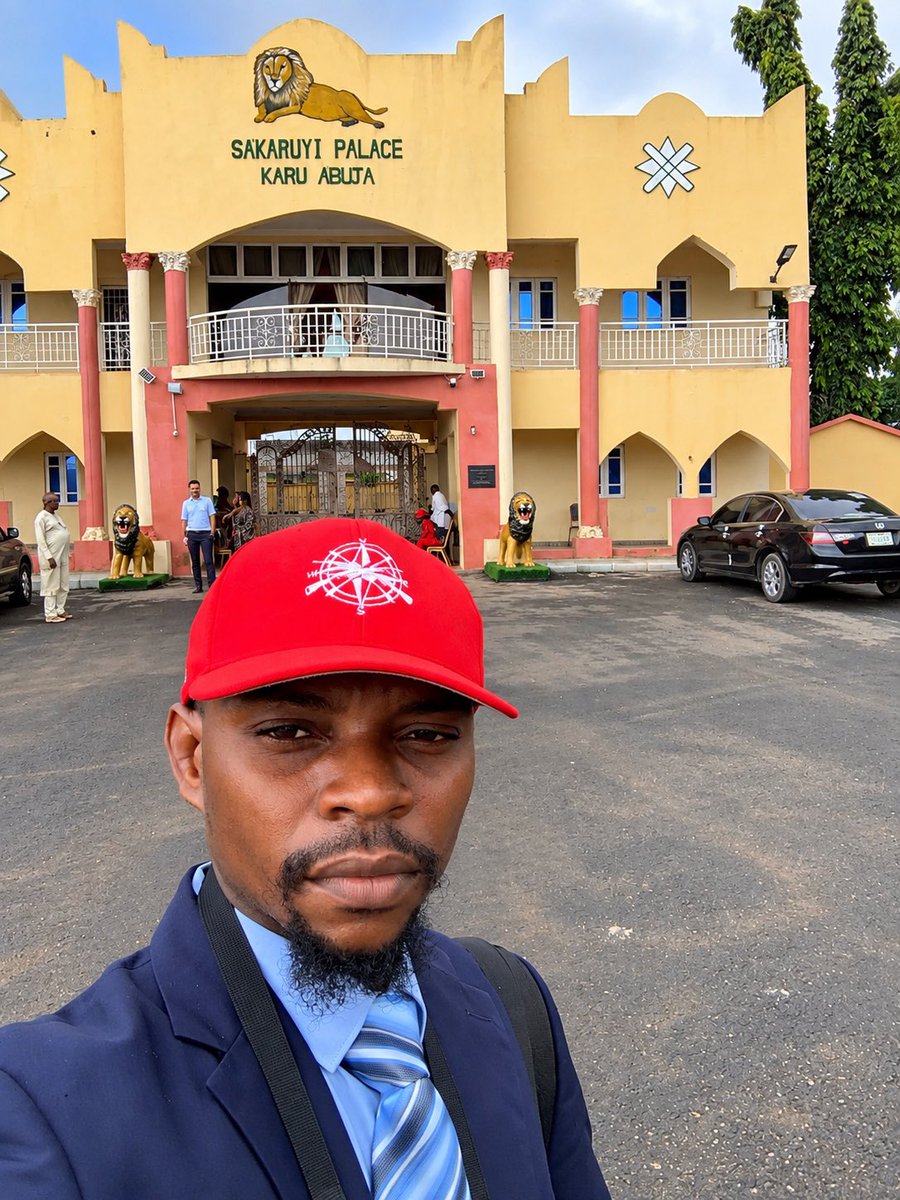
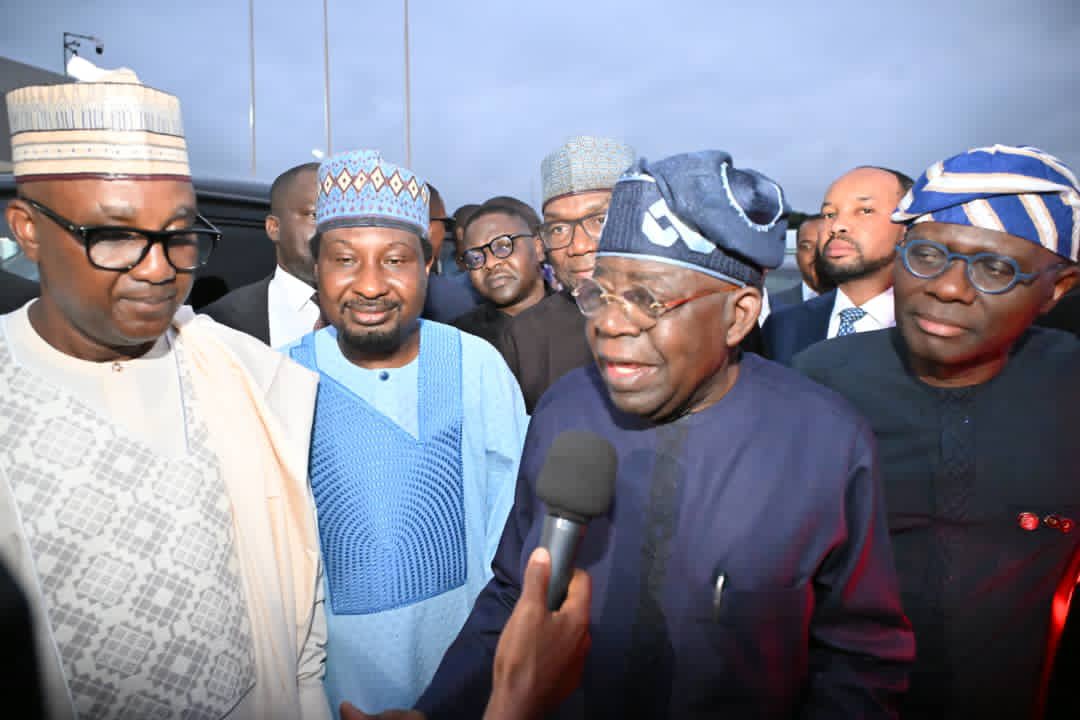
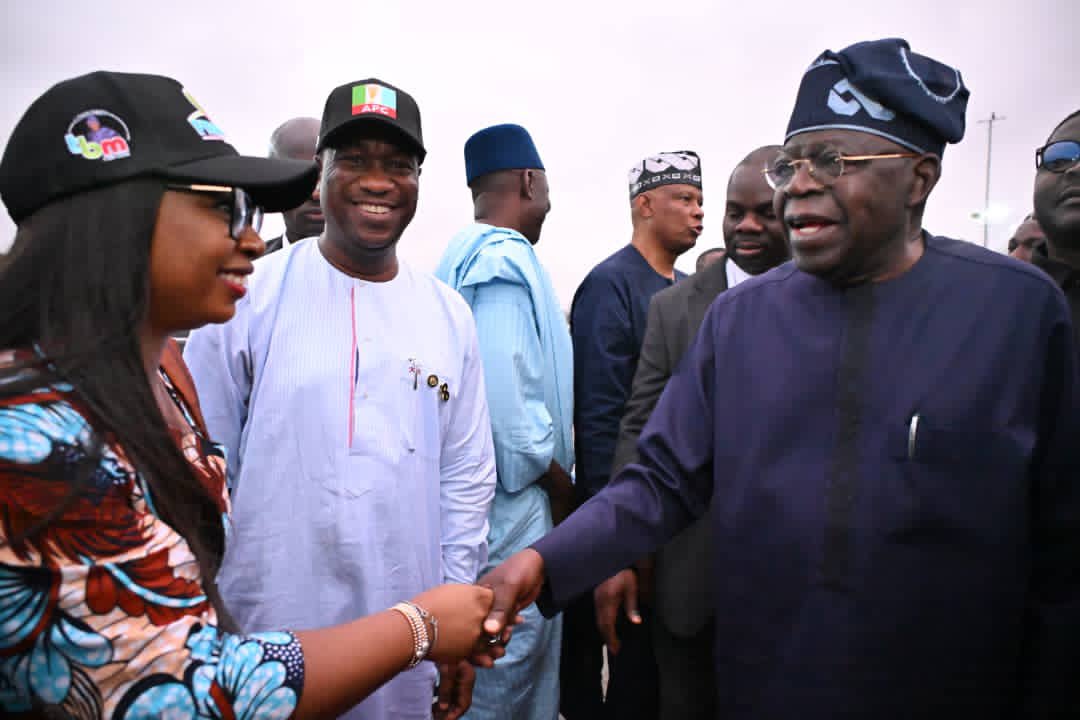
Producer Moh, Nigerian filmmaker, cinematic strategist and researcher, spent Wednesday, 30 September 2026, documenting a series of conversations and engagements across Abuja, including a visit to the palace of the Paramount King of Karu Kingdom and engagements within the diplomatic community.
For Producer Moh, however, the significance of the day went beyond the photographs.
It was about conversation, access, responsibility and the lessons that emerge when people from different institutional and cultural backgrounds sit together to discuss the realities facing Nigeria.
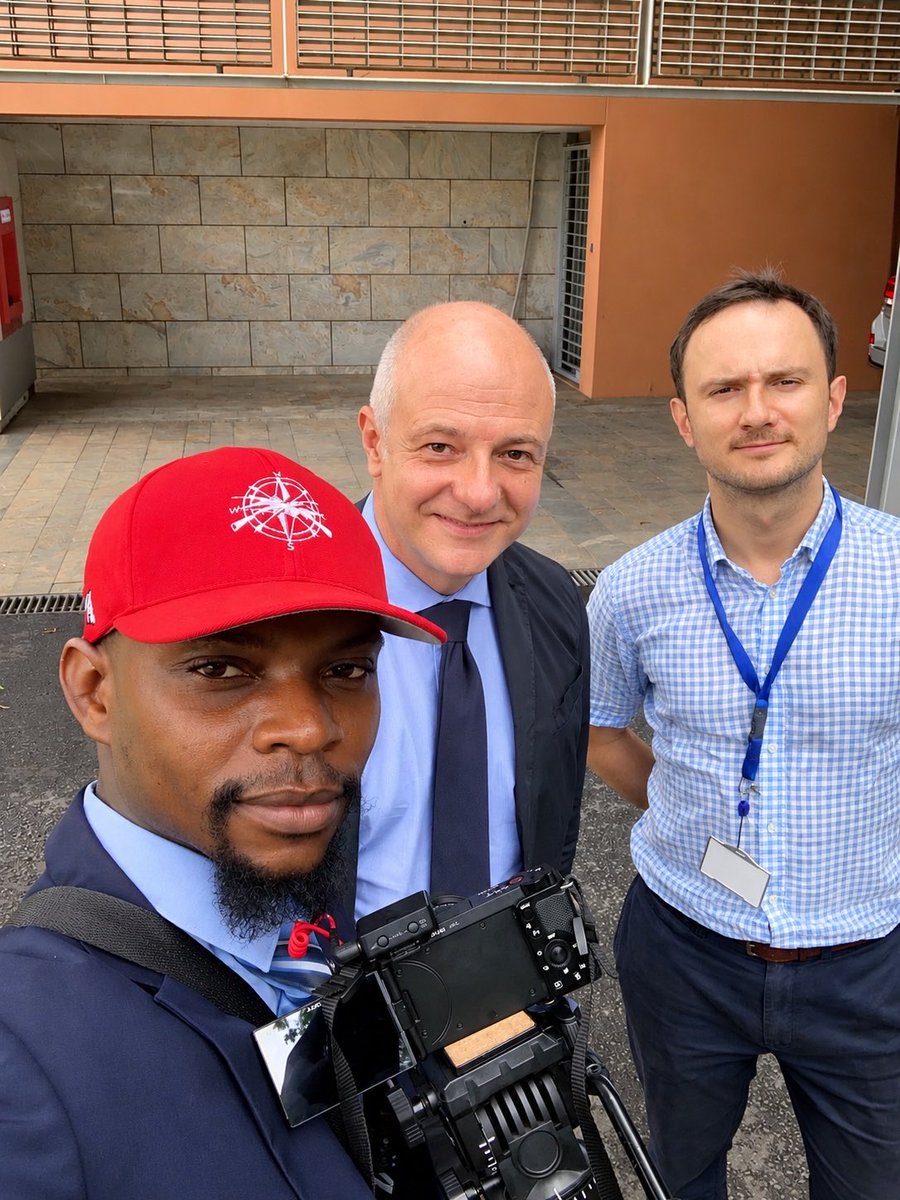
During conversations with European officials and collaborators, discussions touched on some of the challenges facing Nigeria, the pressures of survival confronting ordinary Nigerians, and the difficult work of building a future that is genuinely Nigerian.
One piece of advice stayed with Producer Moh.
When asked to leave Nigerians with one piece of advice, Andrea Perugini responded simply:
“Work hard.”
The simplicity of the statement stayed with him.
In another conversation, filmmaker Tomasz Gawlik reflected on the reality that many Nigerians are still operating in a survival economy—fighting to establish themselves, create opportunities and forge their own paths.
For Producer Moh, these conversations reinforced something he has increasingly come to understand through his work:
Nigeria needs more than people who can tell stories about her. She needs people willing to study her, document her, preserve her memory and build institutions capable of carrying those stories forward.
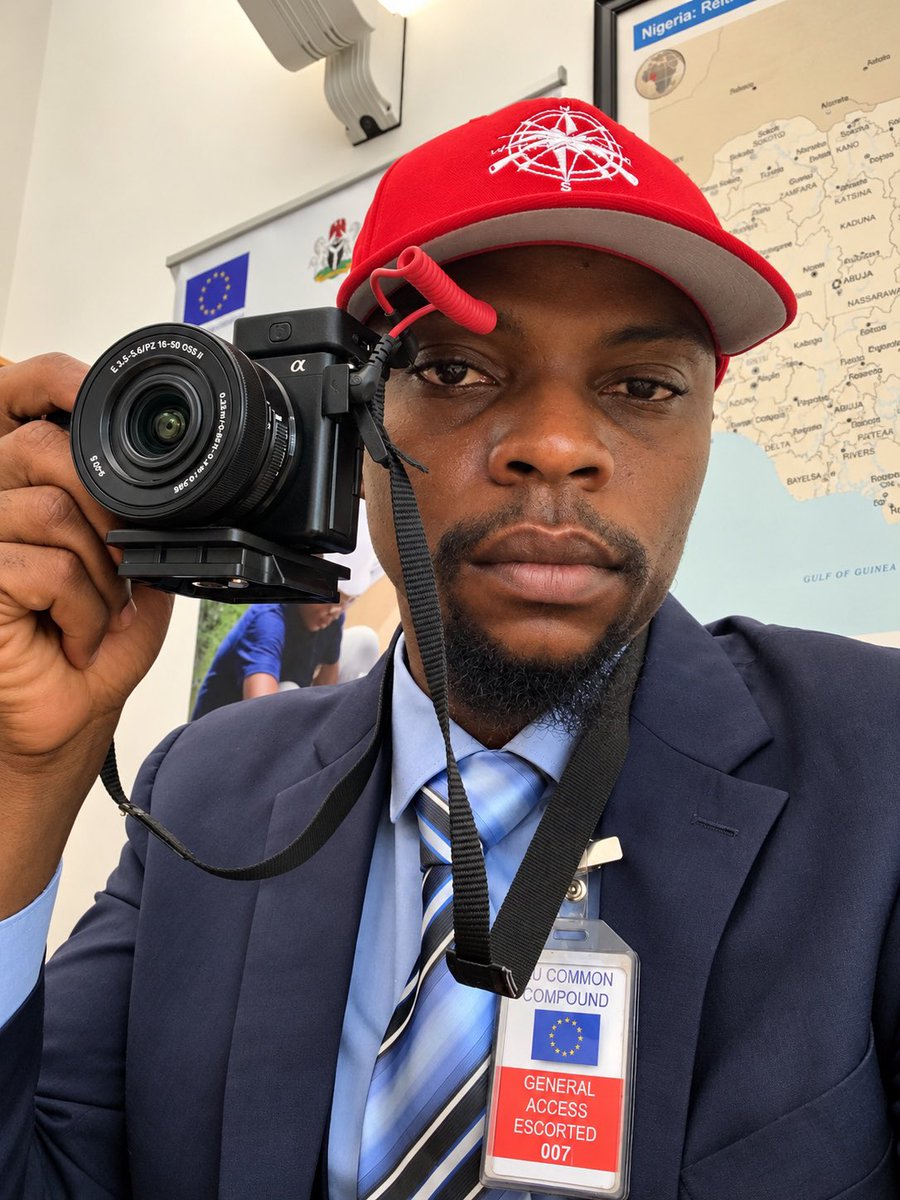
“My camera is my passport,” Producer Moh reflected.
For him, the camera has repeatedly created access to spaces, people and conversations that he could not have reached otherwise.
From documenting diplomatic events and international engagements to working with communities, filmmakers, traditional institutions and cultural stakeholders, he sees filmmaking not simply as a creative profession but as a means of entering rooms, listening carefully and creating records of moments that may otherwise disappear.
Wednesday’s visit to Karu Palace added another dimension to that work.
The encounter with the Paramount King of Karu Kingdom brought together questions of traditional leadership, identity, history, community and the continuing place of indigenous institutions within contemporary Nigeria.
For Producer Moh, documenting such encounters is part of a larger body of work around Nigeria’s cultural memory and institutional storytelling.
“It is always a privilege whenever I am invited into these spaces to listen, document and learn,” he said. “You never really know when you will have the opportunity to sit in a room like this again.”
The photographs from the day therefore serve as more than personal records.
They are fragments of a much larger archive.
They document a Nigerian filmmaker moving between diplomatic spaces, traditional institutions and cultural conversations—learning from each encounter while building his own body of work.
Through Mohgix, Producer Moh says he is working toward something larger: the development of a cultural and research institution dedicated to documenting Nigerian stories, ideas, people, institutions and memory.