TERROR RETURNS: Suicide bombings in Nigeria's Maiduguri kill at least 23, wound 100+ at hospital and market. Christian leader warns of ongoing religious persecution as suspicion falls on Boko Haram. https://t.co/RLanlRVTlE
The President Who Left With Nothing: Somalia’s Remarkable Leader Who Chose People Over Power
In a continent where presidential motorcades and offshore accounts have become bitter punchlines, one man’s exit from power tells a different story—one so extraordinary it challenges everything we think we know about African leadership.
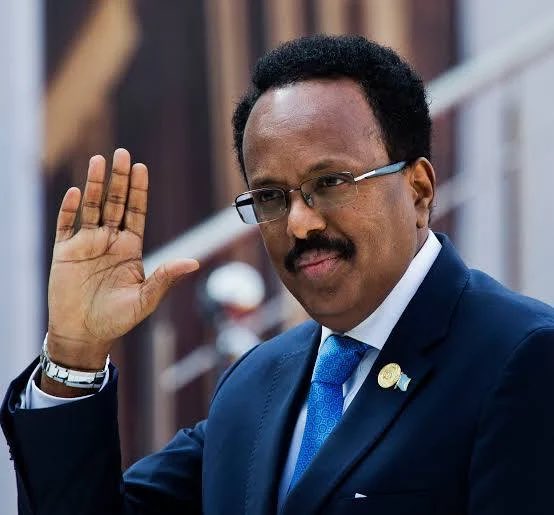
Mohamed Abdullahi Mohamed, known universally as Farmajo, stepped down from Somalia’s presidency without a house to call his own. No palatial estate. No real estate portfolio. No mysterious wealth. Just the clothes on his back and a conscience at peace.
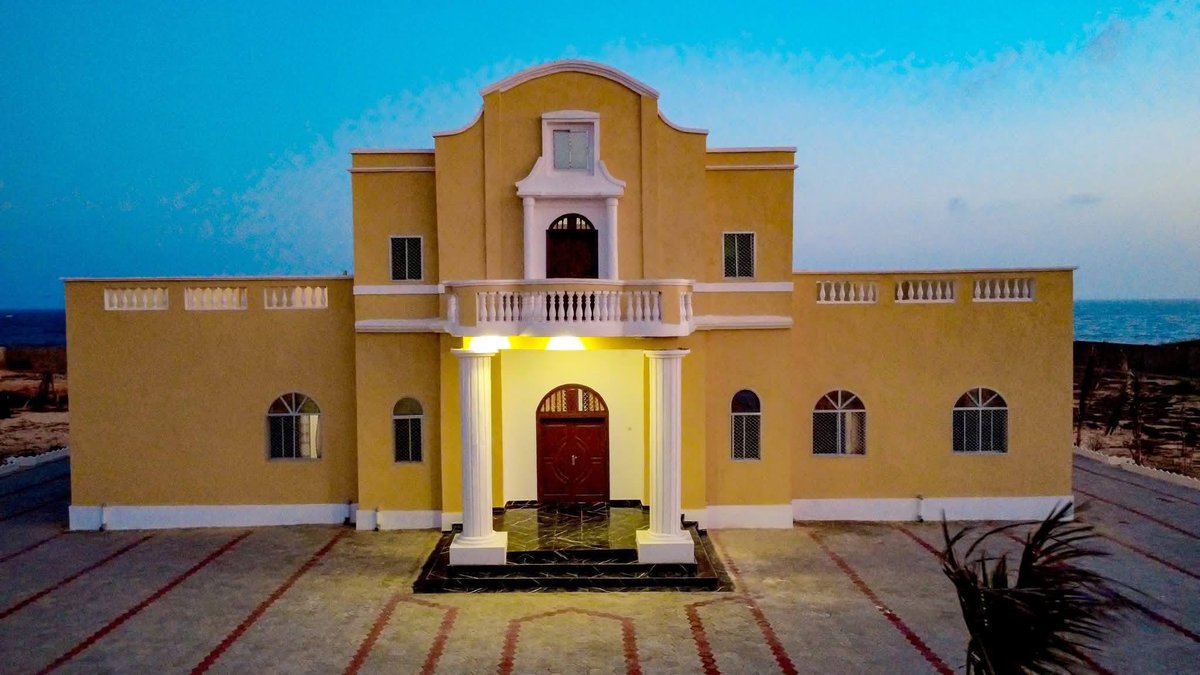
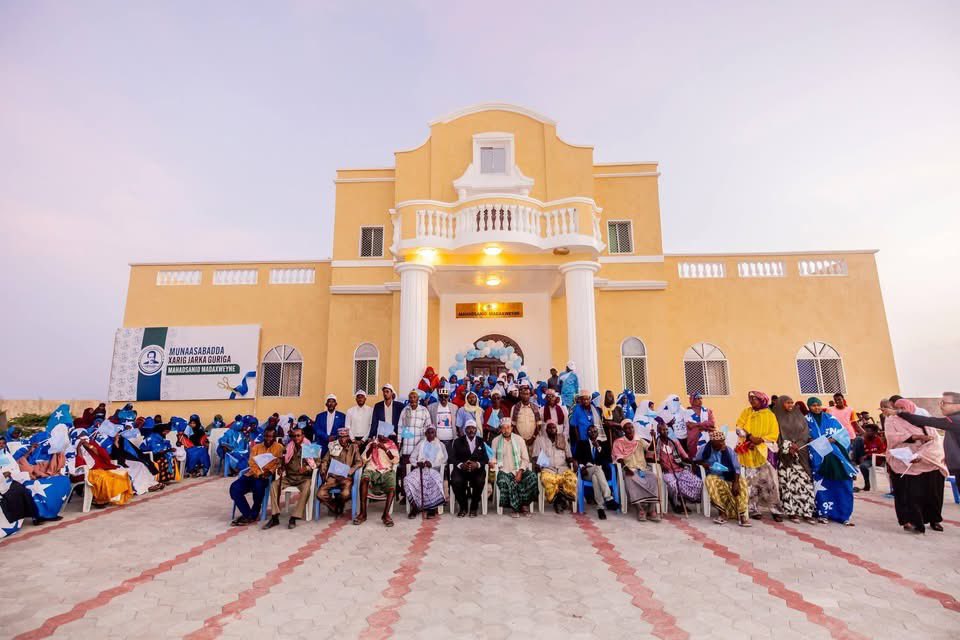
Now, in a twist that restores faith in humanity, ordinary Somalis—many struggling with poverty themselves—pooled their modest resources to build him a home.
Yesterday, Farmajo received the keys to that house: $295,000 raised in just two weeks. Some citizens sold their camels to contribute.
Think about that for a moment. In a nation where the average person survives on less than $2 a day, citizens voluntarily raised nearly $300,000 in fourteen days for their former president.
People liquidated their most valuable assets—their livestock, their livelihood, their insurance against drought and disaster—to house a man who could have enriched himself but chose not to.
This isn’t a political obligation or tribal duty—it’s genuine gratitude expressing itself in the most tangible way possible.
Farmajo’s record speaks for itself. During his tenure, he prioritized Somalia’s security and institutions over personal enrichment. While corruption scandals have toppled governments across the continent, Farmajo apparently never got the memo that public service could be a path to private wealth. He chose a different legacy entirely.
His leadership of the Peace and Prosperity Party continues this ethos—focusing on Somalia’s future rather than lining pockets in the present. In an era of performative politics and empty promises, such consistency is revolutionary.
This grassroots fundraising campaign reveals something profound about authentic leadership. The people who built Farmajo a house aren’t buying influence—they already know he’s not for sale. They’re saying thank you. They’re proving that integrity doesn’t go unnoticed, even in the hardest places.
Those sold camels represent more than money. In Somali pastoral culture, camels are wealth, status, survival. They’re what you sell when someone needs life-saving medical care or when securing your family’s future.
That citizens sold these animals to build Farmajo a house speaks to something beyond politics—it’s a covenant between leader and led, based on mutual respect rather than extraction.
Somalia has endured decades of conflict, poverty, and broken promises from those in power. That makes this moment even more significant. When citizens who have every reason to be cynical instead become generous, when they honor selflessness with sacrifice of their own, we’re witnessing the best of what’s possible.
This is the Africa that rarely makes headlines—the Africa of dignity, principle, and reciprocal respect between leaders and led. Farmajo’s empty pockets tell a fuller story than any bank statement ever could.
In a world hungry for heroes who don’t wear capes but simply keep their word, Somalia just reminded us what leadership should look like.
#Farmajo #Somalia #Leadership #Integrity #Africa #PoliticalIntegrity #PublicService #SomaliPolitics #AntiCorruption #PeaceAndProsperity #HonestLeadership
@Deee_luul@ShAbdiHersy@M_Farmaajo@theafroaussie
Life After Prostate Cancer: This empowering panel discussion is designed for men, especially those in high-risk populations, to gain clear, practical tools for navigating life after prostate cancer treatment. https://t.co/OZcXMxNiOd
@DavidEboh5@LabaranDawa The North Central region only gas Plateau and Benue as Christian majority states, Niger, Nasarawa, Kogi and Kwara are otherwise so what exactly should we remember