Elon Musk on Anthropic’s Dario Amodei scaring people:
“Dario did dig his own grave here regarding Mythos because he said, ‘Mythos is super scary, terrifying, also by the way, we’re going to release it.”
“If you terrify everyone and then say, ‘Oh we’re releasing this terrifying thing,’ people will obviously be alarmed about that.”
“I mean, you’ve literally told them to be scared, and then you release the scary thing, and so they will be scared. That is natural.”
Via @TheEconomist
🚨 엔비디아 현직 직원이 작심하고 터트린 내부 고백… "젠슨 황이 쫓겨난 진짜 이유는 '오픈소스 AI'를 지켰기 때문" ㄷㄷ
2년 전 엔비디아에 합류한 한 현직 직원이 젠슨 황의 축출 사태를 지켜보며 참담한 심경과 함께 서늘한 내부 시각을 털어놓음 🤯
단순한 CEO 교체를 넘어, 엔비디아 특유의 현장 중심 문화와 오픈 모델 생태계 전체가 뿌리째 흔들리고 있다는 내부자의 절규.
핵심만 찰지게 요약한다.
1. 말단 직원 이메일도 직접 읽던 리더… 이제 그 꿈은 산산조각 났다 💔
- 실제로 존재했던 '젠슨 직통 문화': 입사 후 가장 놀랐던 건 젠슨 황이 일반 직원들의 이메일을 실제로 읽고, 핵심을 꿰뚫는 날카로운 질문과 피드백을 직접 답장으로 보내준다는 사실이었음 💻
- 사라진 커리어의 이정표: 그만큼 현장을 직접 챙기는 리더였기에 "언젠가 젠슨 황이 앉아 있는 회의실에서 직접 발표해 보겠다"는 목표를 품고 달려왔지만, 이번 사태로 그 꿈은 허무하게 죽어버렸고 이사회가 일을 처리한 방식에 깊은 실망감을 토로함 📉
2. GTX 1080으로 CUDA를 돌리던 소년의 우상… 대체 불가한 비저너리 🚀
- 게이머에서 AI 엔지니어까지: 어린 시절 콜 오브 듀티(CoD)를 돌리려고 부모님께 그래픽카드를 사달라고 조르던 꼬마가, 10년 전에는 AI에 입문하기 위해 용돈을 모아 GTX 1080을 사서 CUDA를 돌렸음. 그 시절부터 젠슨 황의 모든 인터뷰를 챙겨보며 존경심을 키워왔고, 그를 인류 역사상 가장 중대한 기업가이자 유일무이한 비저너리로 꼽음 💎
3. "후임자는 절대 못 싸운다"… 오픈소스 AI 수호자를 제거한 대가 🔥
- 축출의 진짜 배경은 '오픈 모델': 작성자는 젠슨 황이 단순히 개인의 재능을 넘어 '오픈 모델(Open Models)'이라는 거대한 대의를 상징했다고 짚음. 그리고 바로 그 오픈소스를 지켰기 때문에 제거당했다고 보며, 새로 들어올 그 어떤 후임자도 젠슨 황처럼 목숨 걸고 오픈 모델을 위해 싸우지 못할 것이라 단언함 🤡
- 역사적 변곡점의 ���기: 지금은 과거의 오픈소스 운동 때와는 판이 완전히 다름. 가만히 있으면 오픈 모델이 저절로 승리하는 시대가 아니라, 치열하게 싸우지 않으면 프라이버시 침해, 보안 위협, 그리고 극단적인 AI 권력 독점이라는 끔찍한 대가를 치르게 될 절체절명의 순간임. 그 최전선에서 싸움을 이끌던 유일한 사령관이 바로 젠슨 황이었다는 것 🤯
밖에서는 월가의 눈치와 지배구조 논리만 따지며 CEO를 갈아치웠지만, 정작 엔비디아 내부의 엔지니어들은 회사의 심장이자 오픈소스 AI의 마지막 방파제가 무너졌다며 피눈물을 삼키고 있다. 철학 없는 관리자들이 꿰찬 거대 제국이 과연 어디로 굴러갈지 똑바로 지켜봐야 한다 🚀
Elon Musk uses something called the "idiot index" to evaluate every single part that goes into a SpaceX rocket. It explains why SpaceX builds rockets for a tenth of what it costs NASA, and almost nobody outside the company has heard of it.
The idiot index is a ratio. You take the cost of a finished component and divide it by the cost of the raw materials that went into it. If a titanium bracket costs $3,000 but the raw titanium used to make it costs $30, the idiot index is 100. That means somewhere in the manufacturing process, someone is adding a 100x markup and nobody is questioning it.
Elon made every engineer at SpaceX calculate the idiot index for every part they were responsible for. If the index was high, the part was either overengineered, the manufacturing process was wasteful, or the supplier was overcharging. All three were unacceptable.
The aerospace industry had operated for decades on the assumption that rocket parts had to be expensive because rockets are complicated. Elon looked at the raw materials and realized the actual cost of metal, wiring, and propellant for a Falcon 9 was about 2 percent of the total price of the rocket. The other 98 percent was process, overhead, and habit.
That single insight, that the materials are cheap and the stupidity is expensive, is why SpaceX can launch a rocket for $67 million while competitors charge $400 million for the same payload.
Most people accept that things cost what they cost. The ones who change industries are the ones who look at the receipt and ask where the actual money is going.
Vous venez de condamner chaque salarié français à une retraite indexée sur une démographie en chute libre @rglucks1…
Le même matin, vous dénonciez des « 500 plus grandes fortunes » qui ont « multiplié leur patrimoine par 2 ». Le capital rapporte donc, mais vous tenez visiblement à ce qu’il ne rapporte qu’à elles.
Car une retraite par répartition pure ne peut verser que ce que rapportent les cotisations de l’année, autrement dit le nombre d’actifs et leurs salaires. Or on compte 1,77 cotisant par retraité en 2025, et il n’en restera plus que 1,30 en 2070 selon les projections officielles. Votre « Non, pas de capitalisation » attache ainsi la pension de chacun à une courbe qui ne fait que descendre.
La Su��de, qu’on ne soupçonnera pas d’ultralibéralisme, a tranché la question dès 2000. Sur les 18,5 % de salaire versés chaque mois pour la retraite publique, 16 points financent la répartition et 2,5 points sont placés sur les marchés, sur un compte au nom du salarié. Résultat : le fonds public proposé par défaut a rapporté en moyenne 11 % par an depuis 2000, avant inflation, contre 3,4 % par an pour la partie en répartition (de quoi faire réfléchir un social-démocrate).
Partout où une part de capitalisation est obligatoire ou presque, l’épargne retraite dépasse d’ailleurs la richesse produite en un an : 206 % du PIB au Danemark, 167 % en Suisse, 151 % aux Pays-Bas et 116 % en Suède fin 2024. En France, 12,9 %.
Et même chez nous, l’État a déjà fait ce choix… pour ses propres agents. Depuis 2005, 4,4 millions d’agents publics cotisent à un régime additionnel entièrement par capitalisation, qui gère aujourd’hui 53,6 milliards d’euros. Ce qui protège un fonctionnaire deviendrait donc un danger pour un salarié du privé (on attend toujours l’explication).
Votre seule réponse tient en un mot, la pénibilité. Seulement, faire partir plus tôt la femme de ménage et l’ouvrier « le dos brisé » que vous citez ne crée pas un euro de cotisation de plus, et coûtera d’autant plus cher qu’il y aura moins d’actifs pour payer.
Une part de capitalisation pour chaque salarié serait pourtant la mesure la plus redistributive de votre programme. Dommage que vous l’ayez écartée sans même prendre le temps d’en discuter…
스콧 베선트 미 재무장관
연준(Fed)을 향해 기름값 떨어지고 있는데 금리 올리지 말라고 공개 경고장 날림 🇺🇸🚨
지금 상황에서 금리 올리면
미국 서민 가계 뚝배기 다 깨진다는 거임 💸
무슨 상황인지 핵심만 짚어봄
• 미국-이란 충돌로 터진 에너지 공급 충격이랑 10월 물가 반등 때문에, 시장에서는 12월 9일 FOMC에서 기준금리(현재 3.75~4.00%)를 0.25%p 올릴 확률을 무려 92%까지 반영하는 중임
• 10월 소비자물가(CPI)가 전월 대비 0.4% 뛰고 고용도 16만 5천 명이나 늘어나니까, 연준 내부 매파들이 슬슬 금리 인상 카드 만지작거리고 있음
• 그러자 베선트 장관이 직접 방송에 등판해서 "백미러 보지 말고 앞을 봐라"며 연준에 팩트 폭격 시전함
• 이미 국제유가는 고점 대비 20달러나 뚝 떨어졌고, 미국 휘발유 평균 가격도 갤런당 3.85달러 수준까지 내려와 7월 이후 처음으로 4달러 밑으로 꺾였다는 설명임
• 심지어 2008년 여름 유가 147달러 찍었을 때 유럽중앙은행(ECB)이 눈치 없이 금리 올렸다가 대참사 났던 흑역사까지 소환해서 경고함
투자자 입장에서 이게 왜 중요하냐?
작년에 금리 세 번이나 내려놓고
일시적인 유가 충격 때문에
다시 금리 인상으로 유턴해버리면
경기 침체 직격탄 맞을 수 있기 때문임
지금 가뜩이나 12월 금리 인상 공포 때문에 국채 금리 출렁이고
AI 기술주랑 코인판까지 살얼음판 걷는 분위기임
재무부 수장이 대놓고 브레이크를 걸면서 연준이 진짜 12월에 인상 버튼을 누를지,
아니면 한발 물러설지 눈치싸움이 극에 달한 상태임
결론적으로 유가 진정세를 명분 삼아
행정부가 연준 압박 수위를 최고치로 끌어올린 그림이라,
12월 FOMC 전까지 발표될 물가 지표 하나하나에 시장이 미친 듯이 발작할 예정임 🤡
⚠️특정종목 매수/매도 추천이나 투자자문 아님
⛔Not Financial Advice
Verizon CEO says SpaceX would need $300B to build a competing phone network. Elon has a different plan: turn millions of Starlink rooftops into cell sites, avoiding much of the infrastructure bill.
Here is how:
Starlink already reaches regular phones from space, and next year's Direct-to-Cell V2 satellites bring about 40x more bandwidth. But thick walls and metal roofs block the signal. Solving that is why carriers spend fortunes on towers, land, power, and fiber. Verizon's Dan Schulman estimates replicating its network would cost SpaceX $300B over 4–6 years, roughly $50–75B annually.
So SpaceX has been developing another approach. In August, Shotwell said it could put cellular base stations on the hardware supporting Starlink dishes, avoiding billions in upfront low-band spectrum costs. Then, in October, SpaceX agreed to buy Grain's 800 MHz licenses for a reported $8B. Low-band spectrum travels farther and penetrates buildings better, which SpaceX's FCC filing calls "superior building penetration."
But the licenses came with a clock: cover 33% of the population in each of 173 areas by July 2029 and 66% by 2034, or lose them. At Verizon's average build costs, the first deadline could mean $100B+ in under two years, making a cheaper approach essential.
At DealBook, Elon revealed the solution: rooftop micro cell towers. Think of them as miniature cell towers mounted beside Starlink dishes. Rather than relying on satellite signals to penetrate buildings, they broadcast cellular signals from rooftops directly to nearby phones, bringing coverage indoors.
SpaceX plans to begin production next year, potentially bundling them with Starlink terminals. For wider coverage and capacity, it will also deploy tens of thousands of conventional cell sites using Qualcomm radio equipment, starting in 2027. Together, the two layers extend coverage indoors and outdoors without replicating the traditional network site by site.
The cost advantage is that SpaceX doesn't start from scratch. Every Starlink home already provides a rooftop, power, and a satellite connection. Adding a micro cell turns that installation into cellular infrastructure, while conventional sites (also built up to 40% cheaper) fill coverage gaps and handle heavier traffic.
That changes the economics of expansion. Verizon must spend billions building coverage before attracting customers. SpaceX can expand its cellular footprint through a product it already sells, with every new Starlink installation potentially adding another cell site.
Verizon has to build its network one site at a time. While SpaceX can make every new customer part of the network it is building.
Exciting times ahead for SpaceX!
Anthropic can walk away from SpaceX on 90 days' notice. Even though it can't walk away from Microsoft, Google, or Amazon. Those contracts are non-cancelable, regardless of actual usage.
Most see this as SpaceX's weak spot. But SpaceX's own SEC letters reveal the opposite: it specifically requested the termination clause.
So why sacrifice long-term revenue certainty?
– What SpaceX told the SEC:
SpaceX sees an opportunity in that flexibility. On June 1, it told the SEC that if Anthropic left, its capacity "would easily be redeployed to other customers given the shortage of frontier AI compute capacity or alternatively could be utilized for the Company's own compute initiatives."
– And when asked why the contract wasn't publicly disclosed:
SpaceX said a deal either side can exit "without adverse contractual consequences" isn't one the business depends on. So the contract was never made public.
– but this is no small commitment to be that comfortable:
It covers roughly up to 545,000 Nvidia GPUs at near 1GW and $120.5B in full-rate revenue, with Anthropic already accounting for an estimated 25.7% of SpaceX's Q3 revenue, with that percentile to grow higher by Q1 2027.
And this is all while carrying $38B in outstanding debt and a new separate $40B Apollo GPU lease with absolute payment obligations, even if the equipment becomes unusable.
– So why accept all that financial exposure while deliberately giving up revenue certainty?
The answer lies in how SpaceX sees the coming AI economy.
It correctly believes the agentic era will be the biggest economic explosion in human history, with compute becoming its central constraint and competitive moat. As good enough models ( AI's that reliably do most computer work) become commoditized, access to scarce compute will determine who can distribute AI at scale. And as recursive self-improvement (RSI) advances, compute will increasingly determine how quickly AI can develop and who wins.
We're already seeing the beginnings of this: compute constraints across major labs, expanding agentic demand, and a shift from human-led research toward AI-built systems.
– That then makes retaining control over compute valuable in three ways:
1. Capture future price increases.
Hopper rental prices have already doubled in just four years. With demand accelerating and supply constrained, SpaceX's 80%+ Blackwell capacity could sustain and potentially increase in value. What generates $40B/GW in annual revenue today could reach $60B as prices rise, allowing SpaceX to capture the upside at full utilization.
2. Control its competitive position.
That scarcity also gives SpaceX strategic leverage. Once compute becomes the main constraint on distributing AI products, SpaceX can monetize capacity today without permanently supplying competitors with the infrastructure they need to grow. Once its own models achieve good enough for most work, it can redirect that capacity toward its own products and compete directly for the same market. After all, winning AI is still the ultimate goal.
3. Preserve compute for recursive self-improvement.
The stakes become even higher once AI begins building and improving its own successors. Compute would then constrain not just commercial growth but the speed of AI development itself. SpaceX could reclaim capacity to accelerate Grok and its own AI development rather than supply competing labs with resources they could use for the same purpose. In a potential winner-takes-all race, retaining that option would be the ultimate stake.
Ultimately, SpaceX is preparing for an AI economy whose full scale we cannot yet comprehend. If its thesis is right, this structure positions it to maximally capture rising compute revenues while retaining the capacity to accelerate its own AI development. Which is a logical path as of today, one I personally have long predicted and agree with, but as always, time will tell.
One way or another, historic times are guaranteed ahead of us!
Le suffrage capacitaire devrait faire un consensus si on était dans une société saine. Si la politique et l'économie ne t'intéressent pas, si tu n'y connais rien ou que tu veux imposer ta grille idéologique sans rien apprendre des autres, il faut te décourager un maximum à aller voter. Voire t'en empêcher, comme on empêche des conducteurs irresponsables ou devenus incapables de conduire.
2010 yılında Japonya’nın en büyük havayolu şirketlerinden Japan Airlines iflas ediyor.
Şirketin yaklaşık 25 milyar dolarlık yükümlülüğü var. Yıllardır zarar ediyor. Uçaklar uçuyor, milyonlarca yolcu taşınıyor ama bir türlü para kazanamıyorlar.
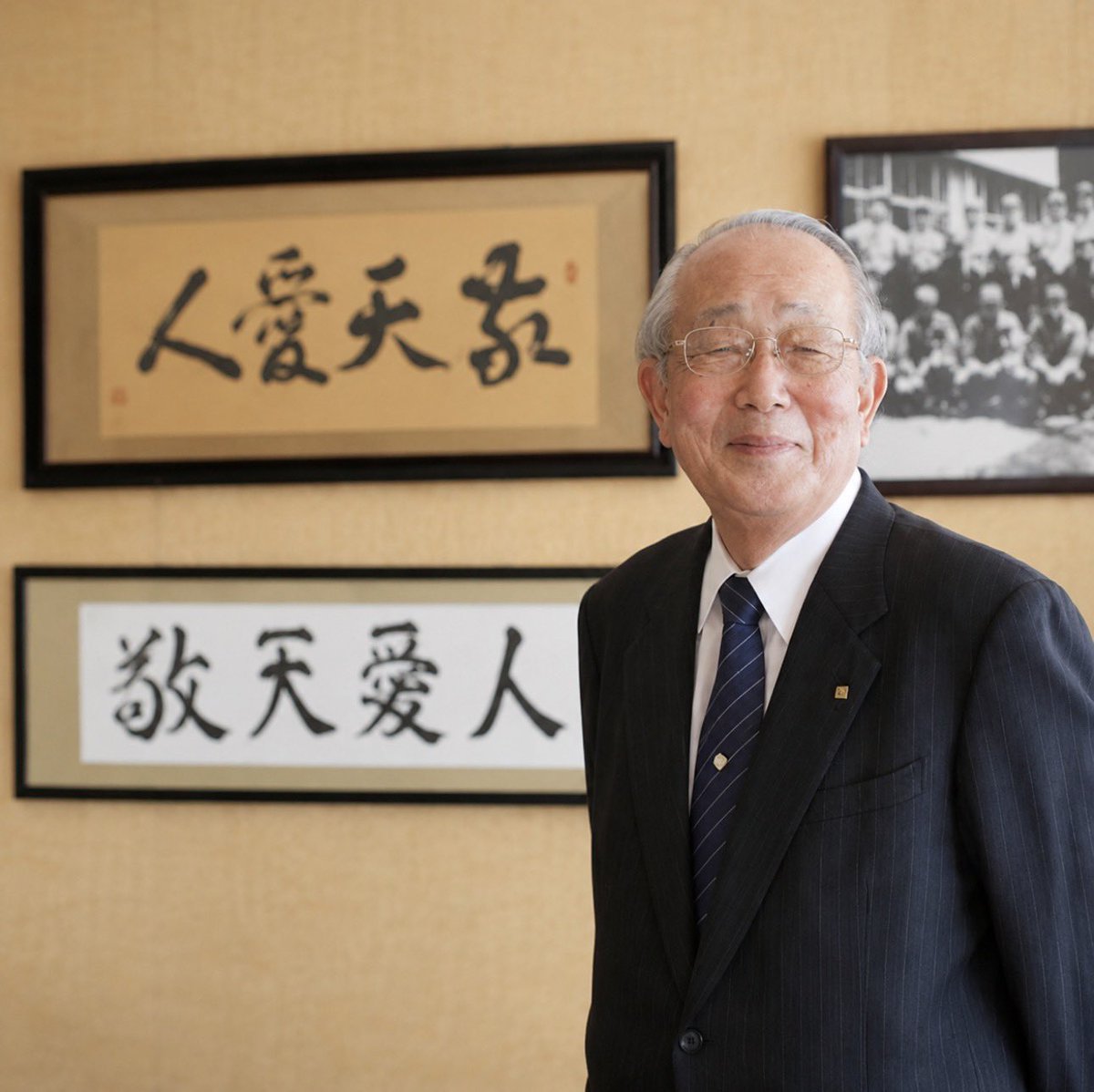
O dönem Japon hükümeti şirketi kurtarmak için bir karar alıyor. 77 yaşında olan Kazuo Inamori’den şirketin başına geçmesini istiyorlar.
Inamori aslında havacılıktan anlamıyor. Hayatında bir havayolu şirketi yönetmemiş.
Ama Japonya’nın en başarılı iş insanlarından biri.
1959 yılında küçük bir sermayeyle Kyocera isimli teknoloji şirketini kurmuş. Daha sonra Japonya’nın büyük telekomünikasyon şirketlerinden DDI’nin kuruluşuna öncülük etmiş.
Üstelik adam zaten milyarder. Çalışmasına, para kazanmasına gerek yok. İhtiyacı da yok.
Bu yüzden kendisine yapılan teklifi başlangıçta kabul etmiyor.
Ama çok ısrar edilince fikrini değiştiriyor.
77 yaşında, iflas etmiş bir havayolu şirketinin başına geçiyor.
Hem de tek kuruş maaş almadan.
İlk yaptığı işlerden biri şirketin bütün hesaplarını incelemek oluyor.
Hangi uçuş para kazandırıyor, hangisi zarar ettiriyor? Hangi bölüm ne kadar para harcıyor?
Şirket o kadar büyük ki yöneticiler bile bazı uçuşların ne kadar para kazandırdığını net olarak göremiyor.
Inamori bu sistemi değiştiriyor.
Artık her bölüm kendi gelirini ve giderini takip etmek zorunda diyor. O günden sonra yöneticiler sadece uçakların doluluk oranına değil, uçuşların şirkete ne kadar para bıraktığına da bakıyor.
Bir yandan da şirketi küçültmeye başlıyorlar.
Uluslararası uçuşların %40’ı, iç hatların ise yaklaşık %30’u küçültülüyor.
Şirketin yıllardır kullandığı Boeing 747 uçakları filodan çıkarılıyor.
Çünkü bu uçaklar dolmadığında şirkete çok büyük zarar yazıyor.
Yaklaşık 16 bin kişi işten çıkartılıyor. Çalışan sayısı 48 bin civarından 32 bine düşüyor.
Çalışanların ve emeklilerin emeklilik haklarında da kesintiler yapılıyor.
Inamori, şirketin yaklaşık 50 üst düzey yöneticisine 17 ayrı eğitim veriyor.
Bir yöneticinin çalışanlarına nasıl davranması gerektiğini, şirketin parasını neden kendi parası gibi koruması gerektiğini anlatıyor.
Hatta bazı yöneticiler başlangıçta bu eğitimlerden rahatsız oluyor. Çünkü karşılarında havacılıktan anlamayan, 77 yaşında bir adam var.
Ama Inamori devam ediyor.
Çalışanlarla da doğrudan görüşmeler yapıyor. Şirketin neden para kazanması gerektiğini, neden tasarruf etmeleri gerektiğini anlatıyor.
Ona göre şirketi kurtarmak sadece yöneticilerin işi değil. Uçaktaki kabin görevlisinden yerde çalışan personele kadar herkesin buna katkı sağlaması lazım.
Bankalar yaklaşık 6 milyar dolarlık alacaklarından vazgeçiyor. Japonya’da devlet destekli bir kurum da şirkete 350 milyar yen, yani o dönemin kuruyla yaklaşık 4 milyar dolar sermaye sağlıyor.
2010 mali yılında şirket yaklaşık 188 milyar yen faaliyet kârı açıklıyor.
Bir sonraki mali yılda ise bu rakam yaklaşık 205 milyar yene, yani o dönemin kuruyla yaklaşık 2,5 milyar dolara çıkıyor.
O dönem Japan Airlines, dünyanın en yüksek faaliyet kârı elde eden havayolu şirketlerinden biri oluyor.
Şirkete 350 milyar yen sermaye sağlayan devlet destekli kurum, 2012 yılında elindeki hisseleri yaklaşık 648 milyar yene satıyor.
Yani devlet destekli kurum, şirketi kurtarmak için koyduğu paranın yaklaşık iki katını geri alıyor.
Kazuo Inamori ise 2022 yılında 90 yaşında hayatını kaybediyor.
Arkasında kurduğu iki büyük şirketi ve iflastan kurtarılmasına öncülük ettiği Japan Airlines’ı bırakıyor…
Adam 77 yaşında, zaten milyarder. Hayatının geri kalanını rahatça geçirebilecekken iflas etmiş bir şirketin başına maaş almadan geçiyor.
Büyük adammış…
ALERTE : France : en novembre 2026, l’indice INSEE du climat des affaires chute nettement, annonçant une forte baisse du PIB.
Oui, la récession s'aggrave ! La France ne tiendra pas ainsi jusqu'au printemps 2027...
#France#recession#chomage#faillite
“The strongest argument for free enterprise is that it prevents anybody from having too much power—whether that person is a government official, a trade union official, or a business executive.”
— Milton Friedman
🚨 Séance très violente sur Wall Street
Personne dans l'IA n'a envie de lire ce qui suit mais lisez-le quand même
Quelques explications :
1. Anthropic lève 81,3 Md$ et aspire la liquidité
IPO à 83 $, premier échange à 111,50 $, plus haut vers 115 $, vers 96 $ à 15h10. Plus de 2 000 Md$ de valorisation à l'ouverture, 80% des salariés deviennent millionnaires sur le papiers, dont 400 avec + de 100M.
La lecture qui domine est que pour acheter de l'ANT, les gérants ont vendu les Mag 7 et les semis. Pas d'entrée au Nasdaq-100 avant le 18 décembre, donc aucun achat indiciel pour compenser. $AMZN plus grosactionnaire, perd 3,9 %, Google pareil.
L'IPO se pase comme une IPO standard, open très haut, beaucoup de ventes de prise de profits, puis souvent une consolidation. Le consensus US était d'acheter la pré-ipo et la vendre directement, je ne suis donc absolument pas surpris.
2. Google accélère et des rumeurs folles d'AGI
Gemini 4 Neon est sorti hier : 61 sur l'index d'Artificial Analysis, 3e au classement, 3 $ le million de tokens. La rumeur parle d'un petit modèle entraîné avec de l'auto-amélioration récursive, et le DeepMind Institute publie un essai qui décrit l'AGI comme « à portée ». Un modèle aussi bon et moins cher pèse sur le prix des tokens, $GOOGL passe de +4,1 % à -2,8 % cependant
Google est connu pour faire du Benchmaxxing à l'inverse de Grok mais je ne vous cache pas que pour le coup là c'est extrêmement intéressant. Time to AGI : 0 ?
3. AMD a désormais son propre problème chinois
Hunterbrook se déclare short $AMD : IEIT, fabricant chinois de serveurs sur liste noire, aurait intégré au moins six versions récentes de son firmware.
Hunterbrook reconnaît n'établir aucune violation, AMD conteste. Le titre perd 9,4 %, le jour où la règle du Commerce sur Singapour (12,4 % du CA 2025) entre en vigueur. Ma lecture c'est que ça amplifie une news déjà bien salée, mais je ne pense pas qu'il y ait un problème sur AMD.
4. TSMC coupe une partie de la Chine, les semis rendent tout
TSMC et Samsung suspendent certaines livraisons à des clients chinois en attendant les licences du Commerce. Cela à surpris le $SOX de +4,7 % à -2,3 %, $NVDA de +4,75 % à -2,7 %, $MU de +7,8 % à -1,9 %. Nvidia file vers une sixième baisse d'affilée, $NBIS lâche 8,8 %, les neoclouds sont vraiment en enfer...
5. Le consensus shift doucement vers une capitulation
VIX vers 28, $QQQ sous son plus bas du 17 novembre. Les gens rangent les armes jusqu'à janvier, l'IPO d'Anthropic devait être un signal positif
Je ferait un post plus long pour expliquer ce que je retiens de mon voyage aux USA, après avoir parlé à des buyside & sell side. Meh.
6. Les rares îlots verts
Palo Alto +5,2 % après ses résultats et le rachat d'Applied Compute, $PDD +10,9 %. $BABA a touché +4,5 % avant de repasser dans le rouge. Le reste se fait juste enterrer.
7. Roaring Kitty est de retour
Il revient avec un meme Nintendo. Nintendo prend 15 % et $GME 7 % sur la news, hilarant mais je me tiendrai bien à l'écart
Demain je surveille $ANT face aux 83 $ de l'IPO, les suites sur $AMD et les licences pour TSMC, le KOSPI risque de déguster cette nuit
Rémunérations des patrons du CAC 40 ➡️ ce sont les mêmes au Royaume-Uni et en Allemagne
Ces dernières années, certaines entreprises du CAC 40 on relocalisé leur siège social hors de France. Est-ce qu'on a envie de dire à ces entreprises : on ne vous veut plus en France ?
@CNEWS
M. Zucman veut 250 milliards d’« impayés » aux milliardaires, sur dix ans, en plus de sa taxe de 2 % par an. Faisons les comptes.
Les 500 plus grandes fortunes françaises pèsent environ 40 % du PIB (Challenges). On parle donc de leur prendre à peu près le cinquième de ce qu’elles possèdent, en plus de 2 % chaque année.
Cette fortune n’est pas en billets. Ce sont des actions de LVMH, d’Hermès, de L’Oréal. Pour payer, il faudra vendre. Et qui achètera ? Les étrangers détiennent déjà la moitié du CAC 40 (Banque de France). On leur vendra l’autre moitié.
Pendant ce temps, l’État dépense 57 % de tout ce que produit le pays (Insee) et prélève 46 % du PIB, record d’Europe (Eurostat). Le problème n’est pas l’argent qui manque, c’est la façon dont on le dépense.
Bastiat disait qu’il y a ce qu’on voit et ce qu’on ne voit pas. On verra le chèque. On ne verra pas les usines non construites, les emplois non créés, ni les jeunes qui partiront entreprendre ailleurs.
On ne remplit pas un tonneau percé en tapant sur ceux qui portent les seaux.
M. Zucman veut 250 milliards d’« impayés » aux milliardaires, sur dix ans, en plus de sa taxe de 2 % par an. Faisons les comptes.
Les 500 plus grandes fortunes françaises pèsent environ 40 % du PIB (Challenges). On parle donc de leur prendre à peu près le cinquième de ce qu’elles possèdent, en plus de 2 % chaque année.
Cette fortune n’est pas en billets. Ce sont des actions de LVMH, d’Hermès, de L’Oréal. Pour payer, il faudra vendre. Et qui achètera ? Les étrangers détiennent déjà la moitié du CAC 40 (Banque de France). On leur vendra l’autre moitié.
Pendant ce temps, l’État dépense 57 % de tout ce que produit le pays (Insee) et prélève 46 % du PIB, record d’Europe (Eurostat). Le problème n’est pas l’argent qui manque, c’est la façon dont on le dépense.
Bastiat disait qu’il y a ce qu’on voit et ce qu’on ne voit pas. On verra le chèque. On ne verra pas les usines non construites, les emplois non créés, ni les jeunes qui partiront entreprendre ailleurs.
On ne remplit pas un tonneau percé en tapant sur ceux qui portent les seaux.