If the US Senate leadership, whom I respect, choose to make a massive policy change/mistake by cutting provider taxes and state directed payments on the fly as part of reconciliation, and establish a new federal price fixing scheme on hospitals tied to flawed Medicare formulas that disadvantage rural communities, and then establish, on the fly, a Rural Hospital "Stabilization Fund", then here are the questions they should hopefully be able to answer:
1. What hospitals are defined as rural? By current definitions, most hospitals in rural communities and regions won't qualify.
2. How will the funds be distributed?
3. What formula will be used to determine how funds will be distributed? Will payer mix and debt/debt service be factors?
4. What if a hospital has severe problems capitalizing, but demonstrates it has enough cash flow to operate in the near term? Will that hospital be provided funds through this formula, or will it die a slow death from lack of capitalization?
5. How do you know if the amount of funds in the "Stabilization Fund" are enough? What if the money runs out?
6. Will this money be recurring? Hospitals must budget based on multiple year forecasts in order to plan for recruitment of doctors, capital spending, etc. If the money is recurring, will there be inflationary adjustments to account for growth in expenses?
7. If the fund and distribution of dollars is not recurring, how shall the hospitals plan for capital and budgeting?
8. What if the hospital is losing money because it is subsidizing physicians for the community and region it serves? Will there be funds made available to cover those subsidies? Or do physician subsidies not count?
9. What if the hospital(s) are in a rural region, and supported by tertiary hospitals that take all the specialty referrals. Technically, these tertiary hospitals are not rural, but more non-urban - and close to half of their referrals come from rural communities. The doctors and hospitals in these tertiary hospitals take care of these rural patients. How do these hospitals factor in?
10. If the tertiary hospitals are part of a system that also owns the rural hospitals, and the rural hospitals are kept open by cross-subsidization from the tertiary hospitals, are the tertiary hospitals considered to be rural under this new program?
The House version of the bill would have had minimal impact on our region. The Senate version revealed this week changes the house provisions and would be devastating, if implemented. I trust our Senators to fight those provisions. They’ve always had our backs and i believe this will be no different.
Recognized for exemplary heart care and patient outcomes, we’re pleased to see Johnston Memorial Hospital featured on @BeckersHR’s list of “100 hospitals and health systems with great heart programs.”
Read more at https://t.co/7KKX6aU2HZ
#balladproud#cardiology
@BalladHealth extends our deepest sympathy to the victims of today's school shooting in Nashville, and we hold our colleagues at @VUMChealth up in prayer as they work to save lives. God please be with the families and all those who are affected.
In the wake of tragedies and crises, your thoughts and feelings are valid. No one should struggle alone.
You can call the Respond helpline – any day, at any time – at 1-800-366-1132. #NashvilleStrong#balladhealth
https://t.co/8wWjlk7Du7
🎉Emory & Henry Trustees voted to approve the transition from College to University status! Members of the E&H Board of Trustees reviewed and approved the new 2023-2026 strategic plan “Elevate in Excellence” that included a status change by Fall 2024.
https://t.co/OSIyxIWyG5
🥳Celebrating the announcement with the campus for the future transition from College to University coming in Fall 2024! Members of the Board of Trustees at Emory & Henry College reviewed and approved the new 23-26 strategic plan.
Read more and see photos https://t.co/pHlhtf6N4R
First insight from our welcome keynote panel at @Mill_All: Our focus is people, process and technology. We need to continually ask ourselves, “How do we help them be better clinicians?”
#PeopleFirst
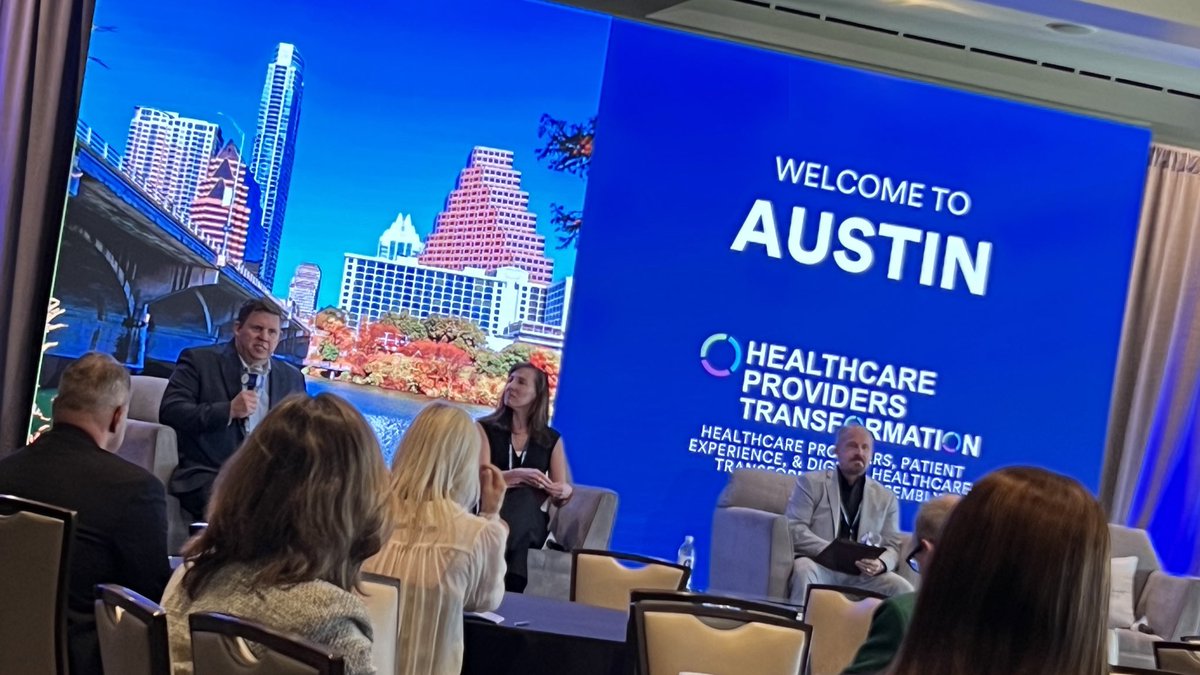
Pleased to join @Mill_All in Austin this week for the Healthcare Providers Digital Transformation Assembly. Really looking forward to fruitful discussions and learning opportunities! #MarTech
Phone lines are officially open for the Niswonger Children's Hospital Radiothon! 🎉 To donate in support of children's health, please call 855-611-KIDS (5437) or text KITE to 24365. You can also donate online at https://t.co/sy72Jf8ZJo.
#WhereHopeRises#NiswongerRadiothon
Many thanks to @emoryandhenry & Prof. Treash for welcoming me as a guest lecturer in strategic communications. I loved sharing the story of my career at @BalladHealth & I feel invigorated by the energy in the next generation of MarComm professionals!
#balladproud#youcanEH
This is just classic. @TimTebow finding out he was selected to the Hall of Fame in his first year of eligibility! Well done, @espn!!! This Gator will always be proud of what Tebow means to Florida football and to the sport, but more importantly, who he is as a man.
It was a pleasure to join @TaylorBHamilton & celebrate the work of our team & @BalladHealth’s commitment to transparency while serving as a source of truth in health education in the @AppHighlands.
Many thanks to #MillenniumLive for the invitation to co-host today’s workshop!
Taylor Hamilton, Chief Consumer Officer and Molly Luton, Chief Marketing & Communications Officer at @BalladHealth lead the last workshop of the day providing their expertise on the best ways to communicate with your patients and team members.
#MillenniumLive
Ballad Health stands in support of our neighbors in Charlottesville.
With heavy hearts, we’re thinking of every student, faculty member and staff member at @UVA. We extend our gratitude for the heroism and bravery of the first responders for their efforts during this tragedy.
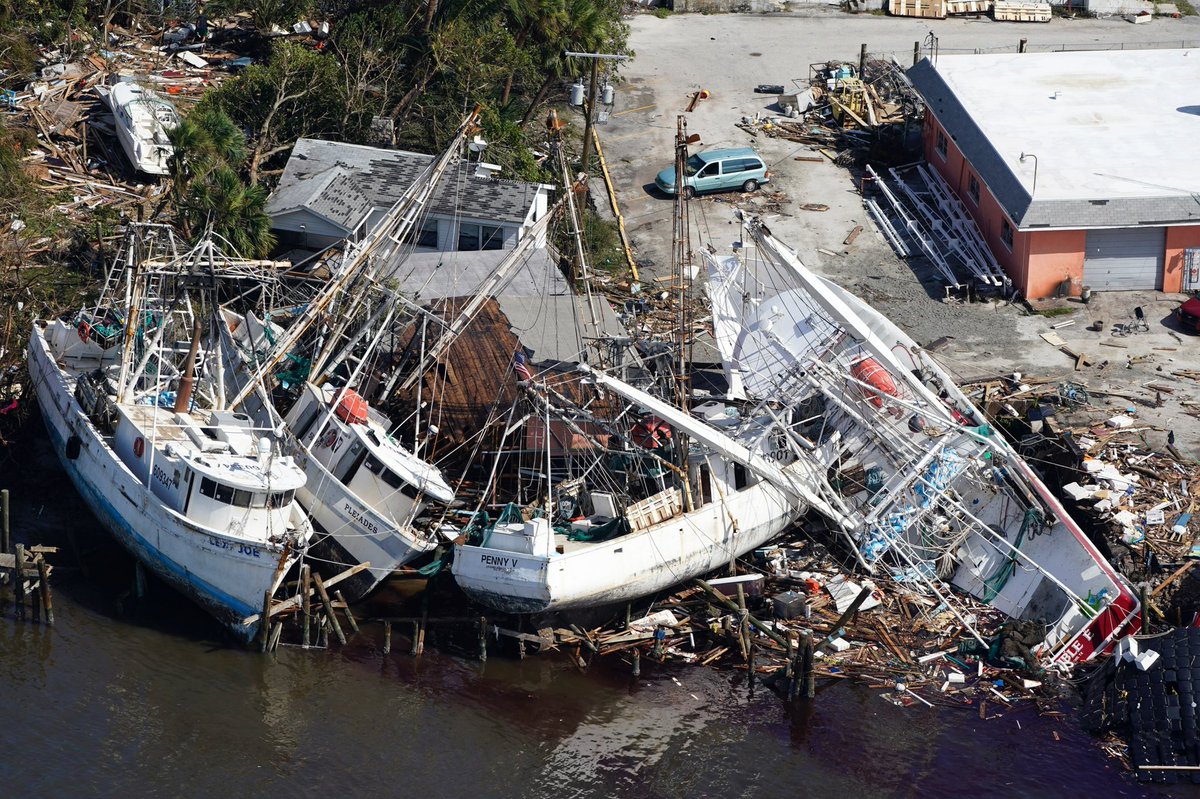
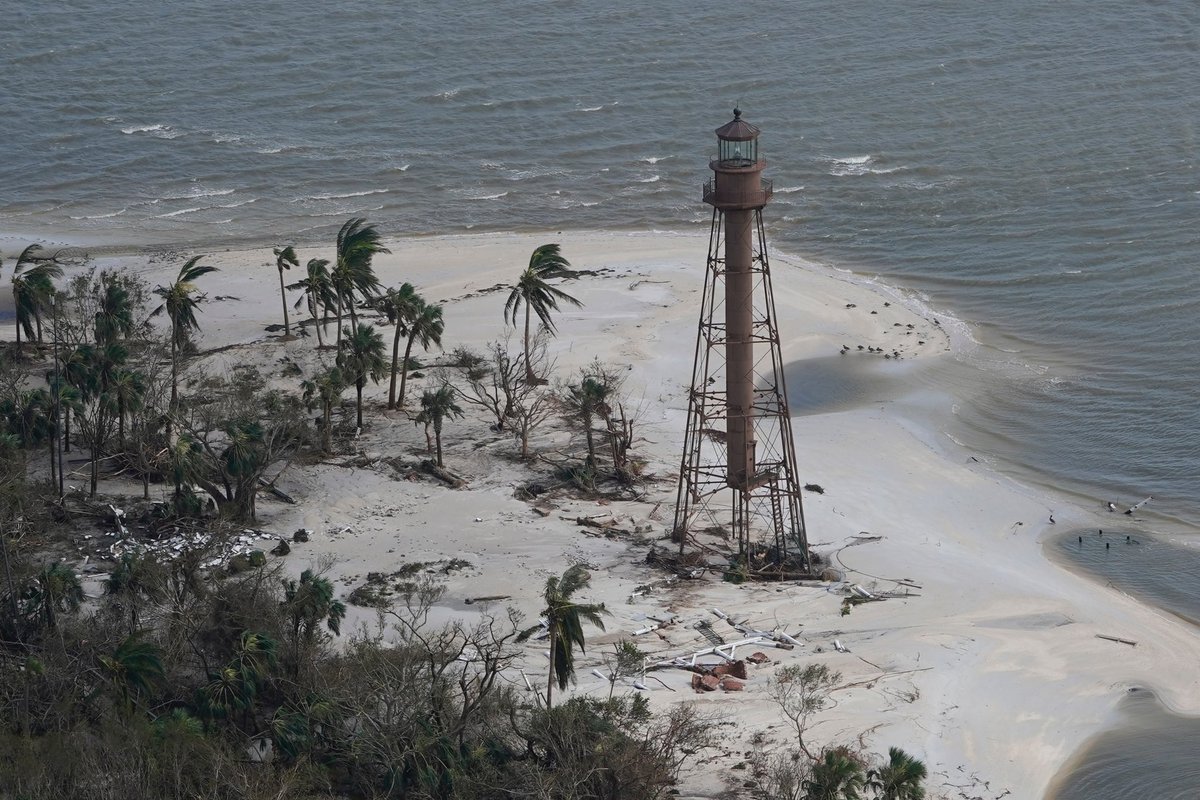
The destruction that Hurricane Ian caused when it hit Sanibel Island was catastrophic, with damage so severe that the island has been cut off from Florida's mainland. https://t.co/t5LGDEpZO0