Happy Chuseok! 즐거운 추석 보내세요! 🇰🇷
Taste South Korea: https://t.co/4TDOH5Mdgf
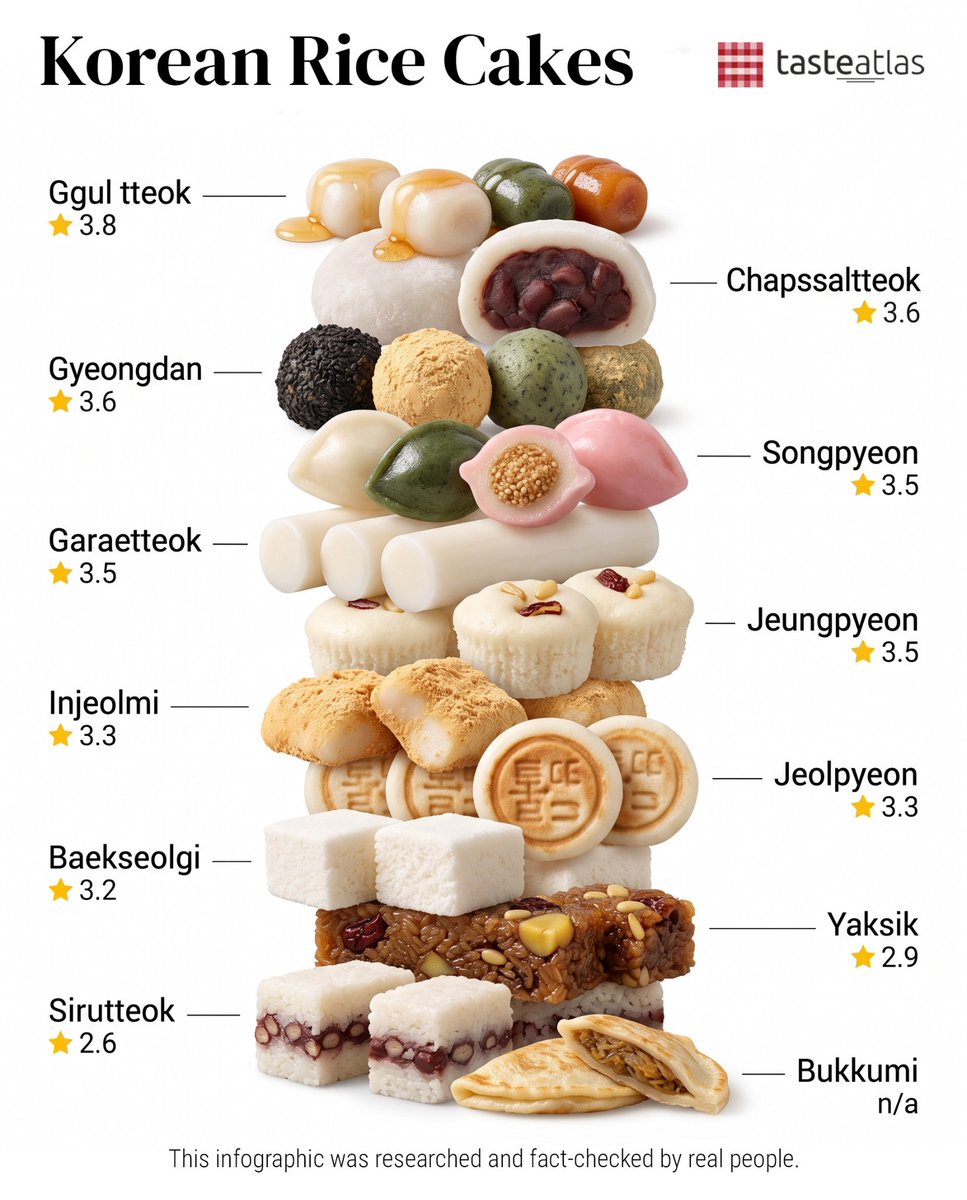
Today is Chuseok, Korea’s autumn harvest holiday. Families return home, remember their ancestors and gather around food made to celebrate the harvest. Songpyeon is the rice cake most closely associated with the day: small half-moons filled with sesame, beans or chestnuts and steamed over pine needles. It’s a good place to begin, but Korea’s love of rice cakes goes well beyond one holiday — and well beyond one way of making them.
It’s pomegranate season!
Across the Mediterranean, the harvest begins in late September and continues through November. In Iran, pomegranate juice is cooked with walnuts in fesenjan; in Turkey and the Levant, it is reduced into a sharp molasses for salads and grilled meat; in India and Pakistan, the dried seeds become the spice anardana. Pomegranates are served during Iran’s Yalda Night, eaten by many Jewish families at Rosh Hashanah as a symbol of abundance, and smashed on Greek doorsteps at New Year for good luck.
Credit: @pomegranateasmr
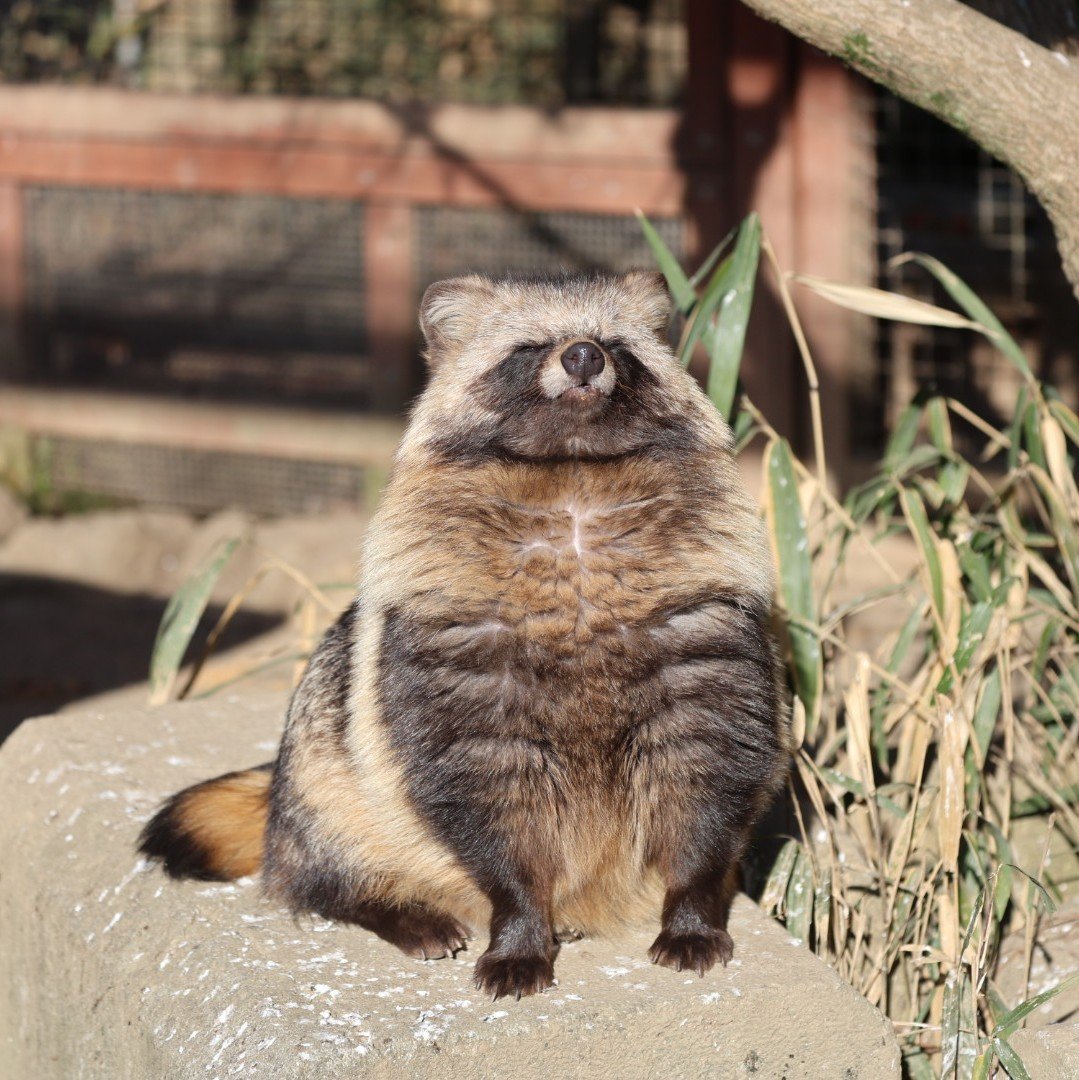
Un hôtel de Kyoto a cessé de vendre une chambre à 70 840 yens après qu'une écureuil volant a choisi son balcon pour élever deux jeunes.
Cette fermeture temporaire a duré bien plus longtemps que ce que les employés s'attendaient.
En avril 2024, les travailleurs du Prince Kyoto Takaragaike à Sakyo Ward ont découvert un écureuil volant géant japonais, connu localement comme un musasabi, qui s'installait à côté d'une chambre Deluxe King.
Après avoir consulté les autorités locales, l'hôtel a laissé la famille tranquille et suspendu les réservations pour la chambre.
D'ici le 24 mai, ils avaient séjourné environ un mois, y compris la Golden Week, lorsque l'occupation de l'hôtel a dépassé 90 pour cent.
Les employés ont effectivement donné aux écureuils la chambre gratuite en attendant que les jeunes mûrissent.
La famille est restée à peu près six mois avant de partir.
Puis, environ un an plus tard, les écureuils volants sont revenus dans la même chambre, provoquant une autre suspension de réservations.
Ce qui a commencé comme un nid protégé est devenu un centre de reproduction de faune répétitif.
Pogača ispod sača at Planinska kuća Bistrica
📍Fojnica, Bosnia and Herzegovina 🇧🇦
Learn more: https://t.co/fijbYvgNzR
Pogača ispod sača is a traditional, rustic Balkan bread deeply rooted in the pastoral heritage of countries like Serbia, Bosnia and Herzegovina, Montenegro, and Croatia. Historically prepared on open hearths in rural households, the bread takes its name from the sač (or peka), a heavy, dome-shaped cast iron or clay bell used to cover the dough. Once the bell is placed over the round loaf, it is completely buried under live coals and hot ashes. This ancient, slow-baking technique functions as a primitive convection oven, locking in moisture and infusing the bread with an unmistakable, earthy smokiness that cannot be replicated in a conventional kitchen.
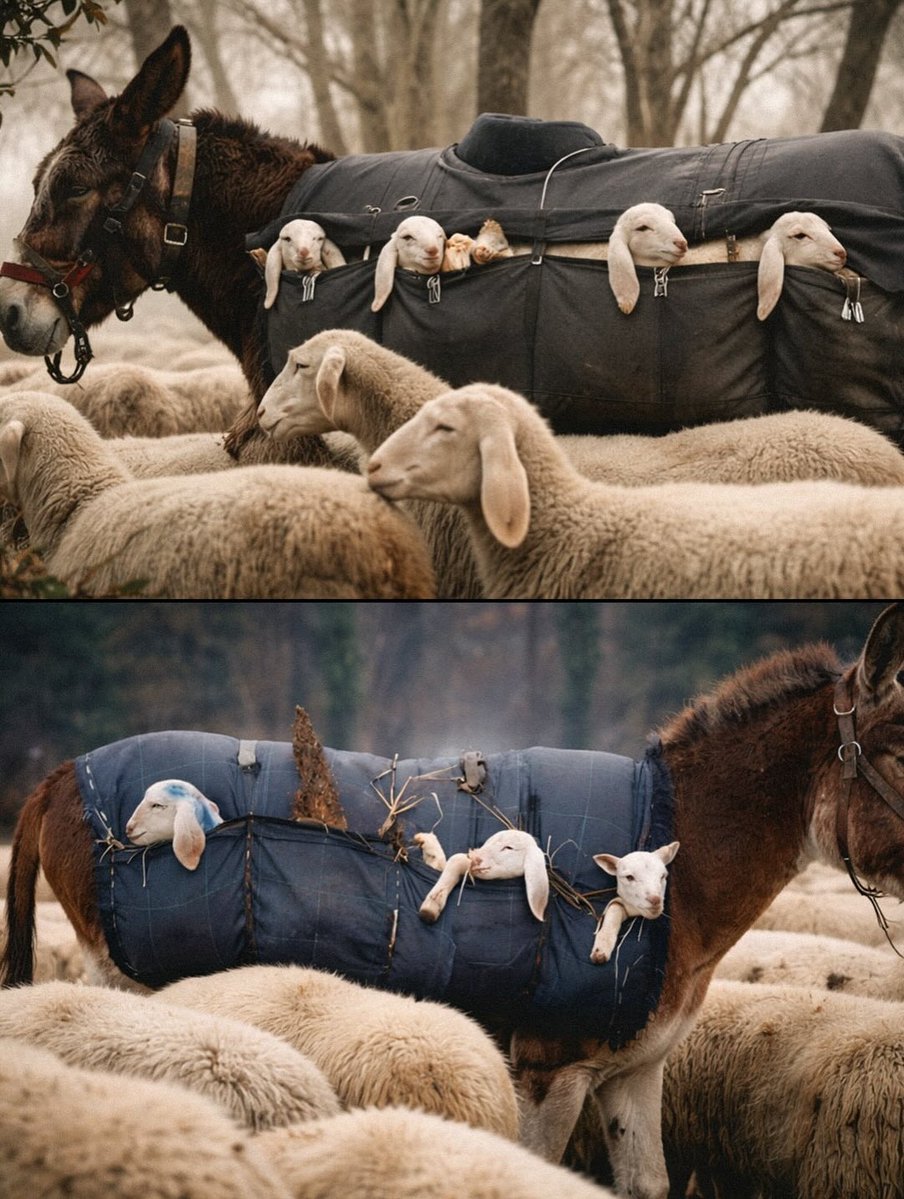
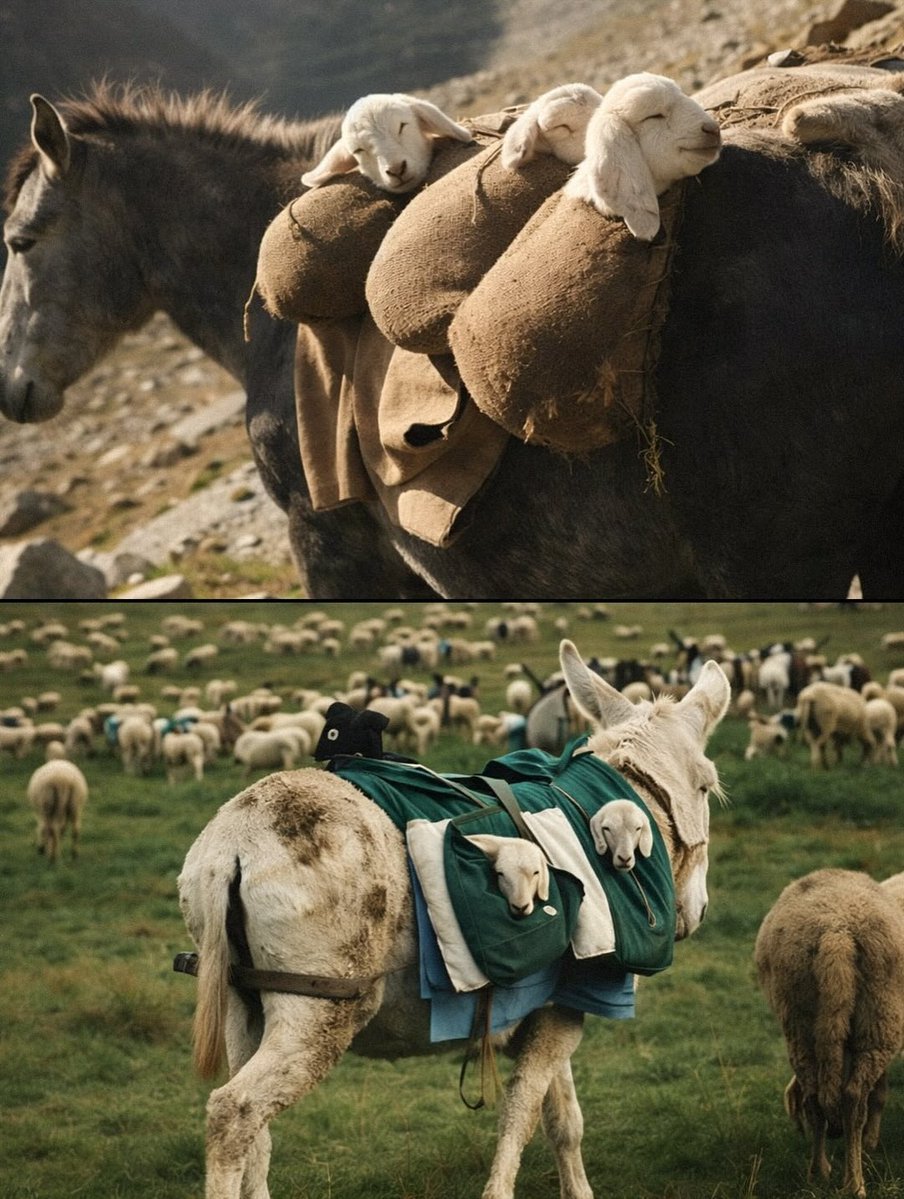
Each year in rural Italy, donkeys and mules help carry newborn lambs down mountain paths because the youngest animals are too weak for the journey.
The tradition is part of transhumance, the seasonal movement of livestock between mountain and lowland pastures. 🐑🫏❤️