Tips On Reading Arabic Without Tashkil
Yesterday, in a Nahw class that I teach, I got into a discussion with students on how to read Arabic without harakat faster. The discussion resonated with a lot of the students, so I wrote a guide.
https://t.co/qaOjfFEKaf
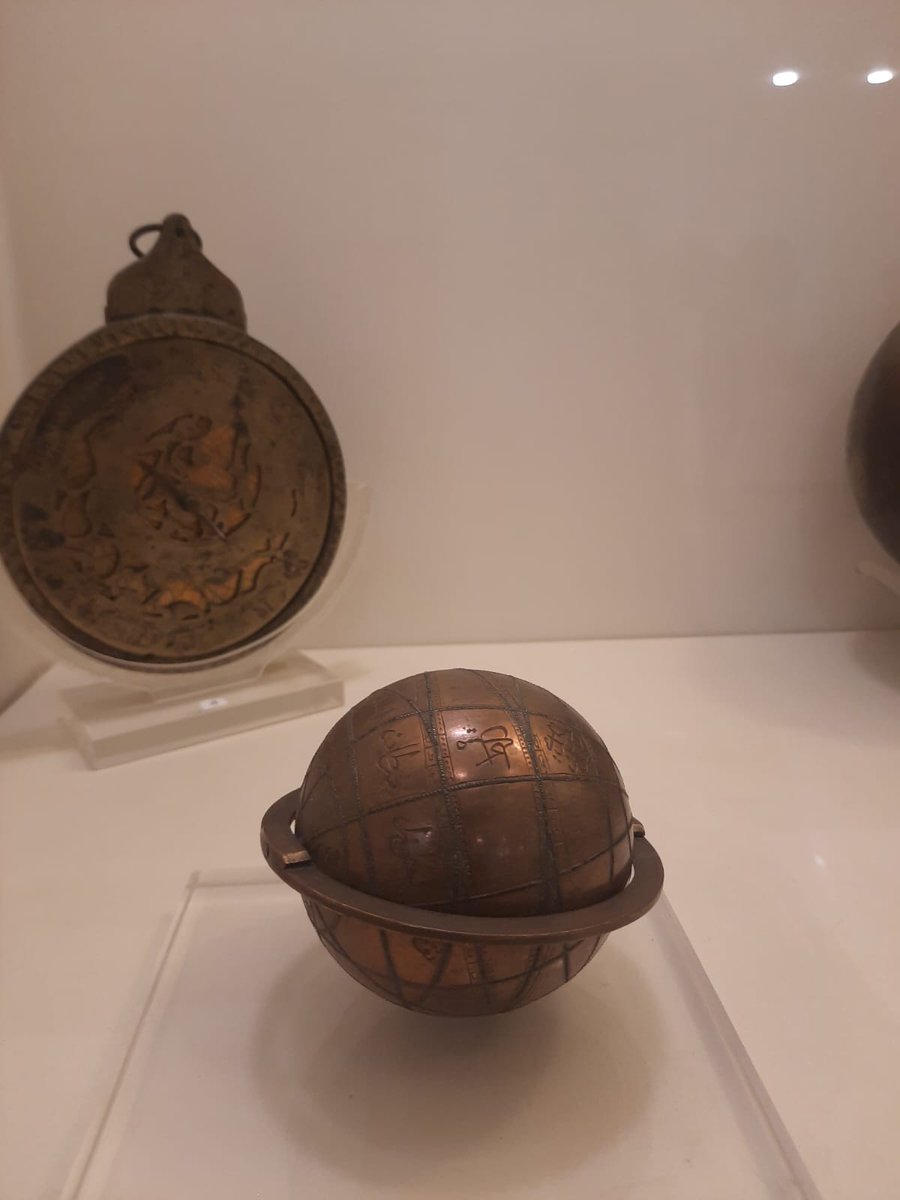
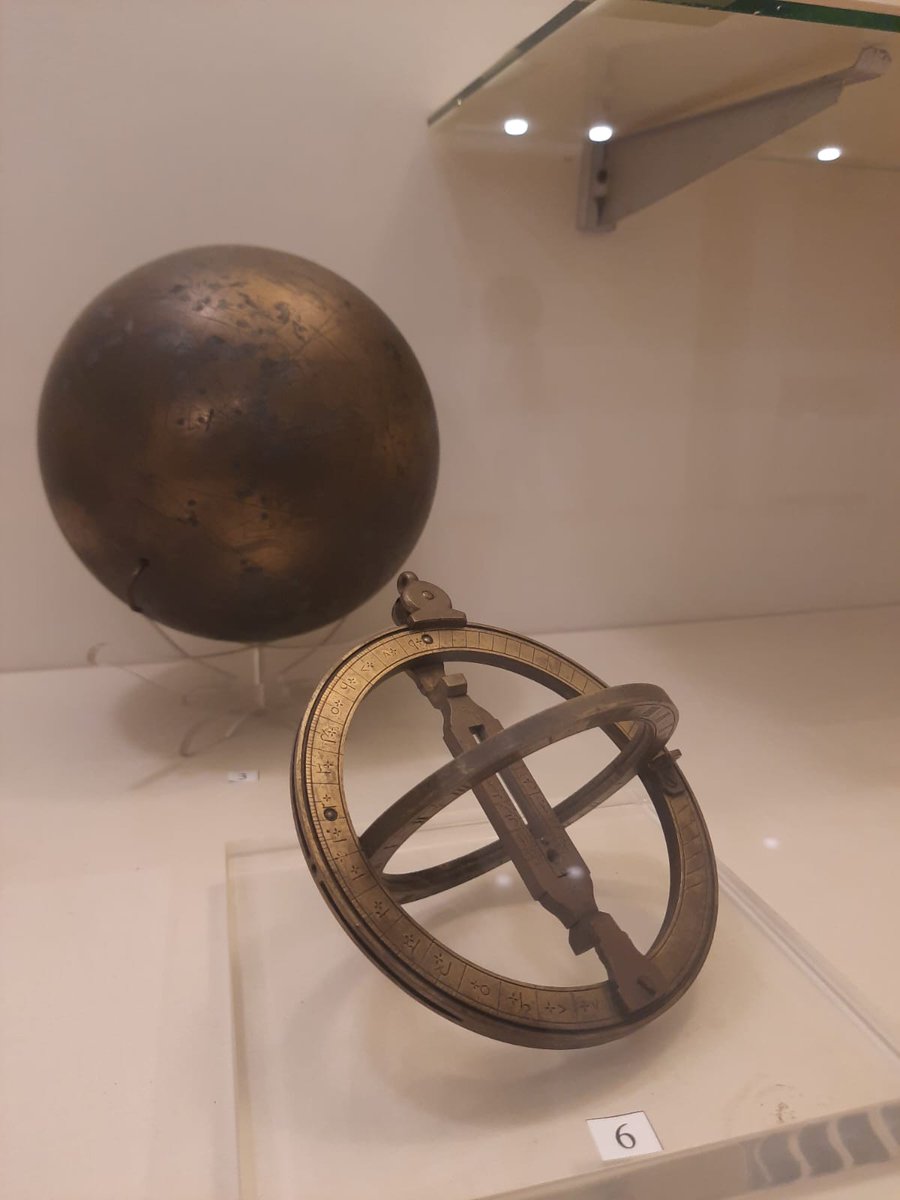
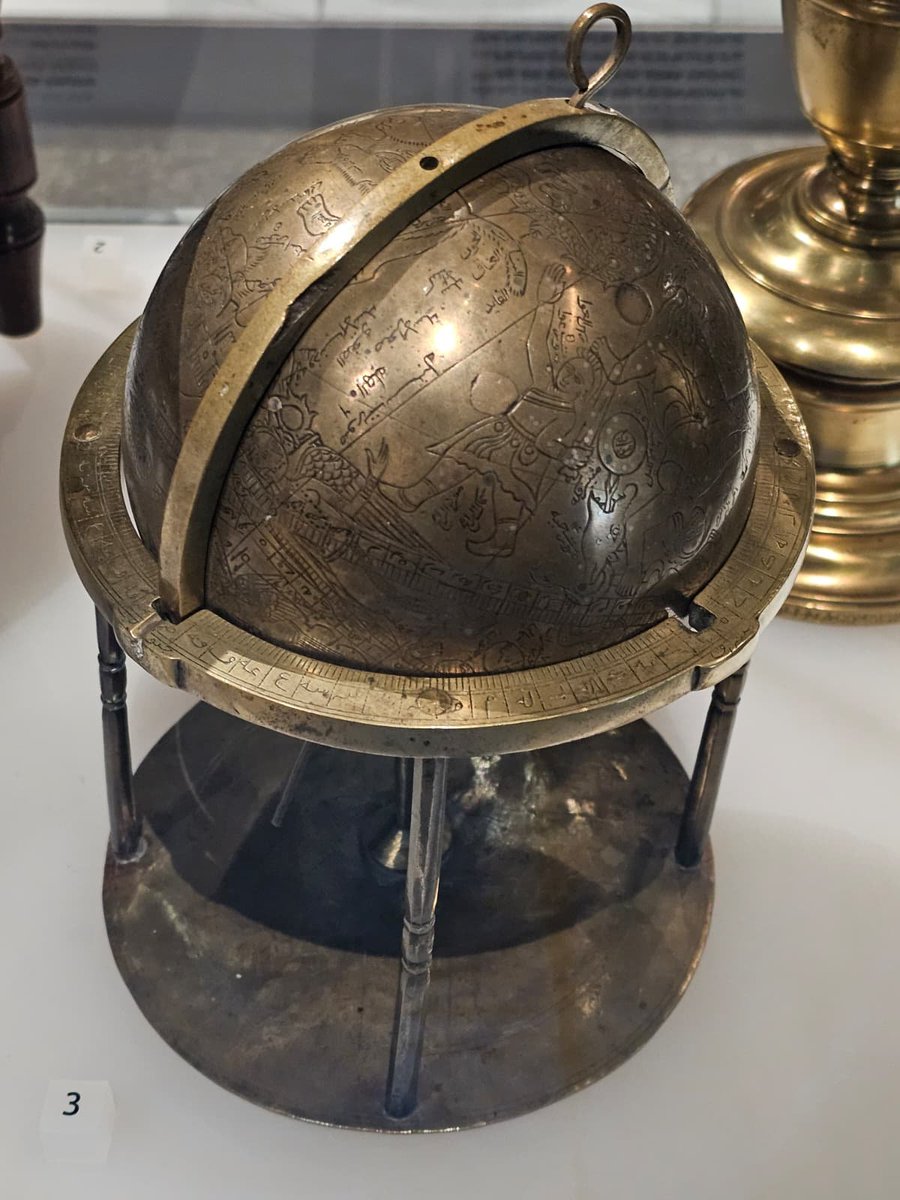
Been writing an article on Islamic astronomy and got fascinated by abjad numbers. During a family visit to the National Museum of Scotland, I spotted this Indo-Persian celestial globe with abjad numerals around its radial disk—so cool to see ideas come alive as real artefacts!
It makes one wonder whether Pak merely became a piece of land that the elites sought to control, all the sacrifices and bloodshed forgotten. Somehow, in all these years, the sacrifices are remembered by the (subjected) people, but not by the rulers. Never by the rulers.
6/6
I feel like Jinnah was the last man who truly cared about Pakistan and its people. Nobody really carried forward his vision with the sincerity that he had, no civilian government, no dictatorship, not even close.
1/
(Ibid., p. 63; Zafar Iqbal, “Pakistan’s Press and Politics in the First Decade (1947–58): An Analysis in Structural-Functionalist Perspective,” Journal of Political Studies, Lahore, Vol. XVII (2010), p. 114.)
5/
Modern academic: “I hope the person who wrote the article I’m responding to gets my subtle dig in footnote 17”
19th century academic: “…here I respond to my enemies, impotent of body and feeble of mind”
When did endnotes instead of footnotes become the overwhelming norm in academic publishing? I don't want to keep flipping back and forth between what I'm reading and the end of the book. I want to see the references at the bottom of the page.