Interested in the formation of river rapids by debris flows that occur during atmospheric rivers? Come see Kyra Baird’s poster tomorrow! She is an @sfu undergrad at @agu for the first time. https://t.co/kZAxKTrekU @SFUResearch@SFUENV@LandslideSalmon@KyraBaird_#AGU23
In 2018, the Big Bar landslide blocked the Fraser River and put salmon at risk. @SFUEVSC researchers are part of a project looking at how landslides threaten salmon and what can be done to prevent future disasters. Read more at: https://t.co/PeOytZxV5W
On November 15, 2021, an atmospheric river caused landslides throughout the Fraser Canyon, inducing transportation chaos. A new rapid has emerged in the river at the base the Lambsview Canyon slide, causing a new barrier to #Fraser#salmon's travel home to spawn. @DFO_Pacific
Last day of #AGU2021! Check out my virtual poster ‘EP55A-1070: Covariation in Width and Depth in Bedrock Rivers’. Click the link to view my poster online and join the virtual chat if you have any questions/comments 💬 https://t.co/bw2MN2amKr
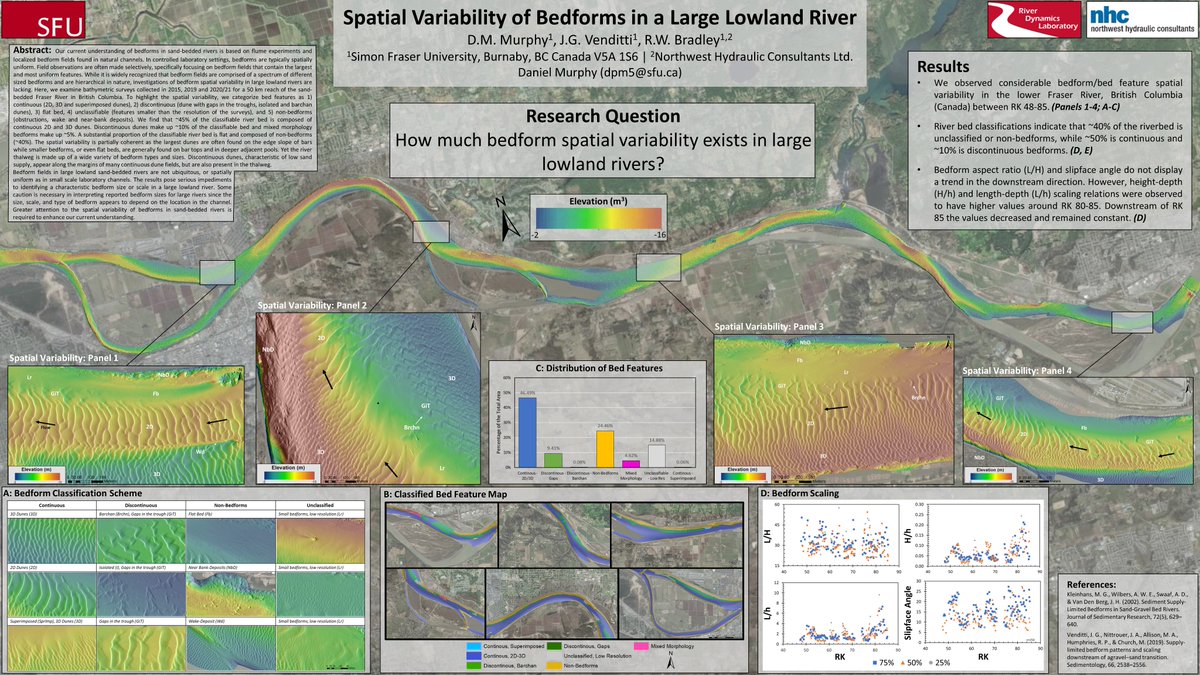
If anyone is interested feel free to check out my #AGU2021 (virutal) poster 'EP55A-1079: Spatial Variability of Bedforms in a Large Lowland River'. I will be hanging around virtually for a few hours this afternoon if anyone has any questions or would like to chat for a bit.
New eyes on an old problem - review paper out on gravel-sand transitions and the grain size gap in river bed sediments (free link for 50 days): https://t.co/u6YvwDP4sq
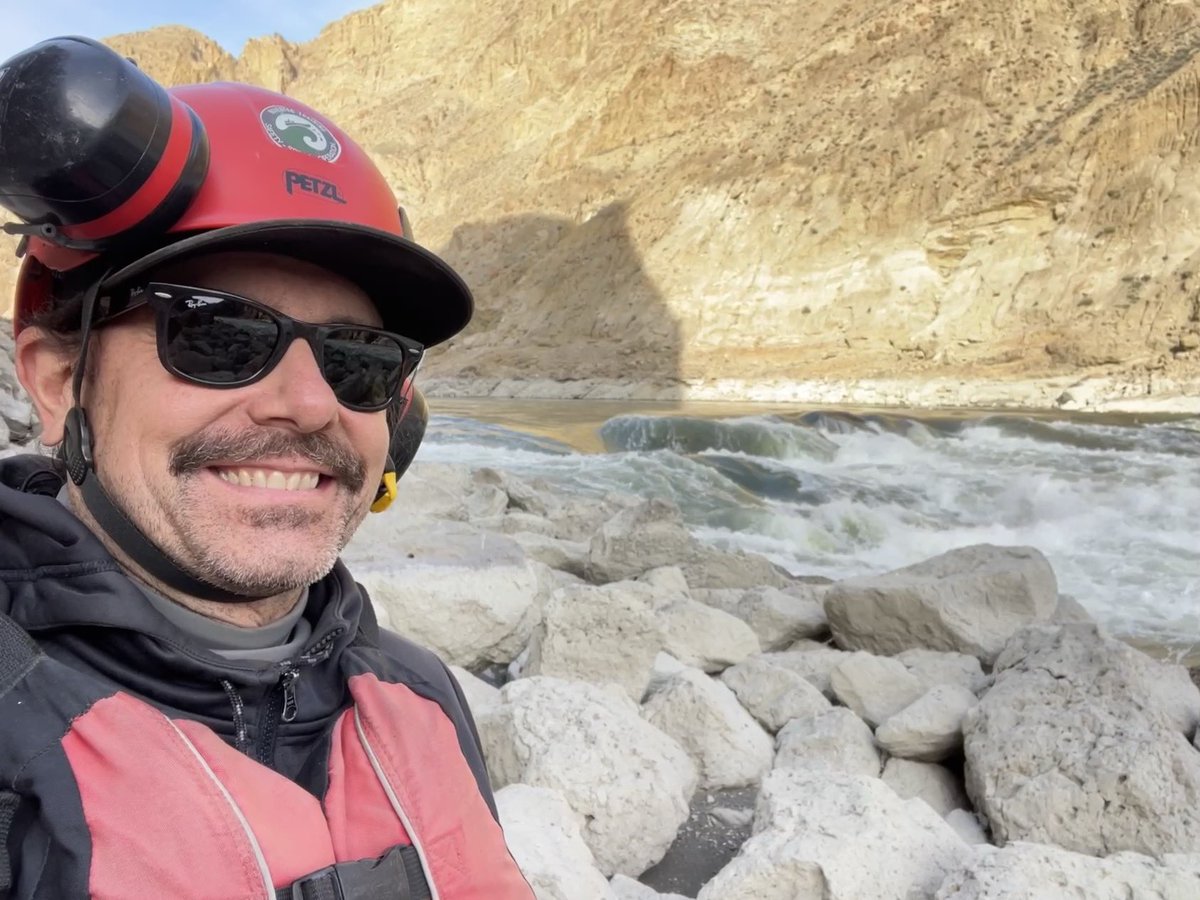
It was pretty soul cleansing to get out in the field last week in the Fraser River (big thanks to @BSG_Geomorph for the ECR funding!) - looking forward to getting stuck into the data later in the year during my new position in @GeogDurham!
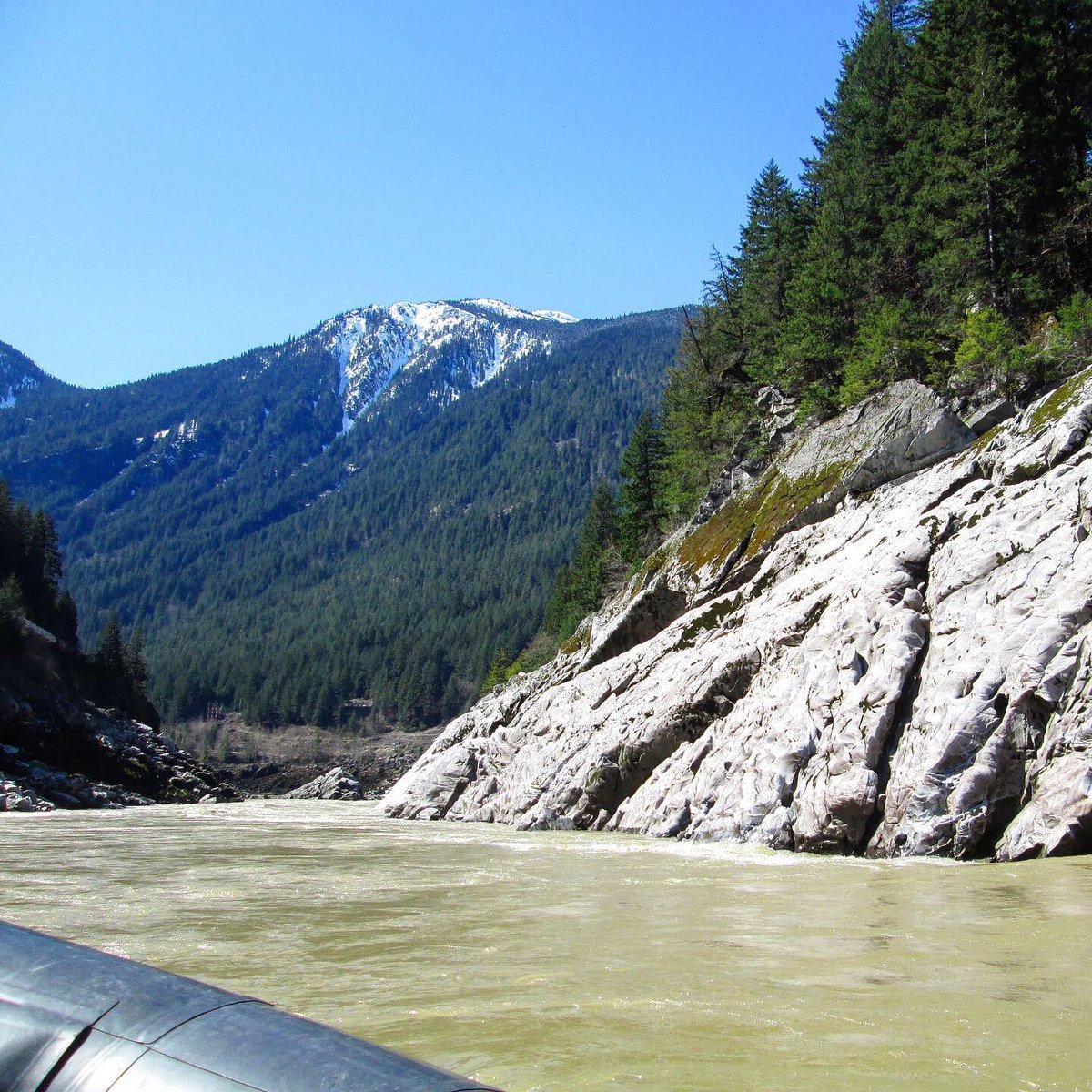
The beautiful Alexandra Canyon (located on everyone’s favourite river: The Fraser!) Just a fun reminder that, despite how it may feel now, there is more in the world than our computer screens and zoom meetings 💻 Hoping to see this view again soon!
I wrote a thing! Have been thinking a lot about how the #forestfiresmoke we are breathing now brings us closer to understanding how #oceanacidification may feel for marine life. Thanks to the @thenarwhalca for supporting and publishing my work! https://t.co/G3dawDSgAE
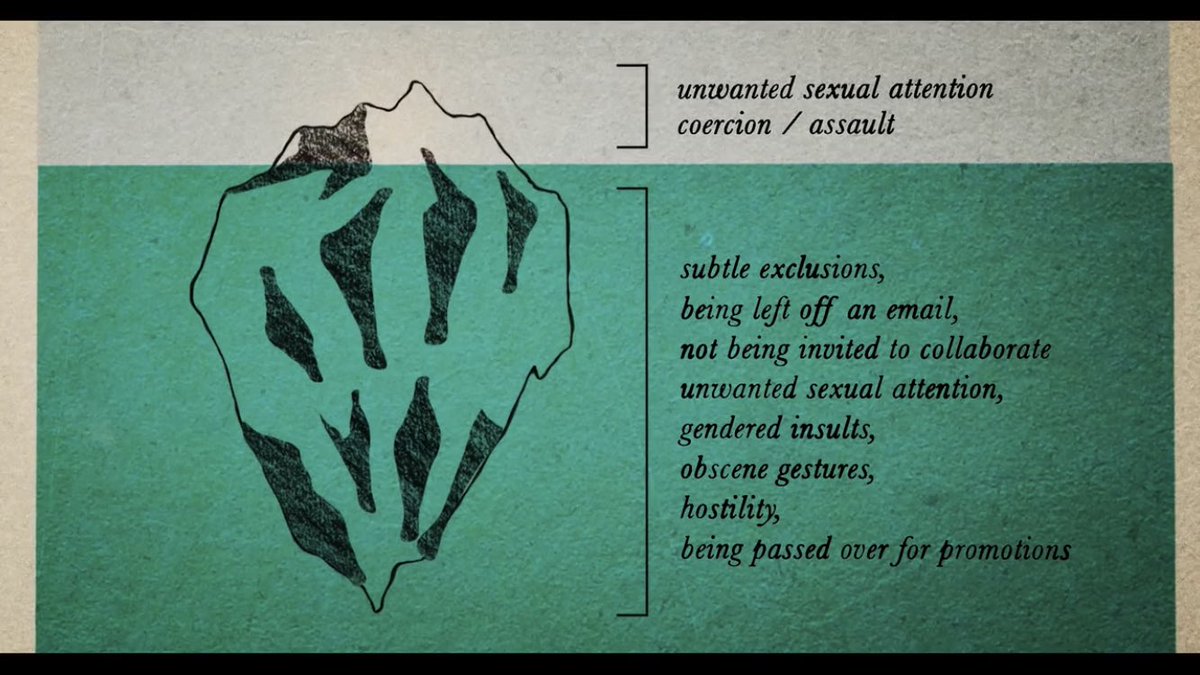
A screen shot from the #PictureAScientist movie. This is what female scientists in academia experience (especially what’s under the tip of the iceberg). Such experiences have shaped too much of my scientific career, and if we don’t talk about it, we all feel that it’s just us.
Online classes have begun! Which means tutorial session that consist of people popping in to ask one question and then leaving me to sit alone on zoom for half an hour... yay
A study concludes that overly technical language in science articles doesn’t just muddy the waters for non-experts — it can alienate readers, potentially shutting them out from scientific discussion and knowledge. https://t.co/JDuNF5zLdt