OK - Naval History may not be up everyone's alley, so periodically I'll post links to articles or biographies which the non-anoraks might find interesting, and in so doing I'll surreptitiously try to lure them in.....
In May 1798, the ever-impetuous Captain Sir Richard Strachan’s immoderate reaction to a perceived snub from the French commandant at Le Havre saw his frigate carried into the River Seine and placed at peril from the enemy’s batteries and gunboats.
https://t.co/SH9Le9PvAL
A protégé of famed frigate captain Sir Edward Pellew, the fearless Captain Jeremiah Coghlan (1775-1844) performed astonishing feats of bravery throughout his career as he rose to become a post captain. #Cork
https://t.co/1CU3RplSXo
Captain Sir John Collins (c1734-94) saw extensive service throughout the American Revolutionary War, and near the end was knighted for his capture of a French ship of the line. He died at sea in the early stages of the French Revolutionary War.
https://t.co/v9bOf8p2Gv
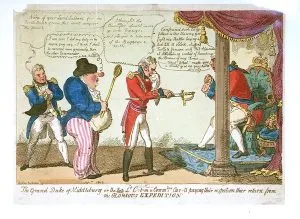
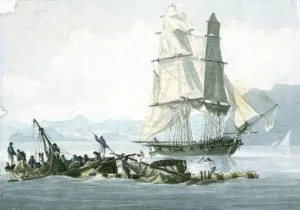
In June 1798, the British frigate Seahorse easily captured the weaker French frigate Sensible in the Mediterranean, and revealed the first clear intelligence about the destination of General Bonaparte's huge expedition that had set out from Toulon.
https://t.co/C2o7Mnjem8
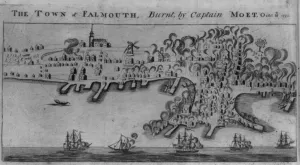
Captain Henry Mowat (1734-98) was an officer with an unparalleled knowledge of the New England coast as a result of a decade of survey work. He later became a key participant in the opening moves of the American Revolutionary War.
https://t.co/AbclMjbKZA
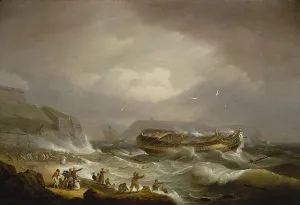
The brilliant Captain Josias Rogers (1755-95) survived being taken prisoner 3 times in the American Revolutionary War and performed outstanding service in the early years of the French Revolutionary War before losing his life to yellow fever. #lymington
https://t.co/rXj2RQHM8n
From a notable naval family, Rear-Admiral Joseph Peyton (1750-1816) of Wakehurst Place in Sussex was far less successful than his father and brothers; instead, he became renowned for a notorious affair and a lack of financial probity. @wakehurstplace
https://t.co/l7l8SRKRGx
My favourite Lord St. Vincent anecdote - When a new arrival to his fleet came riddled with fever due to poor hygiene, St. Vincent devised a novel punishment to remind the officers of their responsibilities towards the men’s welfare.
https://t.co/nVf4DwcVo4
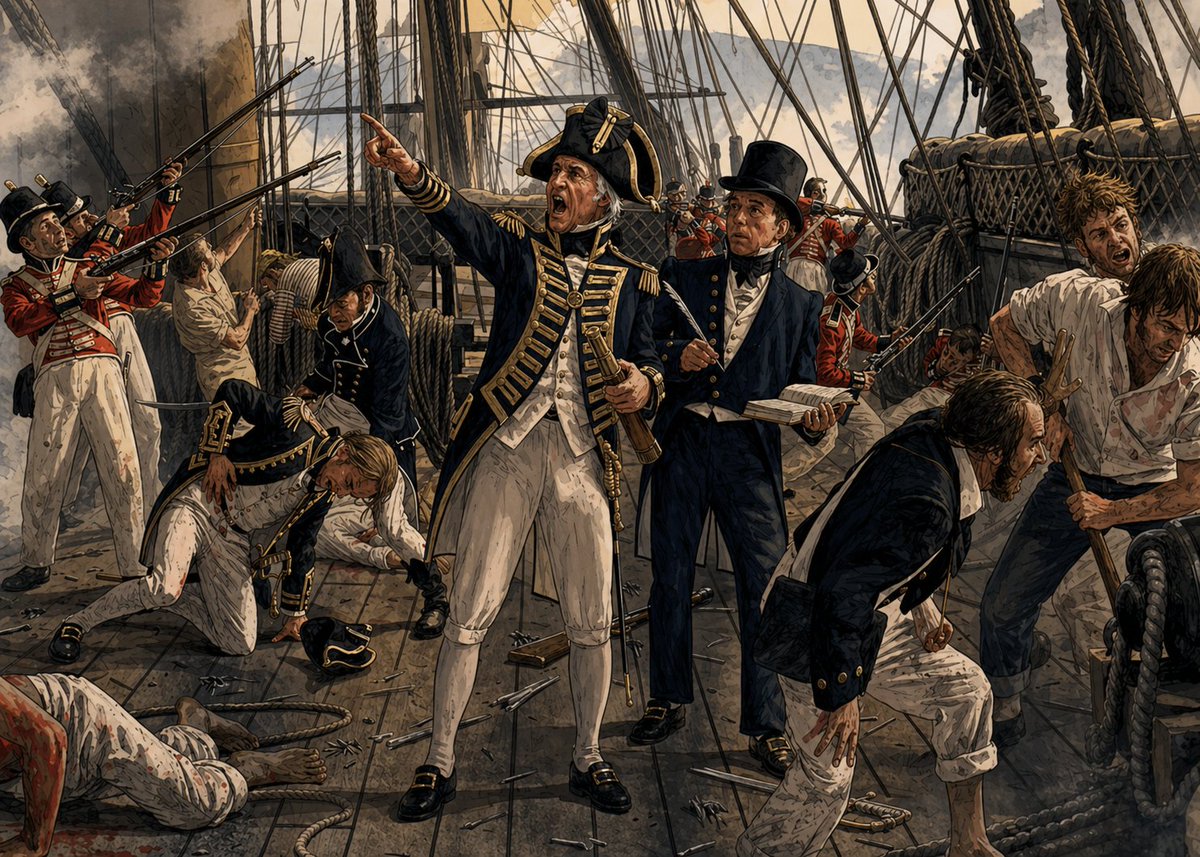
Just generated with ChatGPT, this image looks almost perfect to me. Especially the uniform details, which ChatGPT was very bad at reproducing a few times ago. Very bad. I am honestly Impressed.
Born to a humble Irish family from County Kerry, after rejecting the priesthood, Sylverius Moriarty (1735-1809) suffered capture, fever and shipwreck in the American Revolutionary War before retiring to Cork as an admiral in the British Navy. #cork
https://t.co/xreObytju6
In May 1798 a mis-matched engagement between the British frigate Hydra 38 and the French frigate Confiante 36 saw the latter driven ashore – she was later burned under fire by the Hydra’s lieutenants.
https://t.co/KKv2I23jL4
One of 3 brothers who became admirals, John Osborn (c1749-1820) had to wait until his 40's before being posted captain. His subsequent service was almost exclusively in East Indian waters, and he retired ashore in the early years of the Napoleonic War.
https://t.co/FgZ2T2bwwE