Investment & Data Nerd. Behavioral finance meets personal growth with a goal of better thinking and decision making. Opinions are my own, not investment advice.
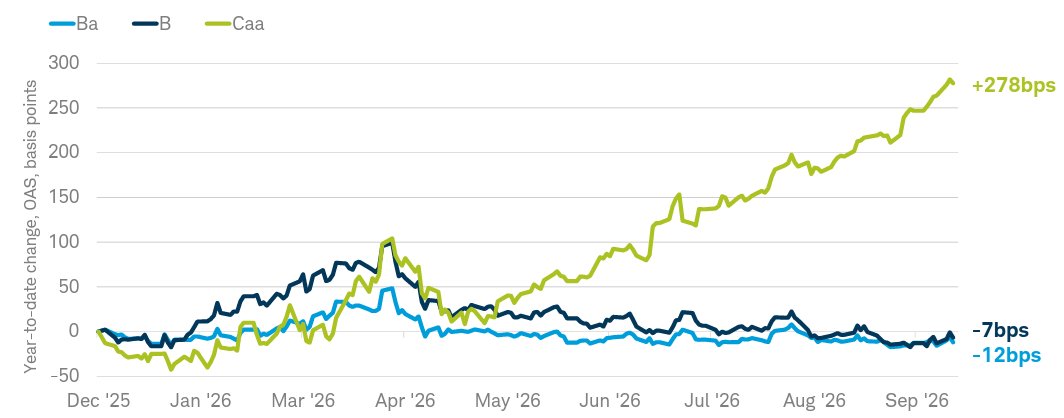
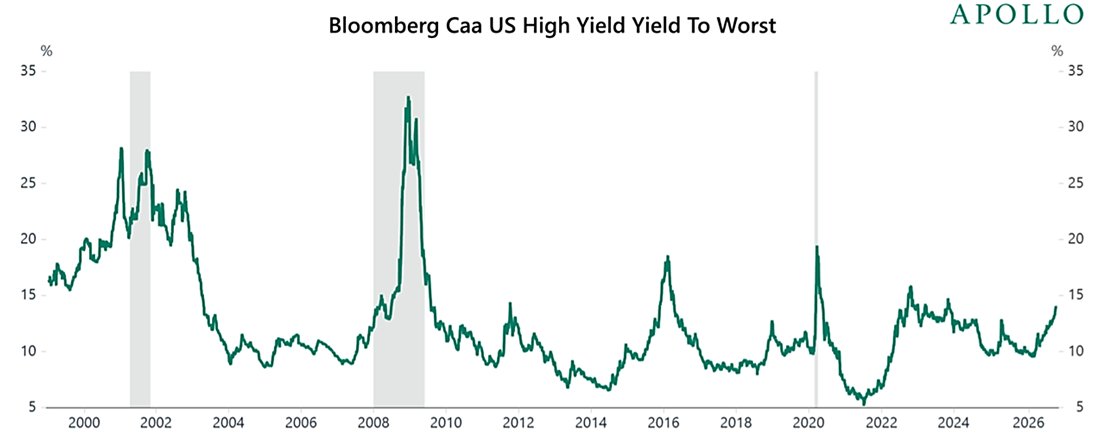
Yields on the riskiest junk bonds (Caa rated) are spiking sharply. That means companies at the bottom of the credit ladder face much higher borrowing costs, a sign stress is building in speculative credit markets.
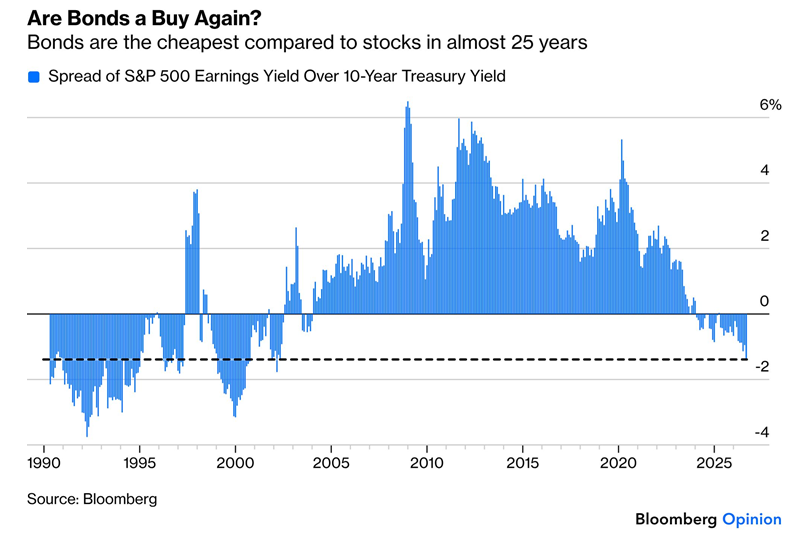
When you compare S&P 500 earnings yield to 10-year Treasury yields, Treasuries look the cheapest this century. But cheap assets tend to get cheaper at first, so caution before chasing “value” there.
Yields on the riskiest bonds are marching higher again, nowhere near 2000 or 2008 crisis extremes, but closing in on levels seen during the 2022 sell-off. Credit stress signals are flashing, but not yet screaming.
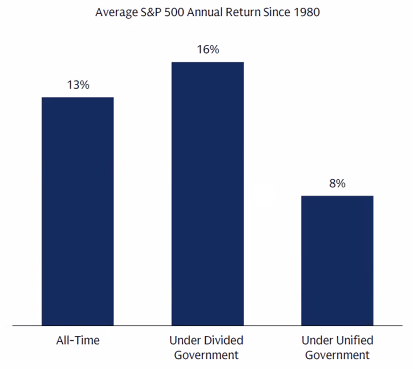
Markets historically deliver better returns during periods of split government control between Democrats and Republicans. Divided Washington might actually reduce policy risk and boost market confidence.
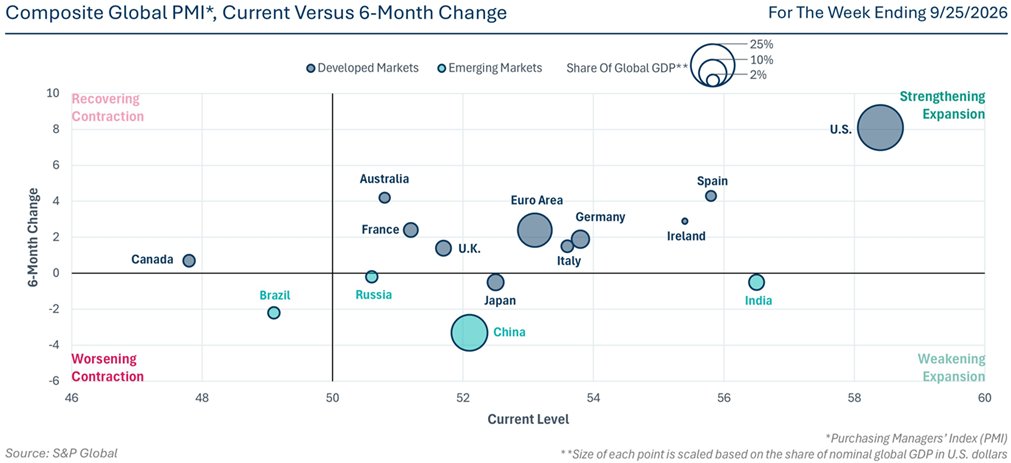
The U.S. economy’s growth, both in level and momentum, is in a league of its own globally. This resilience could shape markets and policy debates for some time.
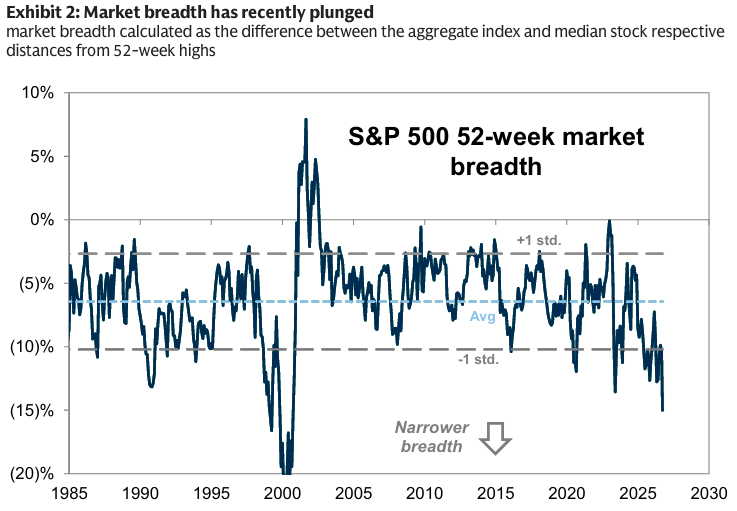
The S&P 500 is just 1% below its record high, but the median S&P stock trades 16% below its 52-week high. The typical stock is much weaker than the headline index suggests, market strength is masking significant internal weakness.
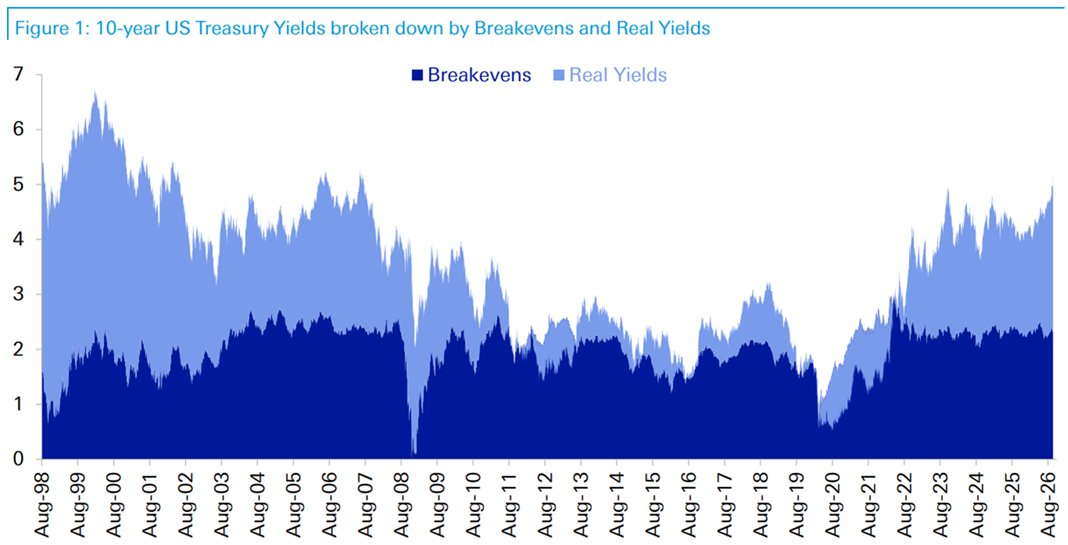
The real yield (light blue), that’s nominal yield minus expected inflation, is at its highest since the early 2000s. Not a call to rush in, but definitely a fresh angle on bond appeal worth watching.
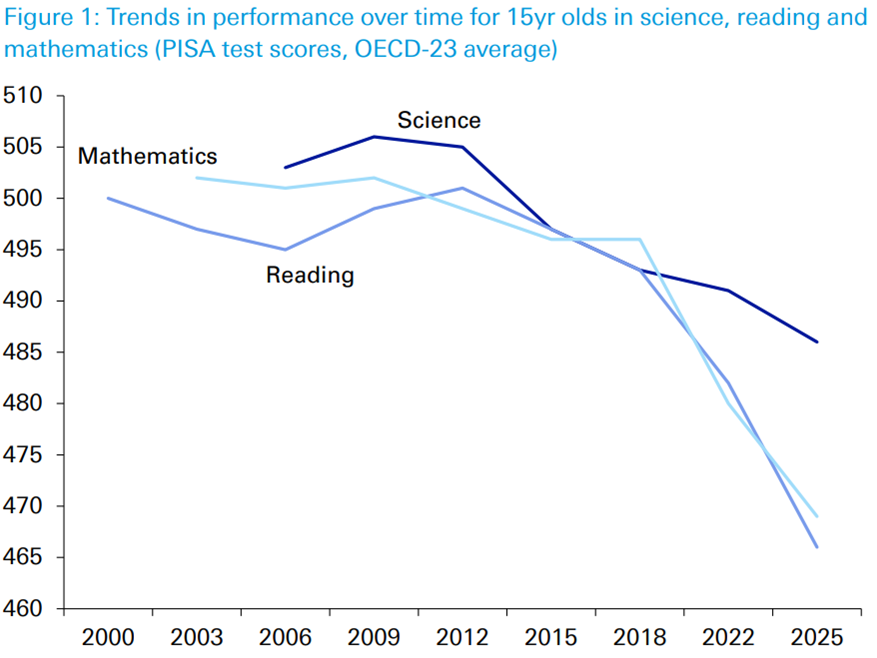
Blaming social media (or soon AI) for distractions is easy. But maybe parents should just look in the mirror. The tools are everywhere, it’s up to adults to regulate access.