In July 2025, the UK Government published the long-awaited NHS 10-year plan for England.
In a Viewpoint, authors identify key obstacles to implementing the plan & propose actions to improve implementation: https://t.co/2coup7eN0a
In July 2025, the UK Government published the long-awaited NHS 10-year plan for England.
In a new Viewpoint, authors identify key obstacles to implementing the plan & propose actions to improve implementation: https://t.co/p92y4Bbxov
Today's #MondayRead from @LancetMicrobe introduces the Swiss cheese model of antimicrobial resistance (#AMR), showing how successive imperfect layers of defence, when aligned effectively, can reduce risk and prevent system failure.
🔍 The model visualises 15 codependent layers across:
🔹 One Health contexts (human, animal, plant and environmental health),
🔹 Targeted interventions (#WASH, #IPC, stewardship, diagnostics, awareness)
🔹 Resource allocation (investment, workforce, innovation).
📢 The message is clear: Without sustained investment, strategic communication, and coordinated action, AMR will continue to threaten public health, undermine modern medicine, and impose substantial economic costs.
🧀 “When holes align, multiple system failures occur at once.” Coordinated, multisectoral responses are not optional; they are essential.
📄 Read the full paper here: https://t.co/T7Xe2O0plb
#AMR #OneHealth #HealthSystems #Stewardship #Diagnostics #GlobalHealth #MondayRead #Surveillance
🎉 Huge congratulations to Professor Lilie Chouliaraki on receiving the International Communication Association's (@icahdq) Outstanding Book Award for her timely book Wronged: The Weaponization of Victimhood, at #ICA25 this past weekend.
📌Our LSE Health Annual Lecture with @MichaelMarmot, Director of @marmotihe is just two weeks away!
‘Social Justice and Health Equity'
📅 Monday 17 March, 6:30pm- 8:00pm
ℹ️ Find out more https://t.co/XTiEbVnh5Z
📍LSE Campus & Online, register: https://t.co/o4hI7d2ukq
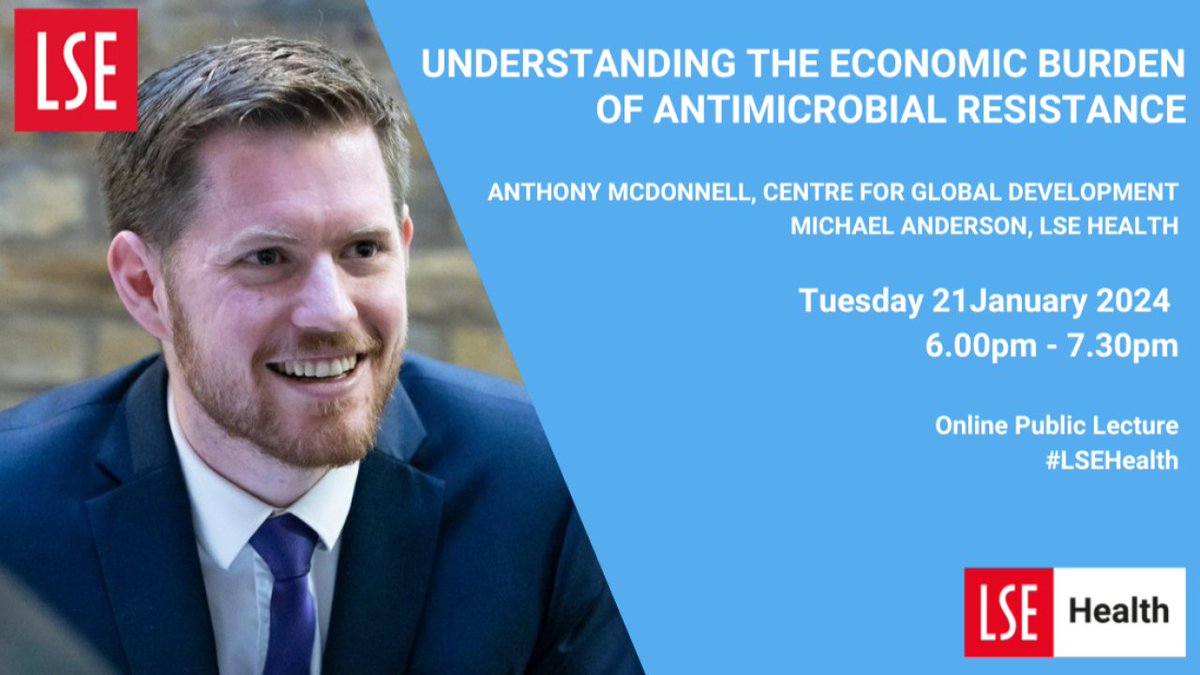
📌Don’t forget to register for LSE Health's online lecture with Anthony McDonnell, Policy Fellow @CGDev.
‘Understanding the economic burden of antimicrobial resistance'
ℹ️➡️Find out more: https://t.co/RgiFnw2XK8
📍Register to attend online here: https://t.co/18Ogf3UU1a
What is human metapneumovirus #HMPV – the pathogen currently in the news coming from China?
It’s a fairly common respiratory virus that usually causes relatively mild symptoms like cough, fever, nasal congestion and wheezing.
Severe cases, however, can lead to pneumonia, especially in infants, the elderly or those with underlying conditions.
It spreads through droplets, close contact or contaminated surfaces.
Currently, there's no specific antiviral therapy to treat HMPV and no vaccine to prevent it.
Simple infection control measures – applicable to a range of respiratory diseases, from the common cold and influenza to #COVID19 and HMPV - can prevent spread and reduce risk:
☑️Stay home when ill and wear masks in crowded or poorly ventilated spaces.
☑️Cover coughs and sneezes with a tissue or bent elbow.
☑️Wash hands and clean surfaces regularly.
Stay informed. Stay safe.
2/
Wow! Brilliant reflection on Wronged in @EJCS_Journal.@kat_hig 🙏
Wronged opens new ways of thinking about the centrality of pain in political life, while inviting us to meet the challenge of reclaiming victimhood to build a more just, less painful world.
https://t.co/yTlQSn3QrS
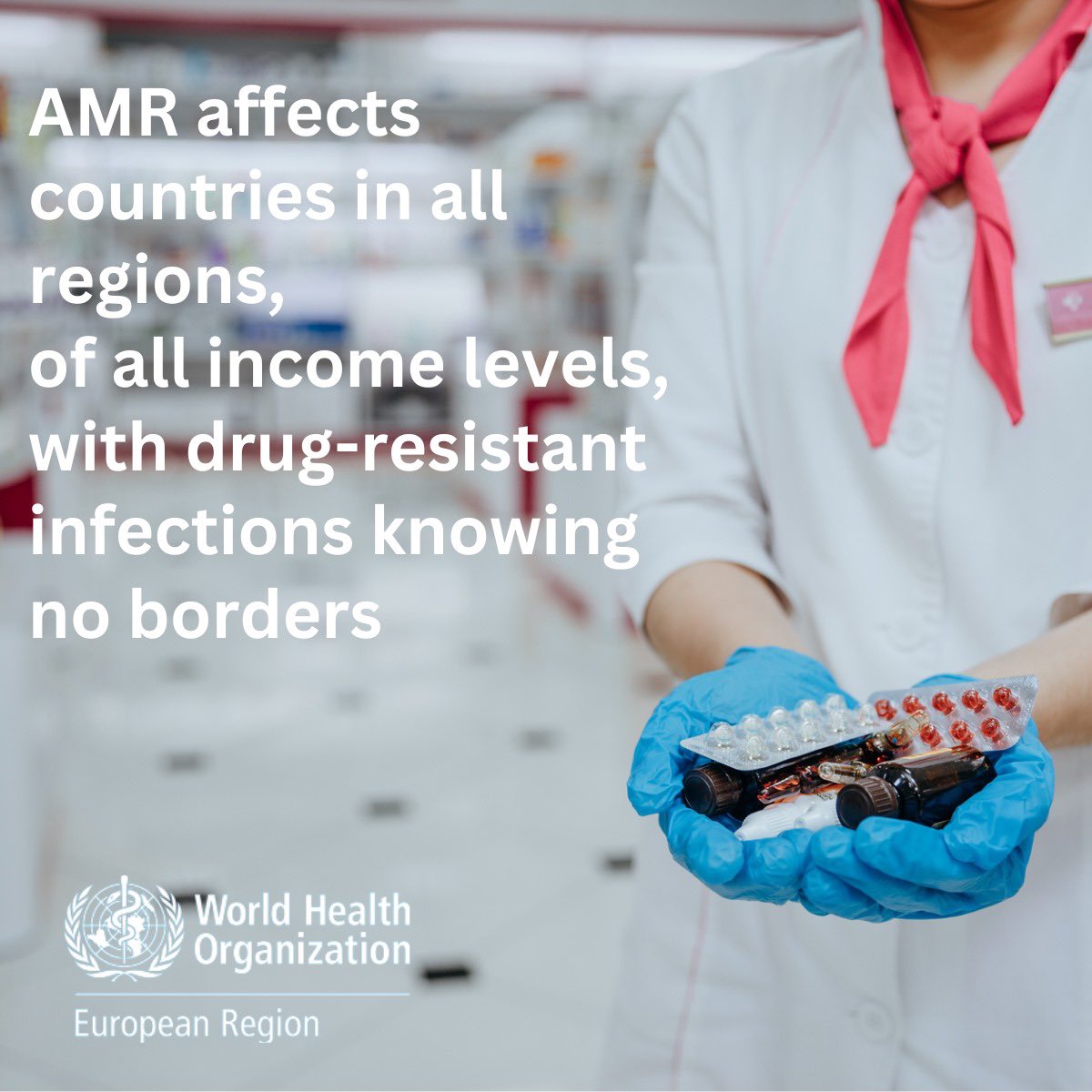
Antimicrobial resistance #AMR is one of the top global health threats of our time, potentially reversing significant medical breakthroughs of the past century.
Following the mandate from our Member States, we are developing and piloting the first AMR Accountability Index, together with @LSEHealthPolicy. The aim is to pilot the Index in Europe and Central Asia from 2026.
Targets are a highly valuable tool in our response to AMR. They provide clear, measurable objectives that focus efforts and resources on key areas.
Targets can motivate stakeholders, including governments, healthcare providers and organizations, to prioritize AMR as a critical public health issue.
Read our commentary here https://t.co/TdeFySDJSB
Delighted by this review of “Wronged” at @LSEReviewBooks
“Chouliaraki’s book offers a powerful and nuanced analysis of how victimhood is politicised in contemporary society” https://t.co/Xg992gv3XR
Another awesome thread from one of our super community of authors!
See below @robinvankessel's synopsis of this paper describing the policies that contribute to the regulatory landscape for #ArtificialIntelligence in health within the EU.
https://t.co/kcfxiCBcUi
Full thread quoted below...
In her book "Wronged," the scholar Lilie Chouliaraki argues that the practice of claiming harm has become the rhetorical province of the powerful. She asks readers to turn to a basic yet hard-to-solve question, @lilyjmeyer writes: Who is vulnerable? https://t.co/fhUlUcIHB5
“Two-tier Kier” is reverse victimisation, a classic far-right strategy of communication, @kat_hig and I argue in this @LSEBPP blog post on the recent U.K. riots 👇
Watch Lilie Chouliaraki (@chouliaraki_l), author of WRONGED, present her book within the context of abortion rights in America @LSENews. WRONGED reveals why claims of victimization are so effective at reinforcing inequalities of class, gender, and race. https://t.co/M5zqG0nLL2
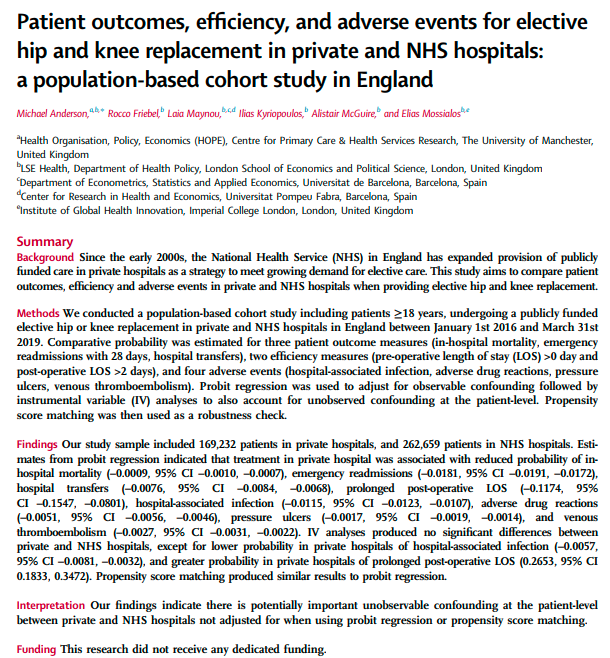
New paper by Michael Anderson & colleagues.
It suggests that previous evidence indicating that private hospitals provide a higher quality of care compared to NHS hospitals may potentially overlook unobserved confounding at the patient-level.
https://t.co/A70CQmjAl5
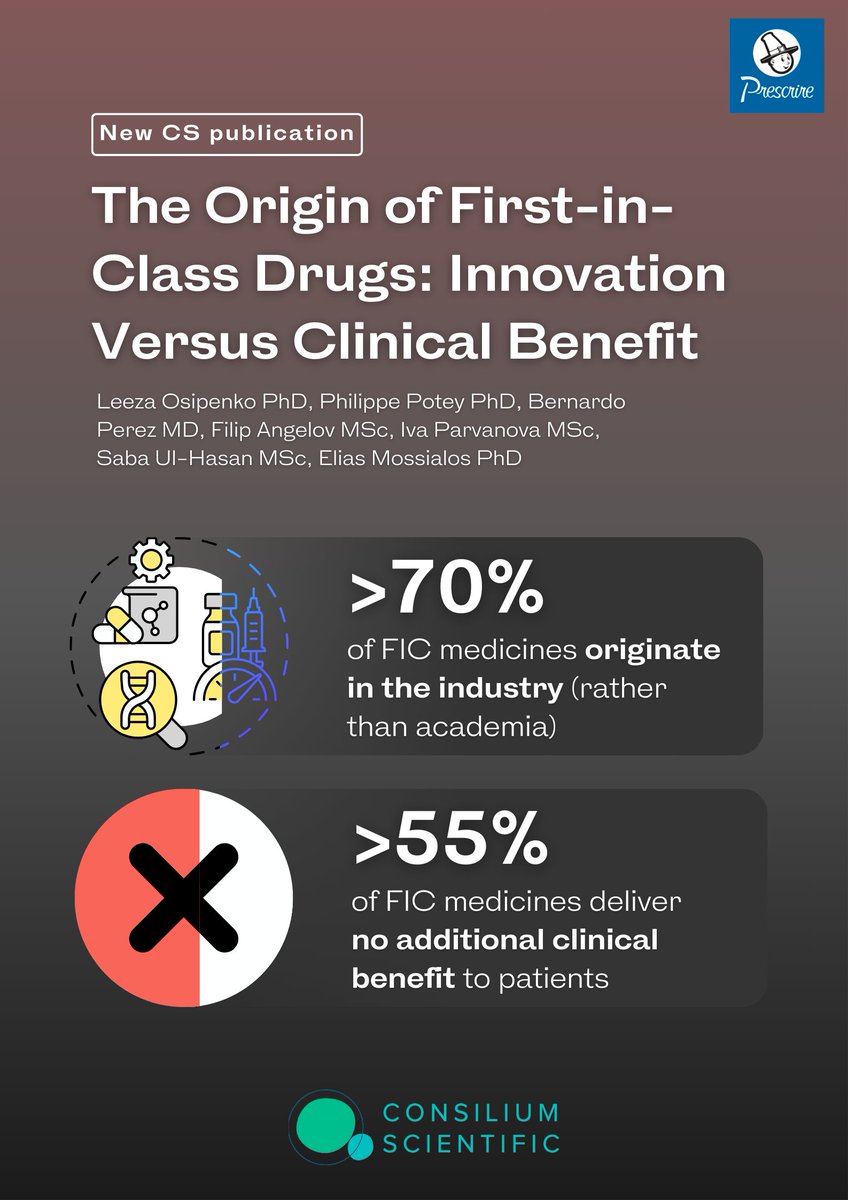
🆕Dr Leeza Osipenko @consiliumsci, @IvaParvanova01, Professor @MOSSIALOS & colleagues' new paper analyses the origin & clinical benefits of first-in-class drugs.
🔗Read more about their findings here ➡ https://t.co/qMSz2992Ia
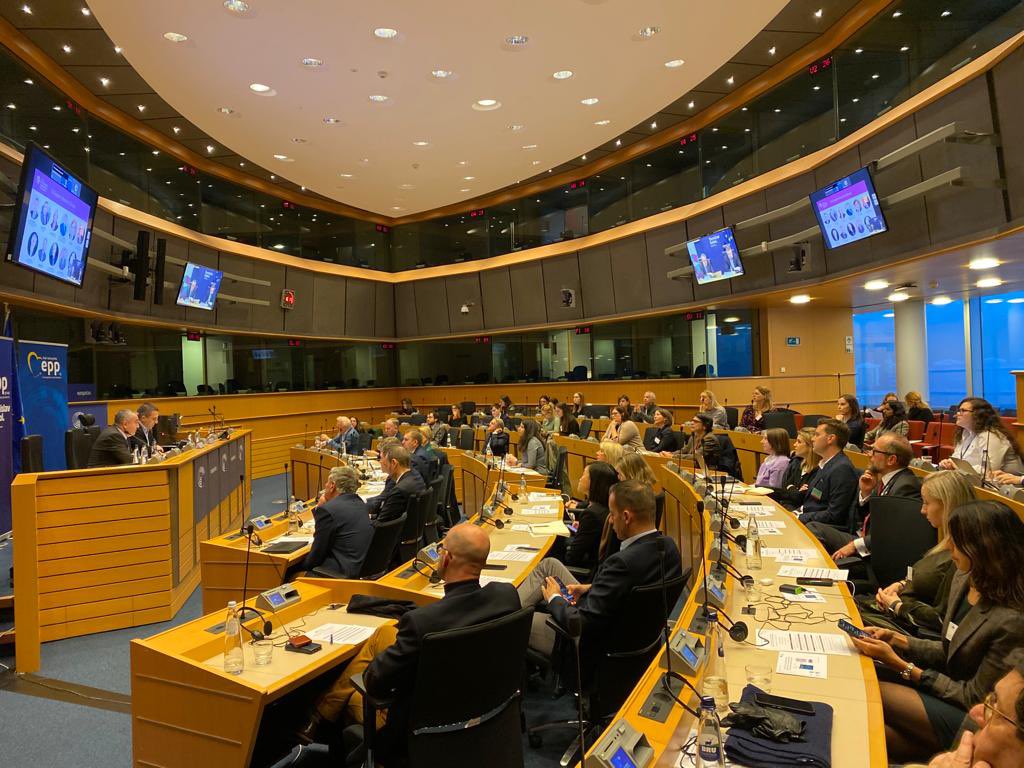
As #PHSSR EU Expert Advisory Group co-chair, I hosted an event in @EuroParl_EN, where we launched report dedicated to key policy recommendations on prevention&early detection of #NCDs in 🇪🇺. I want to thank co-chair @MOSSIALOS and other experts for their invaluable contributions.