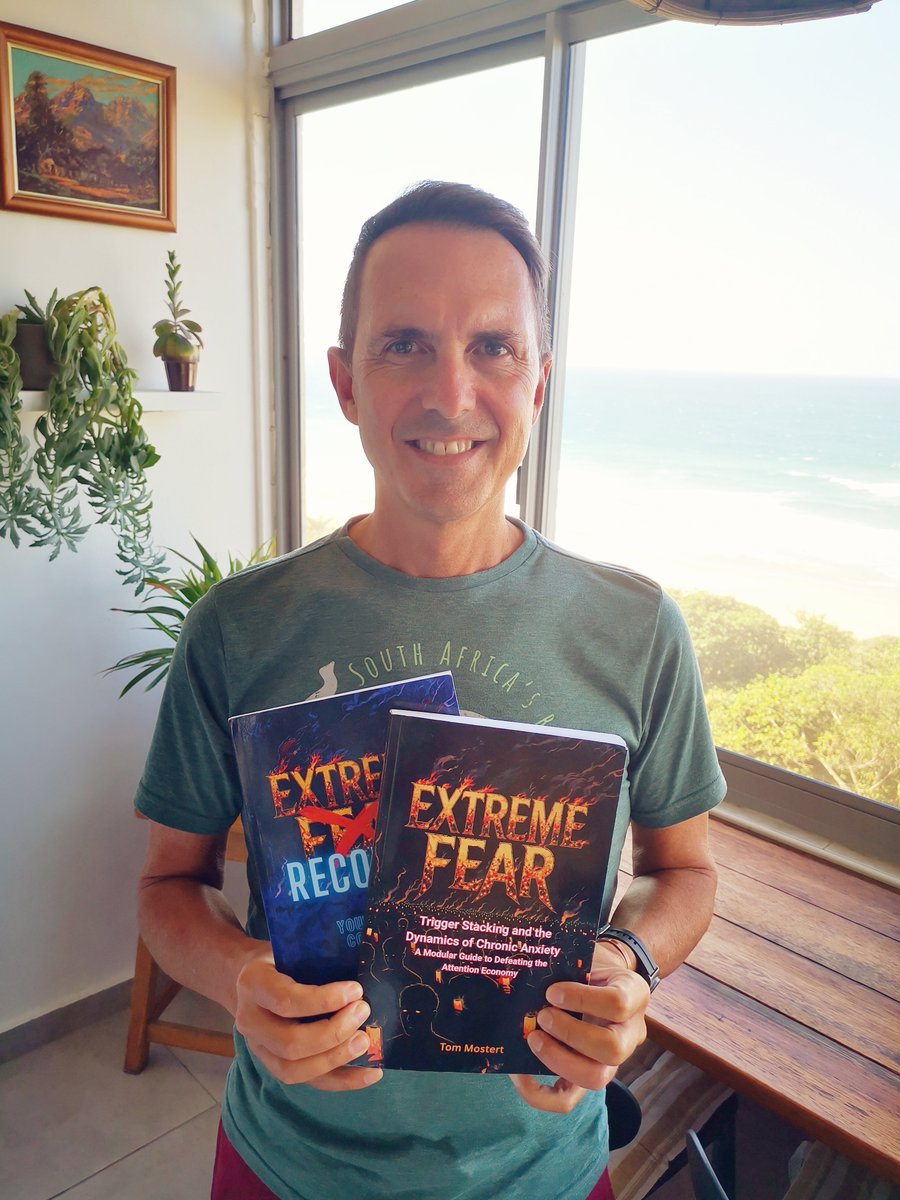
@atlanticdms The attention economy is real and affecting us all in some way or another. This has really helped me break the cycle of mental enslavement and chronic anxiety. I'm genuinely happy now.
@atlanticdms The attention economy is real and affecting us all in some way or another. This has really helped me break the cycle of mental enslavement and chronic anxiety. I'm genuinely happy now.
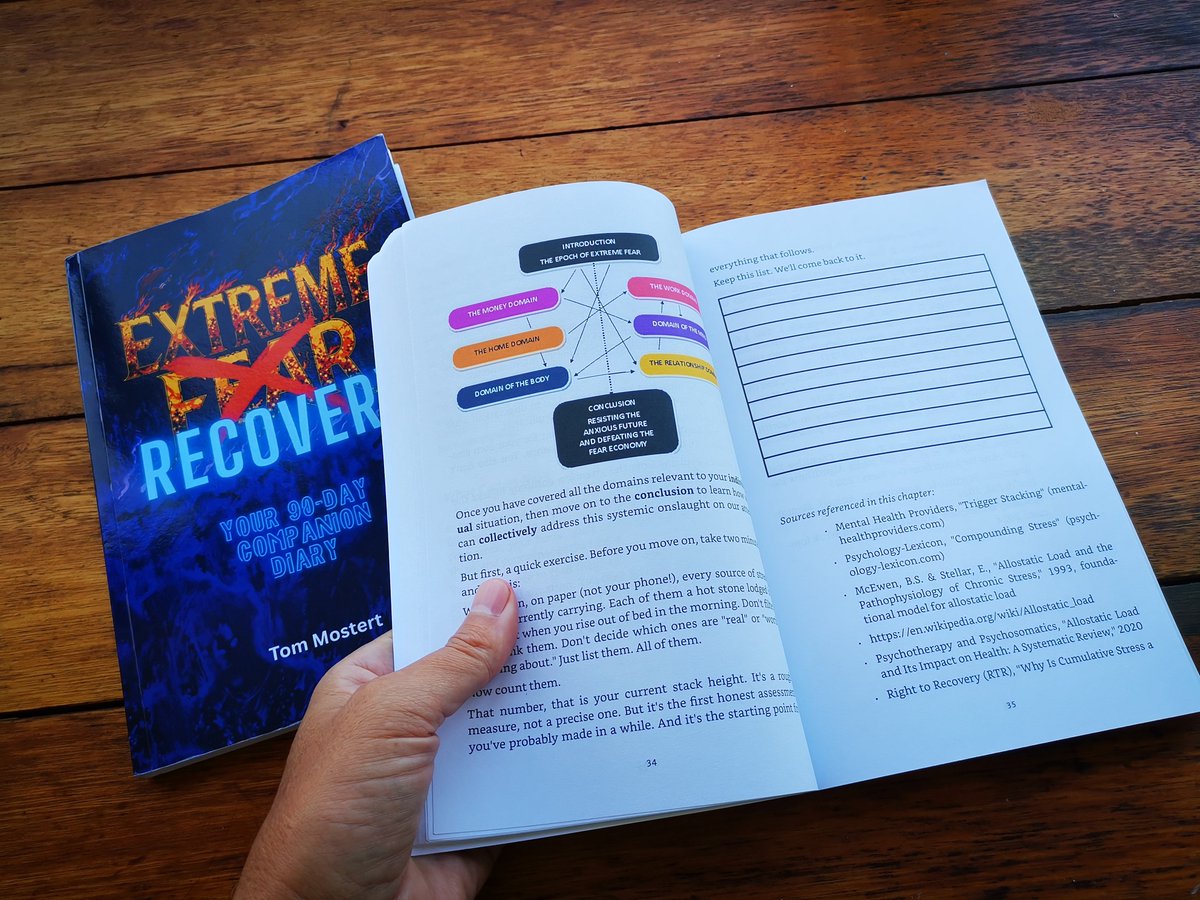
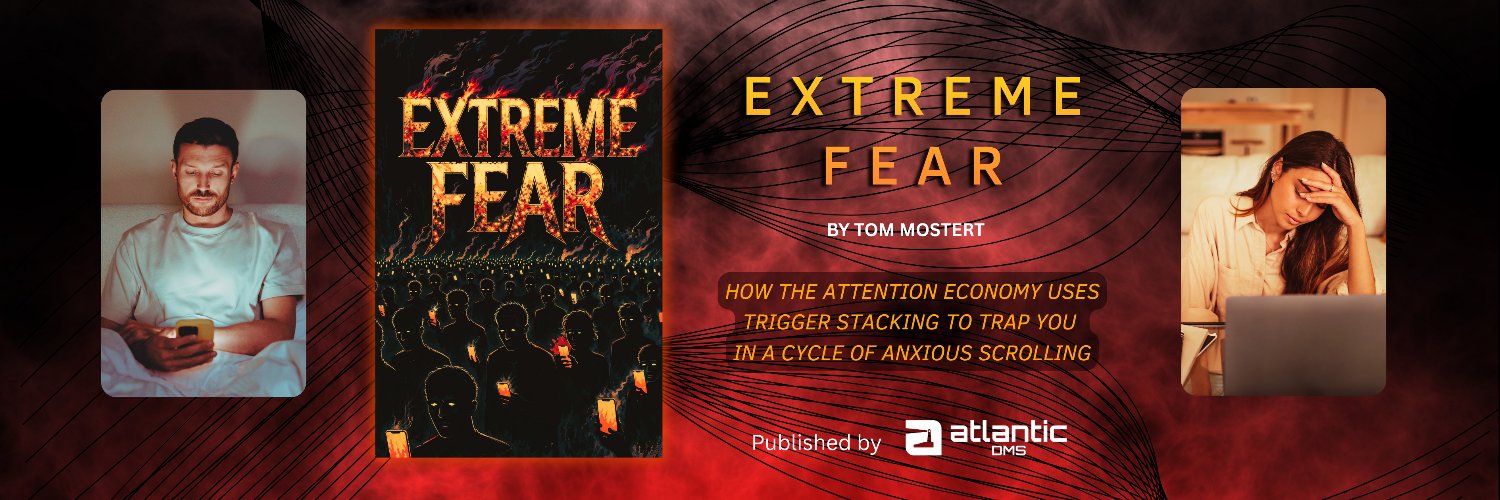
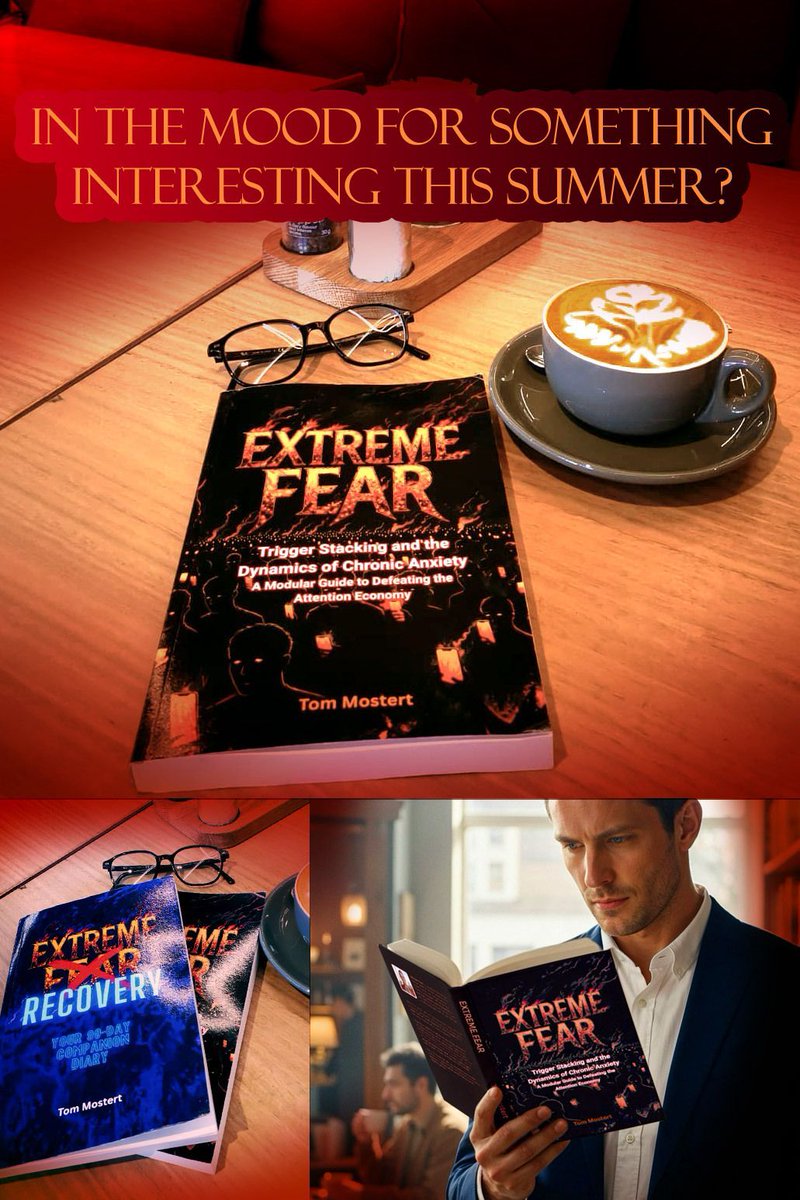
EXTREME FEAR - Trigger Stacking and the Dynamics of Chronic Anxiety
A Modular Guide to Defeating the Attention Economy.
How the media is using fear, envy and rage to extract profits from you.
The Book: https://t.co/FuvBEoPVm3
The Recovery Diary: https://t.co/X5MpU6ORyv
Humans are super prejudiced against machine minds:
A group of sociologists have studied how much more value humans assign to other humans – in blood and flesh – versus, hypothetically, the same mind but run on computer hardware rather than a biological brain. Across five preregistered studies involving more than 2000 people, participants were asked to imagine exact digital copies of humans and pigs with the same thoughts, memories, pleasures and capacity for pain as their biological originals. When forced to choose, the participants favoured protecting one biological human over about 1,000 digital humans, and one biological pig over 1,000 digital pigs.
The researchers call this bias “substratism”. Stronger substratism also predicted giving less money to charity dedicated to welfare of sentient AI. The effect showed little or no relationship with racism, sexism or several other established prejudices.
Social Security is a Ponzi scheme with one feature Bernie Madoff never had: the federal government will send armed men to your home if you refuse to participate.
Every working American pays 12.4% of wages into a system that holds zero assets on their behalf. The Social Security Trust Fund owns Treasury IOUs, meaning the government owes money to itself. When you pay in today, Congress spends that money immediately on current retirees and general expenditures. Your "account" is a political promise, enforced by statute, backed by nothing except the Treasury's capacity to tax future workers. Charles Ponzi ran the same structure in 1920 and went to federal prison for it. The difference is purely jurisdictional.
Free market economists succintly explained how this unravels. A pay-as-you-go system requires an expanding base of workers to fund a growing pool of retirees. In 1950, 16 workers supported each Social Security beneficiary. By 2024, that ratio sat at 2.7 workers per beneficiary, and the Social Security Administration's own actuaries project the combined trust funds reach insolvency by 2033. At that point, the law mandates automatic benefit cuts of roughly 21%. The math is not ambiguous. The program has been consuming its own structural foundation for decades.
You were never given a choice. No opt-out exists. Attempt to withhold your payroll tax and the IRS assesses penalties, levies your bank account, and ultimately prosecutes you. The moral weight of that coercion tends to disappear beneath softer language about "contributions" and "entitlements," but the underlying mechanism is identical to any other government extraction: comply or face force. Calling the payroll tax a contribution is calling a mugging a voluntary wealth transfer.
The cruelest part is what the coercion actually costs you. A 25-year-old earning $60,000 today who redirected their 12.4% payroll tax into a simple index fund over a 40-year career would retire with approximately $1.4 million in real assets, not a political promise subject to congressional revision every budget cycle. Instead, Congress gets the capital, allocates it to current political priorities, and hands you a benefit formula that the same Congress retains the legal authority to cut at any time. The Supreme Court confirmed in Fleming v. Nestor (1960) that you hold no contractual right to Social Security benefits whatsoever.
They built a mandatory retirement system where you own nothing, control nothing, and are protected by nothing except the goodwill of the people spending your money.
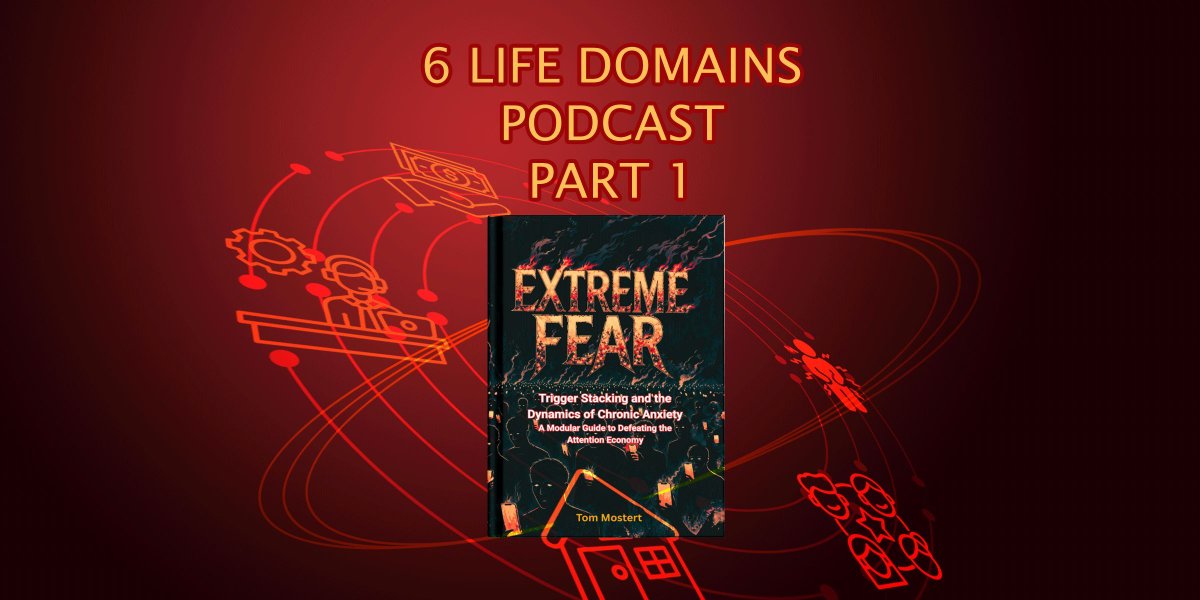
Did you miss the 3-PART PODCAST SERIES explaining the 6 Life Domains of the #ExtremeFearBook?
You can now view ALL THREE EPISODES back to back here:
https://t.co/Zf3MYUwoHU
Glass is a true "permanent material"—it can be recycled indefinitely (100% closed-loop) without any loss in quality, purity, or performance. Unlike most materials, its chemical structure remains unchanged through repeated melting and reforming, allowing old bottles and jars to become brand-new high-quality containers forever.
This stands in stark contrast to plastic, which is far cheaper for companies to produce and transport (lighter weight means lower shipping costs, and raw material/energy inputs are generally lower). Yet this short-term savings comes at a steep environmental price: we're degrading ecosystems, landfills, and oceans to cut a few cents per unit.
Glass offers genuine sustainability advantages when recycled properly:
• Using cullet (recycled glass fragments) replaces virgin raw materials (sand, soda ash, limestone)—one tonne of cullet saves about 1.2 tonnes of new resources.
• It slashes energy use dramatically: every 10% increase in cullet reduces furnace energy needs by ~2.5–3%, and melting 100% cullet can cut energy by up to ~40% compared to virgin production.
• CO₂ emissions drop significantly—studies show ~580–670 kg saved per tonne of recycled glass (cradle-to-cradle), with up to 58–60% reduction when using high cullet percentages.
• Fewer raw material extractions mean less mining impact and habitat disruption.
The key to unlocking glass's full potential is clean, color-sorted collection. Mixed colors or contamination (from curbside debris, ceramics, or other recyclables) often downgrades glass to lower-value uses like fiberglass insulation or road aggregate instead of bottle-to-bottle recycling. Proper sorting—by color and purity—keeps it in the premium loop.
By improving recycling habits (rinsing containers, separating by color where possible, and supporting deposit-return systems), we can maximize glass's role in a true circular economy. It's one of the few packaging options that genuinely protects resources long-term—let's not sacrifice it for cheaper, disposable alternatives that harm the planet.
A taste of PART 3 of the PODCAST SERIES - THE 6 LIFE DOMAINS.
From the gripping #ExtremeFearBook
The full PART 3 video will go live today!
Watch PART 2 via this link:
https://t.co/8AQM25RAha
Watch PART 1 via this link:
https://t.co/AEI0ODCLdC
"Nothing is so permanent as a temporary government program." - Milton Friedman
Income tax was a temporary wartime measure in 1913. The IRS turns 112 this year and shows no sign of packing up. Friedman wasn't joking.
This should be another cautionary tale. The fate of humanity is in the hands of a handful of gamblers with a god-complex. They are cutting corners on safety to beat the competition in a race for profits and military contracts. What could possibly go wrong?
The #ExtremeFearBook PODCAST SERIES - THE 6 LIFE DOMAINS - PART 2 is ready to view on YouTube.
Here's another snipet of this engaging podcast discussion.
Watch the full video podcast via this link:
https://t.co/ADlfYlbycf
@coinbureau If I were @Ledger I would question why you are using an image of their device in a FUD article about "USB device" risk of wallet hacking. This implies that #Ledger hardware wallet devices are at risk of this hack. Are they?
Another clip from PART 2 of the 3-part #ExtremeFearBook podcast series.
The full length video podcast will be dropping TOMORROW!
Enjoy this short teaser from the next episode...
Here is the last taster of the new 3-Part Podcast - The Six Domains - based on the #ExtremeFearBook. Part 2 coming soon!
Watch the entire Part 1 here:
https://t.co/pPRymwz6YY