The evolutionary path that brought us to butterflies is intriguing. Moths originated 300 million years ago and diversified with a little help from a fungus and bacterium. Then...
Scientists lay out what we do & don’t yet know about moths and butterflies: https://t.co/Ka6z8NrVpm
Mother wolf spider (Lycosidae) hunting on a geometrid moth (Nemoria sp.) while carrying her babies (immature spiderlings) on the back of her abdomen.
From Ocala National Forest, Florida, US~
This is what the famous blue spots of the Leopard Moth (Zeuzera pyrina) look like when magnified. What appears as simple black dots to the naked eye reveals itself as these striking, deep blue structures under the macro lens. The intense blue shimmer is one of the reasons this species is called „Blausieb“ in German, literally meaning „blue sieve.“
This video of a tardigrade ambling around a volvox algae colony was captured at 20x magnification by Penny Fenton and placed fourth in Nikon's Small World In Motion competition in 2025. See more winners: https://t.co/MxzQr5ry0j
My main PhD work @MonteiroLab is now in @NatureEcoEvo! We found a Hox gene promoter that helps butterflies🦋adjust their wing eyespots in response to seasonal temperatures🍃🍂, shedding light on the evolutionary origin of phenotypic plasticity. 1/9
https://t.co/RNEIWgJk7j
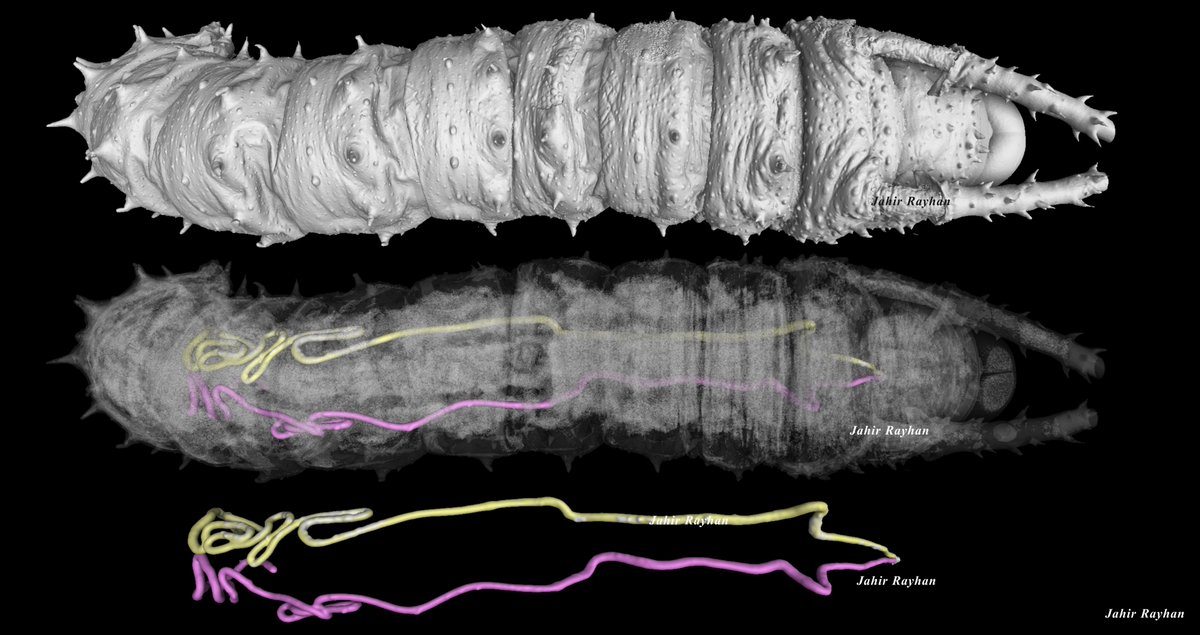
Excited to have presented our research on the evolutionary diversification of silk glands in Bombycoidea at the 3rd Annual Research Symposium hosted by the UF/IFAS School of Natural Resources and Environment!
It's nature where one's leftover becomes another’s shelter!
A Cladonia lichen growing on a discarded male pupal case of Abbot's bagworm moth (Oiketicus abbotii).
From Gainesville, Florida.
📢In our new paper, we found that diurnal moths have larger hearing organs! And it is not allometric to their body size!
Using 3D micro CT imaging, we asked how different predation pressure shape the morphology of
ultrasound receiving organs
Read more: https://t.co/PV8crOuEJq
All these Brunia gibonica (Černý, 2009) were caught on the same screen, same night; yet their apical black markings range from bold to nearly gone.
Driven by Climate? or Host plants? It’s fascinating to see how much variation exists in a single species.
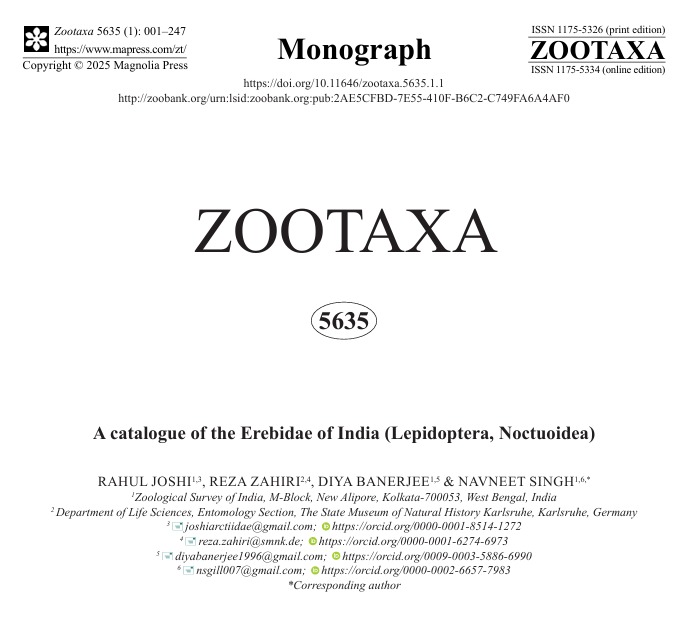
A Milestone for Moth Diversity in India!
Young & dynamic scientists of ZSI have made a remarkable contribution to Taxonomy with the publication of a comprehensive Catalogue of the Erebidae moth family in the journal of Zootaxa.
#ZSI#MothDiversity#IndianFauna#Lepidoptera
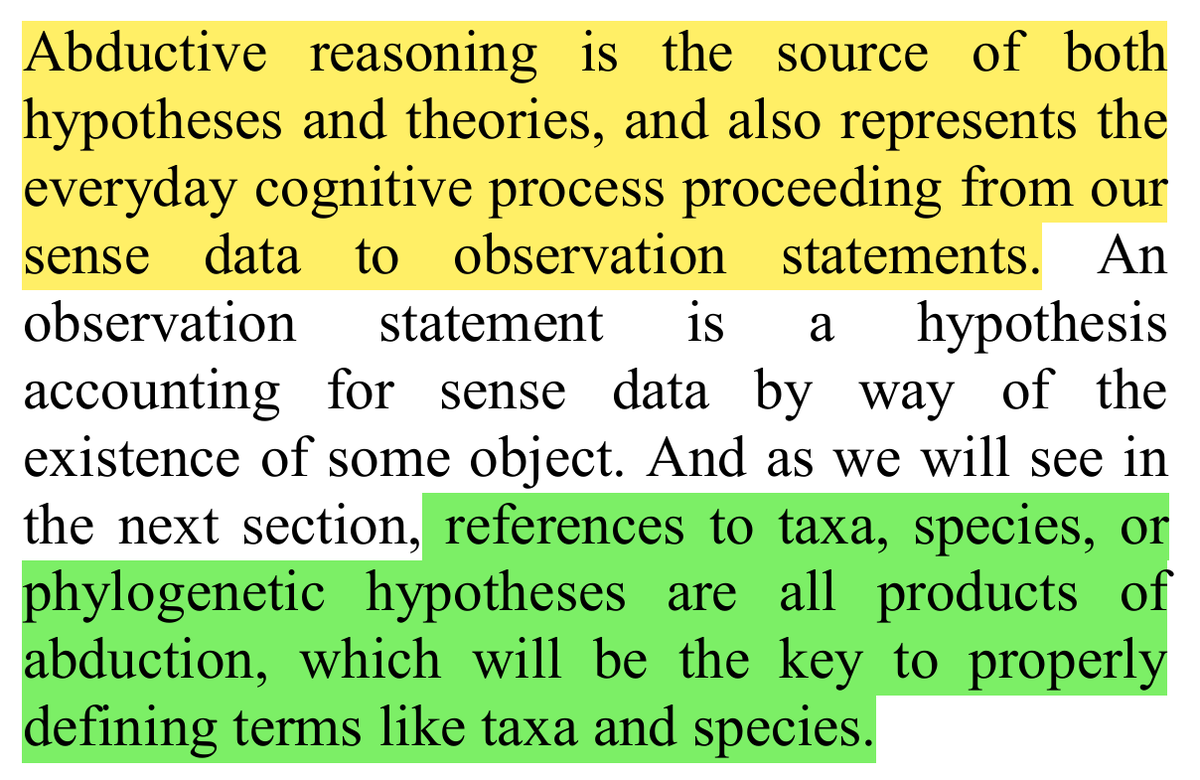
'What are species?' has long lacked a scientific consensus due to a narrow focus on this single taxon, neglecting the more relevant question-What are taxa? This issue is even worsened by systematics often straying from the broader goals of scientific inquiry (See Fitzhugh 2015)
I experienced the same when I started learning the beauty of abductive reasoning that totally changed and reshaped the dimension of my scientific investigation!
Had really an amazing time at the #SLS_ATL_Lepidoptera_Conference_2025! Lots of brilliant minds, diverse ideas, and passionate discussions. It's always inspiring to connect with researchers and enthusiasts with different ideas and approaches to develop our knowledge on Leps!
Acceptance of species delimitation/description based on #barcode sequence clustering thresholds is growing yet not without controversy. This paper focuses on the topic while addressing prospects and challenges for #DNAbarcoding in #biodiversity research: https://t.co/LLpYWcFNtl