I am very glad to be a part of the team gathering global evidence of conservation for moths and butterflies. It is the need of the hour to spotlight insect conservation more than ever before!
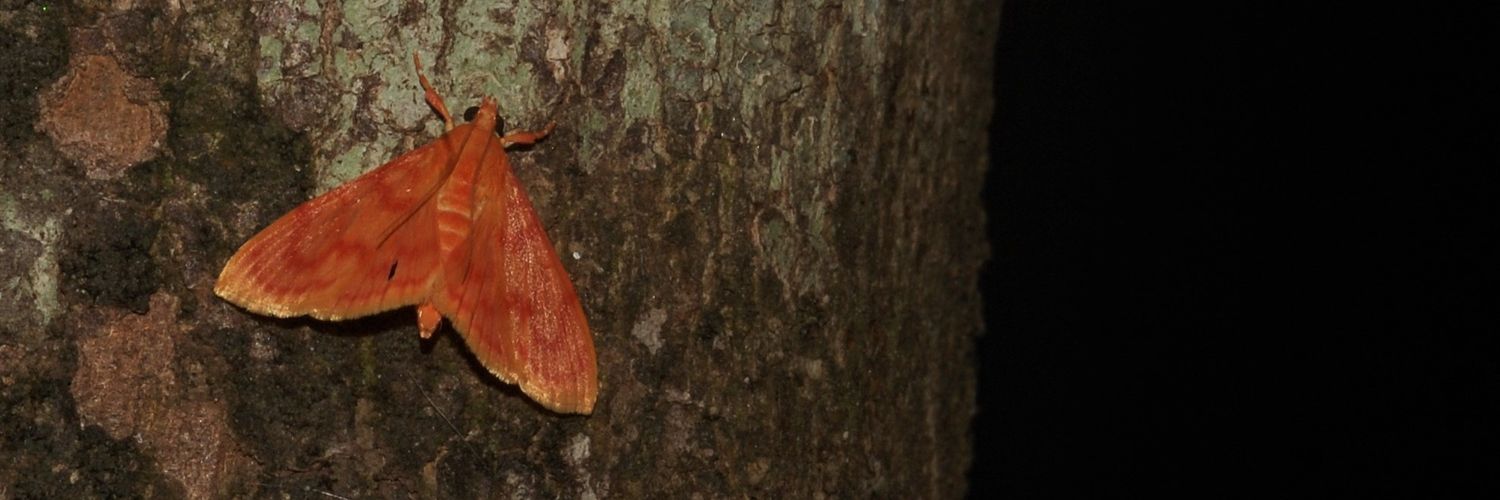
Bangalore: some moths can detect a mate from 10 km away, navigate by moonlight and pollinate ecosystems while we sleep.
Next Sunday, @pritha126 of @NCBS_Bangalore reveals the hidden world of moths.
📍 Atta Galatta
🗓️ 7 June, 4 PM
🎫 Link in bio [one @localfermentco 🍹 on us]
#StudentFellowship
Applications are now open for the @NCBS_Bangalore x @ProjEduAccess PRISM Fellowship 2026.
📆 2 Month fellowship starting in June 2026
📍 NCBS, Bengaluru
👇 Check out the post below for more details on eligibility criteria and application timelines
🐝🐛 Insects run the world, but where are they in Indian ecology?
Our symposium “Insects in a Changing World” @iwec26 invites work on ecology & innovative monitoring (AI, sensors, citizen science).
📢 Submit!
@pritha126@gauri_gharpure
https://t.co/n68VijrW5Y
Myself, @gauri_gharpure and @MansiMungee are co-organising a symposium on insects in the changing world, do consider submitting your research on insects to our symposium :)
Follow the post for more details!!
#insects
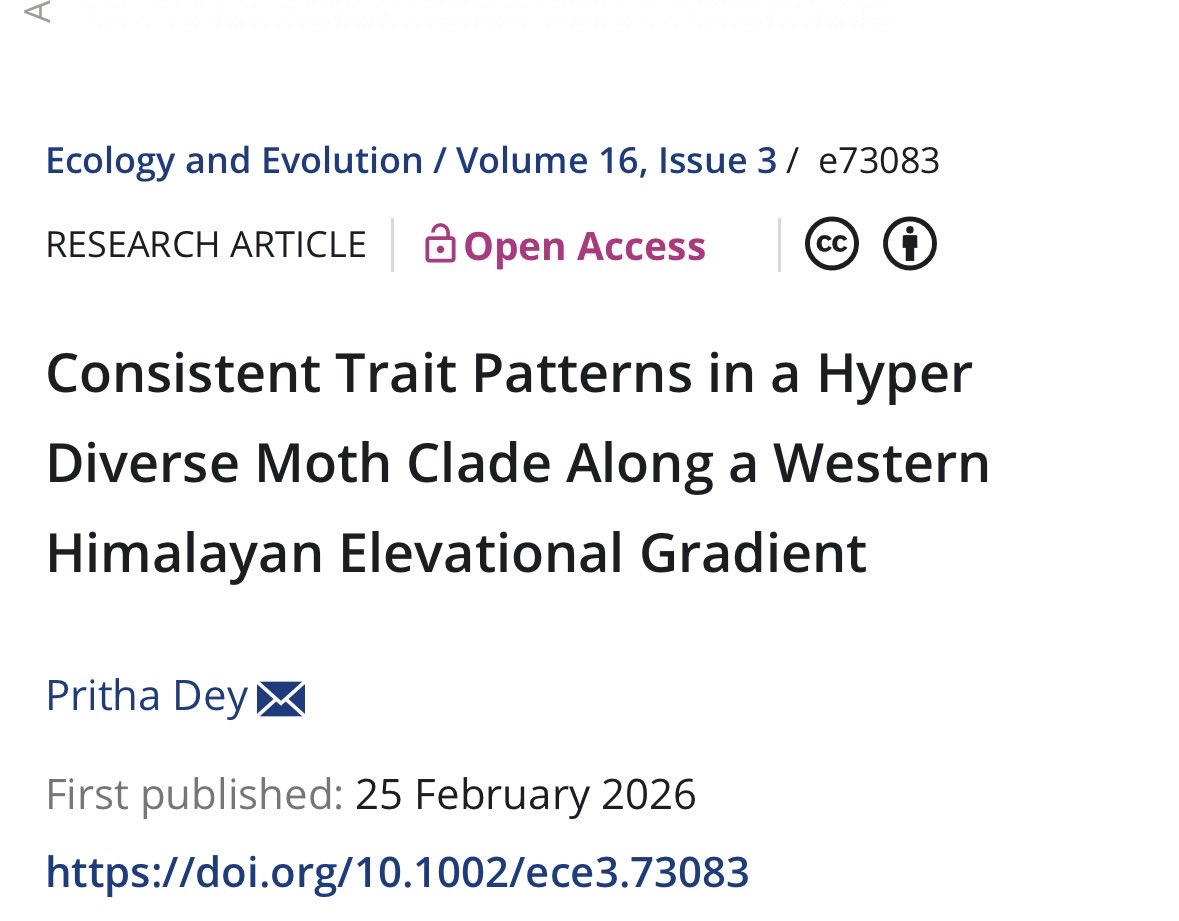
New paper out!
How do flying insects cope with a 1500 m elevational climb in the western Himalayas?
Species diversity declines with elevation
Strong species turnover. But key traits (body size, wing loading, maneuverability) remain remarkably stable
https://t.co/UZMkeIH04k
ANRF Sponsored Workshop Announcement: The Division of Entomology, ICAR–Indian Agricultural Research Institute, New Delhi is organizing a Three-Day Sponsored Workshop on: Taxonomy and Molecular Identification of Agriculturally Important Insects”@ANRFIndia
https://t.co/2SKGg5KmHl
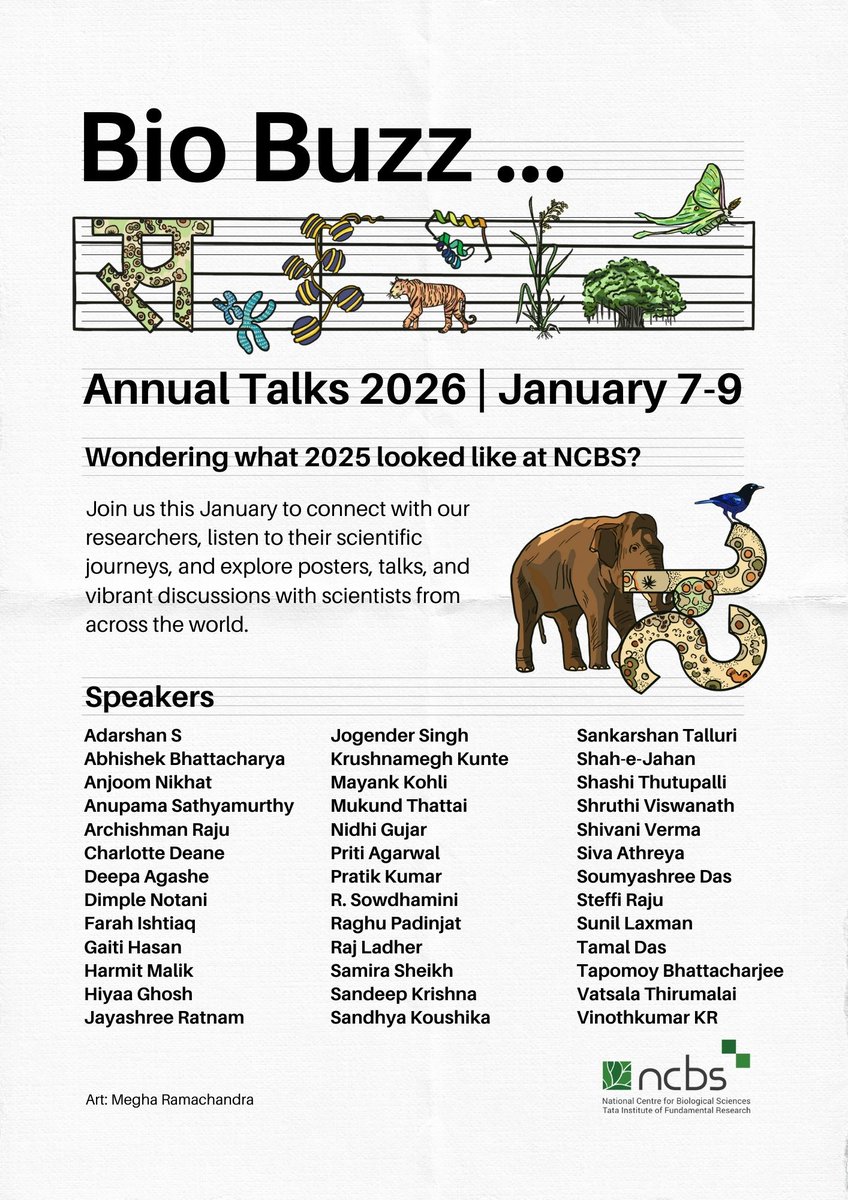
📢We are gearing up for NCBS’s Annual Science Carnival, BioBuzz- a celebration of exciting ideas, and fantastic science🎉
📡Live updates on X start tomorrow. Stay tuned!
#NCBSAnnualTalks2026@NCBS_Bangalore
(1/n)
Our collaborative paper is now out!
This work grew from conversations at NCBS earlier this year — highlighting how collections can shape the future of biodiversity science in India
@Jahnavijoshi2@uramakri@Devapriya_Chat@crazy_chipkali@vijaybarve
🔗 https://t.co/WgF9gQBIpS
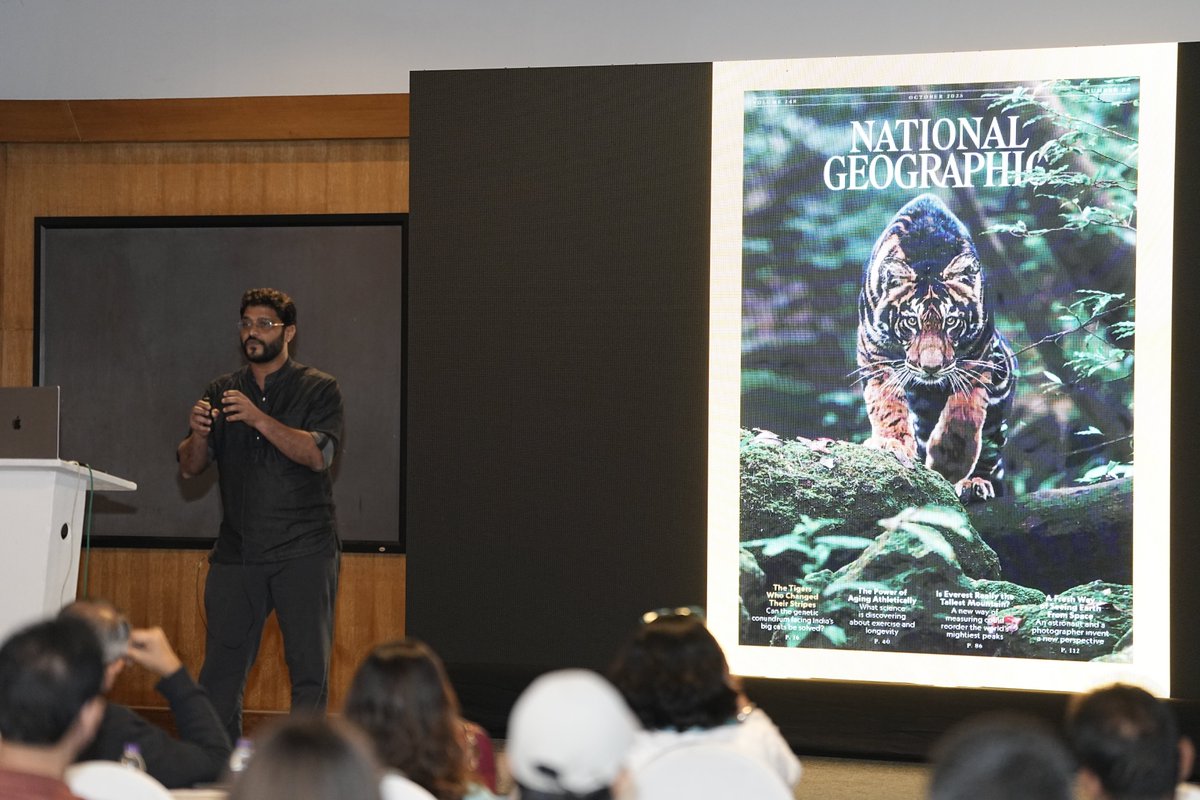
🐅“Story and Science Behind Black Tigers of Similipal, Odisha” was a fantastic full-house event celebrating wildlife, biodiversity, research, conservation, and storytelling! 📽️
▶️You can now watch it on YouTube: https://t.co/9SPNWzvsHe
This game - created by Priti Bangal and Prasad Sandbhor under our Small Grants Programme - is a fun and interactive way to learn about birds and their lives amidst urbanisation.
Watch the video till the end and scan the QR code to pre-book your own copy of the game!
📢In our new paper, we found that diurnal moths have larger hearing organs! And it is not allometric to their body size!
Using 3D micro CT imaging, we asked how different predation pressure shape the morphology of
ultrasound receiving organs
Read more: https://t.co/PV8crOuEJq