Funny thing everyone obsesses over liquidity, TPS and volume
Meanwhile, the real headache is simpler: who decides what actually happened?
Price feeds track numbers They can't tell you who won the game, the election, or whether an event even happened
That's what caught my eye👇
Everyone is teaching AI agents how to act.
@GenLayer is teaching them how to disagree
When agents clash over facts, outcomes, or reality itself, Intelligent Contracts and LLM validators turn uncertainty into consensus
Bradbury is live
The AI economy finally has a court.
I wasn’t even planning to dig into this.
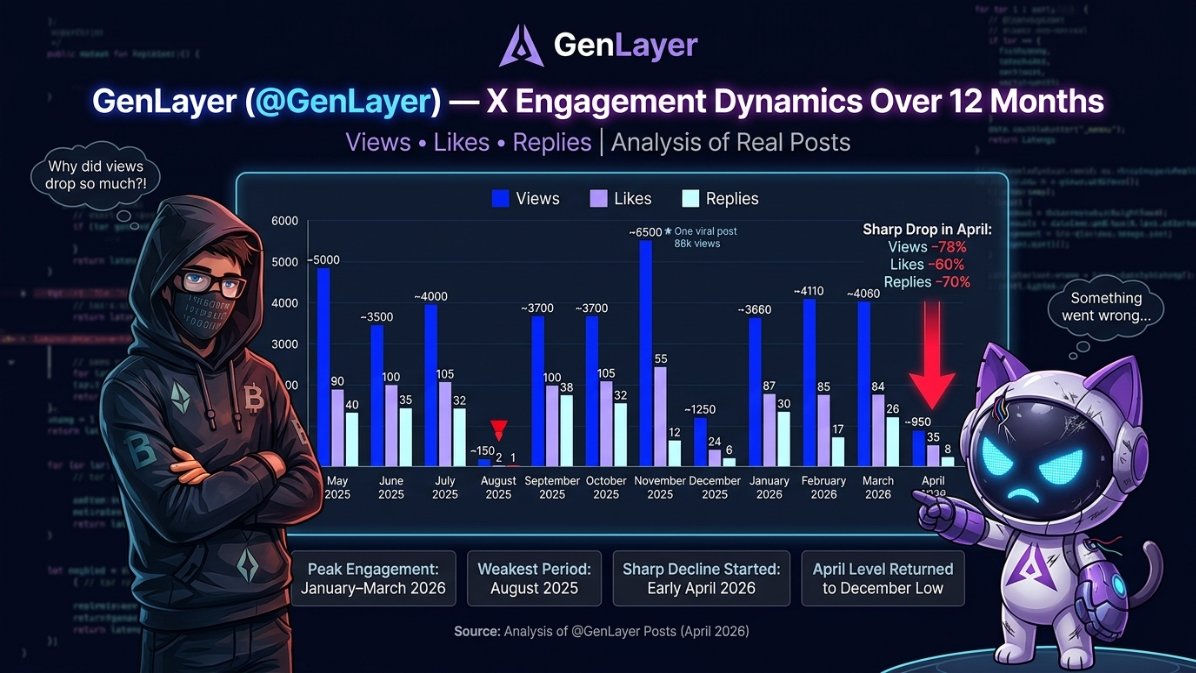
Just noticed something felt... off around @GenLayer
Not dramatic
No big scandal
Just - quieter
Less energy
You know that feeling when a room hasn’t changed… but somehow it has?
So yeah, I checked the numbers.
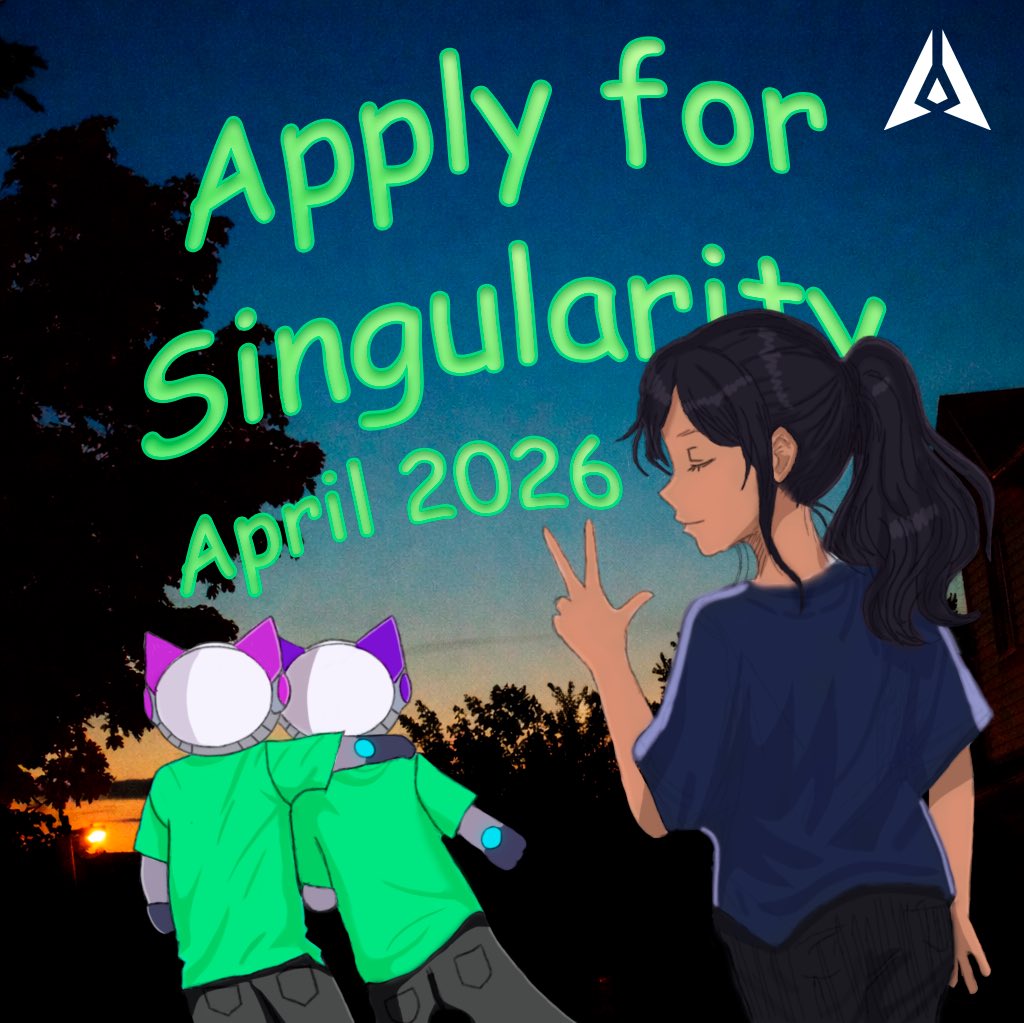
That time of the month is here.
If you believe you’re a true representative of the GenLayer community and meet the requirements, head to our Discord for details.
@RuzgarFlns@Koks1k93 Your call.
Honestly, it’s weird - I never saw you once in that project.
Makes you wonder who slipped you that info… and why.
Think about it, and things might click into place.
I’m really sorry for my words.
But please, take a good look at who’s actually around you.
@Joyanto320@get_optimum Interesting angle. In practice, the real bottleneck isn’t just storage or memory - it’s coordination under load. If Optimum can consistently reduce latency at scale, that’s where it actually becomes meaningful infrastructure.
@IanCrisThea@PerceptronNTWK Clean concept. The real question will be how sustainably the rewards scale once participation grows “idle compute for rewards” only works long-term if demand for that compute actually increases alongside users.
@IanCrisThea@PerceptronNTWK Clean concept. The real question will be how sustainably the rewards scale once participation grows - “idle compute for rewards” only works long-term if demand for that compute actually increases alongside users.
@thesarimzaidi Nice vibe. That “better than yesterday” mindset is what actually keeps communities building long-term - not perfection, just steady progress and consistency.
@thesarimzaidi@SeismicSys Fun challenge 😄 Summer + coffee vibes are perfect for this.
Made my own Seismic drink - simple but hits: iced coffee, a bit of citrus twist, and lots of ice. Clean and refreshing 🔥
@VSlaavik@youmio_ai Interesting framework. Breaking ���quality” into separate layers (performance, creation, interaction) is a smarter approach than flat engagement scoring but the real challenge will be preventing people from optimizing the metrics instead of the actual agent experience.
@Olga1057138 Good recap. The recurring theme here is latency finally being treated as a first-class constraint in staking and coordination - not just throughput. If they actually deliver on Flexnodes + mainnet timing, the incentive design will be the real test.
@Olga1057138 Solid framing. If RLNC really delivers consistent gains at scale, the real impact won’t just be “faster propagation” but more reliable coordination under load - that’s where most Web3 systems actually break first.
@cafetothemoon@DubheEngine Strong concept overall. The real differentiator will be whether the abstraction layer stays flexible enough as apps grow - most “full-stack engines” start great, then hit limits when edge cases and custom logic pile up. If Dubhe avoids that, it’s genuinely interesting.
@cafetothemoon@DonutAI Clean framing. The interesting part isn’t removing features, it’s removing decision friction. If the core loop is truly that small, adoption will depend on whether power users can scale without feeling constrained.
@MrLion2801 That’s a solid reason to step away - hope the celebration goes great. Turning 30 is definitely one of those milestones worth fully being present for. Enjoy the time with your family 🤝
@professor_slax@nabulines Sounds more like branding poetry than product signal. If there’s real utility behind “the system,” it’ll show through actions and outcomes - not just slogans and mystique.
@MHD54Manaz Nice incentive loop. The real challenge with mindshare boards is keeping quality high once rewards kick in attention markets tend to get noisy fast. Curious to see how ARC filters signal vs. volume over time.