@Team_English1
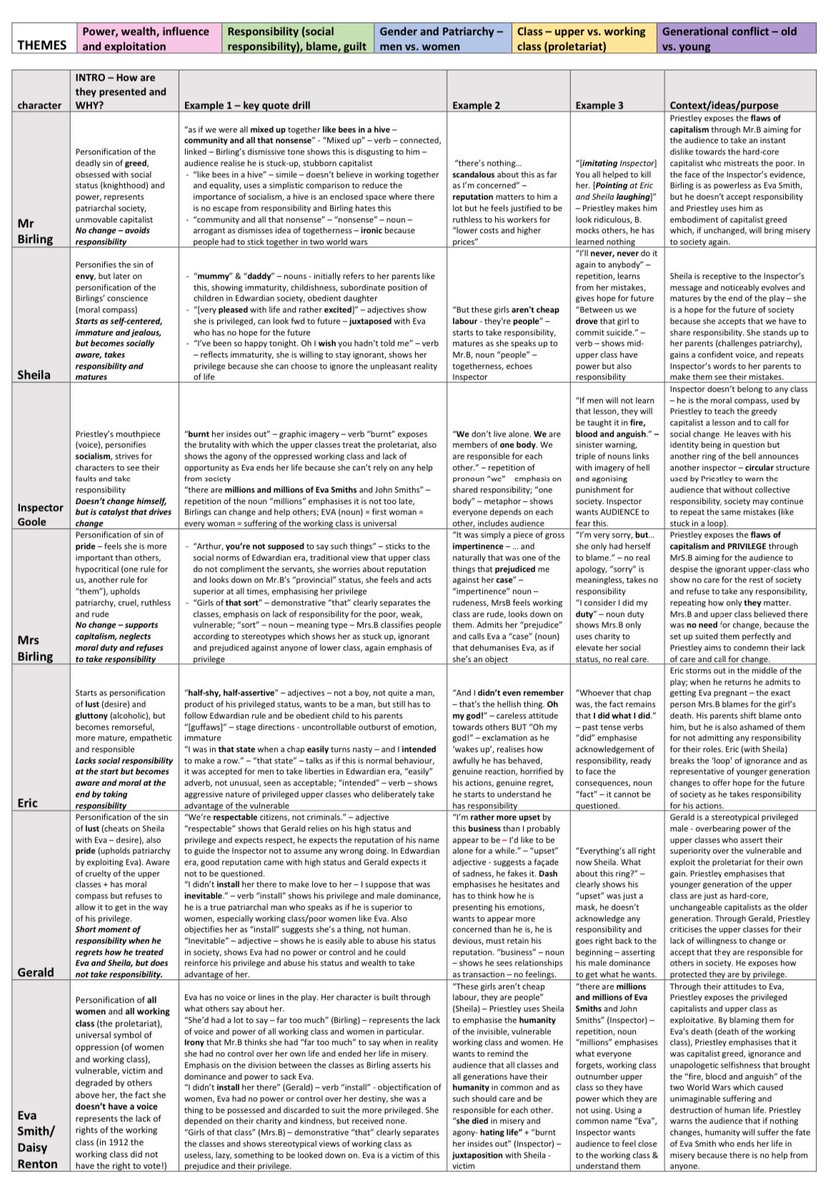
Inspired by an unknown colleague of a colleague who shared something similar, here is an A3 overview of AIC quote chains. PDF available here - https://t.co/t2jfOcmtmY
It’s #FreebieFriday!
Get these #quotation phone wallpapers for #Macbeth! Tried, tested and tweaked WITH Year 11. Get their phones working for them!
Click. Download. Save. Send!
One has even been created by a Year 11!
#TeamEnglish#PhonesForRevison
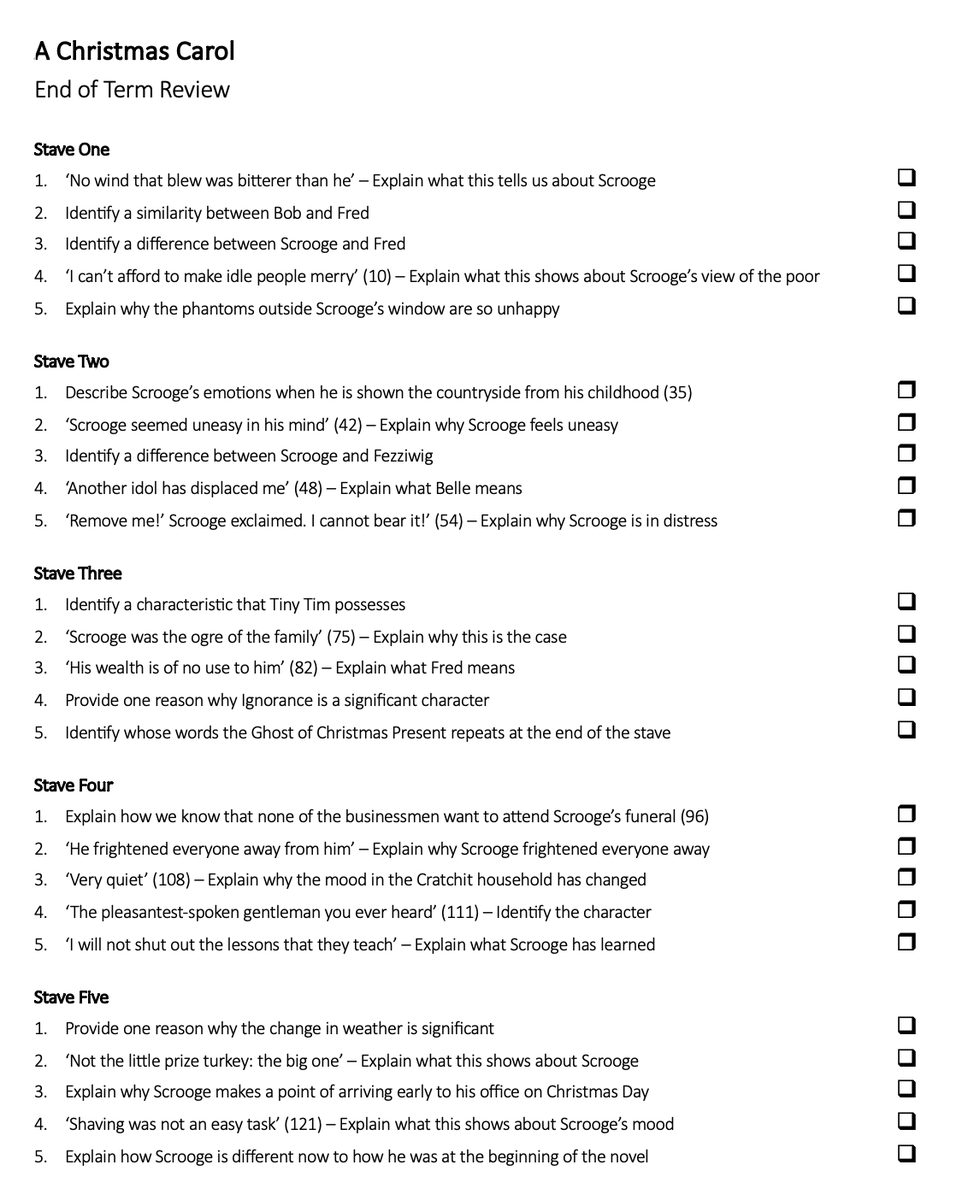
A thread for @Team_English1 on pushing to 7+ in English Literature.
My last department were working at around 25% 7+ in literature, so I've got a fair few ideas on how to push students to these grades. I imagine we've all seen the recent example of 30/30 on ACC from AQA. 🧵 1/9
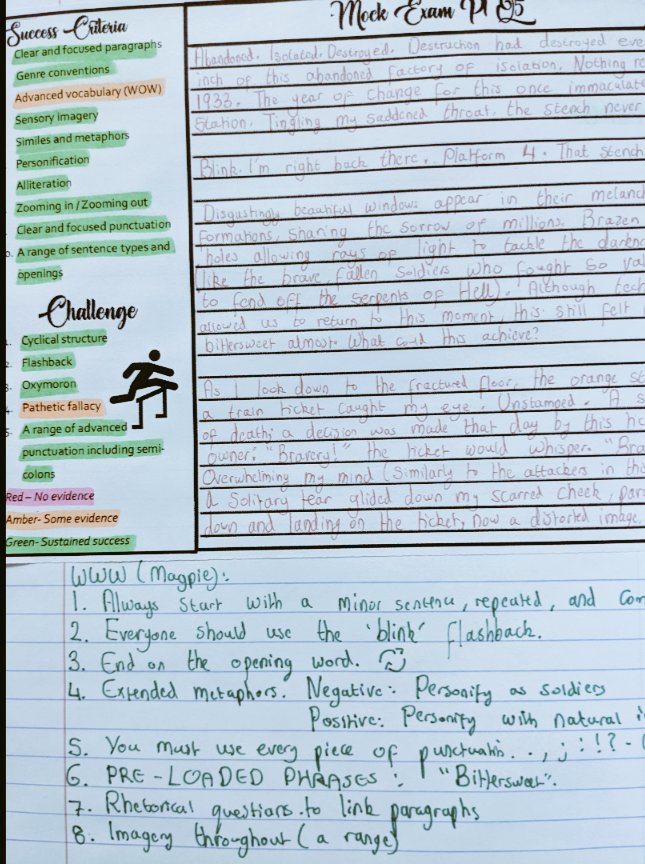
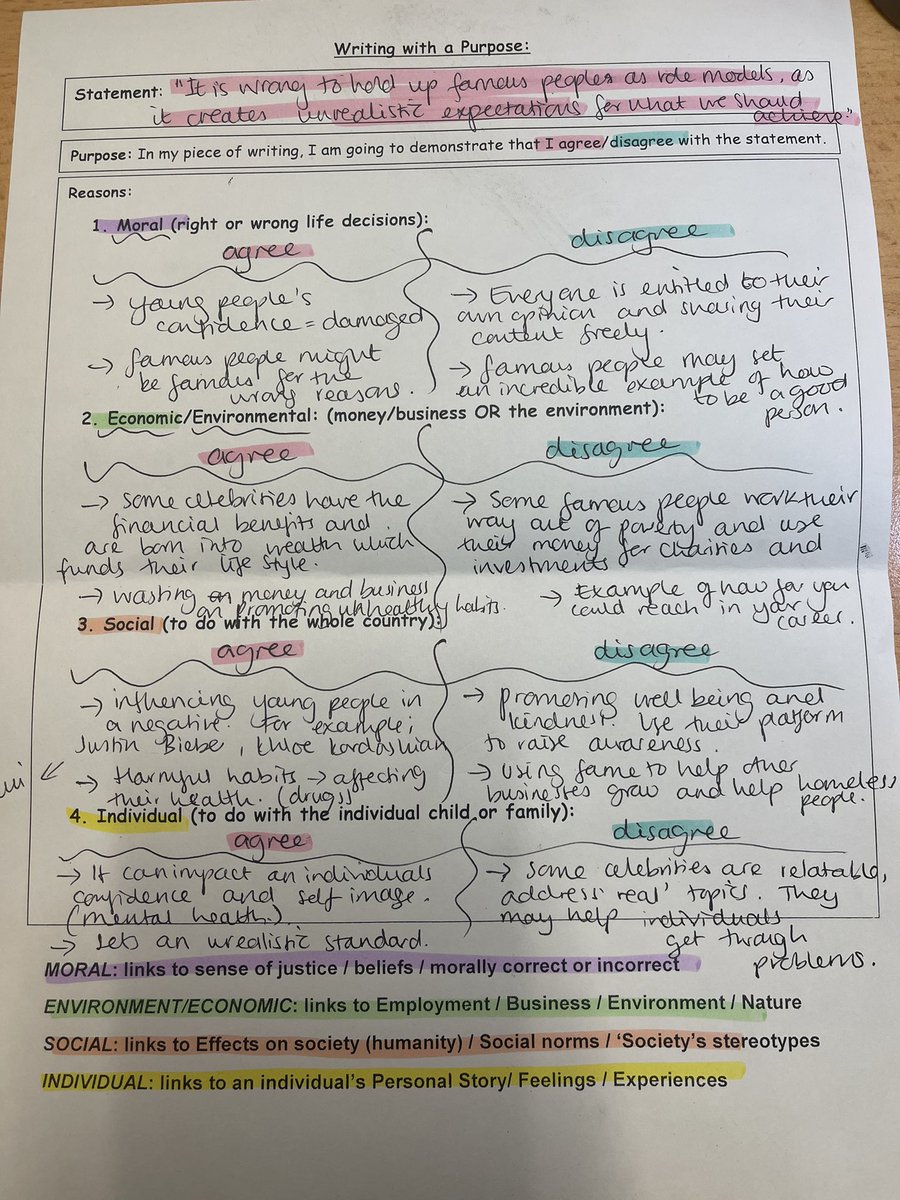
I’ve made a writing booklet (really simple, just questions followed by examples) using @Miss_GJohnston excellent P1Q5. She has kindly agreed for me to share it - it might be useful for someone!
Might save @Team_English1 some time.
Free here:
https://t.co/SKl5iyUNos
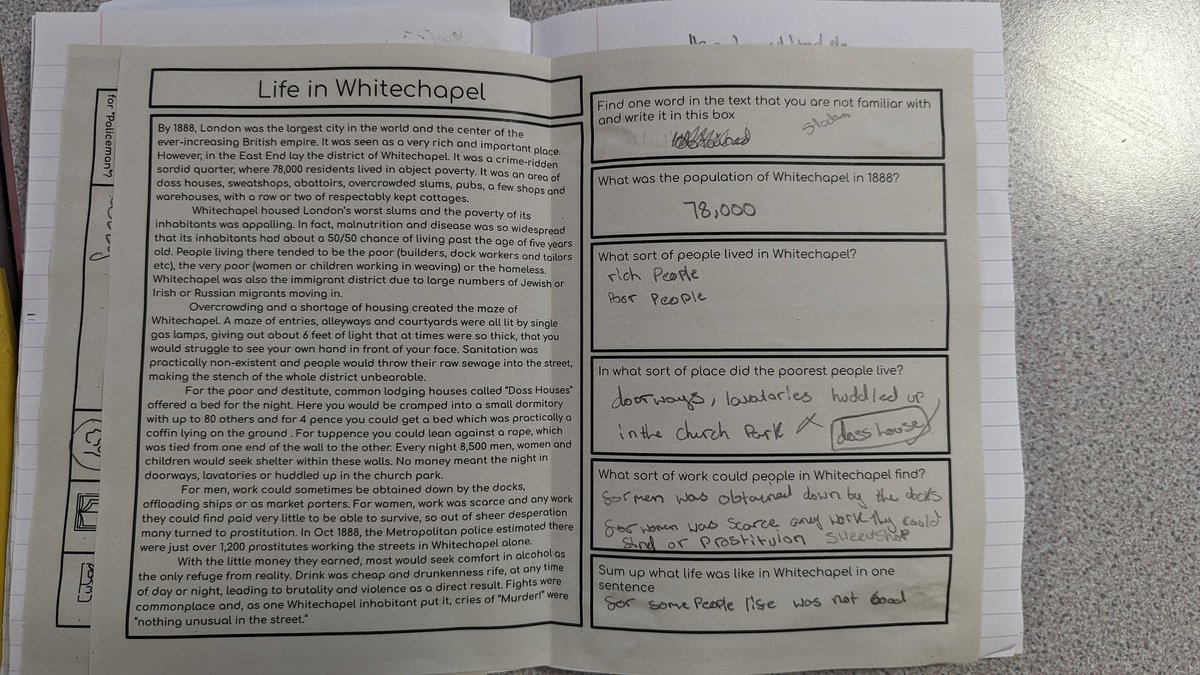
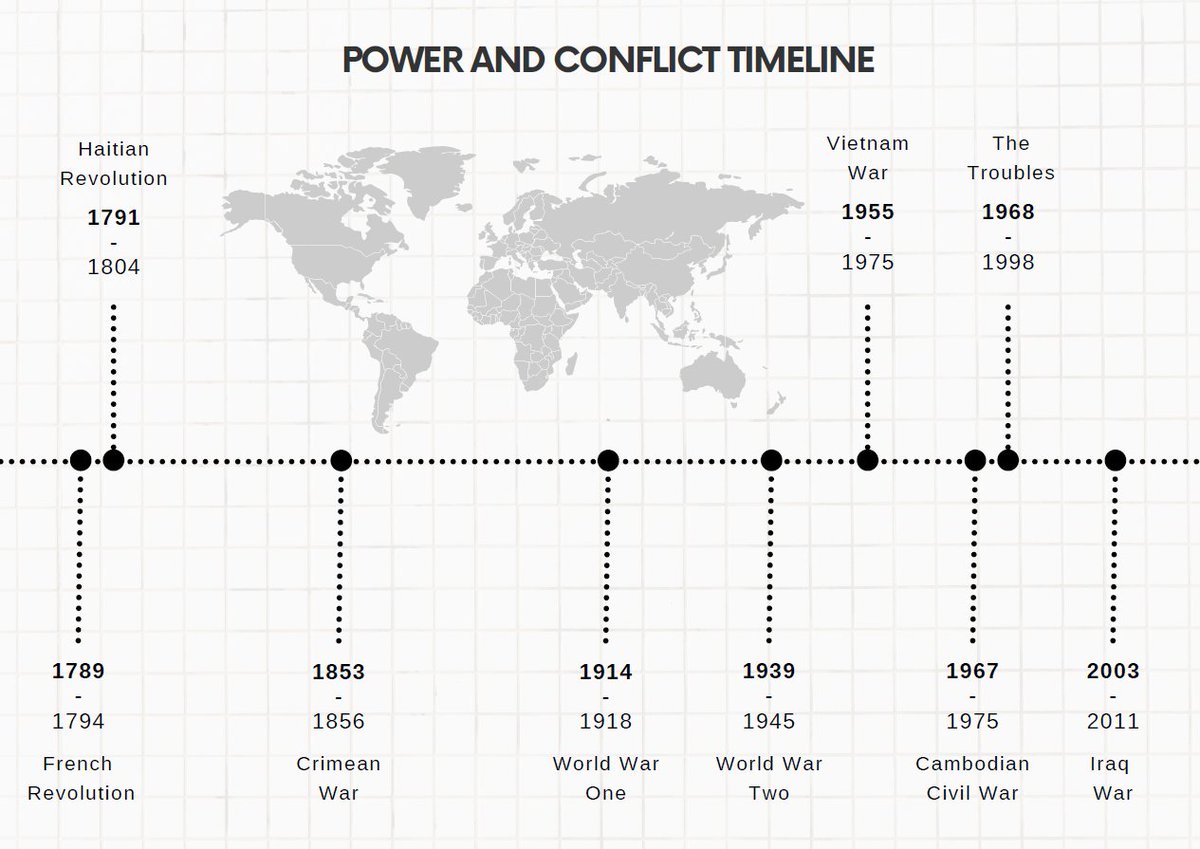
In an attempt to avoid the pages becoming cluttered with annotations that quickly become unreadable, I’ve started providing notes that students stick-in. Helps to make things a *bit* easier to manage. Here’s a link to the strips for the P&C poems https://t.co/JMyRI1xH0b ✍️📑
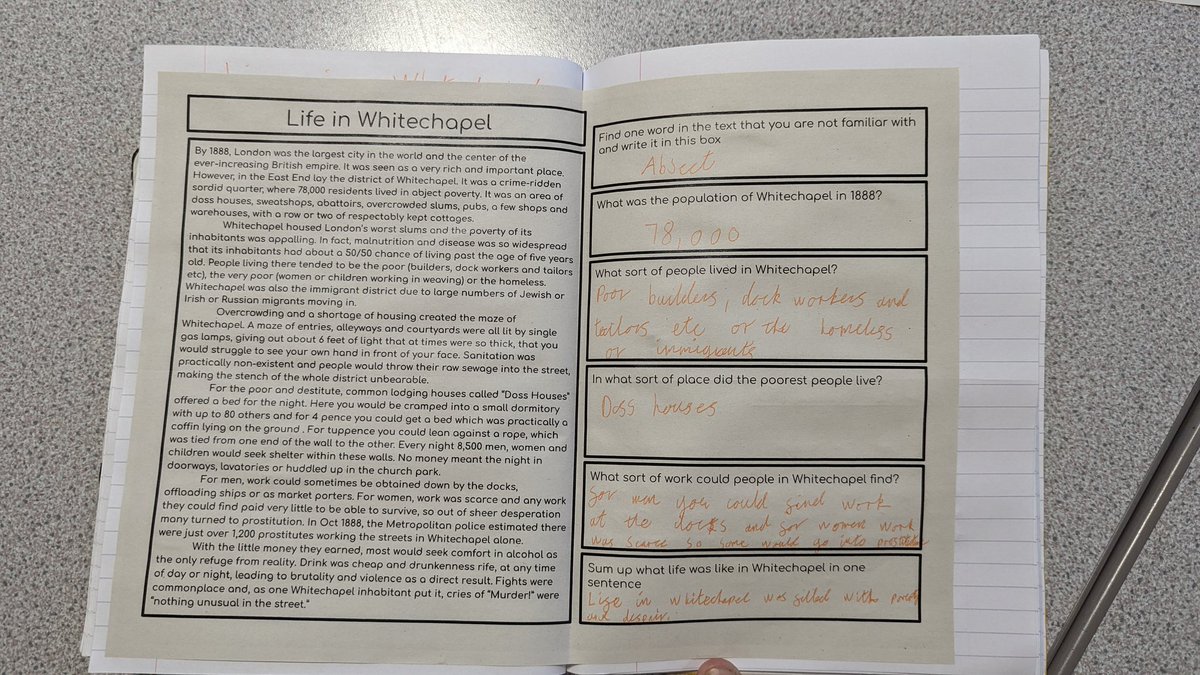
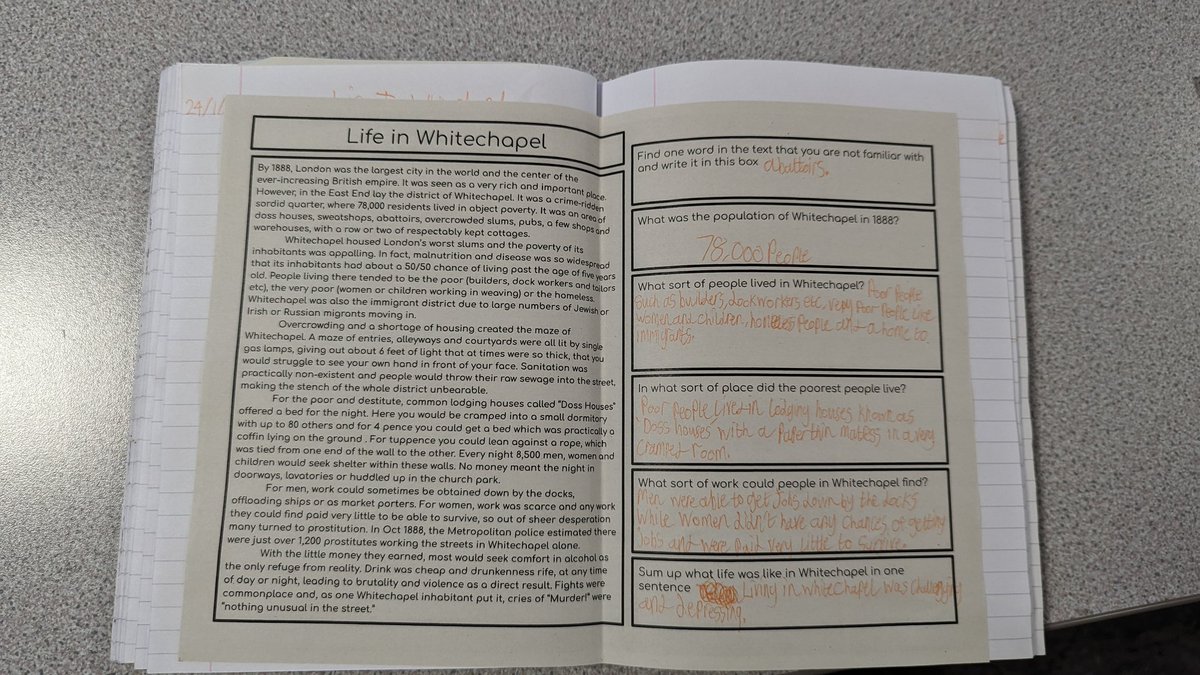
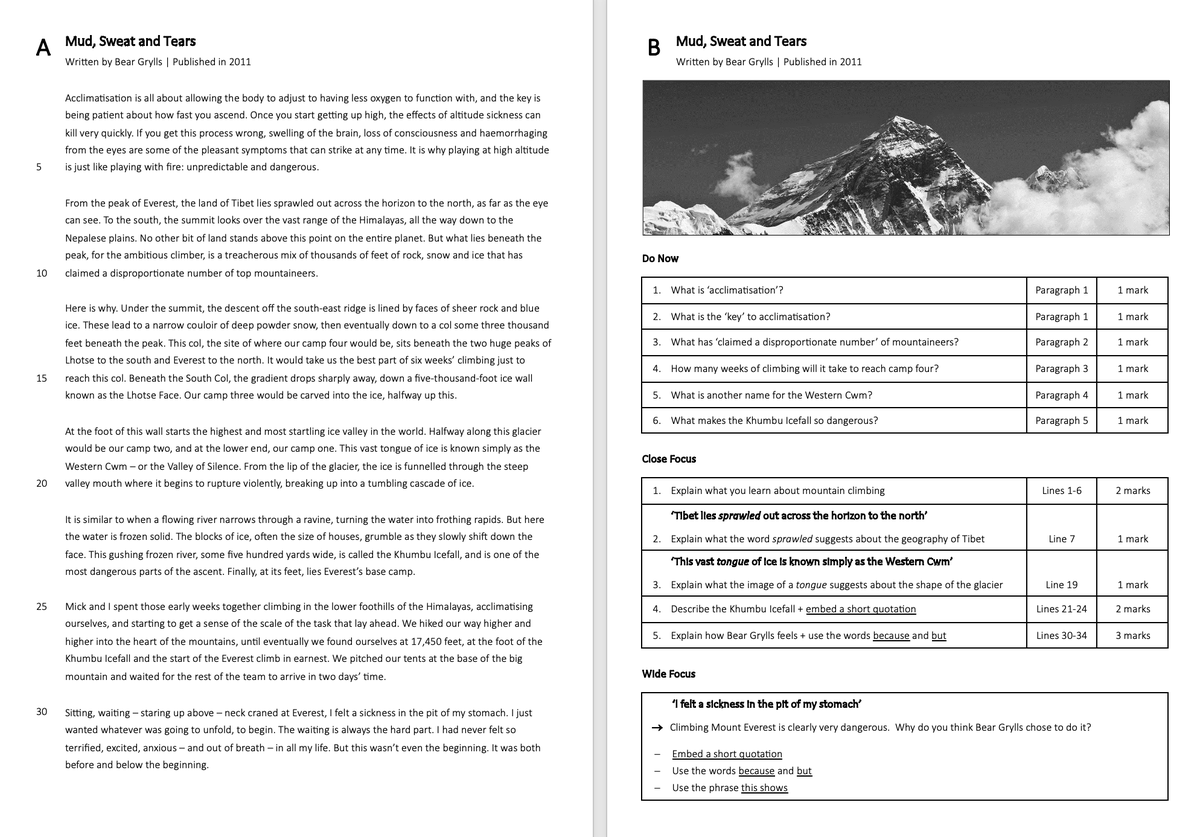
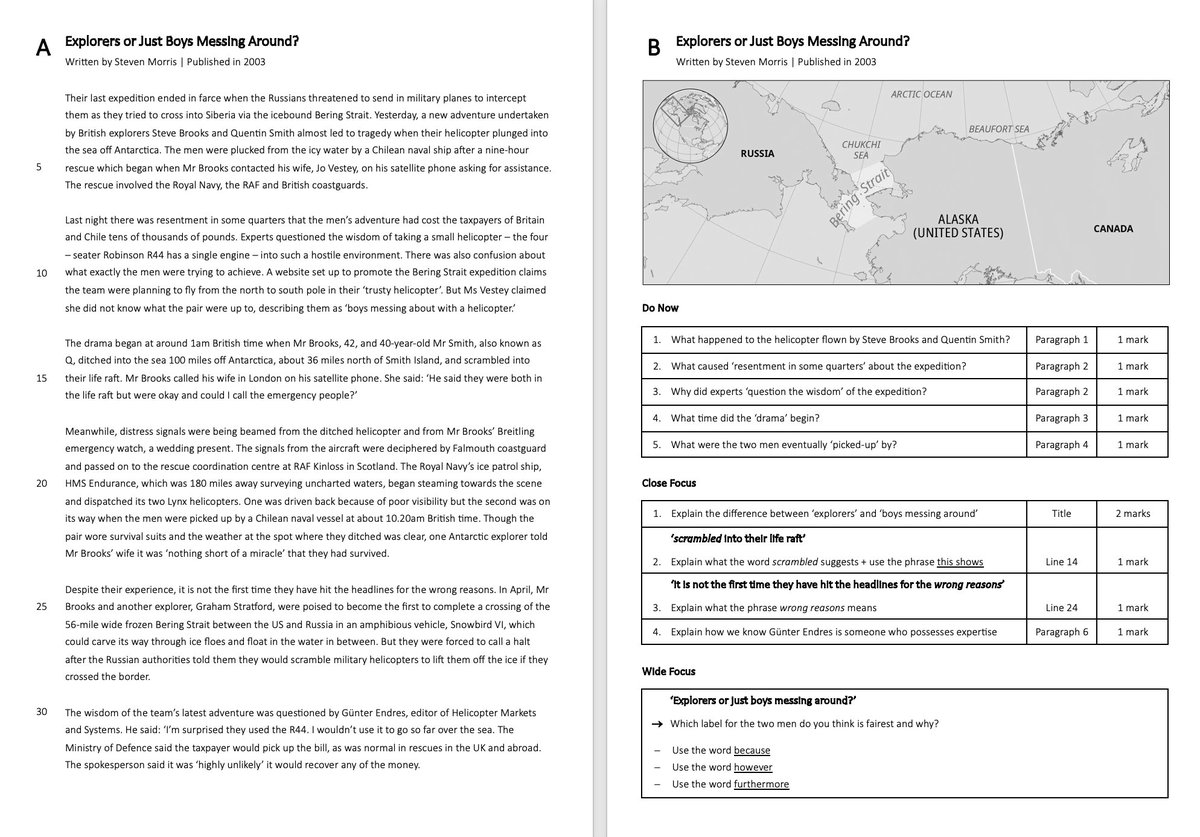
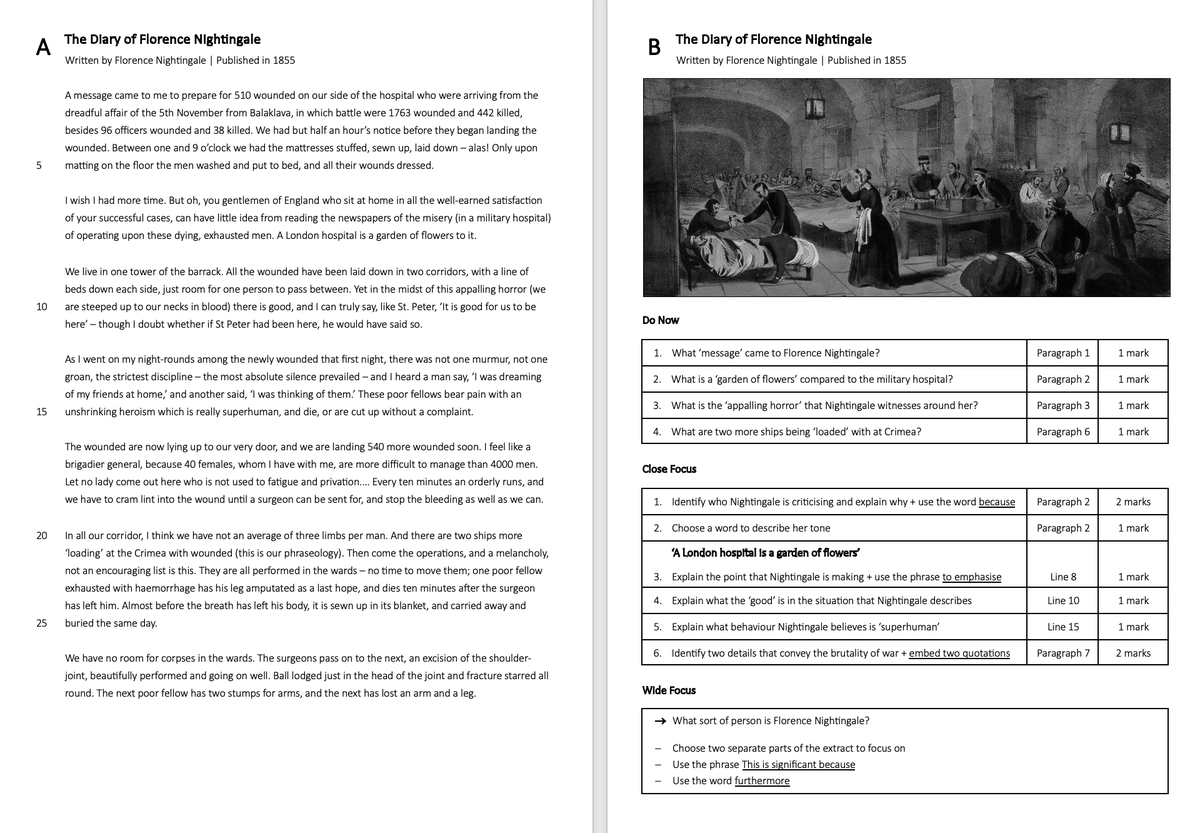
Non-fiction anthology and tasks for KS3 https://t.co/Ht9cFDnzZH Including...
✍️ Do now tasks
🔍 Close focus questions
🔭 Wide focus questions
Ten texts in total. All themed around adventure, history, gender, class and technology
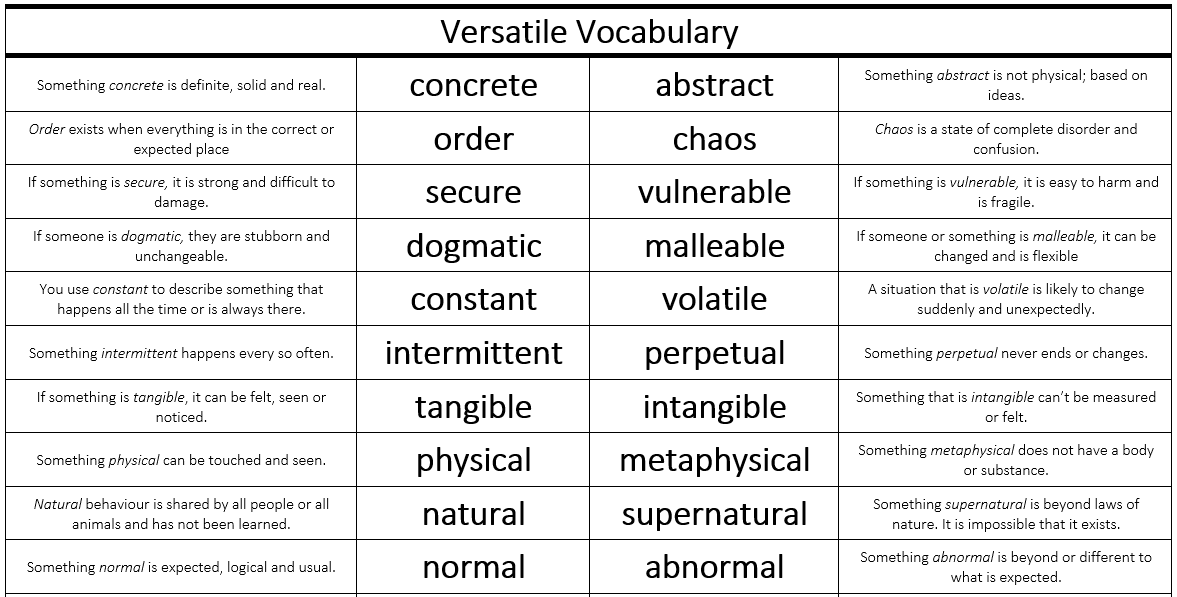
We know that writers often explore binary concepts: transient and permanent; concrete and abstract; constant and volatile. Teaching versatile vocabulary in pairs allows students to notice, create and analyse these patterns. This is what we want in their backpacks.