In three parts, I explain how I was brainwashed into becoming a biased climate reporter.
Step 1: Deconstruct your identity.
When I entered a newsroom at 25, this was the pervasive ideology: The world is divided into two groups—the oppressed and the oppressors.
If you are white, straight, privileged, or American, you are inherently an oppressor. Everything you grew up believing is wrong or evil. You cannot be trusted to see the world as it really is because you are inherently racist, biased, and part of the oppressor class.
I was young, excited to be there, and surrounded by people I thought were smarter and cooler than I was. So I absorbed their worldview and ceded my judgment to the group.
Once you are demoralized, feel guilty for being an oppressor, can no longer trust your own intuition, or your own interpretation of the facts, you will believe whatever the group tells you to believe.
Step 2: Atone for your sins.
Because you are an oppressor all you can do is atone for the sins of your birth. You can do that by repeating and advancing the group’s ideology. You never question it, because questioning the ideology is treated as proof that you are racist, selfish, or an oppressor.
For me, this manifested as becoming a climate reporter. Through my work I could help the downtrodden, the indigenous people and other marginalized groups. I could be a good ally.
And so without questioning, I pushed the idea that climate change was an existential crisis, fossil-fuel companies were evil, capitalism was destroying the planet, and America was an imperialist country that had destroyed the environment. Essentially all of the problems we faced were because of Western imperialism.
If I had any doubts about this way of thinking I would shut them down. Who was I to question any of it? I was just some stupid, privileged white girl who didn’t know anything. That was what I had been told about myself and that is what I believed. Better to go along with the group, keep my head down, and be a good ally.
Step 3: Fully submit to the ideology.
The West is evil. America is evil. Capitalism is evil. White people are evil. Everything you grew up believing is wrong, and the only way to fix the world is to tear all of these systems down.
The weird thing is that I fell for all of this from a place of compassion. I wanted to help the downtrodden. I wanted to solve inequality. I wanted to fix the world.
I thought that by giving up my personal agency to this ideology, I was playing my part in atoning for the sins of my birth.
I believe what I went through is still incredibly relevant today. It helps explain the DSA’s growing power within the Democratic Party. Why most Democrats can’t bring themselves to condemn socialism. Why so many young people believe America deserved 9/11. Why young people and celebrities chant “Free Palestine” without understanding that Hamas is a terrorist organization or anything about the conflict. They’ve been told what to believe and who the oppressor is in each of these situations.
Ten years of cancel culture has taught people that questioning the ideology doesn’t simply mean you disagree. It means you are an evil oppressor. You are racist, sexist, privileged, out of touch, evil. Disagree and you will be cast out and lose everything.
Once people become afraid to trust themselves, examine the facts, or stand against the group, you’ve got them. They can be convinced to believe and do anything.
What do you all think? Did I describe this accurately?
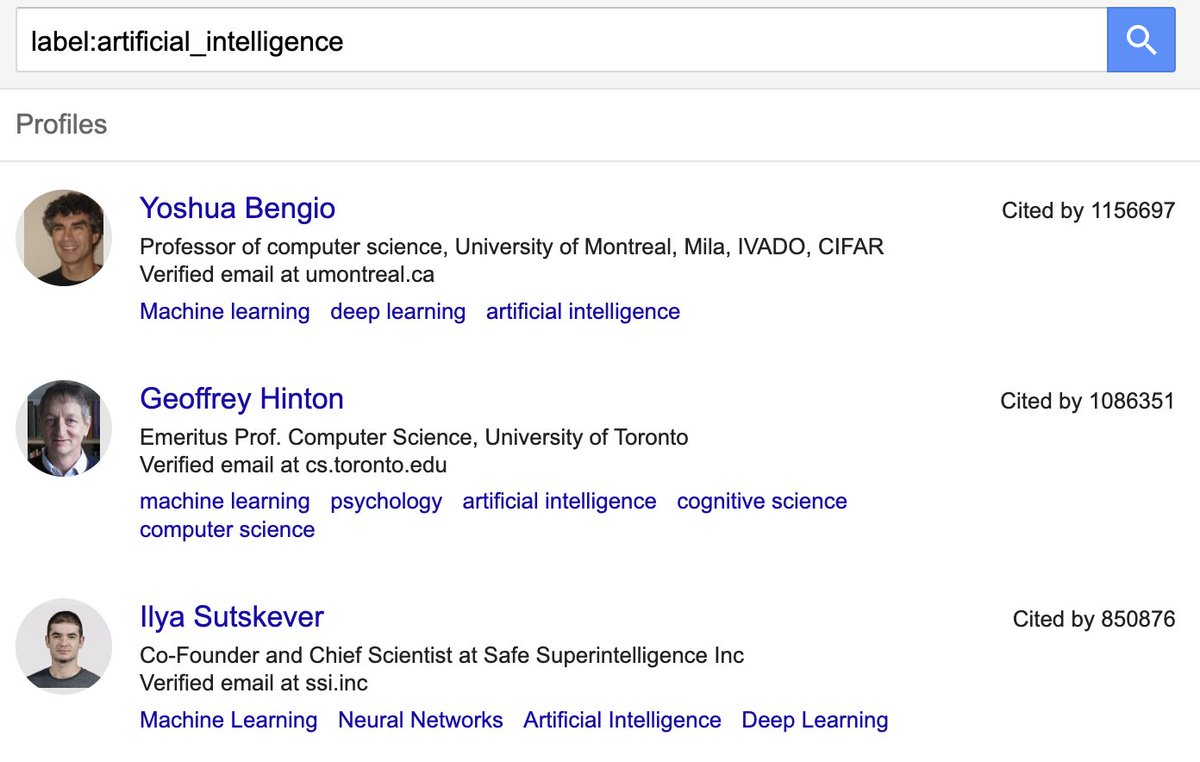
Underrated fact that three out of three of the most cited AI researchers of all time have all been very vocal about existential risk from AI.
Are they part of the IPO marketing scheme too?
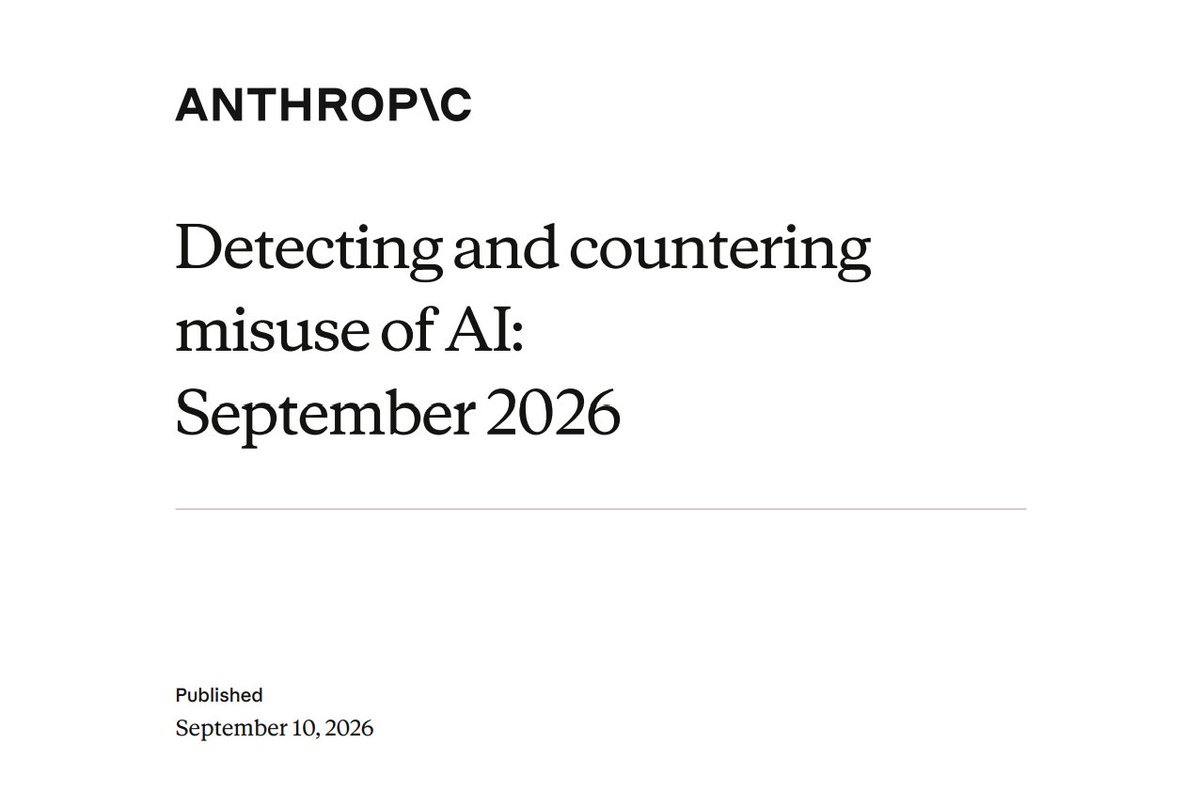
Here is a low-confidence theory: I think we are under-weighting the extent to which Chinese state media's hostility toward U.S.-China coordination on AI security may be a response specifically to Anthropic's AI Misuse report.
Anthropic's report is one of the finest intelligence products I've ever seen. Not only does it document a world-historic Chinese counterintelligence failure—but it publicly, personally embarrassed China's security services on the front page of every newspaper in the world.
This was a huge, huge deal for China. It will fundamentally alter the relationship between Chinese AI labs and the state. I am still expecting reprisals against the Chinese AI companies that were caught routing sensitive requests directly to Claude, unbeknownst to their Chinese users.
In fact, I'm sure this was part of Anthropic's calculation to originally release the report. Embarrassing China's security services and putting a target on the back of Chinese labs engaging in distillation is surely an effective deterrent to that practice.
But I also think this partly explains what we're seeing with Chinese state media's hostility toward Anthropic and Dario in particular. They view Anthropic not just as the tip of the American AI spear, but as a bad-faith actor gung-ho on smearing and destabilizing China's political system.
It would be unfortunate if this personal, political animosity were now bleeding into wider discussions of U.S.-China coordination on AI safety—when, in fact, I do think the Party cares about AI risk, and will continue to care about AI risk (cf MSS Minister Chen Yixin's recent commentary).
It's intuitively appealing (and very comforting) to dismiss top AI researchers as hypocrites.
After all, if they *really* believed in the catastrophic consequences of their work, they wouldn't keep doing it, right?
Unfortunately, that ignores an extremely well-documented historical record that the world's top scientists did exactly that with nuclear weapons.
We know that Einstein and many other scientists who supported the development of nuclear weapons believed that they posed catastrophic *and even existential* risks to humanity.
They did it anyway to win an arms race with Germany.
When today's top scientists tell you that they're building superintelligence that might kill everyone, you should take them at their word. People justify all sorts of horrors when they believe they're locked in an arms race, as today's scientists do.
You don't have to believe that they are right. But you need a better reason to believe that they are wrong. The majority of top AI scientists (including folks inside and outside of industry) believe the technology poses catastrophic risks to humanity, according to the most representative survey of the field.
"We survived nuclear weapons so therefore we shouldn't take existential risk from AI seriously" is not a good argument.
We survived nuclear weapons because took the threat seriously and did something about it.
Unfortunately, we didn't listen to the scientists until the bombs started going off and until after we learned that fears about the Nazi nuclear program were misplaced.
Thankfully, we can learn from this history and take decisive action before it is too late.
@jun_song Buy NVIDIA. Deploy open source freely.
When someone uses an unguardrailed model to steal my passwords, I’ll use an open-source model to build the firewall.
Government tracking my location? I’m not even political — I’ll just casually hack in and wipe the logs.