الخرطوم: تواصلت اليوم مع أعلى دوائر صنع القرار في الحكومة البريطانية، لطلب م��اجعة القرار المتعلق بالقيود المفروضة على منح الطلاب السودانيين تأشيرات الدخول الدراسية إلى المملكة المتحدة، كما وجهت سفارتنا في لندن بمتابعة هذه القضية بصورة مستمرة، وصولاً إلى معالجة نهائية لها.
وإذ نتفهم تماماً حق المملكة المتحدة في وضع السياسات والإجراءات التي تراها مناسبة في ما يتصل بالهجرة والأمن وتنظيم دخول الأجانب إلى أراضيها، فإننا نرى أن تطبيق هذه القيود على الطلاب السودانيين بصورة شاملة يستوجب إعادة النظر والمراجعة، بالنظر إلى طبيعة العلاقات التاريخية بين البلدين، وإلى الدور الذي ظلت تؤديه المؤسسات التعليمية البريطانية في تأهيل أجيال متعاقبة من السودانيين.
فقد ظلت المؤسسات التعليمية العريقة في المملكة المتحدة، على مدى عقود، إحدى الوجهات الأساسية للطلاب السودانيين للدراسة الجامعية وفوق الجامعية، وشكّل التعاون التعليمي والأكاديمي بين بلدينا جسراً راسخاً من جسور العلاقات السودانية البريطانية، وأسهم بصورة مباشرة في بناء الكفاءات والخبرات التي خدمت السودان في مختلف المجالات.
ومن شأن استمرار القرار بصيغته الحالية أن يحدّ من هذا التعاون التاريخي، ويحرم أجيالاً جديدة من الطلاب السودانيين من فرص تعليمية كان لها، ولا تزال، أثر بالغ في بناء قدرات السودان وتطوير مؤسساته.
ومن هذا المنطلق، سنواصل العمل بشتى السبل الدبلوماسية مع الحكومة البريطانية لإعادة النظر في هذا القرار ومراجعته، بما يراعي في الوقت ذاته الاعتبارات المشروعة للمملكة المتحدة، ويضمن استمرار فرص الطلاب السودانيين المؤهلين في الوصول إلى مؤسسات التعليم البريطانية.
إن الاستثمار في تعليم وتأهيل الشباب السوداني لا يمثل مصلحة فردية للطلاب وحدهم، بل يشكل استثماراً في مستقبل السودان واستقراره وتنميته، ويت��ح لأجيالنا الجديدة اكتساب المعرفة والخبرات التي ستُمكّنهم من الإسهام بفاعلية في إعادة إعمار وطنهم وبناء مستقبله.
ونأمل أن تجد هذه الدعوة استجابة إيجابية من الحكومة البريطانية، بما يحافظ على جسور التعاون التعليمي والأكاديمي العريقة بين بلدينا، ويعزز العلاقات السودانية البريطانية القائمة على المصالح المشتركة والاحترام المتبادل.
����🇩🇬🇧
We are suing the @ukhomeoffice, against blocking visa to Sudanese Student, in @RoyalCourtofJustice, on 10:MP, July 27, 2026, with @DuncanLewis and @DPGLaw
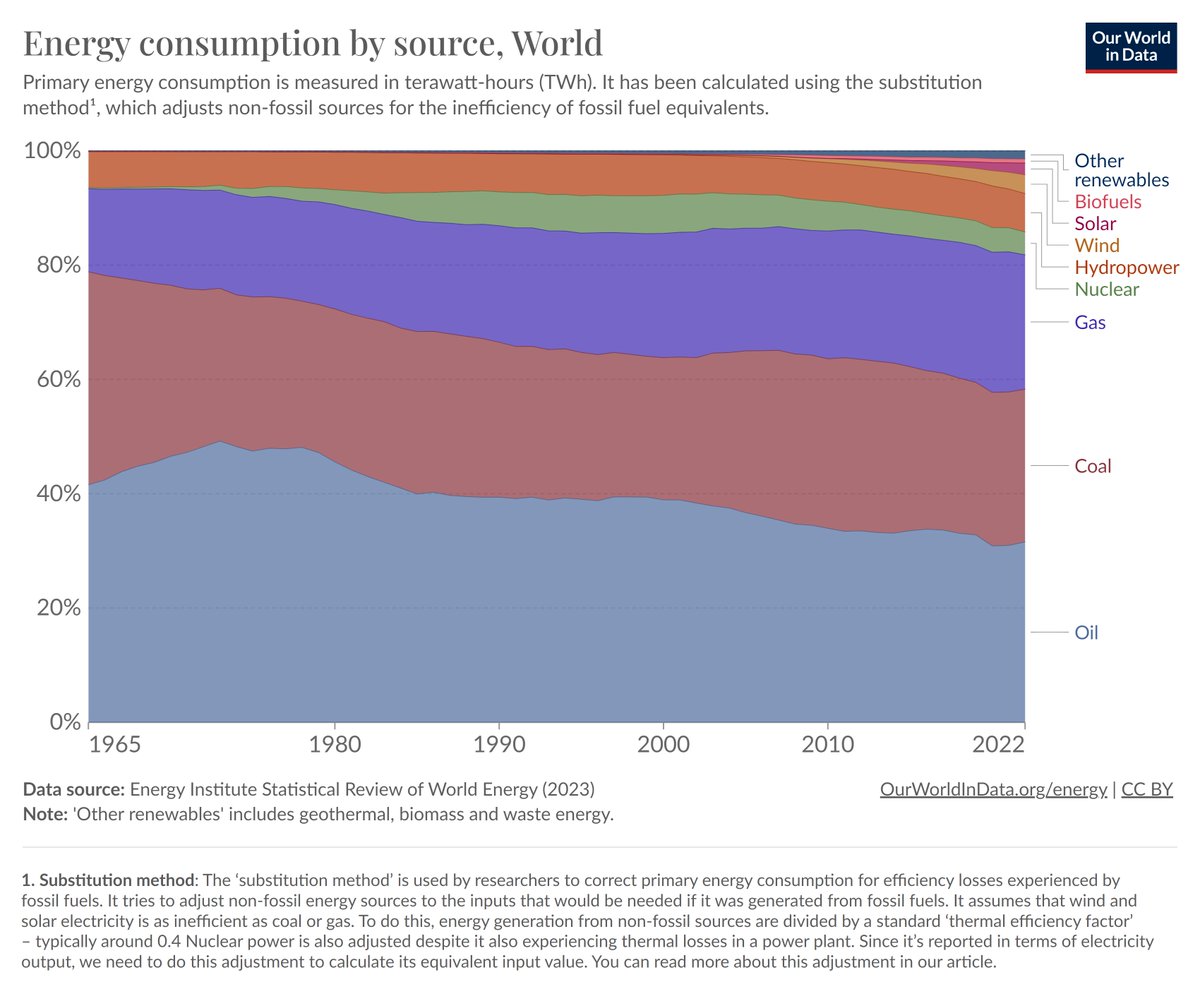
Everyone who thinks the world could just stop using fossil fuels on the snap of a finger should have a look at this chart. More than 80% of the world's energy supply presently comes from oil, gas, and coal, and that number has barely changed in the past decade.
Of course we will eventually phase out fossil fuels, simply because the supply is finite. No matter how hard you dig, there's only so much of the stuff.
But at present, the life of pretty much everyone on this planet depends in one way or another on fossil fuels. In case you live in a fancy new "zero emissions" house, well, first of all congrats on being in the 0.001% of the world population who can afford that, and second, try to figure out how many of the supply chains for building that house would break down without fossil fuels.
If we were to put a price on carbon dioxide emissions tomorrow without also subsidizing fossil fuels, much of the world economy would collapse because most of the key industries would go bankrupt basically overnight. (I think we should still put a price on carbon because it's the right default, but then we'll need to find a way to ease the transition.)
This is why it's become so hard to solve this problem. It would have been easy enough 50 years ago to put a price on carbon dioxide, switch to nuclear, and with further improvements in solar to more of that. But we've missed that bus.
I want to emphasize again because people keep misunderstanding this, I am not a fan of fossil fuels. If it were up to me, I'd plaster the world with nuclear power plants tomorrow and would take great pleasure in seeing oil companies falter and die. I am merely saying this is a difficult problem to solve, and the reason it's difficult is not technological, it's mostly economical.
That said, let me stress again that I think the extensions of the electric grid necessary to support the transition to renewables are an underappreciated problem. Without the grid, nothing else is going to work.
The climate ‘crisis’ isn’t what it used to be: growing realisation that the IPCC “RCP8.5” is wholly unrealistic. RCP4.5 much more plausible, which would theoretically lead (if you believe it) to warming of 2 to 3 deg C by 2100. https://t.co/AiN4kMoZ2U
"The scarred landscape of the climate crisis": Prof James Cheshire @spatialanalysis@UCLgeography@UCLSocialData reflects on satellite images of the UK turning from green to brown as the country's drought worsened.
https://t.co/JNfgToUQiE
Sustainable Development Goal 13 urges to take action to combat climate change and its impacts. Climate change is now affecting every country on every continent. It is disrupting national economies and affecting lives, costing people, communities and countries dearly.
@Brian_misiati True bro, Climate Change is affecting the countries differently ; some of us are more vulnerable than others! We need prompt actions: rationale Energy consumption, promote clean energy, carbon taxes , clean energy incentives…etc!
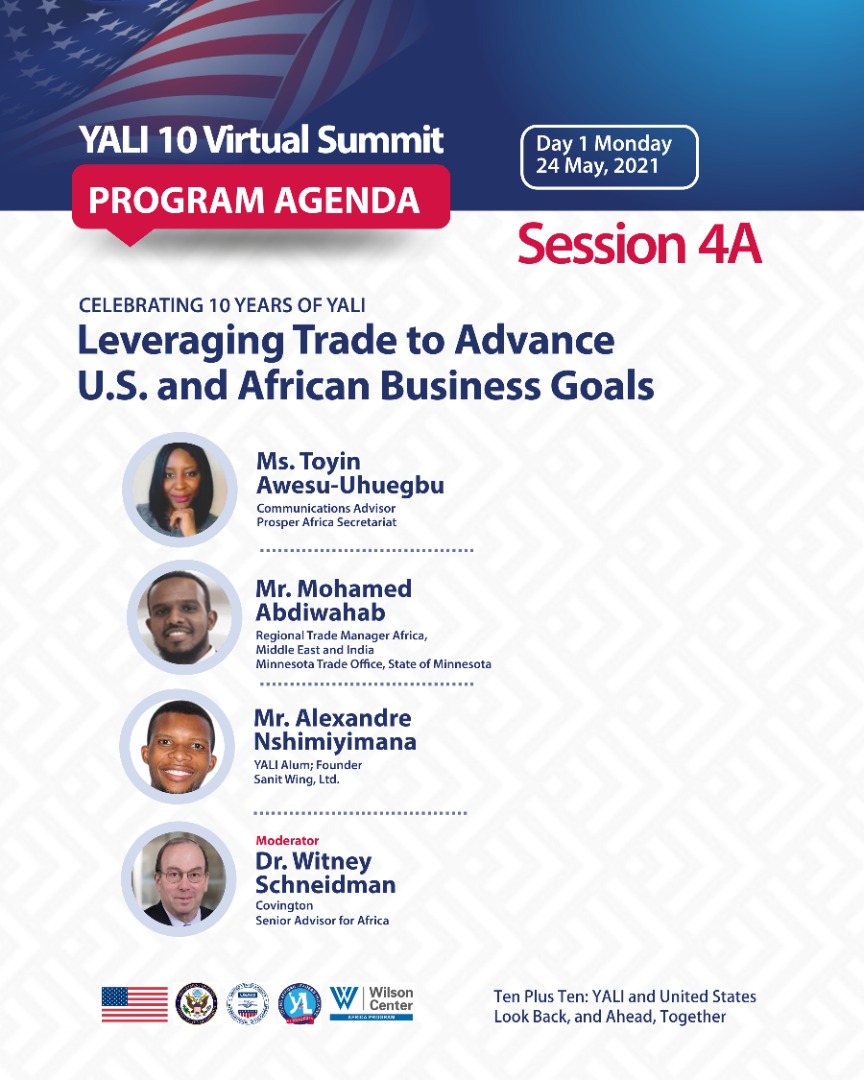
The YALI 2021 Virtual Summit Day 4 Session 4A at 3:20pm GMT.
Topic: Leveraging Trade to Advance U.S. and African Business Goals
Register for the Summit now: https://t.co/27lKgvjKmZ
#YALIat10#YALISummit#USAfricaRelations#YALICreatives#YALITV