History major, specializing in Nihon-no katchū and jidaigeki, hobby writer, translator, automation enthusiast who loves genere movies.
Occasionally shi*posting
Mieszko’s victory at the Battle of Cedynia (972) is considered the symbolic “birth certificate” of Polish military tradition. It affirmed the independence and viability of the Piast state, secured key western territories, and marked the rise of medieval Poland as a future nation. 👇 https://t.co/RqjDWnNdr6
@exQUIZitely It was a great sitcom, which ended on a bizarre cliffhanger 🫤
I recently watched a video that detailed the behind-the-scenes of the show as an absolute nightmare for the actors.👇
RIP Anne Shedeen 😪
https://t.co/7vTtbIAPhl
A well-preserved, 1,000-year-old sword has been found in a river in western Poland.
Experts have dated the item to around the time when the House of Piast, Poland’s first ruling dynasty, was present in the same region https://t.co/jIhJbTmJeA
This specific set of armor is on display at the Metropolitan Museum of Art in New York City.
I was lucky enough to have visited "The MET" in spring 2015 and seen it with my own eyes. The suit is impressive and stands out among the others from that era due to its size. Henry VIII was indeed a "big guy." 😆
https://t.co/u5L6bDCocA
I have never seen it this way, but you are right, they kind of look like cucumber slices. 😀
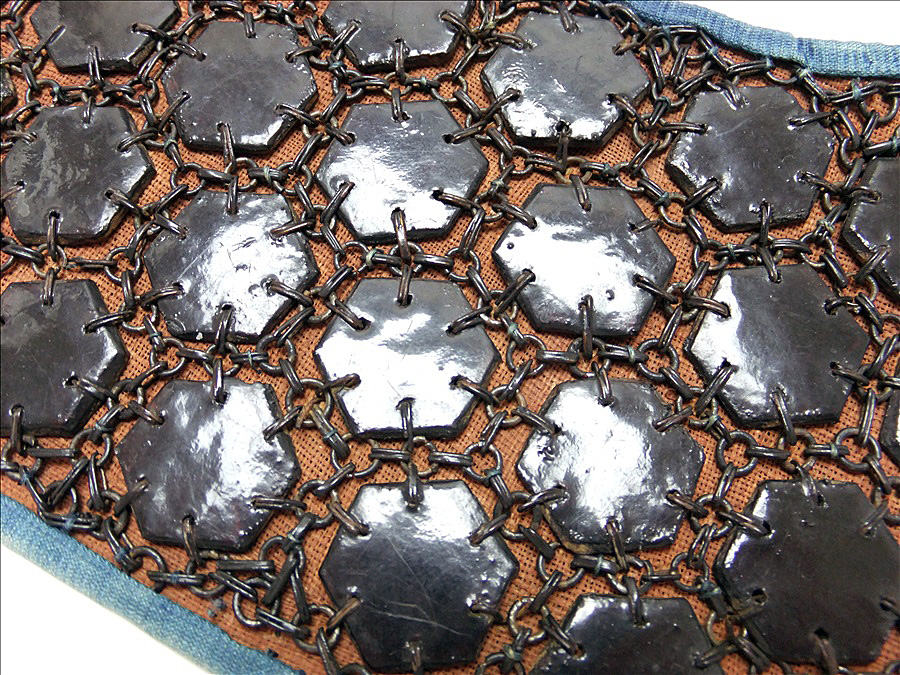
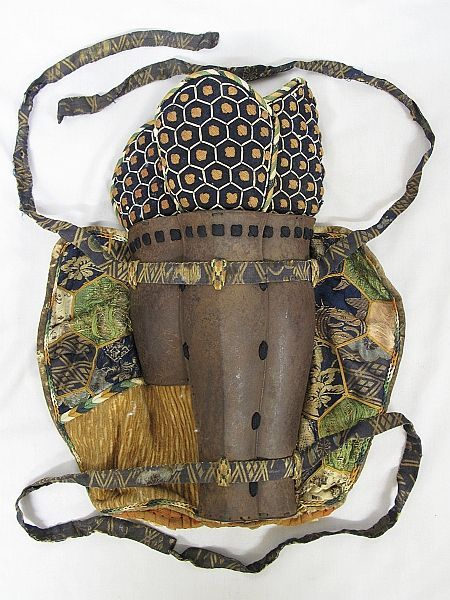
In reality these are tiny hexagonal plates of metal called kikkō-gane). They are sawn into fabric to create an oval protection around the knees (tateage) and are a part of the suneate (shin guard). Below are some pictures to illustrate.