PlayFab walked so the Beamable Network could run.
But PlayFab got acquired by Microsoft.
GameSparks got sunset by Amazon.
The Beamable Network is different:
Decentralized. Composable. Built to last.
Unstoppable games need unstoppable infra.
And when you put the backend into the hands of the community, there’s no off switch.
TLDR: Why Web3 Gaming Actually Makes Sense (Part 4: The Numbers)
Time for real talk about metrics.
Not marketing stats.
Not whitepaper promises.
Actual numbers from live games.
Traditional game infrastructure:
- 6-12 months setup
- $150K minimum to launch
- 30-40% ongoing costs
- Multiple teams needed
- Regional scaling issues
What we're seeing with decentralized infrastructure:
- 85% faster deployment
- 70% cost reduction
- Sub-50ms latency
- 99.99% uptime
- Global coverage by default
But here's what really matters:
Your devs spend time making games better instead of babysitting servers.
Your players get games that work, assets they own, and features that scale.
And the best metric? When your team stops talking about infrastructure because it just works.
Next up: Where this is all heading...
Game developers need three things: speed, reliability, and sensible costs. Everything else is noise.
@solana's architecture matches how games actually work:
- Transactions finish before your next frame renders
- Costs stay low even at massive scale
- Infrastructure that handles millions of players
We're not building for crypto traders. We're building for game developers who need infrastructure that just works.
This is about making games better, not more complicated. 💜
Absolutely thrilled to have been verified from @hotspotty! 💜
Marked against critical criteria for a DePIN project, we’re proud to have received one of the top scores in the history of their evaluations.
DePIN Hub sees the potential. How about you?
TLDR: Why Web3 Gaming Actually Makes Sense (Part 2: Integration Nightmares)
Here's why most Web3 games fail: they're basically building two games at once.
Game 1: The actual game. Unity. Game mechanics. Fun stuff.
Game 2: All the Web3 features. Wallets. Assets. Blockchain.
Two different codebases.
Two different teams.
Double the headaches.
Triple the bugs.
What usually happens:
- Unity devs fight with blockchain integration
- Wallet connections break everything
- Assets don't sync properly
- Players get stuck between systems
- Everyone blames "blockchain issues"
Players don't care if something's "on chain." They care if it works.
This is what actually matters:
- Can they use their items?
- Does the game run smooth?
- Are their assets safe?
- Does everything just work?
The fix? Stop treating Web3 like a separate game.
Your Unity devs shouldn't need to learn Solidity.
Your game shouldn't need five different backends.
Blockchain features should just be another tool in Unity.
Next up: What Web3 gaming looks like when it's done right...
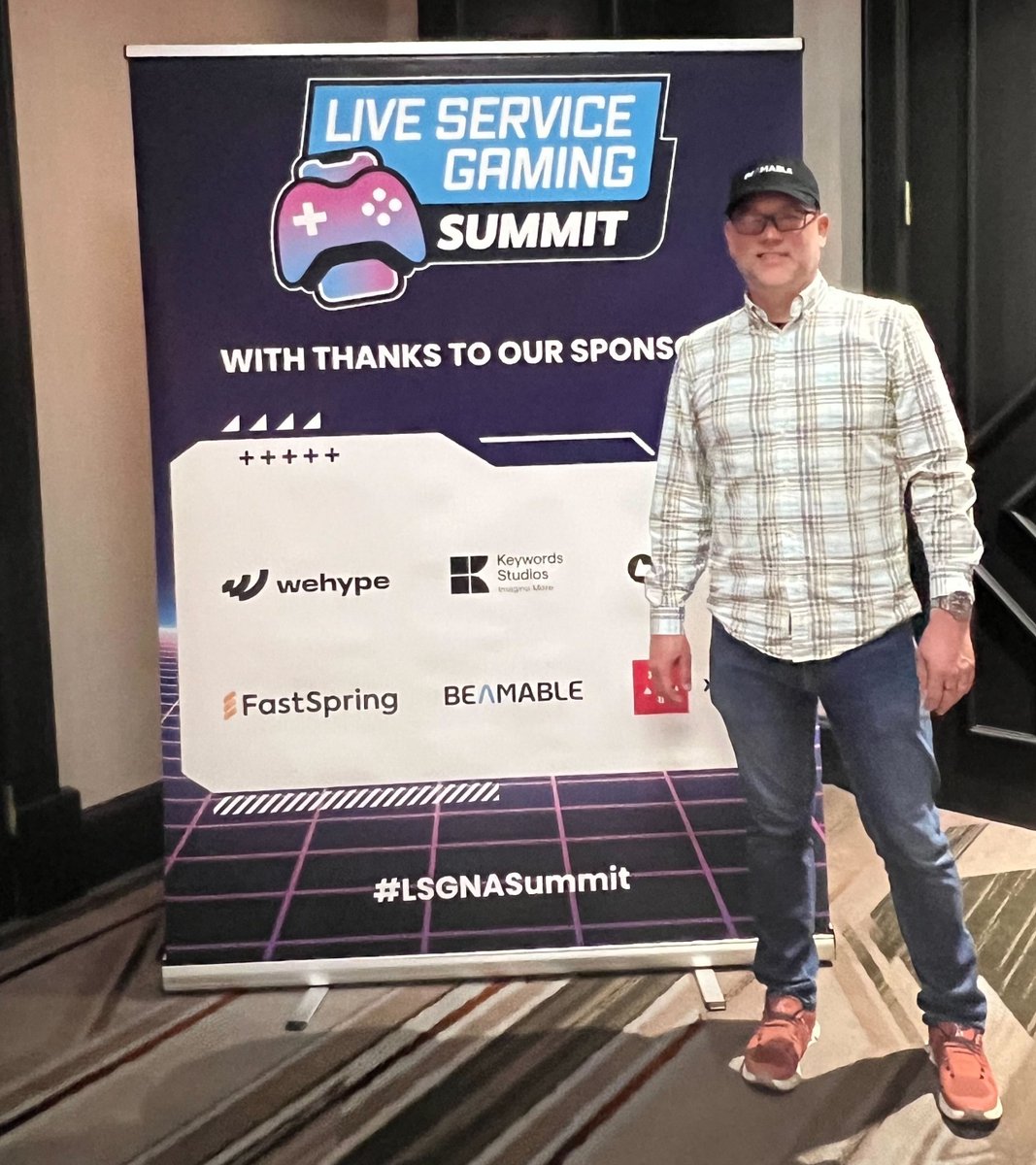
🚨 Live Service Gaming Summit – Austin 🚨
At 10:35 AM CT, TODAY Stream A brings together leaders from PlayStation, Bethesda, Cloud Imperium & @trappermarkelz of Beamable to talk Scalable Game Infrastructure.
If you're building live games at scale — don’t miss it.
🔗 https://t.co/9QEvl4OTsC
TLDR: Why Web3 Gaming Actually Makes Sense (Part 1: Infrastructure)
Forget NFTs and tokens for a minute.
It's time to break down Web3 gaming from the backend - where it actually matters.
Traditional game infrastructure is bleeding studios dry. Let's look at real startup costs:
Building a live game right now? You need:
- Custom servers ($30-50K)
- Database setup ($20-30K)
- Load balancers ($10-15K)
- Content delivery network ($15-20K)
- Scaling systems ($25-35K)
- Backend team ($50K minimum)
That's $150k on the lower end.
Plus 6-12 months just to get this running. Before you write ANY game code.
Web3 changes this entire structure.
Instead of building and maintaining everything yourself, you're using a network of nodes that:
- Handle distribution (no dedicated servers needed)
- Run your game logic (through smart contracts)
- Manage assets (on chain, not your problem)
- Scale automatically (through the network)
You write one set of code. The network handles the rest.
This isn't about blockchain hype. It's about infrastructure that makes sense for games.
Next up: Why most Web3 games get this all wrong...
If you’ve ever:
- Shipped a hotfix at 3AM
- Juggled 6 backend tools to make one event work
- Prayed your servers wouldn’t crash on Day 1
Beamable Network was built for you.
LiveOps should feel like a power-up, not a panic attack.
This episode of the DePIN Hub Podcast is brought to you by @NATIXNetwork 🚗
🎙️ Listen to @jradoff, CEO of @BeamableNetwork, break down how they’re redefining game development from the ground up! 🎮👾
🎮 CONGRATULATIONS, @Beamable! 👾
We're excited to announce that Beamable has 𝘀𝘂𝗰𝗰𝗲𝘀𝘀𝗳𝘂𝗹𝗹𝘆 𝗮𝗰𝗵𝗶𝗲𝘃𝗲𝗱 𝗗𝗲𝗣𝗜𝗡 𝗛𝘂𝗯 𝗩𝗲𝗿𝗶𝗳𝗶𝗰𝗮𝘁𝗶𝗼𝗻. ✅
After thorough evaluation, Beamable has proven excellence in decentralized game infrastructure — giving devs scalable, cost-efficient tools that plug right into Unity and Unreal.
Welcome to the Verified family, Beamable. 🕹️
Explore the rest of the fam: https://t.co/QbHPvUXbAC
Check out Beamable: https://t.co/Xq4t3jWi6K
There are 2 kinds of composability in decentralized infra:
→ Intra-DePIN: Build modularity inside your network (like Beamable’s swappable LiveOps modules)
→ Inter-DePIN: Connect across networks (e.g., using Helium + Beamable + Filecoin together)
Infra that stacks becomes infra that scales.
95% of game studios want in on Live Service games.
But most of them are still relying on brittle, centralized infra.
The real revolution isn’t just in how games are played—
It’s in how they’re run.
Beamable Network is the DePIN solution that will power the next billion players.
The future of game dev is composable.
Studios won’t need to build backend logic. They’ll *remix* it.
Beamable Network is creating the marketplace for reusable game backend components.
Devs can monetize their microservices, because every builder should have that right.
Infra is the new creator economy.
Everyone wants to go viral.
But few teams are ready for what happens next.
Players flood your servers. Traffic spikes.
LiveOps soon becomes an everyday reality, not a future feature.
It’s not the gameplay that breaks. It’s everything around it.
- Servers buckle
- Deployments stall
- Bugs pile up
- Teams go into firefighting mode
And suddenly, your roadmap turns into a triage board.
Not because you didn’t plan.
But because you didn’t have the infrastructure to support success.
This isn’t about scaling later.
It’s about setting your systems up to stay strong with you from day one.
Because in Live Service gaming, the real challenge isn’t going viral.
It’s staying healthy after you do.