I am Boston-bound in a few days!
Carrying excitement & nervousness as I prepare to speak about critical literacy, liberatory praxis, The Miseducation of Lauryn Hill, & multimodal composition & analysis. #NCTE24
I am excited.
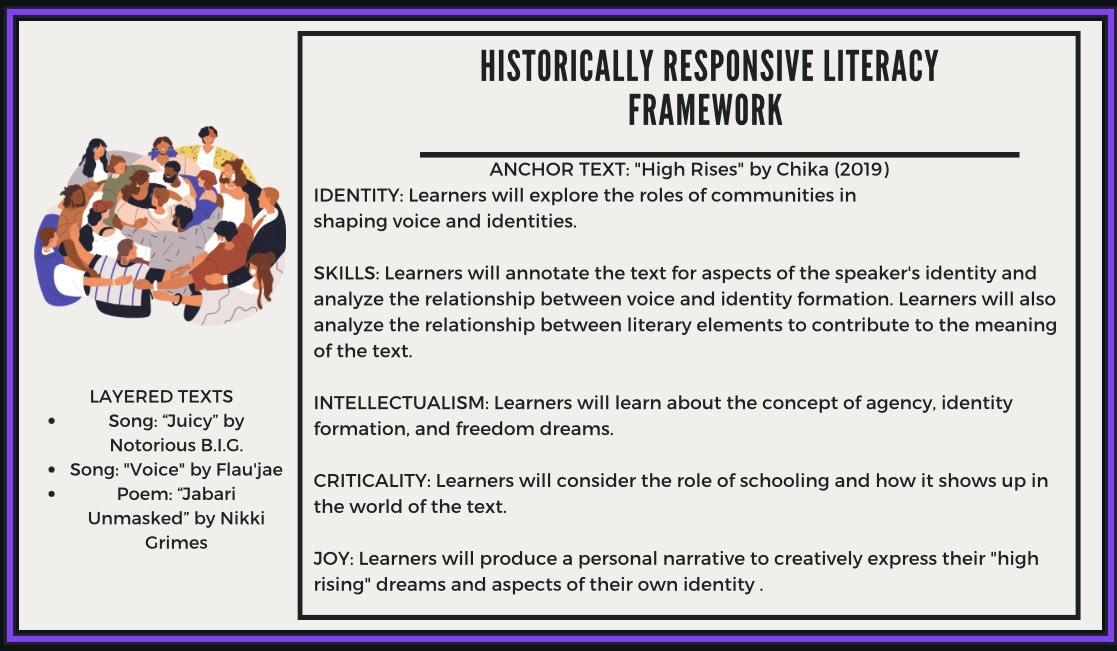
My students’ homework for this weekend was to listen to The Miseducation of L. Hill.We will read, analyze and write about how L. Boogie’s aspects of identity are threaded throughout the songs in her album, live performances, and album cover.
Good morning!
Any recommendations on articles pertaining to literacy practices and identity formation that are digestible
for first-year college students?
Raise your hand if you had an incredible time at #UBGSE's Teaching Black History Conference last weekend! 🤚🏾 We can't wait for next year's conference—Black to the Future: Afro-futurism as Black History.
Mark your calendar for July 26-28, 2024, #UBuffalo!
@DrLaGarrettKing
The 6th Teaching Black History Conference was everything this weekend! Kudos to my staff and attendees. Last, Kudos to all the students who seek a greater understanding of history, our society, and the world, you all are the true reason for our work and dedication! Until 2024!
My spirit is full. Thank you so much for the opportunity to discuss liberatory praxis and learning through critical Hip Hop pedagogy and literacies — namely Pac and K. Dot’s critical works! 🌹🦋@DrLaGarrettKing @UBGSE#TeachingBlackHistoryConference
Teaching Black History Conference Week! Awarding winning k-12 educators/researchers, A National Teacher of the Year, Emmy award winning/nominated musicians, business owners, and overall cool people to vibe, relax, and learn with! Register: https://t.co/640eW68Tu7
I will meet Lil Wayne one day and collaborate on a unit of study that centers Louisiana literature and his lyricism. I feel it in my spirit during this midnight hour. 💭
Join us for the Teaching Black History conference! On day three, we will hold virtual space to discuss transforming learning environments into liberatory spaces using critical Hip Hop pedagogy and literacies — specifically, Hip Hop texts authored by Tupac and Kendrick Lamar!
Sponsors for the Teaching Black History Conference. Looking for more organizations who believe in the importance of Black history to society! Registration link in the thread. #blackhistory365@schoolyardrap1@Schusterman_Org @GibbsSmithEd
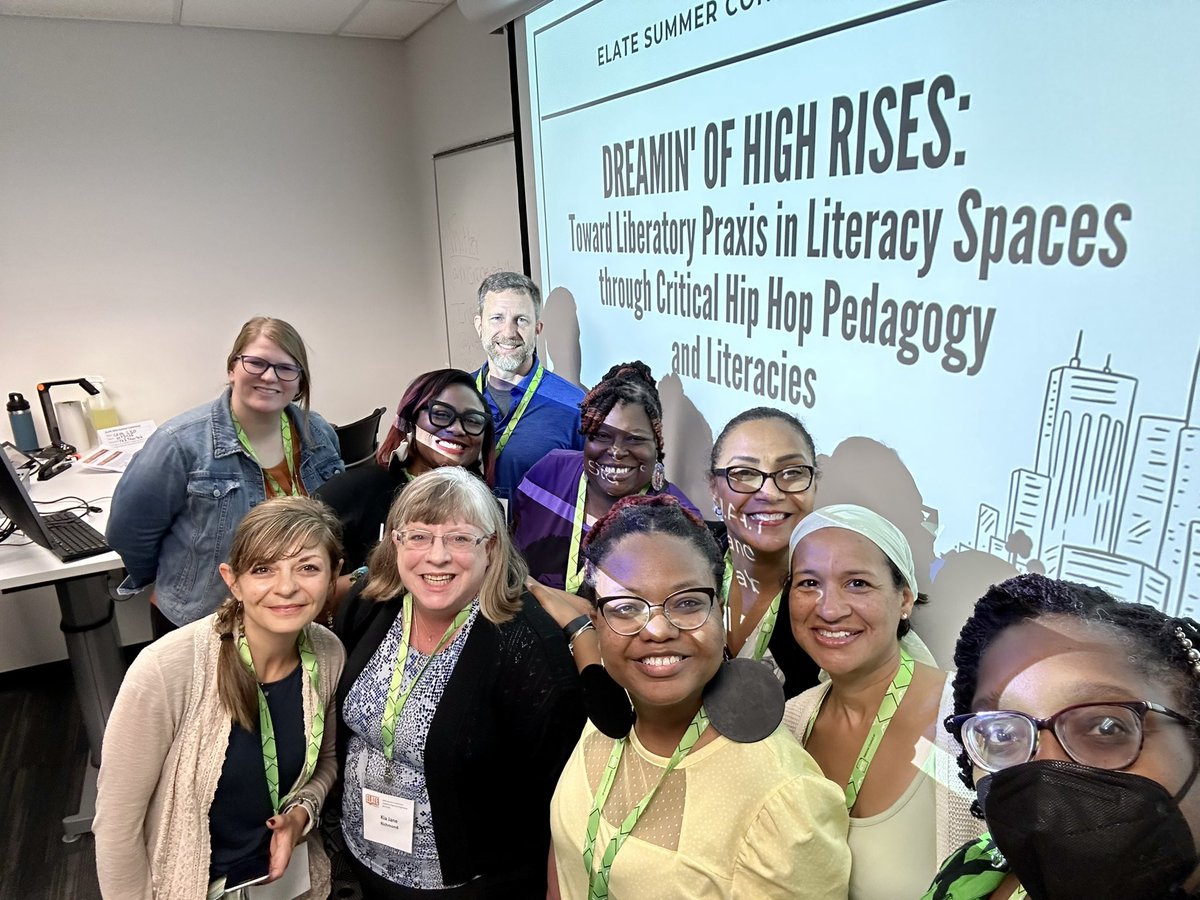
I am full! I had the opportunity to present at the @ncte_elate conference and be in community with passionate ELA teacher educators at my alma mater. I enjoyed the sessions, especially @GholdyM reminding us of joy. Thank God and my benevolent Ancestors! #ELATE23 💛
We are about 22 days away from the Teaching Black History Conference. Hybrid so you can attend in person or virtual. Registration is still open! You can find registration, schedules, hotel information, and much more here: https://t.co/mItxBzUIuH
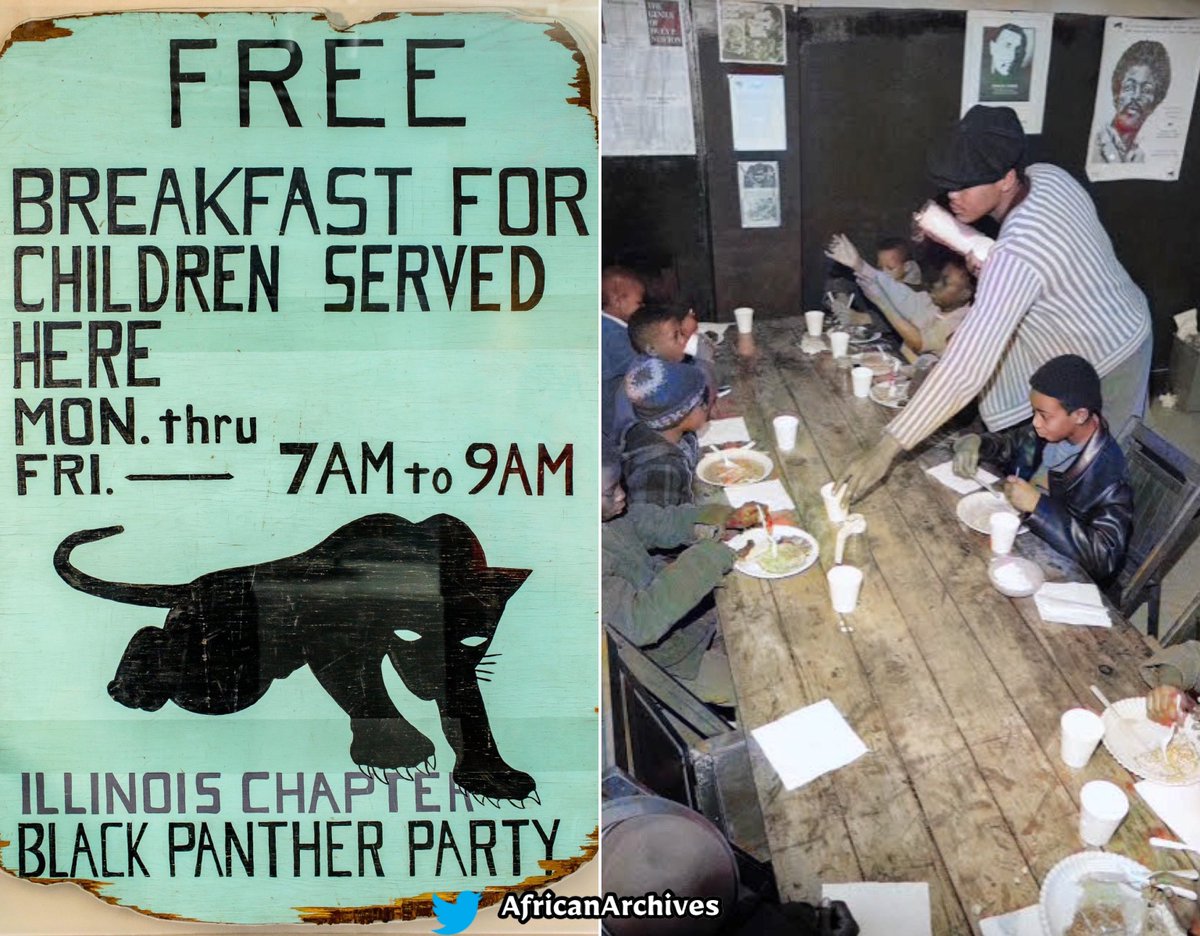
The Black Panther Party first & most notable community program was the Free Breakfast for Children Program.
The program began in January 1969 because poverty forced families to send their children to school hungry.
—By the end of 1969, the Black Panthers were serving full free breakfasts (including milk, bacon, eggs, grits, and toast) to 20,000 school aged children in 19 cities around the country, and in 23 local affiliates every school day. The breakfast program was just one of many programs the Panthers ran to address the needs of the poor. In fact, they developed more that 60 Serve the People programs, including efforts to provide free clothing and shoes, medical services —including drug and alcohol awareness, —legal aid education, and what was thought to be some of the first true early childhood education programs in the nation, preceding Head Start. But the Panthers’ image and focus on self-determination drew the attention of then FBI chief, J. Edgar Hoover. He singled out the Black Panthers as national hate group, and the breakfast program as an act of subversion. Once Hoover went after the Breakfast Program, the handwriting was on the wall. Even though the organizers were careful to consult with nutritionists to make sure the children got high quality, balanced meals, and made sure they had the necessary permits from the health and fire departments for the kitchens and halls where they served meals, they became regular targets of local officials. The children they served were caught in the middle.—