I open-sourced powregister — a PoW registration tool for Bittensor subnets.
CPU & CUDA GPU solving, auto wallet funding, multi-subnet scanning, and more.
https://t.co/Mccj4IZsIQ
Ek olarak;
- Ticaret Odasına üyelik ve Bağ-kur zorunluluğu kaldırılırsa
- Geçici vergi yerine takvim yılı bazında tek vergi dönemine geçilirse
- Paypal vb uluslararası bir ödeme sistemine izin verilirse
Teknoloji geliştirme ve startup ekosistemi özelinde altın çağ yaşarız 🤝
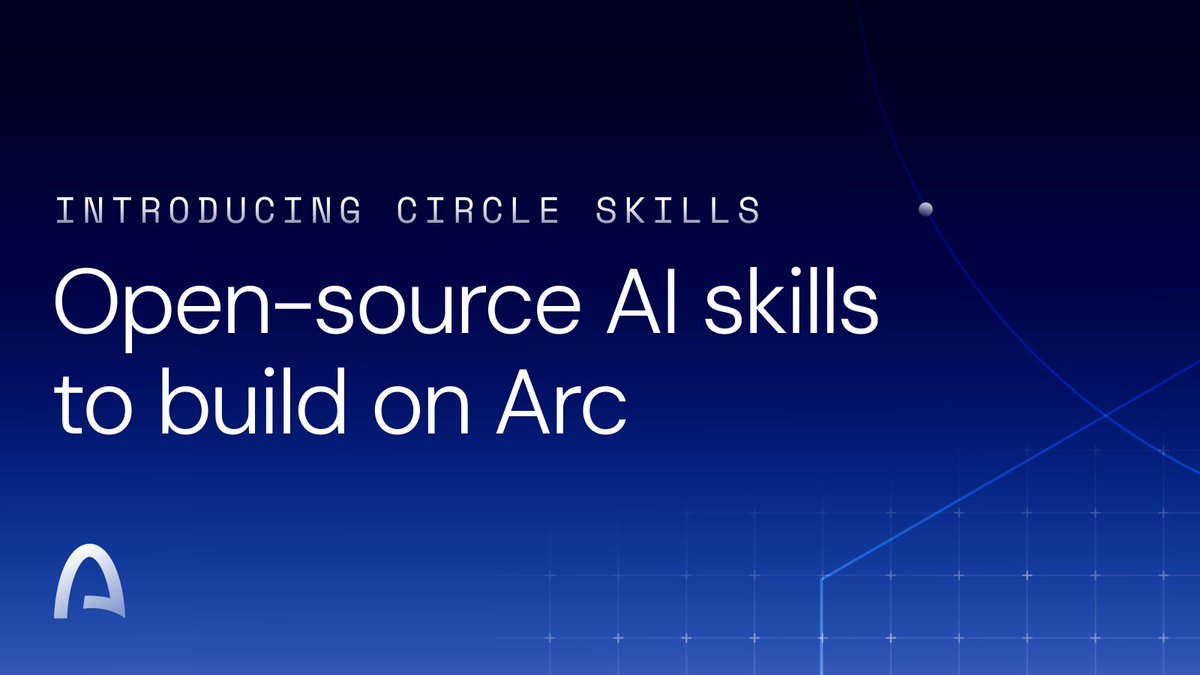
AI agents are becoming builders.
Circle Skills now support building with Arc and Circle’s full-stack platform, giving AI coding tools best-practice guidance for stablecoin-native applications.
Use them with Cursor, Claude Code, Codex, or any agent to generate Arc integrations for:
→ @USDC payments
→ Crosschain flows
→ Wallet infrastructure
→ Smart contract logic
https://t.co/tHJuj8qVPi
we just released 𝚙𝚘𝚜𝚝𝚐𝚛𝚎𝚜-𝚋𝚎𝚜𝚝-𝚙𝚛𝚊𝚌𝚝𝚒𝚌𝚎𝚜, inspired by Vercel's 𝚛𝚎𝚊𝚌𝚝-𝚋𝚎𝚜𝚝-𝚙𝚛𝚊𝚌𝚝𝚒𝚌𝚎𝚜
these are the Agent Skills that we use on the supabase platform - including performance, security, & schema design
details ↓
https://t.co/7GOYpuin6e
congrats! first feedback from me:
I downloaded the app and created a wallet. After closing and reopening the app, I was prompted to import the wallet again using the seed phrase. From a user experience perspective, I would normally expect the wallet I had already created to be restored automatically.
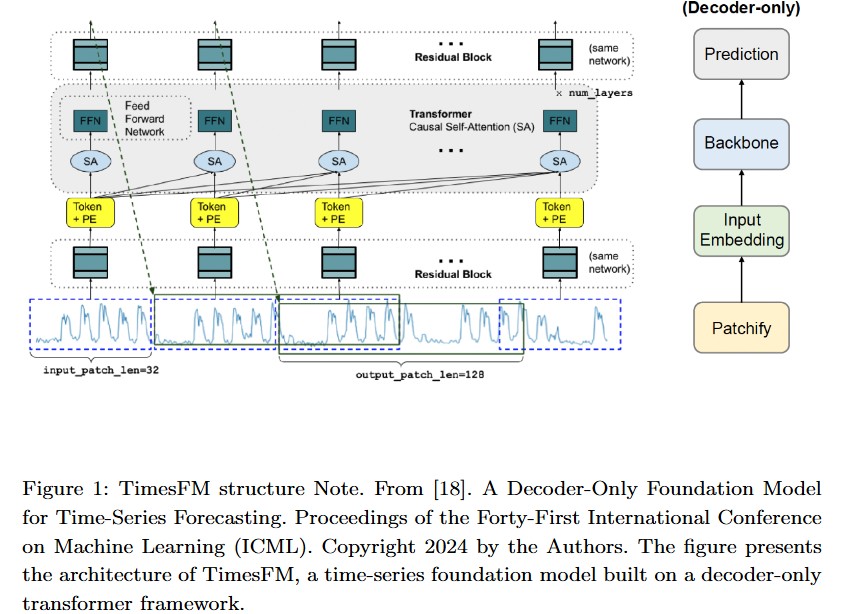
"Foundation Time-Series AI Model for Realized Volatility Forecasting": "Time series foundation models... are trained on numerous diverse datasets and claim to be effective forecasters across multiple different time series domains." https://t.co/fSBLhd5Ekw
Building an arb bot from scratch meant:
- Maintain nodes, for every chain
- Index and debug DEX logic, for months
- Implement a graph search algorithm
- Write an efficient and safe routing contract
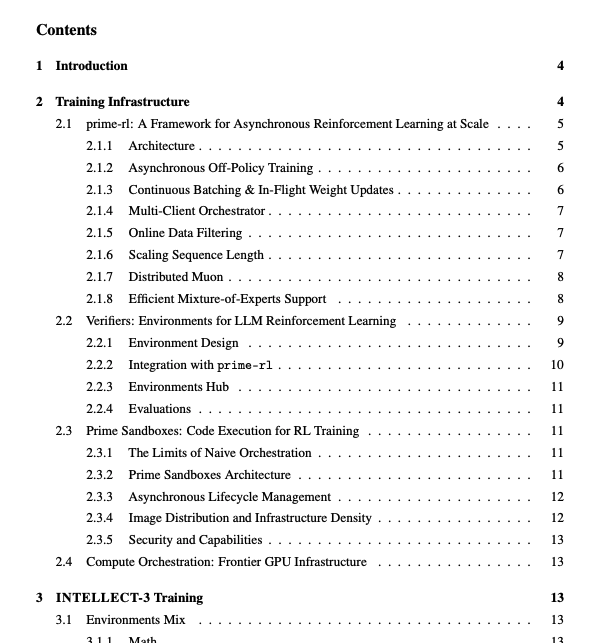
We've reached a major milestone in fully decentralized training: for the first time, we've demonstrated that a large language model can be split and trained across consumer devices connected over the internet - with no loss in speed or performance.
How to build a dynamic $TAO portfolio that gives you enough exposure to profit from upswings, while still having enough “dry powder” to buy potential dips? (Part 1)
Building a portfolio is a fine art, a skill to master, not something you just learn over time, and certainly not something to take lightly. In this series, we’ll try to give you some guidance on building your own portfolio.
This first article focuses on $dTAO specifics.
Within dynamic TAO, there are multiple forces at play:
Emission: The higher the price of an Alpha token, the higher the TAO emission the subnet receives. This directly translates into a higher APY for you as a token holder. The subnet also gets a higher reward, which can be reinvested into its development. If you’re looking at long-term, lower-risk bets with potentially lower volatility, this is probably it.
Subnet teams: With early investments, people are everything. Be sure to do your research on the teams behind each subnet. This will make a difference.
Early Alpha dilution: Subnets are still new. Subnet 64, for example, only has 3.9% of its supply in circulation. Every day, supply is increased by around 1.34% (source). So even though a subnet may have an amazing use case, you're still early. Supply will be diluted. Put the price into perspective relative to the fully diluted valuation. And ask yourself if you’re willing to hold a certain subnet long-term with that in mind.
Root proportion: See here. Fill in the values from the subnet you're investigating. For subnet 64, the root proportion equilibrium is currently at 20 days. That means in about 20 days, root stakers and Alpha stakers roughly split emissions 50/50. This helps reduce sell pressure. Newer subnets (from number 65 onward) will have less supply, and their equilibrium will be further out.
Liquidity pools: dTAO subnets work with liquidity pools. Be sure to check how much Alpha or TAO is in the pool so you can get a sense of how much TAO you can realistically stake. Generally speaking, subnets with a longer lifetime have deeper liquidity pools, allowing for larger stakes.
Sum of Alpha: This is an interesting metric with multiple schools of thought. Some argue that the total sum of Alpha should be around 1, since all subnets are part of the TAO network, their combined value should theoretically be 1. But that assumes rational markets, which is rarely the case. A premium is expected when there’s general hype in dTAO, and a discount could be possible when sentiment cools. Use the sum of Alpha to time your market exposure. So far, the market has been quite volatile and the sum of Alpha has only been higher than 1. Keep your FOMO in check, what goes up probably comes down again. Don’t chase a pump. Practice stoicism and wait for price to return to your zone.
Hope that gives some direction.
In the next article, we’ll talk about different subnet use cases and how to construct a balanced portfolio while keeping some cash available for new opportunities.
#Bittensor #Crypto
Today, the Herd beta officially launches.
Get ready for the easiest way to search and understand anything onchain. No more fumbling about contracts and transactions, wondering what's happening where.
We've combined etherscan, google, and chatgpt into one app.
https://t.co/LojAJFR35U