Anyone got a pdf copy of this? Including tables?
Garstang W (1905) Report on the trawling investigations, 1902–3, with especial reference
to the distribution of the plaice. International Fisheries Investigations......Marine Biological Association, Plymouth, UK, 67–198.
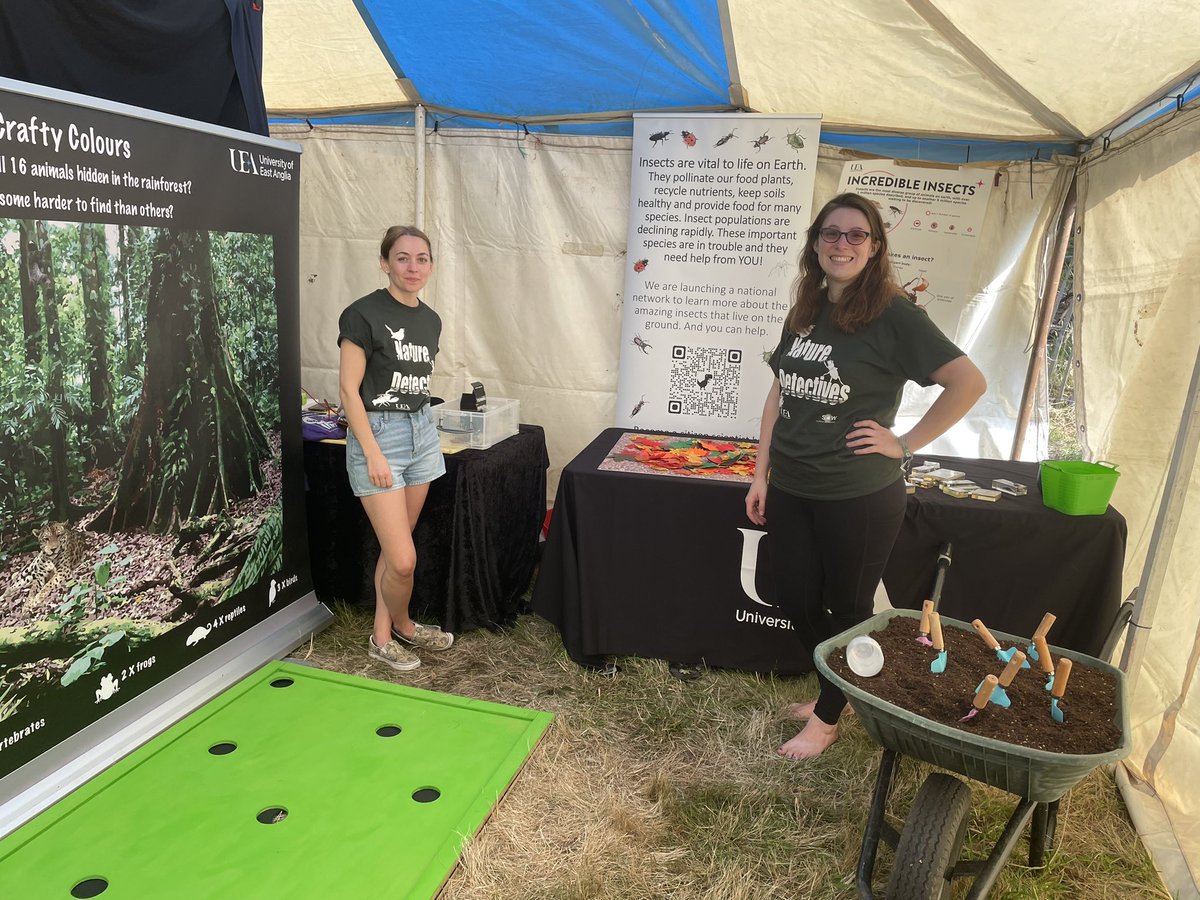
We are going to #Latitude!
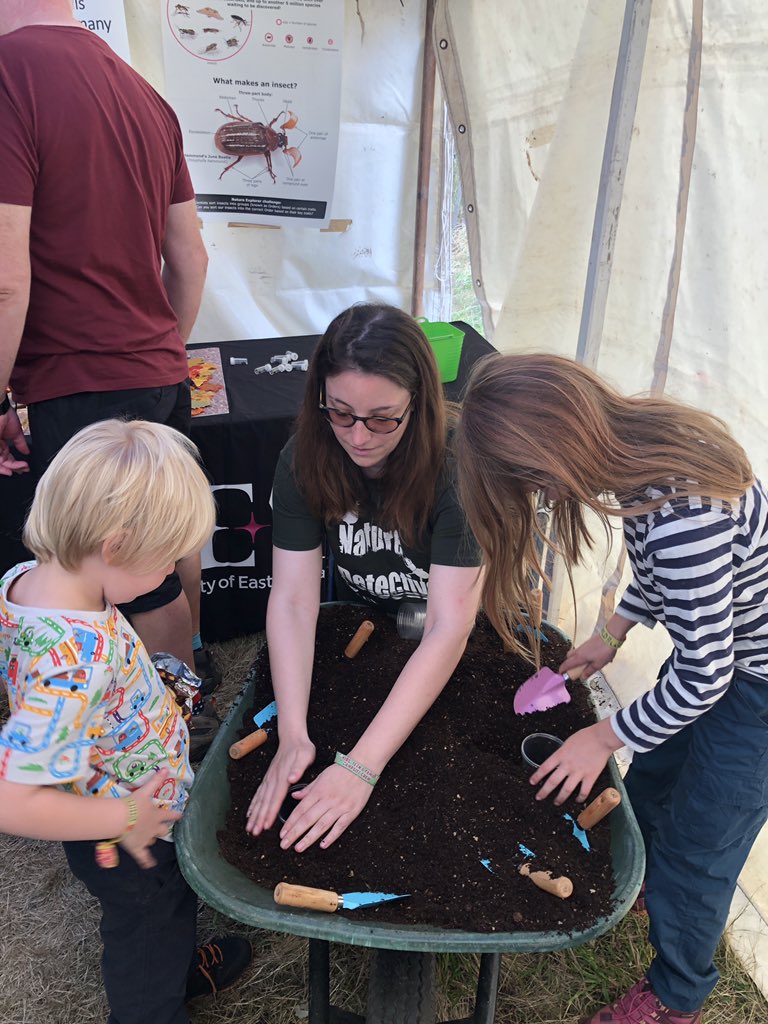
Come and find us in the kids area and become #NatureDetectives
Find out the interesting way we can tell a lobsters age, explore the different songs made by our feathery friends and what's happening to the beetles in the UK.
#biodiversity
Getting our top secret #NatureDetective files ready for @LatitudeFest!
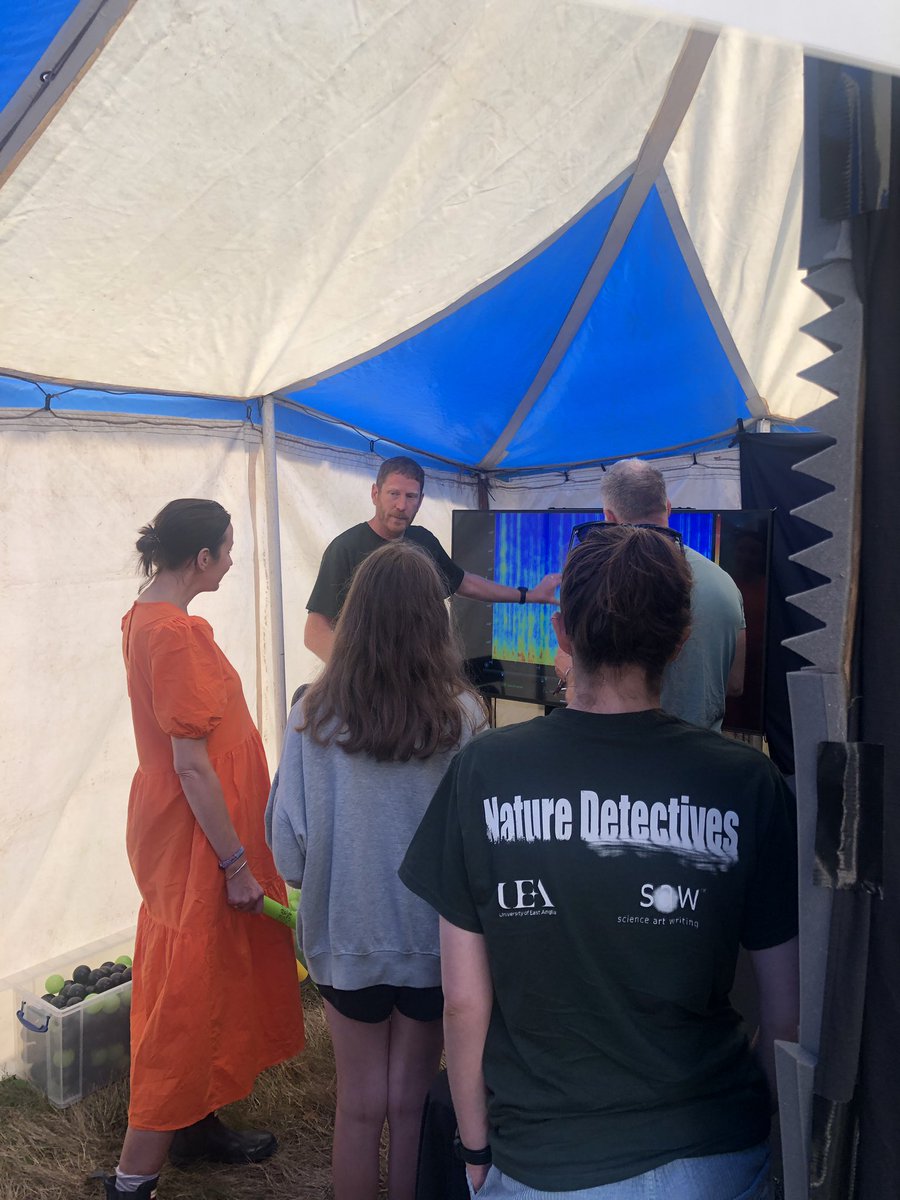
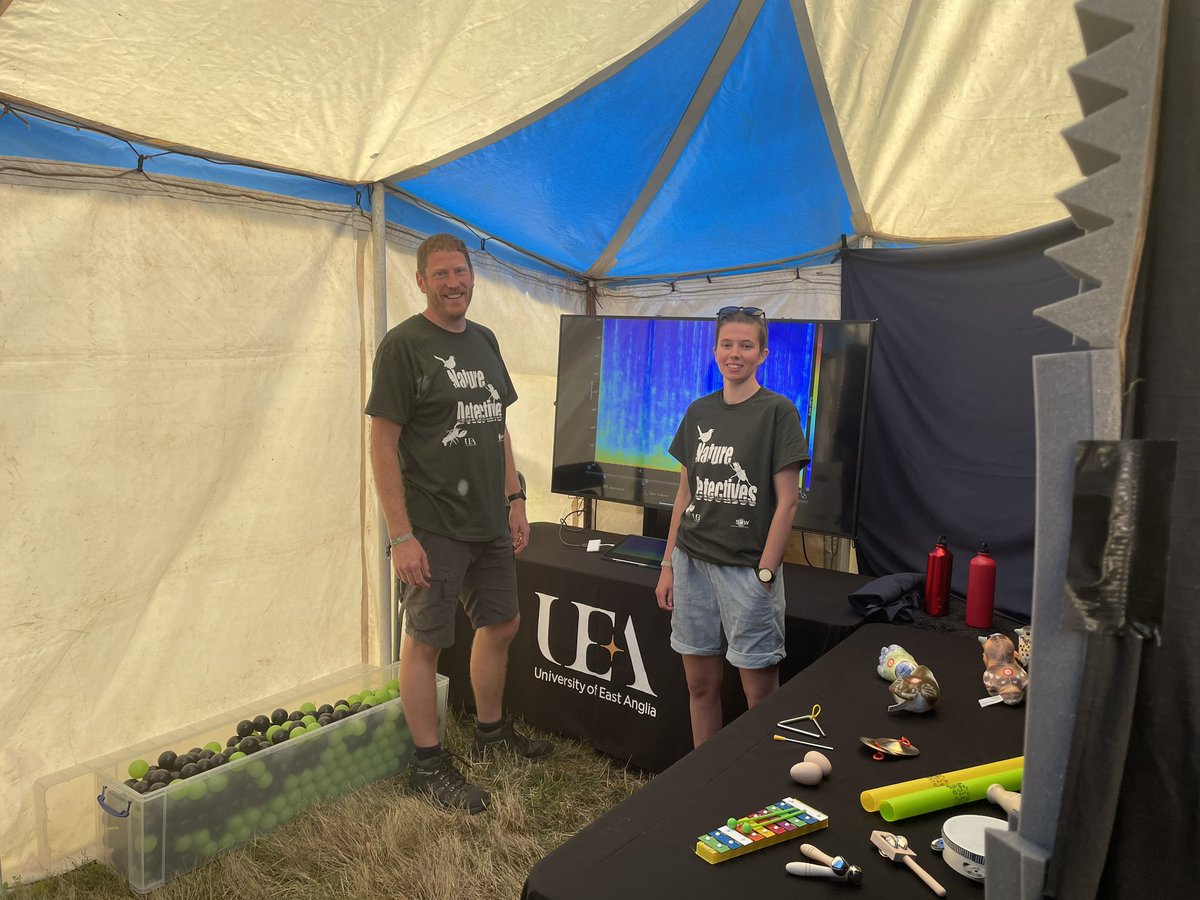
With our friends from @biouea, we'll be listening to #bird song in our sound lab, talking citizen science with #beetles, and looking at how to tell the age of a #lobster!
Come and find us in the kids area!
#NatureDetectives@LatitudeFest Have you ever heard the call of the European green woodpecker?
Come and find us at Latitude this weekend to learn more about the unique calls birds make in our sound lab.
#educational#Latitude23
A visually stunning talk by @pansdamen at the #icc10 meeting on jellyfish associated amphipods. Yes, amphipods live inside many spp. of jellyfish! Could this help explain why so many fishes consume jellyfish? (https://t.co/bLQQSblMDy)
#ParaZoo@lamb_ecology
@PhilipLeftwich I’m sure it’s absolutely fine. They’ve only stolen names, dobs, NI numbers and pension member numbers. What could a malevolent person possibly do with that lot?
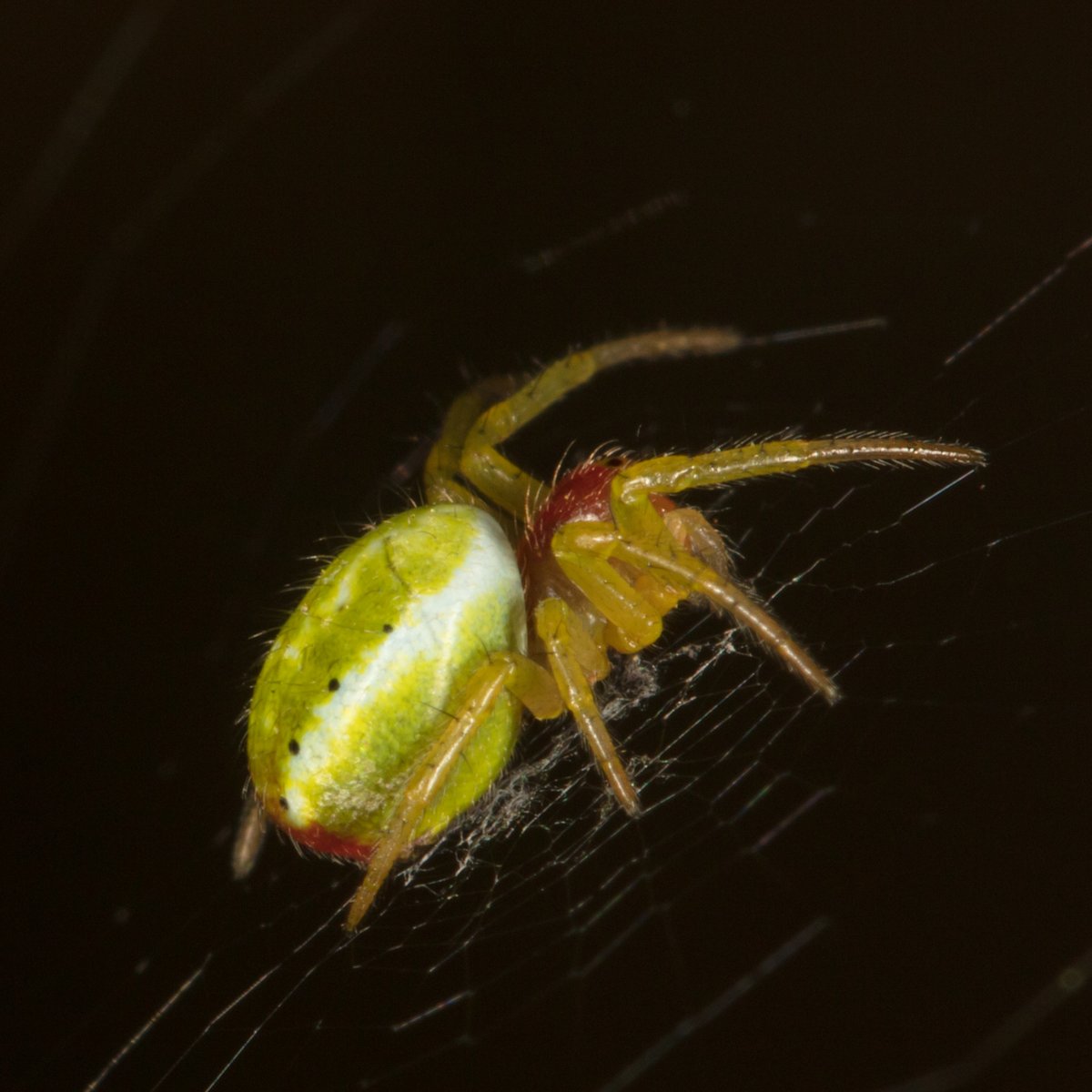
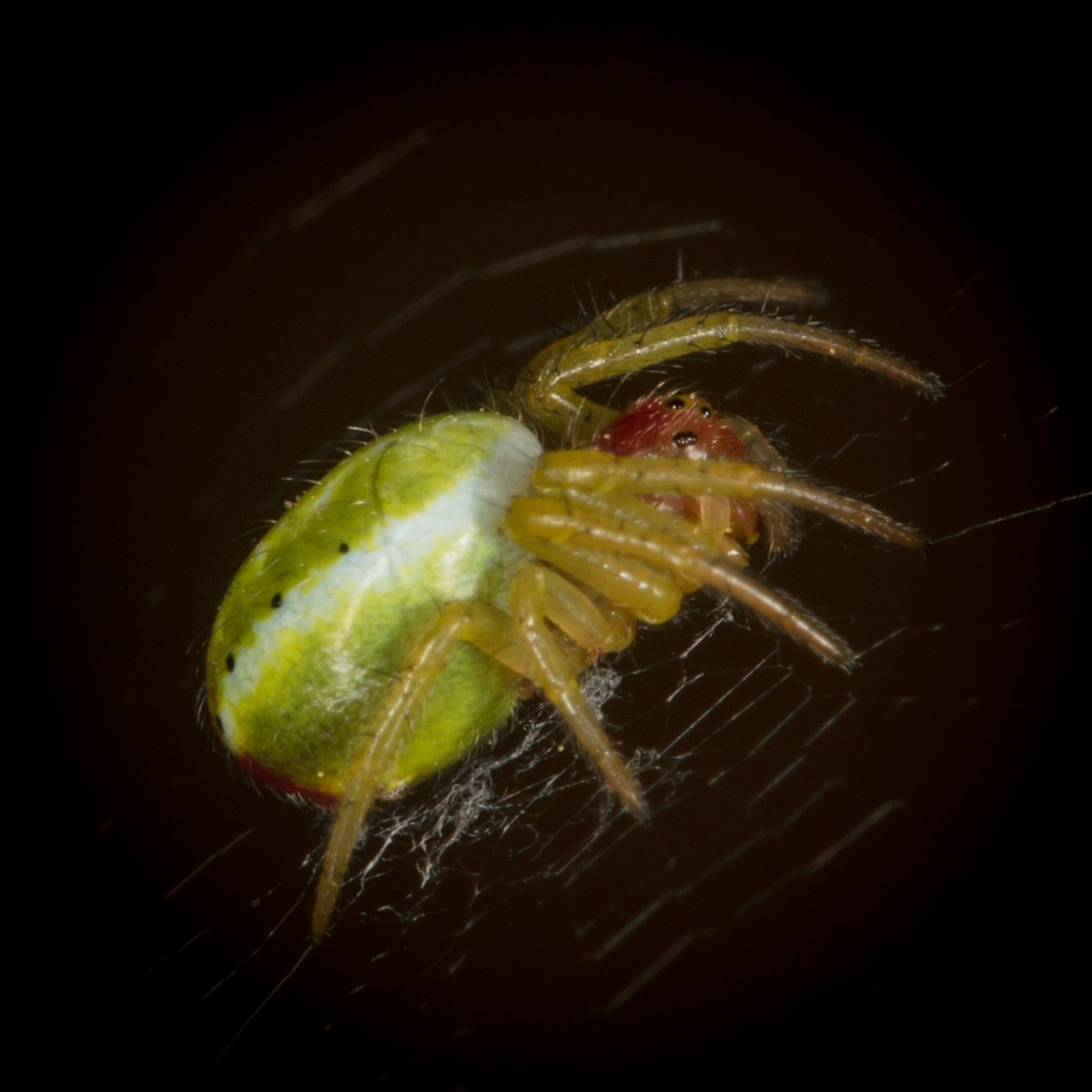
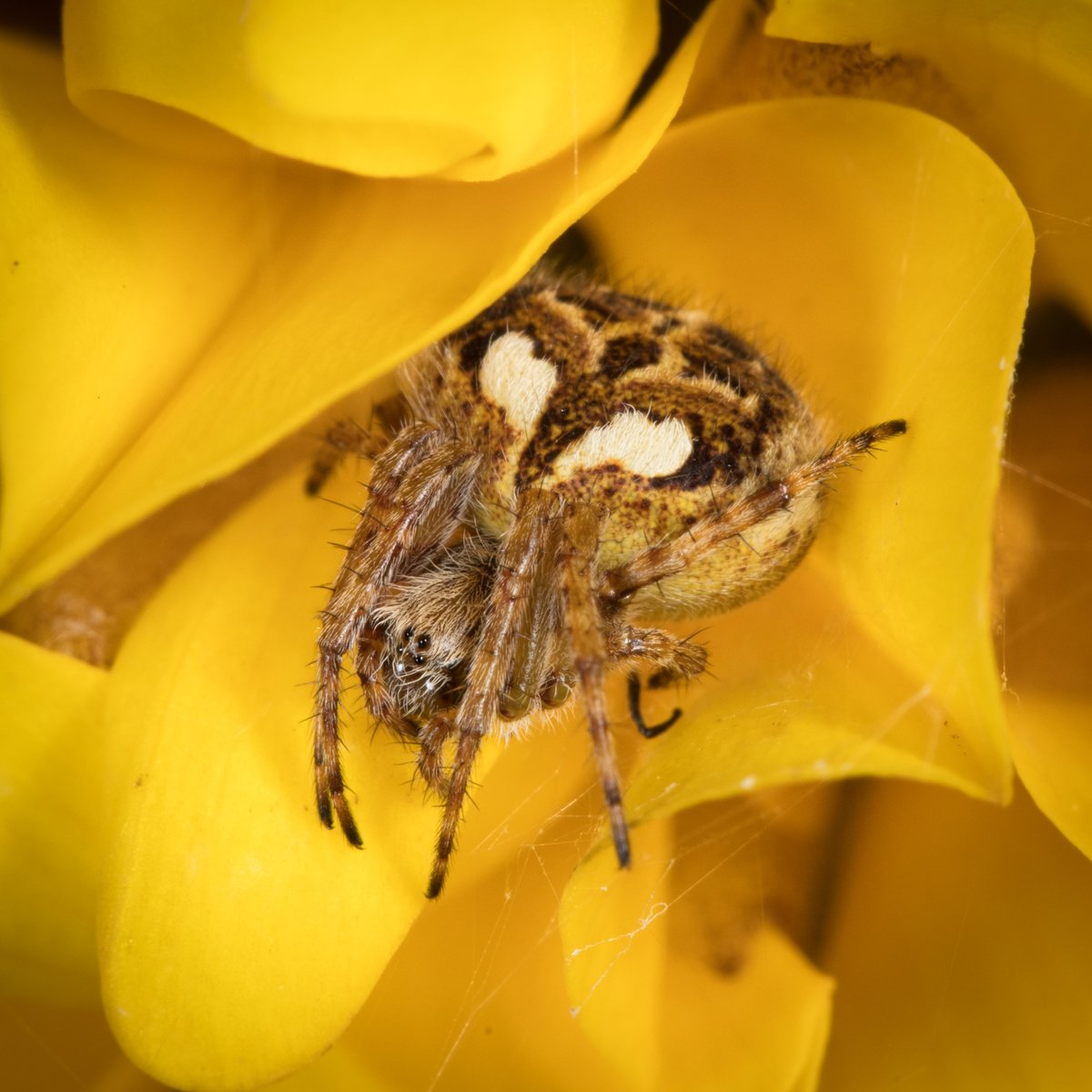
A couple of spiders found on gorse. A cucumber green orb weaver (Araniella cucurbitina sensu lato) and what looks like a furrow orb weaver (Larinioides cornutus).
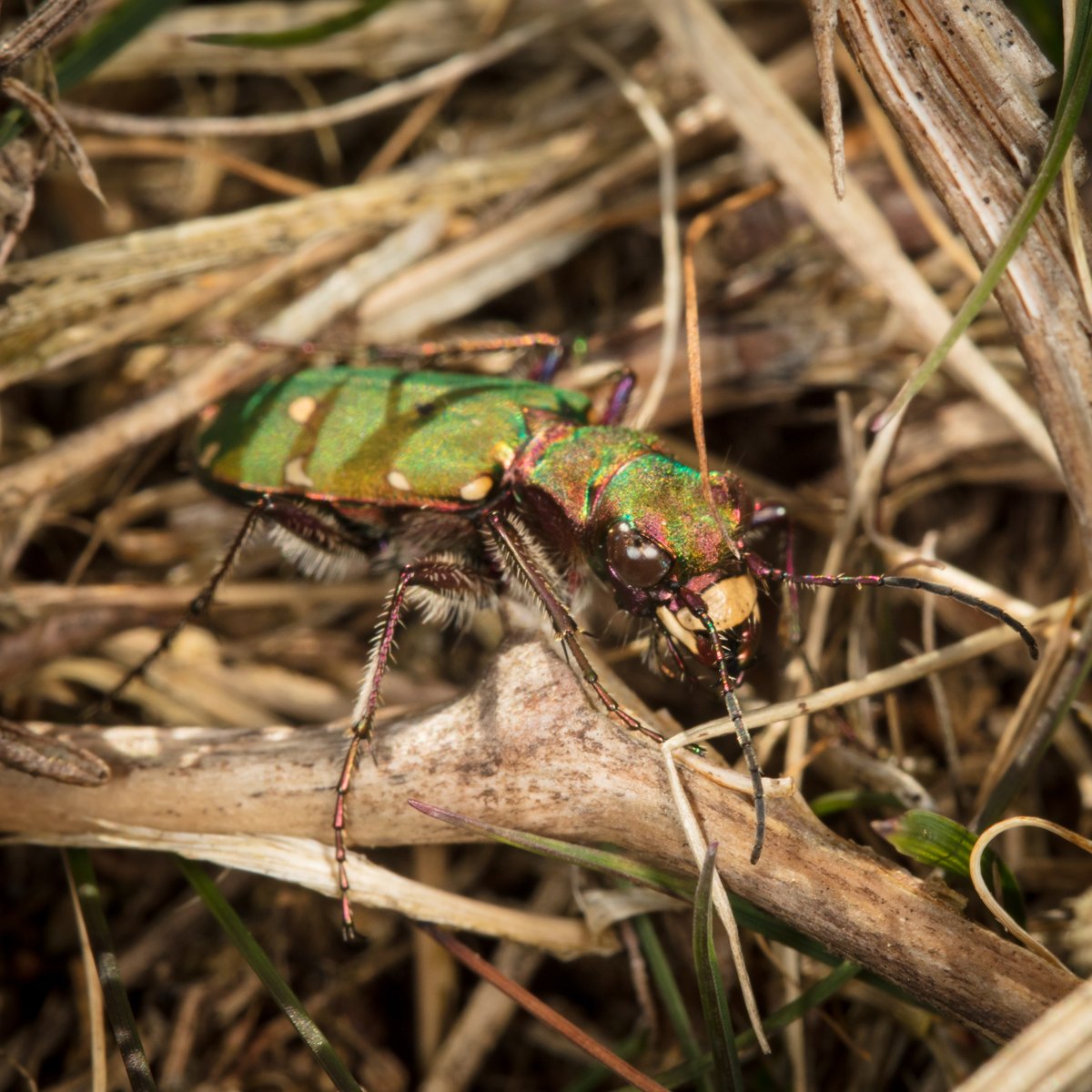
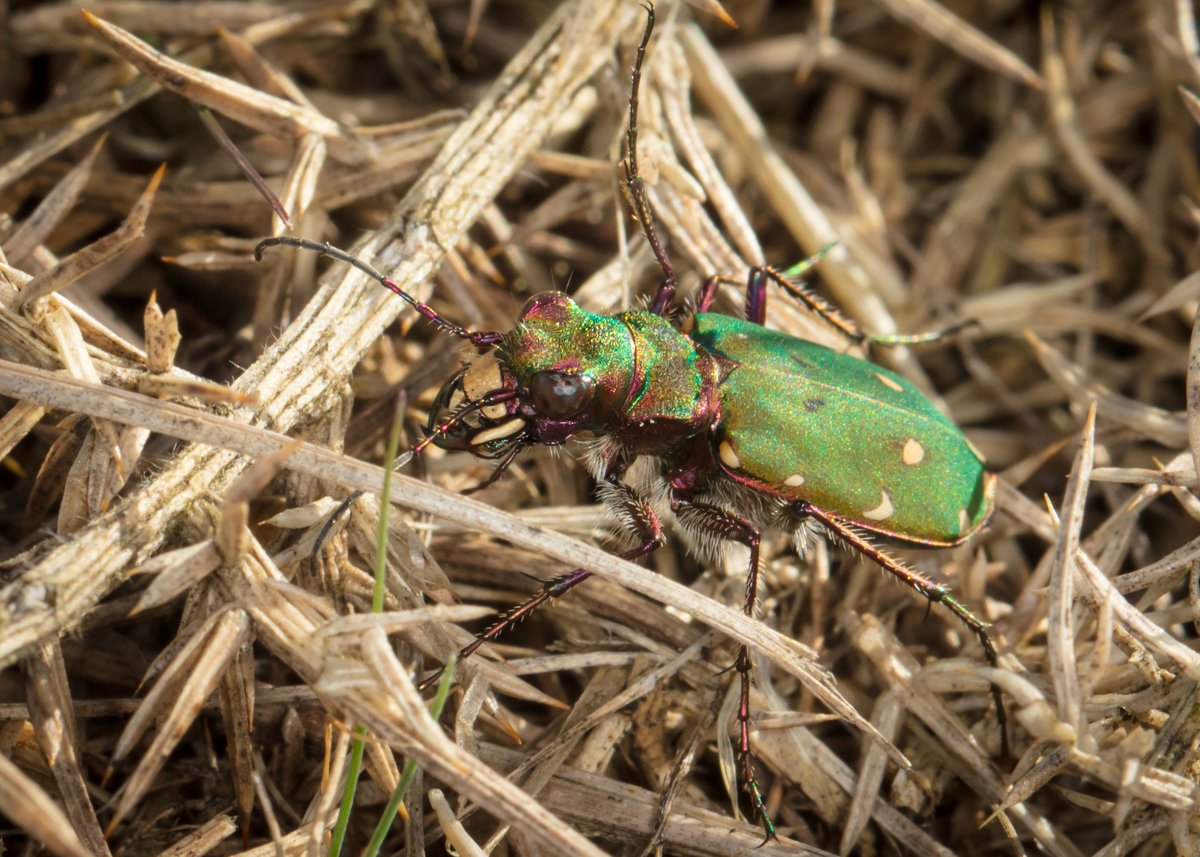
What a beetle! The green tiger beetle (Cicindela campestris) which is armed with an impressive set of jaws and is by all accounts a formidable predator.
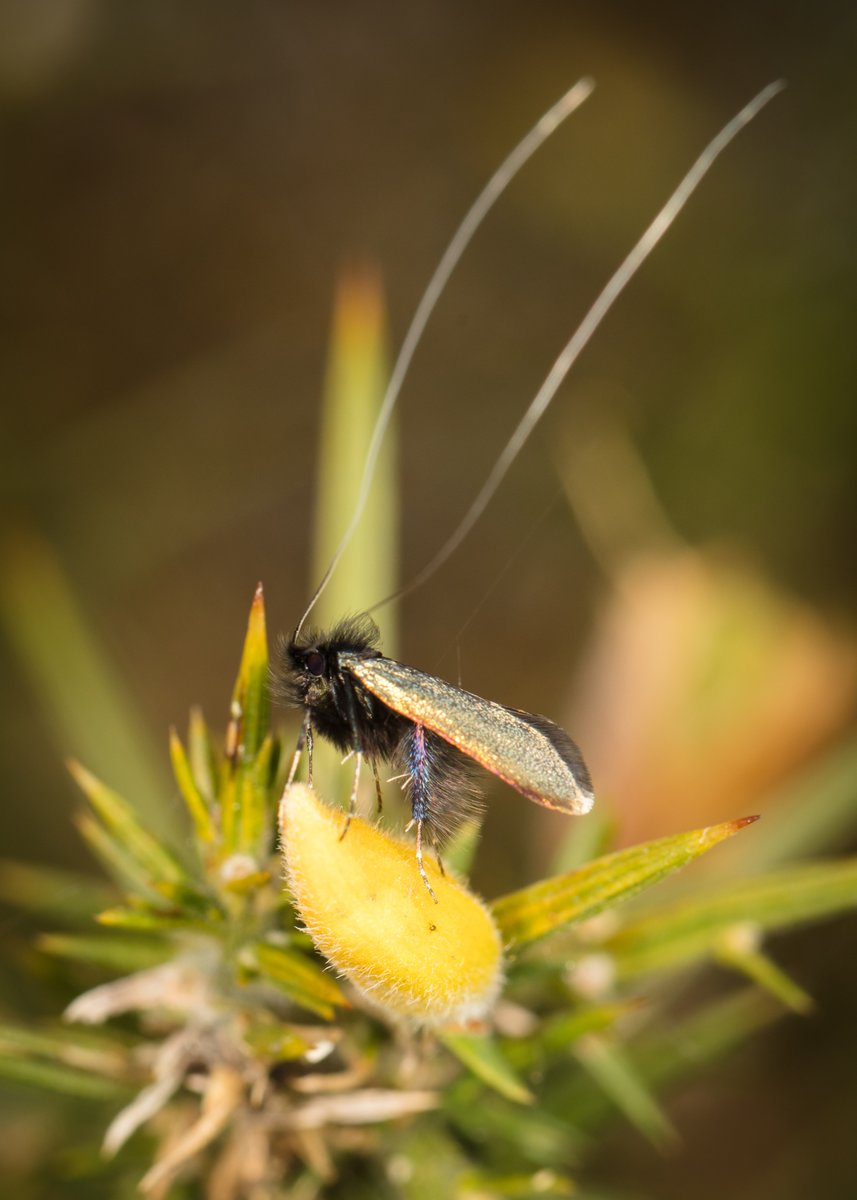
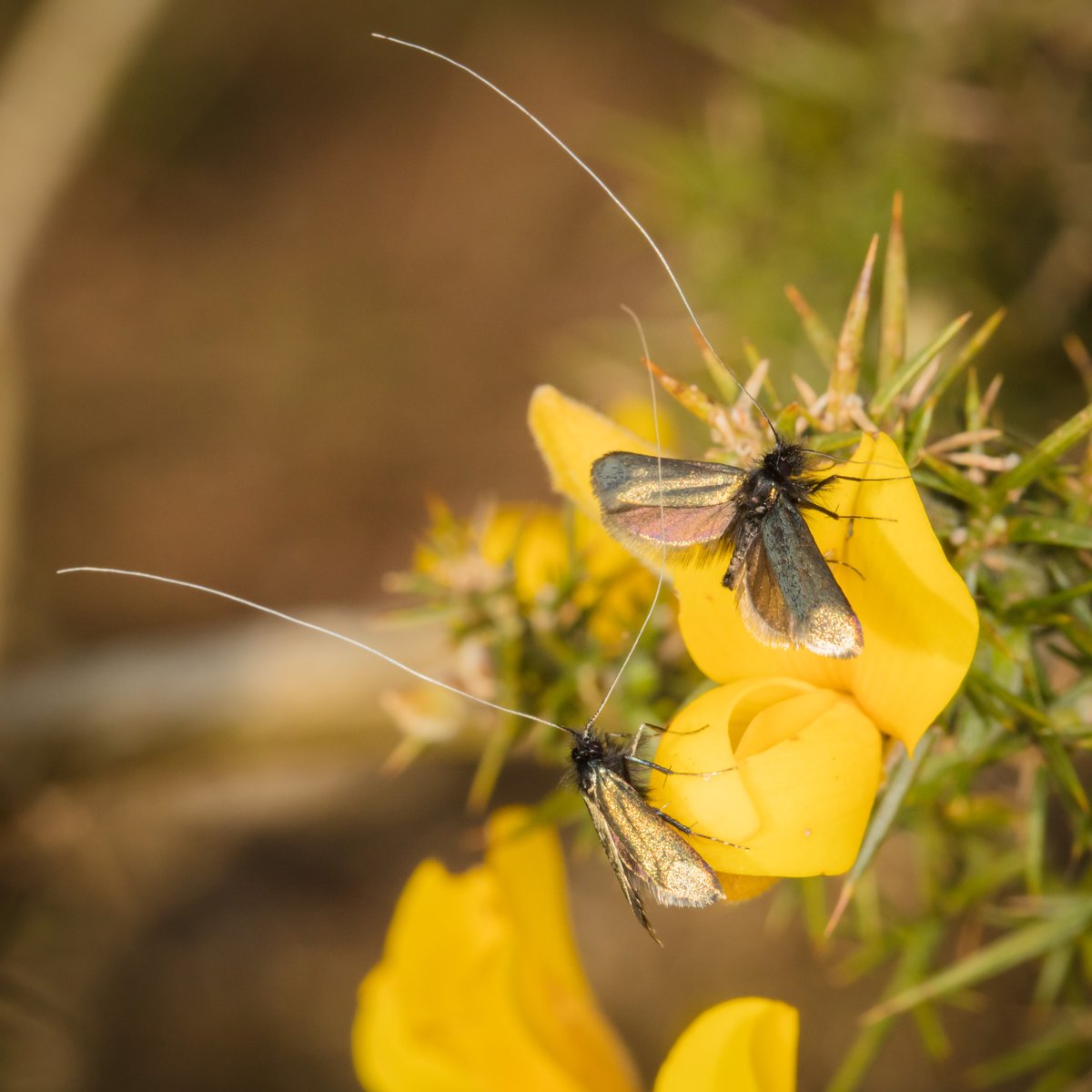
The amazing Green longhorn moth (Adela reaumurella). Males have extremely long antennae and appear to court femaies in lek like aggregations. These were found on gorse in N Norfolk, UK.
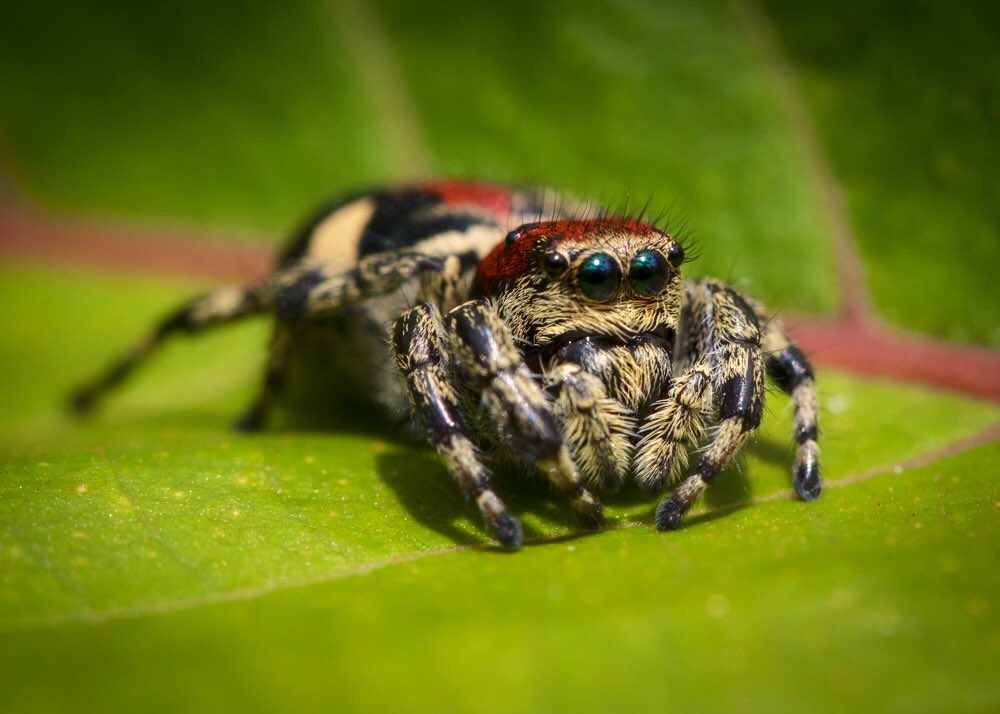
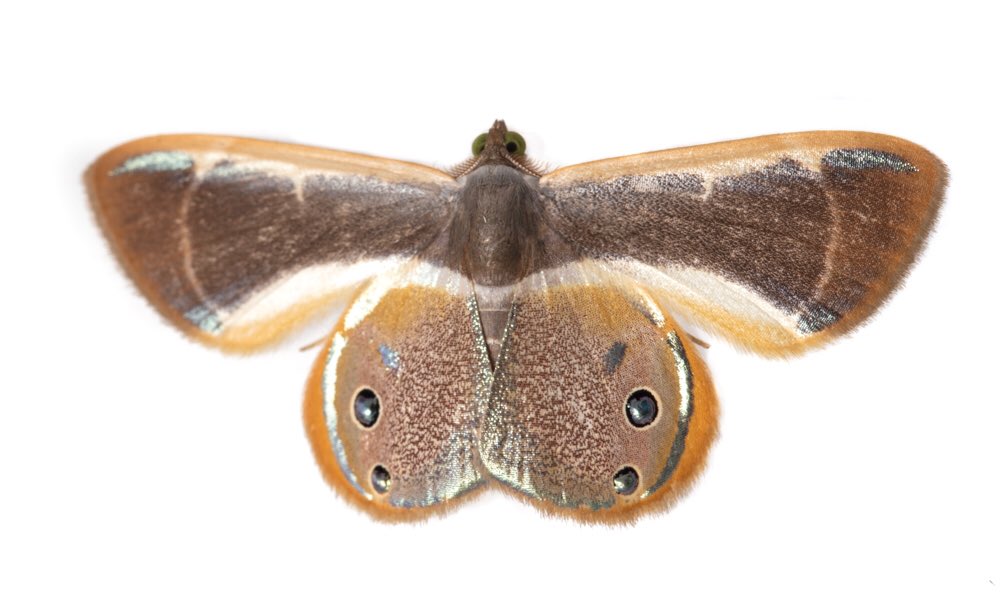
Eye spots are common in Lepidoptera and may startle predators or deflect attacks away from the head. This Peruvian moth has raised metallic eye spots that look very similar to spider eyes. Another example of predator mimicry? @buchanding@j_gilroy1@coleopteriste
Here is sp of plume moth (Pterophoridae) from Peru that may be a mimicking a mantid nymph. Possibly a rare case of predator mimicry where prey mimics a predator to avoid attack. This also occurs in Brenthia moths that mimic jumping spiders. @buchanding@j_gilroy1@coleopteriste