Cristiano Ronaldo is the world’s highest-paid athlete, with earnings of $300 million for the past 12 months, and now has a net worth estimated at $1.2 billion. https://t.co/Je90BfqR0U (Photo: Tim Clayton via Getty Images)
I’VE JUST SEEN HIM!!!!!
his name is Dounawan al-Mishal !!
he is pretending to be a basketball player for the Cleveland Cavaliers and now goes under the name “Donovan Mitchell” !!!!!
Manchester United…
Makes you wonder.
Why weren’t they in for Xabi Alonso?
Michael Carrick can still succeed at the club, sure, but not in the way that Alonso could.
Alonso is a perfectionist. Like Arteta.
Carrick closer to Slot (except worse). More reliant on the players.
[NEW ON THE BLOG] 🚀
Upgrading a production database is a high-stakes infrastructure decision.
When Amazon ended support for Aurora MySQL 5.7, we had 11 production clusters to migrate to 8.0, all powering critical payments.
Here’s how we did it 👇🏾
https://t.co/vpLIz1JfB5
I'm joining @OpenAI to bring agents to everyone. @OpenClaw is becoming a foundation: open, independent, and just getting started.🦞
https://t.co/XOc7X4jOxq
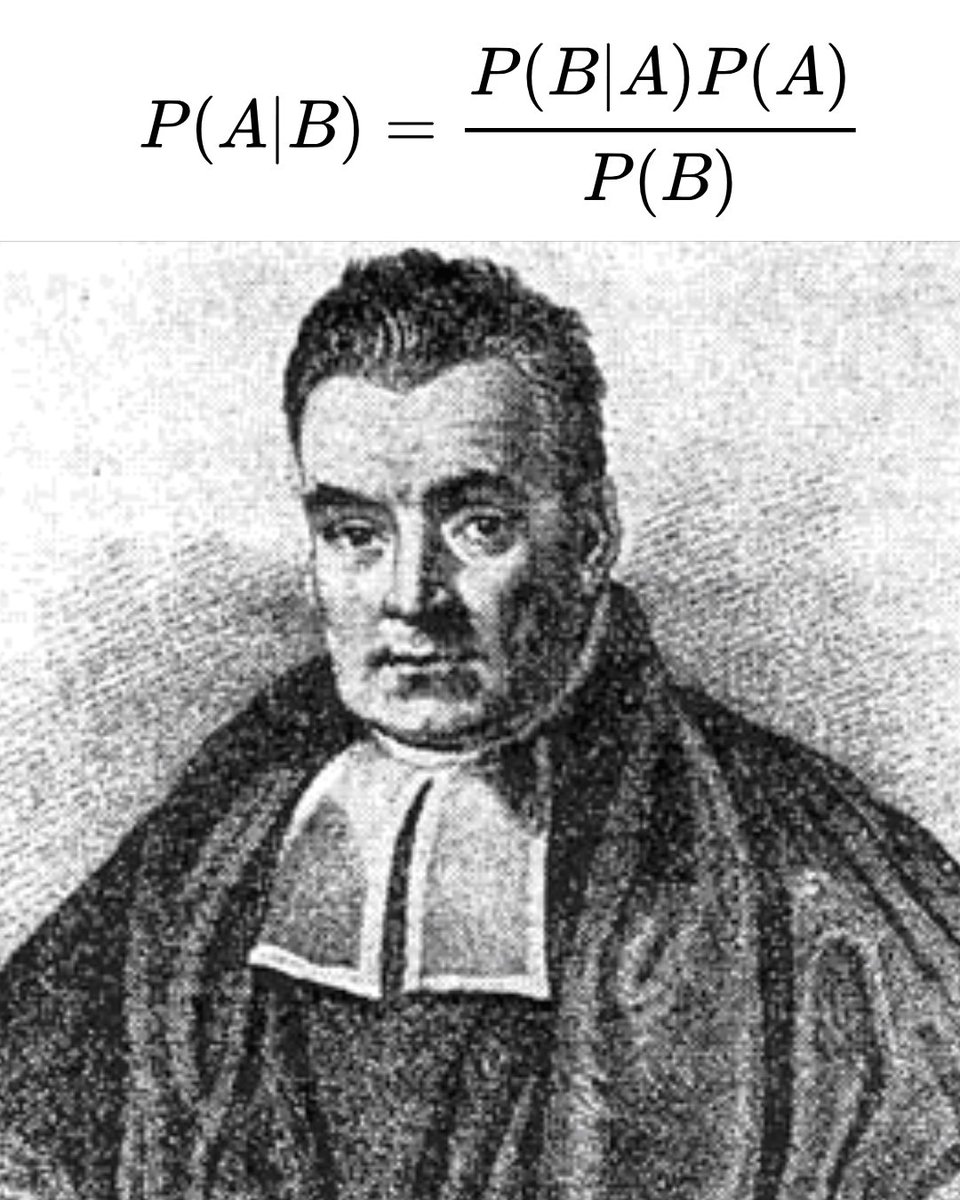
Bayes’ theorem is probably the single most important thing any rational person can learn.
So many of our debates and disagreements that we shout about are because we don’t understand Bayes’ theorem or how human rationality often works.
Bayes’ theorem is named after the 18th-century Thomas Bayes, and essentially it’s a formula that asks: when you are presented with all of the evidence for something, how much should you believe it?
Bayes’ theorem teaches us that our beliefs are not fixed; they are probabilities. Our beliefs change as we weigh new evidence against our assumptions, or our priors. In other words, we all carry certain ideas about how the world works, and new evidence can challenge them.
For example, somebody might believe that smoking is safe, that stress causes mouth ulcers, or that human activity is unrelated to climate change. These are their priors, their starting points. They can be formed by our culture, our biases, or even incomplete information.
Now imagine a new study comes along that challenges one of your priors. A single study might not carry enough weight to overturn your existing beliefs. But as studies accumulate, eventually the scales may tip. At some point, your prior will become less and less plausible.
Bayes’ theorem argues that being rational is not about black and white. It’s not even about true or false. It’s about what is most reasonable based on the best available evidence. But for this to work, we need to be presented with as much high-quality data as possible. Without evidence—without belief-forming data—we are left only with our priors and biases. And those aren’t all that rational.
I rage against the mundane, against the drudgery of monotony and routine. I crave brilliance, intensity and audacity. I must catch lightening in a bottle or be enraptured in the thrill that comes with trying, I live to defy the dull weight of predictability.
When I see an over-engineered solution I don't think of it as "smart" or "impressive". I think of it as childish. You are a child in a room without any adults.
Cloudflare just autonomously blocked hyper-volumetric DDoS attacks twice as large as anything seen on the Internet before — peaking at 22.2 Tbps & 10.6 Bpps. Can your mitigation provider’s scrubbing capacity handle that scale?