The reason why most people of Barawa are Somali today is because they are not Barawanis. The Italians destroyed the stone walls and there has been Somali immigration to the city ever since. The first big wave was in 1975 when Barre relocated pastoralists there due to drought.
Yes there is. The neighborhoods of Barawa were all Chimiini or Arabic names until the administration of the fajir Siad Barre (may Allah not forgive him) changed the names to Somali. Does Mpay, Biruni and Baghdadi sound like Somali names?
Of course, that is more than two clans but there is more than a dozen even in that time. Now, why aren’t the Barawanis today a Bantu-Somali-Arab mix? Well we sort of are. Those of us from the Arab clans are an Arab-Persian-Indian-Bantu-Cushite mix.
@lesyeuxdesabrin@la_gagne931@ciderbae You are clearly either very ignorant or a malicious actor so I will address all of your points and then stop engaging.
First, you have to separate the Tunnis in Barawa and the Tunnis outside of it. The Tunnis in Barawa historically are Chimiini speakers. This is well known.
@lesyeuxdesabrin@la_gagne931@ciderbae You saying I am “we wuzzing” is ironic. It’s literally my culture and city? I have Tunni ancestors and relatives? What does a Djiboutian have to do with Barawa and its inhabitants?
@lesyeuxdesabrin@la_gagne931@ciderbae We’re talking about the Tunnis in Barawa. They speak Chimiini and most of them have Bantu DNA. Maay isnt Somali, it is its own language. Your people don’t understand it.
@lesyeuxdesabrin@la_gagne931@ciderbae Despite all of this, this is still a Somali fabric? Why was it historically only woven in the coastal cities that we lived in? Why didn’t the Tunnis that were not Swahilified in the countryside not weave Alindi over there?
@lesyeuxdesabrin@la_gagne931@ciderbae When Tunnis in Barawa are weaving alindi, who do you think their customers are if not the wealthier Swahili people of the city? The whole reason why Tunnis (especially goygaals) were weaving Alindi is because they were of a lower a social class.
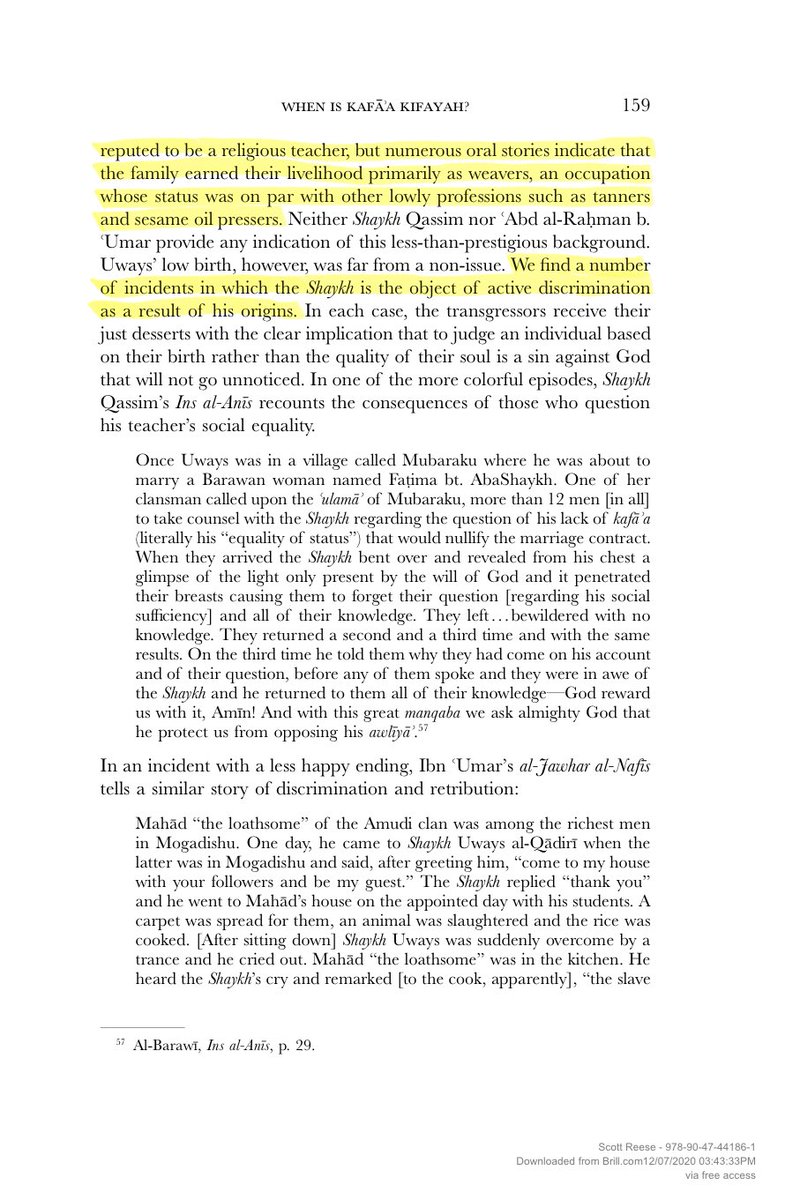
@lesyeuxdesabrin@la_gagne931@ciderbae Case in point, the father of our great Shaykh Uways Al-Barawi. In summary, we have a fabric that is weaved by a low class of people for the wealthier people in a Swahili city. These weavers have majority non-Somali DNA, speak Swahili, and have a different way of life to Somalis.
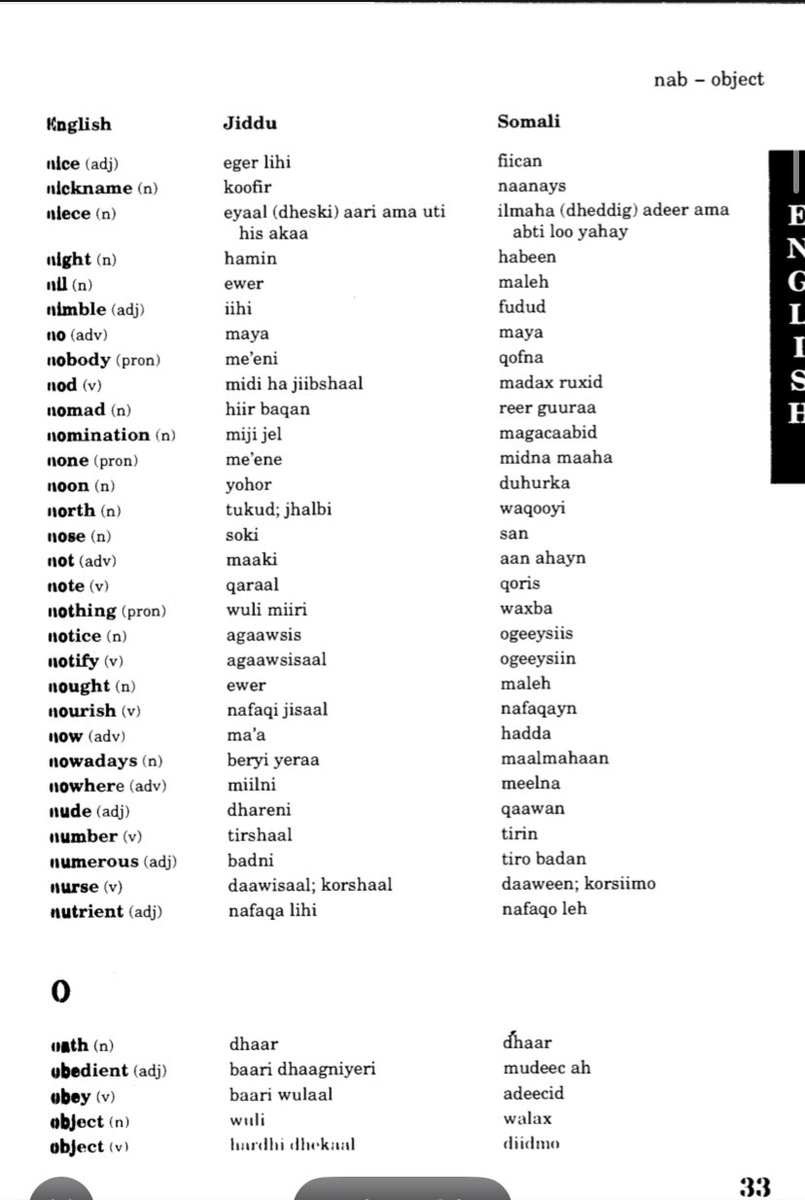
@LuwaayG@AarkaHawd@Alidafarr@UdubkaSomalia You are mistaken. You mean to tell me this is Af Maay? I don’t know why it so hard to accept that there are different langauges spoke by “Somalis”. Af Maay itself isn’t Somali but that is a hard pill to swallow too.
@AarkaHawd@LuwaayG@Alidafarr@UdubkaSomalia Btw, Mirifles are primarily agro-pastoralists while Digils are actually mainly agriculturalists. Some Digils like Jiddu and Garre have their own languages. Other Digils like Begedis are Arab (gibil cad). All of that is to say, RX and especially Digil are not Somali.
@ShihabAdDinAhmd@motalamimatska@Phillip05166897 The author suggests that this was happening in the first centuries AD. Chimiini started developing in the 9th century at the earliest. These Bantu speakers that were interacting with the maay speakers were probably the ancestors of the Sabaki speakers that “developed” Swahili.
@HangingByA Can Eyle hunter-gatherers be called Somali? I assume their admixture is quite distinct and their langauge and culture is also unique. If they didn’t live in a state called “Somalia” we wouldn’t even be talking about this.