Join us on Tuesday, 23rd June 2026, as we launch the Strategic Plan 2026–2030: stronger advocacy, stronger movement, survivor- and youth-led leadership at the center.
#EndFGMAfrica#RootedAndRising
Powerful Message to End FGM
No more silence. No more excuses.
Today, we declare war on Female Genital Mutilation which is a brutal violation that steals the innocence, health, and futures of millions of African girls every year.
This is not culture. This is cruelty.
We rise together mothers, fathers, leaders, youth, and communities to break the chains of tradition, enforce stronger laws, and protect every girl’s right to bodily integrity and dignity.
The time for change is NOW. Let us end FGM in our lifetime and build a continent where every girl is free, whole, and empowered.
Our daughters deserve better. Our future demands it.
#EndFGMAFRICA
"FGM has been with us for generations. Ending it will require sustained and collective action. No single country can solve this alone." - Amel Fahmy, Managing Director and Founder of Tadwein Center for Gender Studies, speaking at the launch of the End FGM Network Africa Strategic Plan 2026–2031.
As the movement grows across Africa, one thing is clear: ending FGM will take all of us working together.
#EndFGMAfrica
63 years ago, Kenya claimed Madaraka - power, authority, the promise of a republic built on dignity and freedom for all its people.
That promise has never fully reached our women, who are being killed in their homes, on their streets, by the very people meant to love and protect them.
We are still watching women be murdered. Still watching a justice system shrug. Still watching perpetrators walk free. Still being told it was her fault; what she wore, where she went, who she loved... Still being told to mourn quietly and move on. Every week, another name. Another daughter, sister, mother, wife - her story stolen. Her future erased.
Not today! This Madaraka Day we don't celebrate. We grieve, we rage, and we march. Because Madaraka means nothing if women are not free to exist safely in their own homes, streets, and bodies.
Stop killing us!
#EndFemicideKE #EndFemicide #EndGBV #MadarakaDay2026 #madaraka2026 #NotOneMoreName #JusticeForWomen
"The most haunting truth of femicide is that every stolen life represents a silenced narrative; a story cut short, destined to be told by everyone except the woman who lived it."
She had a voice, dreams, and plans for tomorrow. A life entirely her own.
Now her story belongs to a police report, a news headline, a social media post. Everyone speaks for her except her.
We march today carrying their names because they can no longer carry them, and so that no more names are added to this list.
Stop killing us!
#EndFemicideKE #SayHerName #EndGBV #JusticeForWomen #EndFemicide #madaraka2026
Last week, the Kenya National Disability Dialogue Conference brought together over 400 delegates from government, OPDs, CSOs, and development partners with one central question guiding the discussions: how do we move from policy promise to meaningful inclusion for persons with disabilities in Kenya?
COVAW took part in the forum, bringing in our disability justice lens and grounding the discussions in the lived realities of women and girls with disabilities.
Our work sits at the intersection of disability inclusion and gender justice, where inclusion in spaces does not always translate into meaningful participation, influence, or access to decision-making.
Our soon-to-be-launched regional research on women and girls with disabilities in EVAWG movements across East and Southern Africa reflects this reality:
• 64% describe their participation as consultative, not influential
• Only 22% report meaningful inclusion in policy processes
• 71% say decision-making spaces remain inaccessible
These findings highlight the gap between presence and meaningful participation, and reinforce the need for more intentional, accessible, and accountable inclusion.
#DisabilityInclusion #WomensRights #ACTtoEndViolence #COVAW #NDD2026ke
The future of technology in Africa cannot be discussed without talking about safety, inclusion, and human rights.
We are proud to have our Executive Director, @fridahannet, join the Africa Tech Policy Summit 2026 and KeIGF26, where she will contribute to conversations on digital policy and the realities women and girls continue to face online.
From online harassment to technology-facilitated gender-based violence, digital spaces are increasingly becoming extensions of the inequalities many women already navigate offline. This is why gender justice must be central to tech and policy conversations.
At COVAW, we advocate for digital ecosystems that are safe, inclusive, and grounded in the lived realities of women and marginalized communities. We continue to push for systems that do not reproduce harm, but instead enable dignity, access, and accountability online.
We look forward to contributing to these important conversations at #AfTPS2026 and #KeIGF26.
📷 Nairobi, Kenya
📷 19–21 May 2026
Register here: https://t.co/5e0yfnvRq4
#DigitalRights #GenderJustice #TFGBV #womenintech #humanrightsya
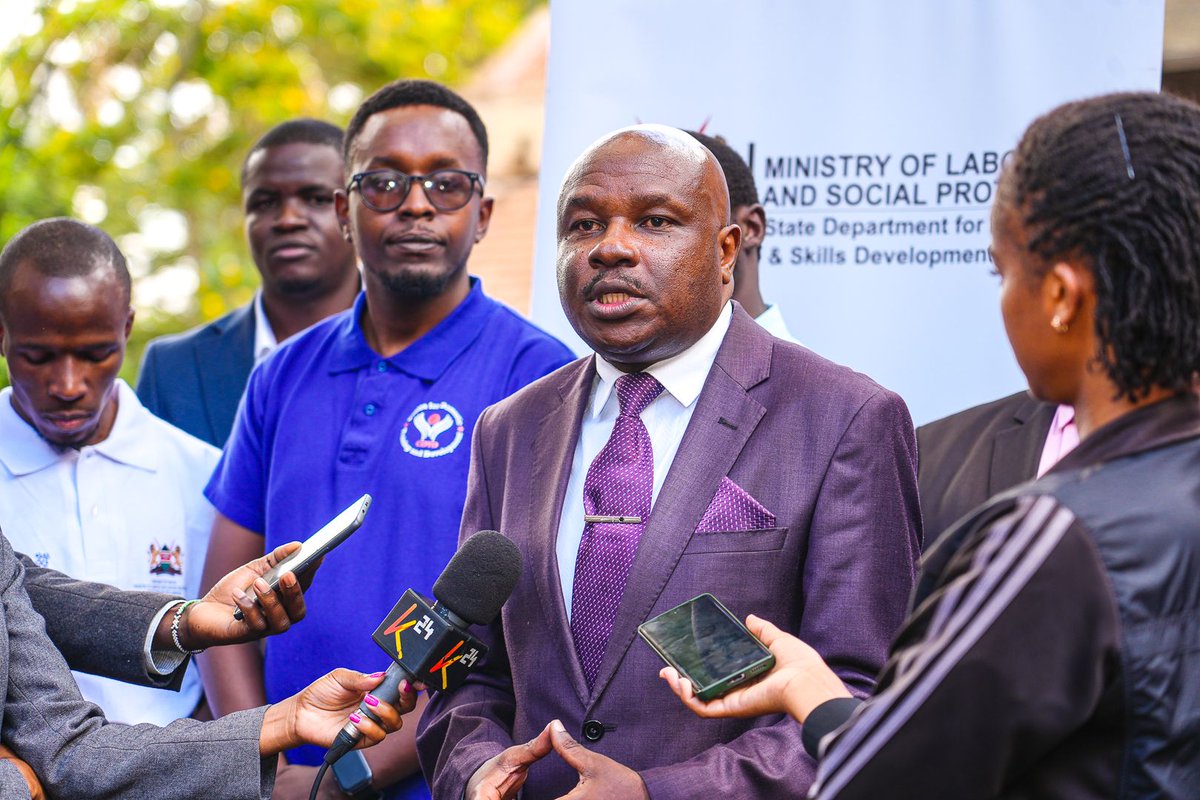
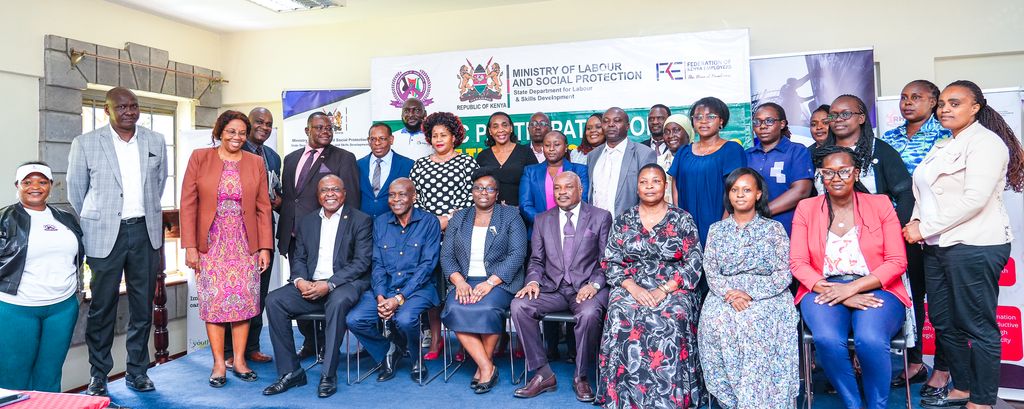
"The ratification of ILO Conventions 189 and 190 is not merely a legal step; it is a statement of our commitment to transforming the labour market in Kenya. It reflects our vision of workplaces that are fair, inclusive, and resilient, where every worker, including those in the informal sector and domestic workers, is protected, valued, and treated with dignity. This is a milestone in advancing decent work, promoting gender equality, and ensuring safe and harassment-free environments for all." – State Department for Labour and Skills Development, PS Shadrack Mwadime, during the Nairobi public participation on the ratification of ILO Conventions 189 & 190.
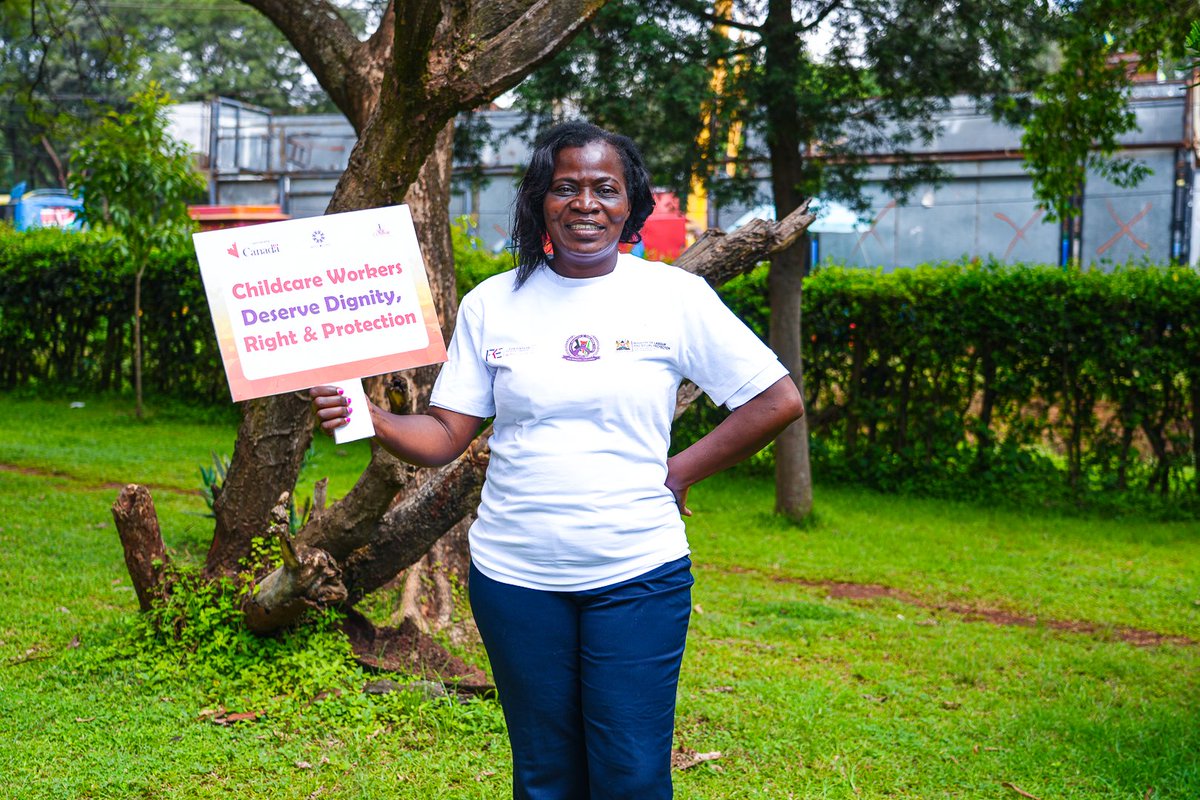
#Act4Care #ACTProjectKE #RatifyILO189 #RatifyILO190 #ChildcareWorkIsWork #DecentWork
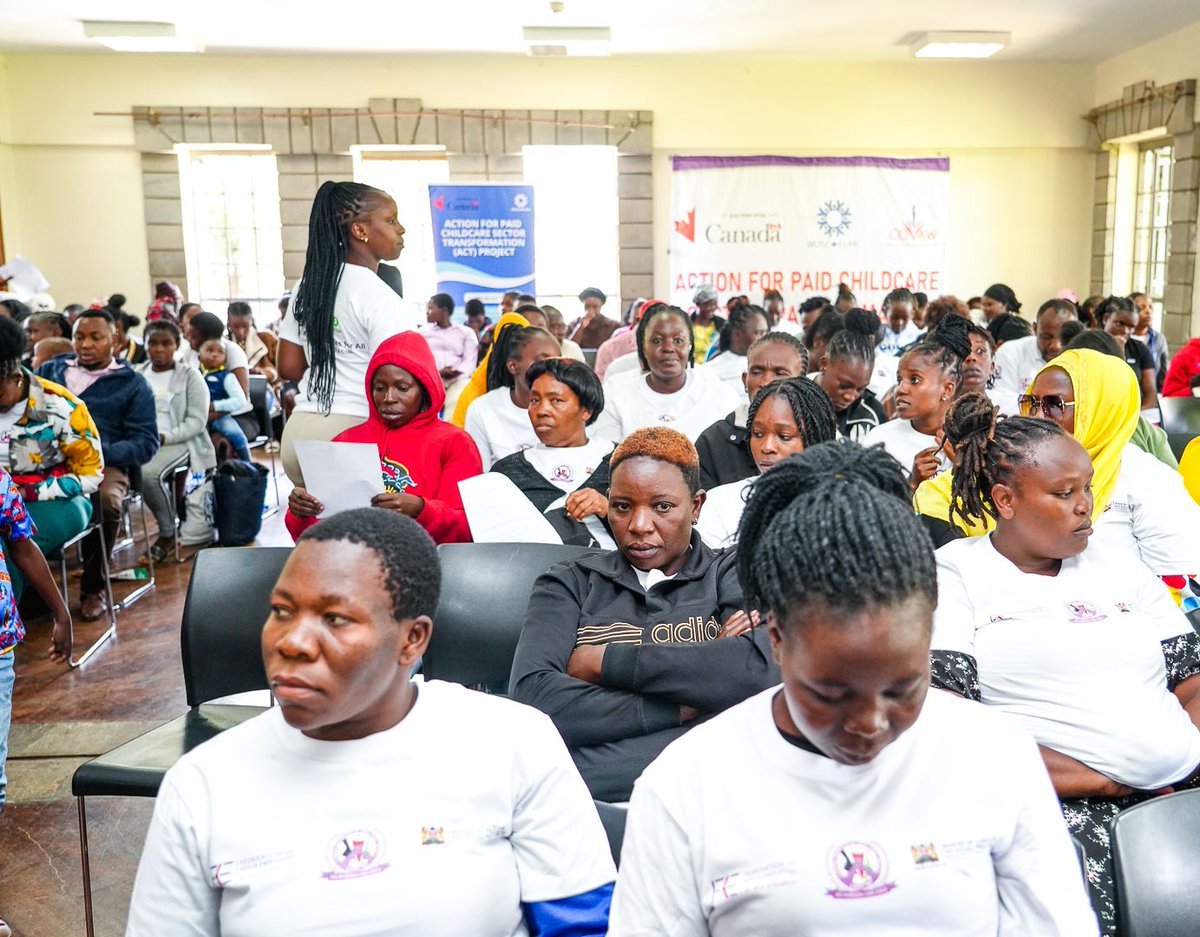
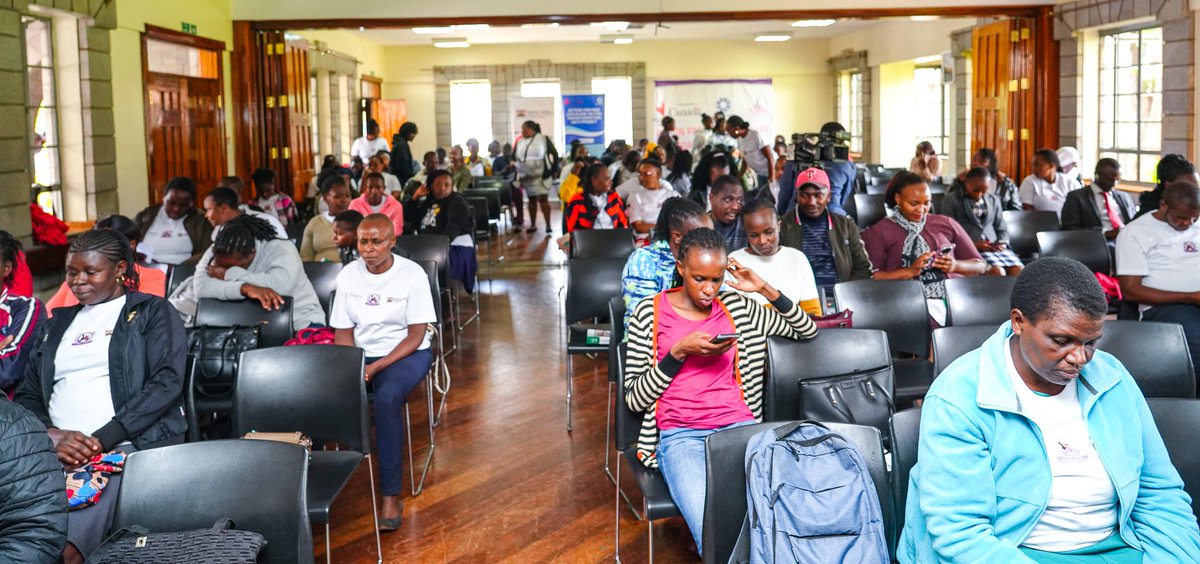
We’re on site at the Nairobi public participation forum on the ratification of ILO Conventions C189 & C190. This marks the culmination of public participation efforts across the country.
Domestic workers, government, employers, and civil society actors have shown up in numbers, united in one call: dignity, safety, and protection for domestic workers in every workplace.
Now is the time to act. Join us in pushing for the ratification of these transformative conventions and help secure fair labour standards for all.
#RatifyC189C190 #Act4Care #ACTProjectKE #DecentWork #EndWorkplaceViolence #DomesticWorkersRights
“Resilient organizations and interconnected movements matter.
For too long, gender equality movements have overlooked disability movements, and disability movements have overlooked gender equality.
Women with disabilities need to be part of feminist and gender equality movements, not at the margins, but at the center.
Because inclusion isn’t optional. It’s essential.” - Gabrielle Henderson.
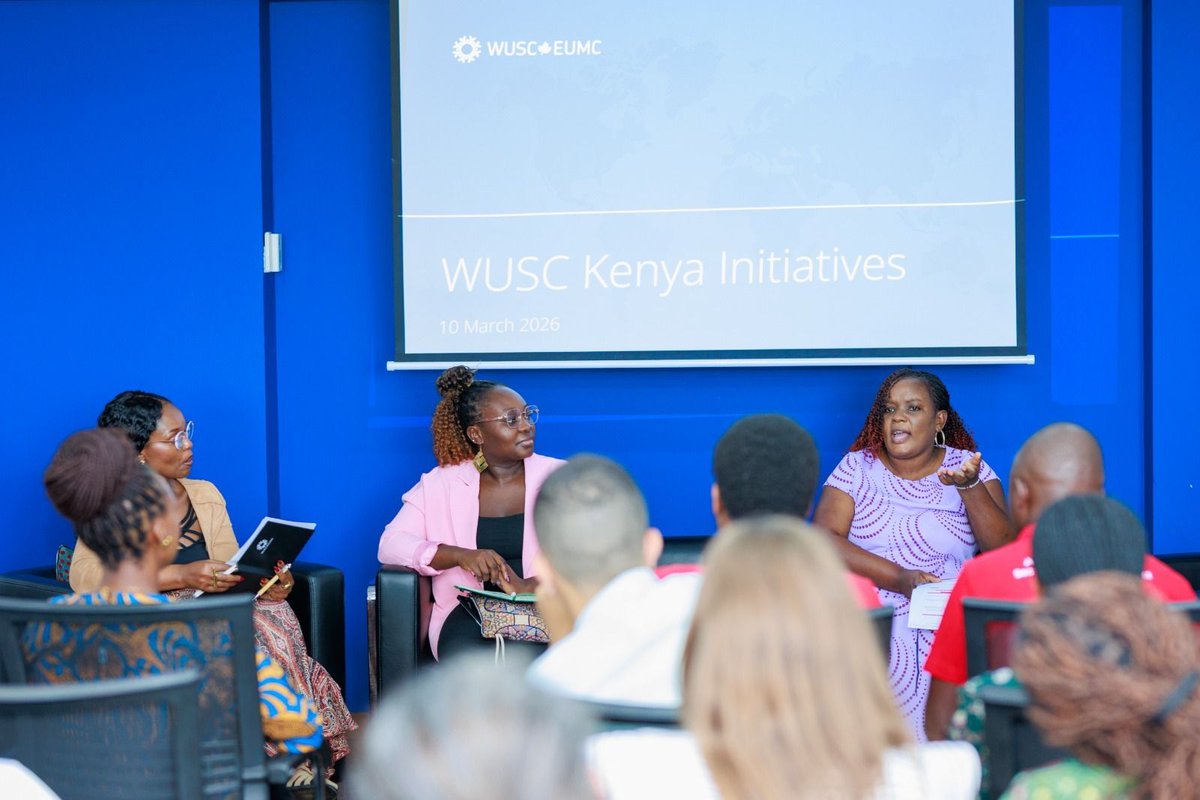
We are proud to celebrate our ongoing partnership with @WUSC, an organization setting a powerful example by addressing power imbalances in international development. By intentionally shifting leadership and funding to local organizations, they ensure that those closest to the challenges are the ones driving sustainable change.
Our very own Fridah Wawira Nyaga recently had the honour of speaking to the WUSC leadership, Steve Mason and the Youth Advisory Council (@YouthAdvisoryC3) during their visit to Kenya.
@WorldUniService and @covaw are implementing the #ACTProject in Kenya on transforming child care work from a job of last resort to a vocation of choice. We look forward to continuing this impactful work together!
#TransformingCare #ACTProjectKE #ChildcareWorkIsWork #ValueCareWork
Are you at #CSW70 in New York?
Join us for Transforming Traditions: African Movements Uniting to End FGM/C, a powerful side event bringing together advocates, policymakers, and survivor leaders working to end FGM/C across Africa.
Together, we will explore how African-led movements are challenging harmful practices, shifting social norms, and driving lasting change for women and girls.
📅 18 March 2026
⏰ 12:30 PM – 2:00 PM
📍 Church Center for the United Nations (11th Floor), New York
Don’t miss out! Scan the QR code on the poster to register and be part of the conversation.
#CSW70 #EndFGM #GirlsRights #WomensRights #AfricanMovements
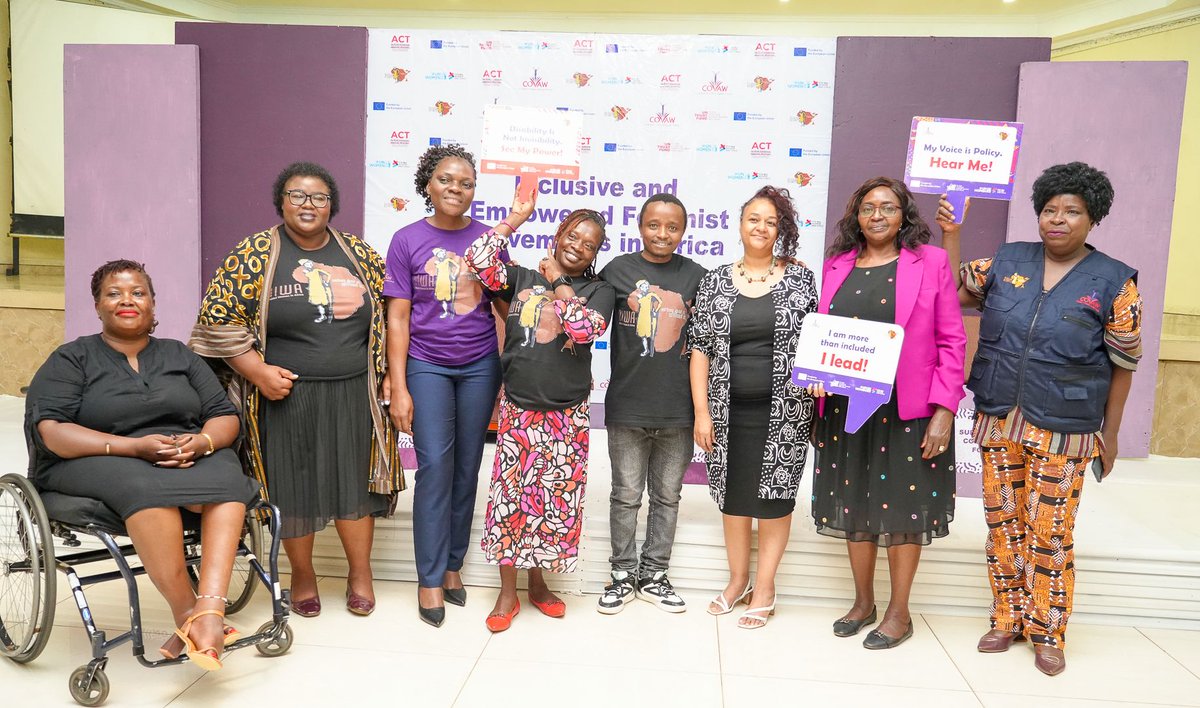
At the Sub-Regional Networking Forum for Women with Disabilities held in Lilongwe, Malawi, with support from @UNTF, disability advocates from Kenya, Malawi, and Rwanda called for inclusive policies, strong partnerships, sustained financing, and political commitment to ensure women and girls with disabilities can live free from violence and fully exercise their rights.
Together, we are advancing feminist movements in Africa that leave no woman behind.
#EndGBV #DisabilityInclusion #NothingAboutUsWithoutUs #IWD2026 #FeministMovements
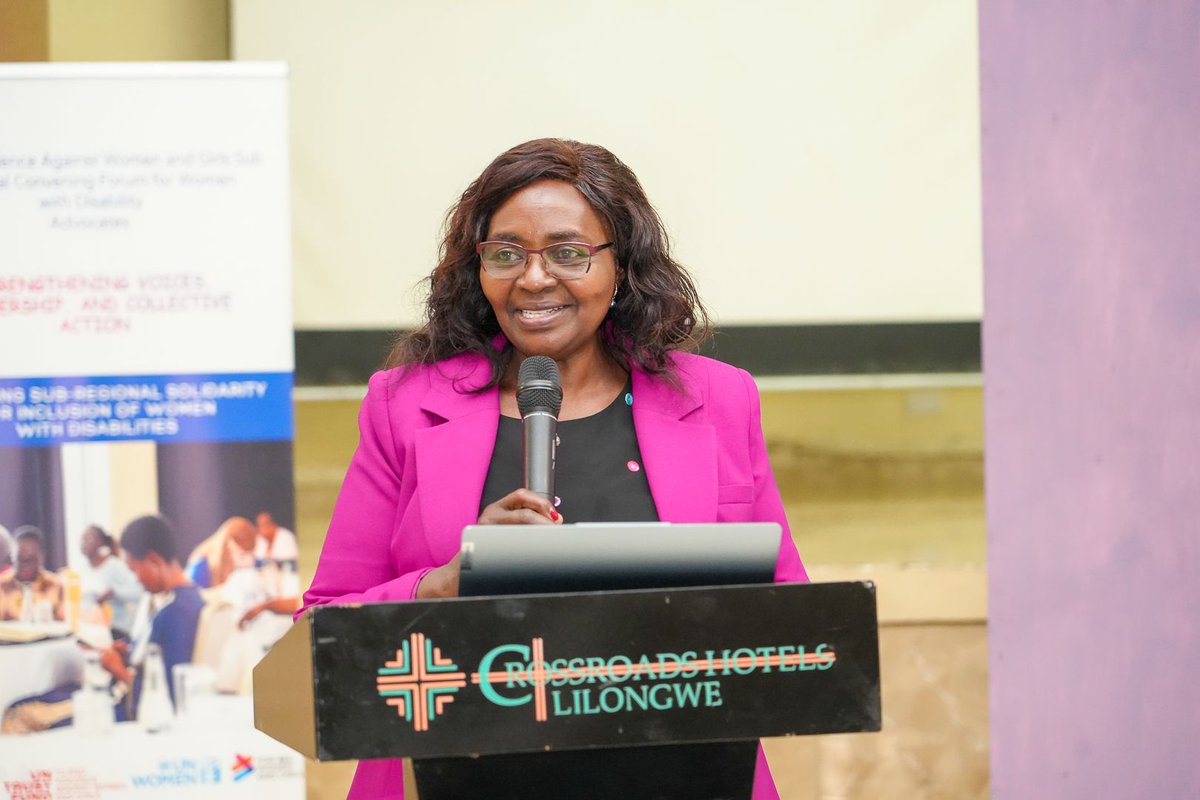
Day 2 of the Sub-Regional Networking Forum for Women with Disabilities in Lilongwe continues today, bringing together women with disabilities advocates from Kenya, Rwanda, and Malawi to strengthen leadership, solidarity, and collective action.
Yesterday, the convening began with a Solidarity Walk, reaffirming the right of women with disabilities to live free from violence and discrimination. The day’s engagements created space for reflection and dialogue as we approach the commemoration of International Women's Day.
The forum is being convened by the Coalition on Violence Against Women and Disabled Women in Africa to advance the inclusion and meaningful participation of women with disabilities in Ending Violence Against Women and Girls (EVAWG) movements across the region.
As highlighted by Magdaline Kipkenei, Deputy Director of Gender, State Department for Gender Affairs and Affirmative Action (Kenya):
“Violence against women and girls with disabilities constitutes a grave violation of human rights driven by intersecting inequalities related to gender, disability, poverty, and social exclusion.”
#EndGBV #DisabilityRights #NothingAboutUsWithoutUs #IWD2026
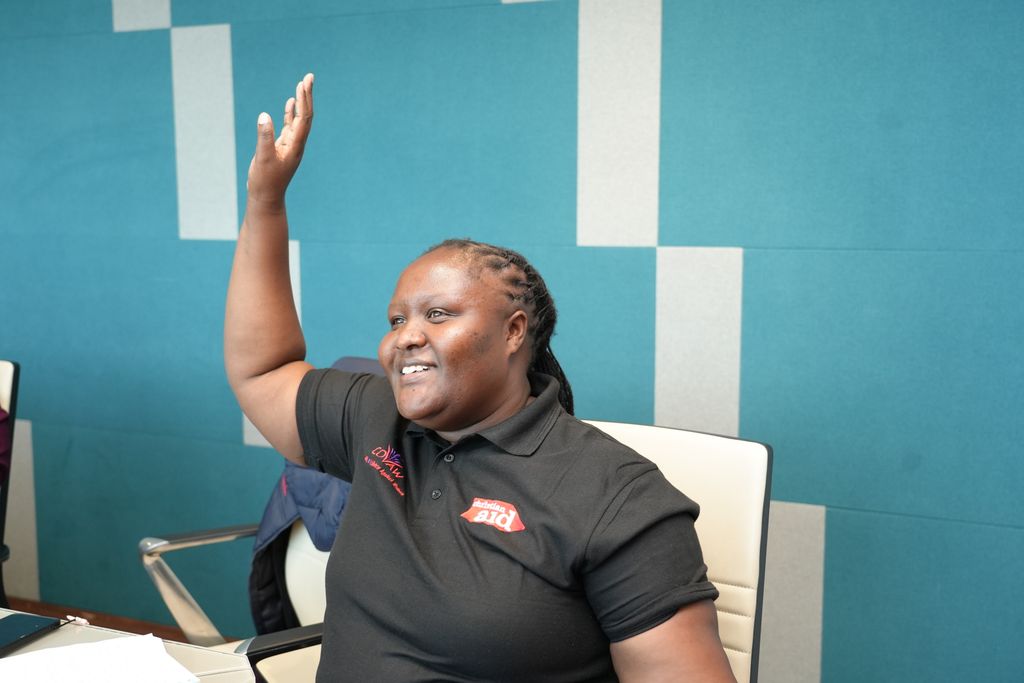
We are on Day 2 of an engaging two-day staff capacity-building session on Safeguarding, supported by @christianaid under the Weaving a Safer Future for Older Women in Narok County Project.
At COVAW, safeguarding is already embedded in our policies and practices, and we remain committed to continuously strengthening our team’s capacity to implement it effectively.
This session has provided space to deepen our understanding and sharpen our practice around:
Risk Assessment - Proactively identifying and mitigating risks across all programme activities, from design to implementation and monitoring.
Recognizing Vulnerability - Ensuring our interventions are responsive to the specific realities and safety needs of women, older women, children, persons with disabilities, and other marginalized groups.
Power & Accountability - Being intentional about addressing power dynamics, strengthening reporting pathways, and upholding zero tolerance for exploitation, abuse, and harassment.
Our Code of Conduct - Reaffirming the standards that guide every staff member, consultant, partner, and representative of COVAW.
Safe Programming in Practice - Moving beyond policy to lived, everyday accountability.
Safeguarding is central to all our initiatives, including the Weaving a Safer Future for Older Women in Narok County Project, where we work closely with older women who may face layered and often invisible vulnerabilities.
#Safeguarding #COVAW #ChristianAid #WeavingASaferFuture #NarokCounty #OlderWomen #CapacityBuilding #GenderEquality #Kenya
FGM remains a serious concern in Elgeyo Marakwet. With a county-wide prevalence of 19.7%, well above the national average of 15%, and rates reaching up to 55% in some areas, the urgency is undeniae. Many girls suffer in silence, facing hidden health complications that go unreported due to stigma and fear.
Speaking during a Mental Health and Psychosocial Support (MHPSS) training under the #KomeshaFGMSasa programme, Mr. Amuke, @gender_ke Director of Gender, warned that over 2,000 girls in Elgeyo Marakwet are currently at risk of undergoing FGM, and called on all stakeholders to act.
Healthcare workers, county officials, and CSOs who took part in the training echoed his sentiments. They confronted harmful myths and cultural norms driving FGM, while also acknowledging the emotional toll on frontline responders.
By the close of the session, participants agreed on practical next steps:
Healthcare workers committed to utilizing mental health services available in county hospitals.
County leaders pledged to revive the stalled Anti-FGM Policy and rally communities behind a County Anti-FGM Declaration.
These steps bring renewed hope, not only for protecting girls and women at risk of FGM, but also for ensuring that survivors and the frontline workers who support them are not left behind. #KomeshaFGMSasa