Negotiation is not an easy thing to talk about as the answer to Uganda's political quagmire. It is easy for Ugandans to hurry and buy into the idea because it seems that, finally, all our issues will be solved in one go. But when you investigate deeper, you realize that is not the case.
This video is inspired by my friend @Joshua_lawel and an article he published today in The Observer. He is a very intelligent young man.
Negotiations are based on the idea of utmost good faith, as with a contract in law: that the person you are entering into the contract with will honor their side of it at the end of the day.
So let us look at the people asking us to negotiate. In 1985, before he became president, during the Nairobi Peace Accord, this man delayed accepting and endorsing an agreement. The Military Council had proposed signing a peace accord that would end the war in Uganda and let us focus on building a nation out of what colonialism had left us: divided by tribe, by political view, and by religion. Museveni saw this as an opportunity to trick them, come into Kampala, and overthrow the government.
Then he came with a promise of fundamental change. He promulgated the 1995 Constitution, and on the floor of Parliament he told us it would be the best constitution this country had ever had, one that would end the evils Obote created: ruling the country by man, not by law. He spoke about militarization. He spoke about how so much power in the hands of the president made running the state hard, because the executive kept meddling in the affairs of the judiciary and the legislature.
Forty years down the road, he has become the very man he described. By his own account of Obote, the two are now the same. And these are the people trying to put us on a hook to negotiate an end to their own injustices.
As Lawel says, the rights of Ugandans are not to be negotiated. Their peace and freedom are not to be negotiated. These things are black and white. Release the political prisoners. Hold accountable those who committed injustices, even if it is your own son, the canb. Do it because it is the right thing to do.
Then we can negotiate other issues, like how to live in a country with over 50 tribes, divided by different beliefs and norms. Those we can negotiate. But the rights and freedoms of people are not up for negotiation.
A contractor allegedly mistreated his SANY operator.
The operator replied with the excavator: a petrol tanker and the whole site under construction crushed. 😳
Kenya is carrying dangerous anger.
Today it was steel. Tomorrow it's somebody's son.
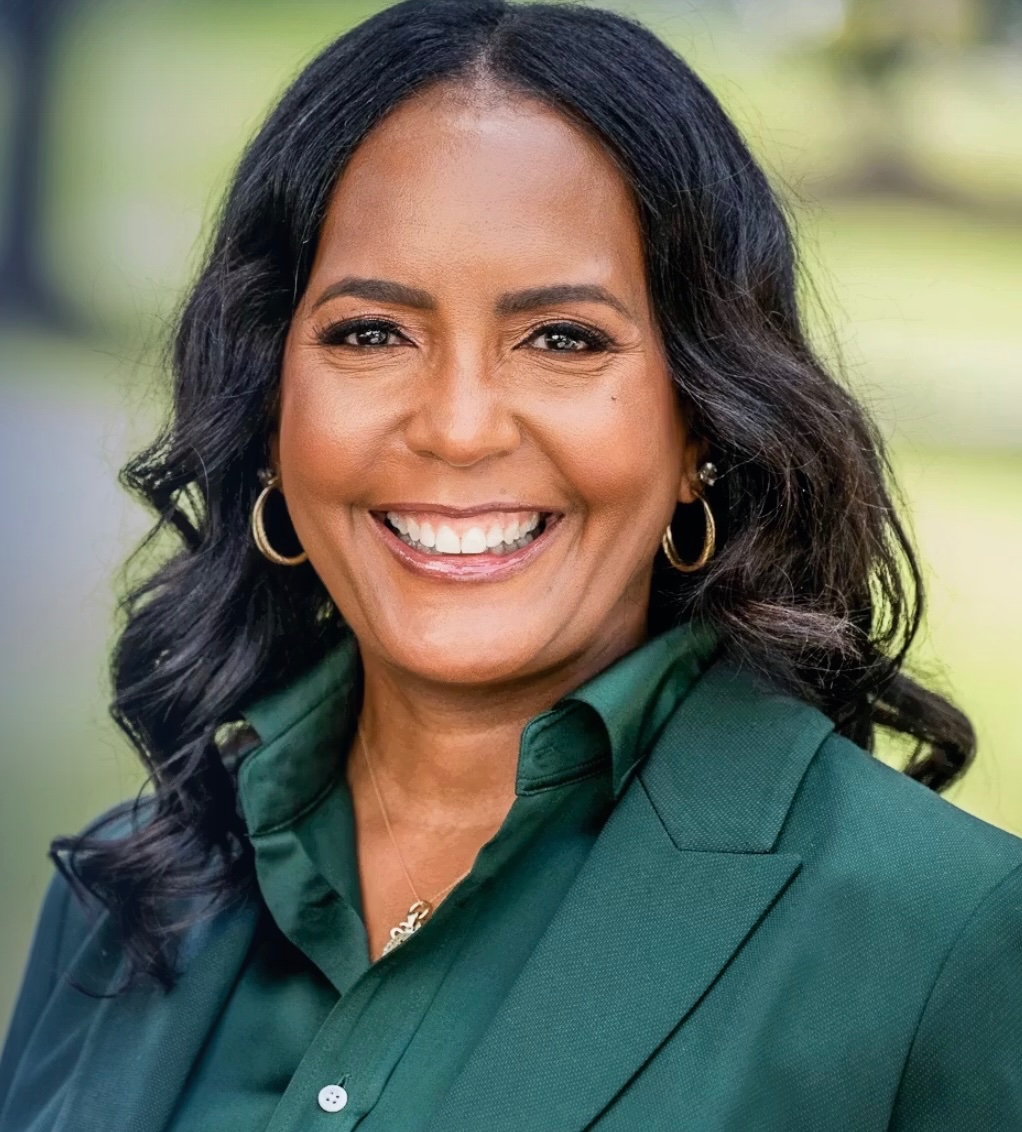
Huldah Momanyi-Hiltsley’s family was 48 hours from being deported to Kenya when they learned they could stay in America. Her father had spent 11 years trying to secure the family’s immigration status. When Huldah told me about finally getting their green cards, she had tears in her eyes. “That became my drive,” she said. “Their sacrifices were not in vain.”
Before anybody in the family went to America, there was her grandmother in Magombo, Nyamira, Kenya. She would wake before dawn to work on the farm and sell vegetables at the market. She wanted her son, Huldah’s father, to go to school. He went on to become a teacher. So did Huldah’s mother. If you grew up in a Kenyan village in those days, you know what it meant to be a teacher’s child. Your parents might have been counting every shilling, but the other children thought you were somebody.
Her father left for America in the 1980s. Her mother followed a few years later, and Huldah stayed with an uncle until she and her siblings could join them. In the village, she was now the girl whose dad was in America. It sounded like quite a thing to be. She was nine when she got to Minnesota and saw for herself where her father had gone.
There was snow everywhere. She wondered why, of all places in America, her father had picked this one. Then there was the food. Why would anyone choose a burger when they could have ugali and sukuma wiki? And the America she had heard about back home turned out to be a cramped apartment where her parents worked two or three jobs and she still had to cook, clean and look after her younger siblings. Some of her classmates could not believe she had that much to do when she got home.
For years, while Huldah was going to school and playing sports, her father was trying to make sure the family could stay. There is a reason she still gets emotional talking about those green cards. By the time they got them, she had spent years growing up in Minnesota. Now she could make plans there. She went on to earn three undergraduate degrees and a master’s.
Isitoshe,
the same father who fought to keep his family in America had his doubts when his daughter got involved in community politics. When Huldah told him she was running to lead the local Abagusii tribe called “Mwanyagetinge” in Minnesota, he said, “Wacha siasa wewe!” (To hell with the politics). She laughed when she told me this.
I asked Huldah whether her grandmother could ever have imagined her campaigning for office in America. She laughed again. “This wasn’t in any of my ancestors’ dreams,” she said. Her grandmother had wanted her son to get an education. Huldah, now a mother of two, talked about what she wanted for her own children in much the same way. “I don’t know what battles they’ll face in the future,” she told me, “but it’s my job to create an environment where they’ll have the best shot at life.”
In 2024, Huldah became the first Kenyan-born person elected to a state legislature in the United States.
On Tuesday, the people of Osseo and part of Brooklyn Park sent her back to the Minnesota House for a second term. She won about 72 percent of the vote.
May the day break
Before you judge a man, look at what he has done.
I am Dr. Lawrence Muganga, and I want to tell you about a man I know well: Apostle Grace Lubega of @Phanerookampala.
I have seen his work with my own eyes. @VUKampala, he pays tuition for many students who, without his intervention, might never have had the opportunity to get an education. Today, they sit in classrooms pursuing dreams they once thought were impossible, simply because he chose to give them a chance.
And that is not all.
Phaneroo visits prisoners every week. They pray with them, encourage them and give them hope for a new beginning. They also feed street children every week and help them access education. They take food and essential supplies to families in need in Karamoja. They organise medical camps for the sick, support orphanages and schools, and equip young people with new skills, including technology. They even extend support to pastors from other churches.
He does not wait for government funding or public recognition. He sees a need and takes action, often quietly and away from the spotlight.
Jesus taught us this in Matthew 6:3 (NIV): "But when you give to the needy, do not let your left hand know what your right hand is doing."
That is the kind of man Apostle Grace is.
The Bible also reminds us why God gives us leaders like him.
Ephesians 4:11-12 (NIV) tells us: "So Christ himself gave the apostles, the prophets, the evangelists, the pastors and teachers, to equip his people for works of service, so that the body of Christ may be built up."
And it tells us how to regard them in 1 Thessalonians 5:13 (NIV): "Hold them in the highest regard in love because of their work. Live in peace with each other."
So, before we attack a man who seeks peace, let us pause and reflect. Think of the students who now have an opportunity to study. Think of the prisoners who have found renewed hope. Think of the street children who now have food and a chance at a better future. Think of the families whose lives have been touched by these acts of service.
Jesus said in Matthew 5:9 (NIV): "Blessed are the peacemakers, for they will be called children of God."
Let us choose respect. Let us choose peace. Let us learn to disagree without being disrespectful, question without being malicious, and criticise without overlooking the good.
Have a blessed weekend. 🙏🏾
9 NĂM Ở MỸ, LƯƠNG $17 MỘT GIỜ, THÁNG NÀO CŨNG GỬI VỀ VIỆT NAM CHO MÁ $500
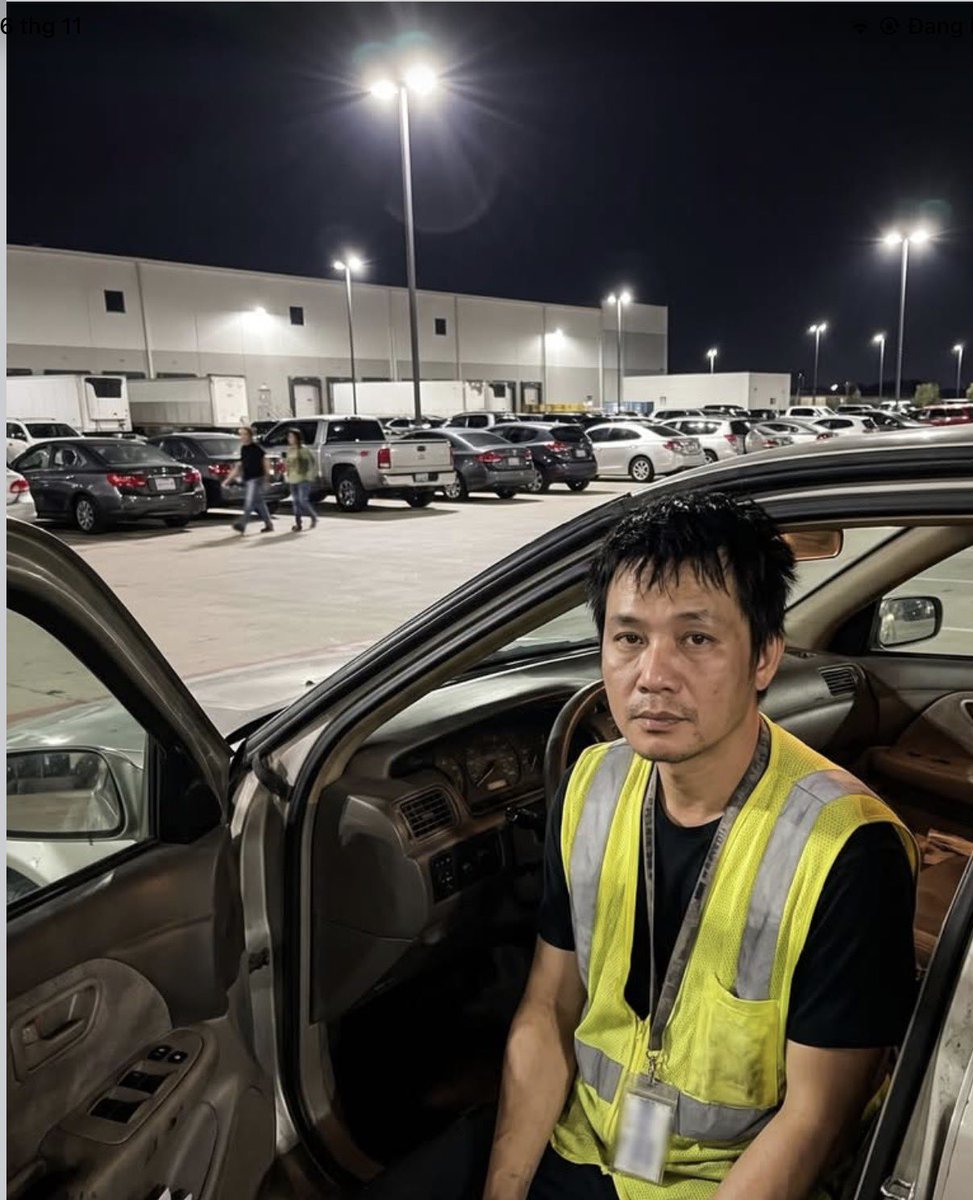
Qua Mỹ 9 năm, làm kho hàng Amazon ở Dallas.
Lương $17 một giờ, làm full time, tháng nào khá thì cầm về chừng $2,600.
Tiền thuê apartment một phòng: $1,250.
Tiền xe góp: $420.
Bảo hiểm xe: $180.
Điện, nước, internet, điện thoại: gần $250.
Tiền ăn, tiền xăng: $400.
Còn lại chừng $100.
Vậy mà 9 năm nay, tháng nào tôi c��ng gửi về Việt Nam $500.
Không ai bắt tôi gửi. Tôi tự muốn vậy.
Ba tôi mất sớm. Má một mình nuôi ba anh em tôi ăn học. Hồi nhỏ nhớ nhất là cảnh má ngồi đếm từng tờ tiền lẻ dưới bóng đèn vàng, đếm xong cất vô cái hộp bánh thiếc.
Qua Mỹ rồi, tôi chỉ muốn má khỏi phải đếm tiền lẻ nữa.
Phần thiếu, tôi chạy giao đồ ăn cuối tuần. Có tháng quẹt thẻ tín dụng.
Mỗi lần gọi video, tôi đều đứng chỗ đẹp nhất trong apartment, cười thiệt tươi, nói: “Bên này con ổn lắm má.”
Năm thứ 8, nợ thẻ của tôi lên tới $11,400.
Có hôm tôi gọi về sau ca làm, mặt hốc hác, mắt thâm quầng. Má qua màn hình một hồi lâu rồi hỏi: “Con có chuyện gì giấu má phải không?”
Lần đ��u tiên tôi nói thật hết. Lương bao nhiêu, nợ bao nhiêu, cuối tuần chạy xe tới mấy giờ.
Má má nói: “Mai con chờ má gọi lại.”
Sáng hôm sau, má gọi. Má cầm lên một cuốn sổ tiết kiệm ngân hàng.
Má nói: “Tiền con gửi về, má chỉ xài một nửa. Còn một nửa má gửi ngân hàng hết. Má tính để dành cho con lấy vợ.”
8 năm, má để dành được gần $20,000.
Má nói: “Con lấy trả nợ đi. Má không cần nhà to. Má chỉ cần con khỏe mạnh.”
Tôi ngồi trong xe ở parking chỗ làm, cầm điện thoại mà nói không ra tiếng.
Má muốn tôi phải nghỉ chạy xe đêm, đi học thêm.
Nhận được tiền tôi trả hết nợ thẻ. Rồi đăng ký học chứng chỉ quản lý kho ở community college, mỗi tối 2 buổi.
Năm nay tôi được lên làm trưởng ca. Lương $24 một giờ, có bảo hiểm sức khỏe, có 401k.
Tôi vẫn gửi về cho má mỗi tháng.
Nhưng giờ là $300, và má biết hết lương tôi bao nhiêu.
Tháng 3 năm sau, má qua Mỹ thăm tôi lần đầu tiên. Vé máy bay tôi mua rồi.
Ở xứ người, mình cứ tưởng mình đang gánh cả nhà.
Tới một ngày mới nhận ra, ở bên kia nửa vòng trái đất, có một người vẫn đang lặng lẽ gánh nợ cho mình.
CẢM ƠN MÁ, CON YÊU MÁ(nhatkynguoivietomy )
Straight talk on marriage and family papers for people moving to Canada.
As a Nigerian dad in Alberta, this is the part many people get wrong and it costs them months or even the whole application. No agents needed for the basics. No fairy tales.
Key rules in plain English:
1. Declare every family member You must list your spouse or common-law partner and every dependent child on your application, even if they are not coming with you. Leaving someone off can get the application refused. This applies to Express Entry, study, work, and most other pathways.
2. Marriage papers must be official Bring the government-issued marriage certificate from the country where you married. A church wedding certificate alone is usually not enough. If either of you was married before, you need the final divorce decree, annulment, or death certificate. Start early, some countries take months to issue these.
3. Kids need proper birth certificates Every child (even if not accompanying) needs an official birth certificate. If a child is with the other parent, you still declare them and usually need custody papers or a letter of consent if they are coming.
4. Proof the relationship is real (especially for spousal sponsorship) IRCC wants to see a genuine marriage, not one done just for papers. Collect over time:
• Joint bank accounts or shared bills
• Photos with family and friends across months/years
• Chat or call records when you were apart
• Lease, property, or insurance documents with both names
5. Police certificates and medicals Every adult family member (18+) usually needs a police certificate from each country they lived in for 6+ months since age 18. Medical exams are also required for the principal applicant and all family members. Do not wait until the last minute.
Bottom line: Get the official civil documents (marriage, divorce, birth) sorted while you are still in Nigeria if possible. Declare everyone. Keep relationship evidence simple and consistent. Always check the latest document checklist on the official IRCC website before you submit, rules can change.
Coming with a spouse or kids and stuck on a specific paper? Reply or DM. Straight talk only. 🇨🇦
When Keisha Lance Bottoms was 8, she used to come home from school and find her father making dinner. Major Lance was a soul singer who sung “The Monkey Time” and opened for the Beatles.
One afternoon, Keisha found police officers in the house. Her father was in handcuffs. “Babies, it’s going to be OK,” he told his children as the officers took him away. “I will be back.” The police told Keisha to sit on the sofa, and she was so afraid of getting in trouble that she stayed there until her mother came home.
Her parents divorced while her father was in prison. Her mother, Sylvia, worked several jobs, and the ballet lessons Keisha had taken were suddenly more than the family could afford. When Keisha talked about her daddy in those years, she kept it simple. Her dad was living in Columbus, she would say. Then he was living in Jackson, or Eatonton. Those were the towns where he was being held.
Isitoshe,
Major Lance died suddenly at 55, the year his daughter finished law school. She was 24 and thought 55 sounded old. As she approached that age herself, with four children of her own, it struck her how young he had been. She knew what it was to come home one day and find your father being taken away. Now she thought about her children waking up one morning and finding her gone.
Becoming their mother had taken years. Keisha had severe fibroids, went through failed rounds of IVF and underwent what she remembers as more than a dozen surgeries, including a partial hysterectomy. When her husband, Derek, suggested adoption, she worried that saying yes meant she had given up on what she had been asking God for. They went ahead with the interviews, the home visits and the paperwork. Then, in 2002, while they were away on a cruise, word came that a six-month-old boy was available for adoption.
Sylvia spoke to the caseworker. “Hold that baby!” she writes in her book. Keisha and Derek brought Lance home. In time, they adopted Langston and then the twins, Lennox and Lincoln.
Yesterday, Georgia elected Keisha Lance Bottoms governor. She became the first Black woman elected to lead a U.S. state.
May the day break
Good morning fam
Kindly like or repost.
We import individual cars
We retail and wholesale.
Landcruiser Prado 2018 model at 198m
Lexus RX450T at 153m
Toyota Hilux Automatic 2018 model now at 180m
Mazda Cx5 2018 model at 62.5m, CX8 2018 73-80m
Mitsubish Outlander 2017 model at 69 -73m
Toyota Noah Si at 47.5m ,X at 44.5m
Toyota Alphard at 89.5m 2018 model
Fielder /hybridat 38.5-47m
Wish at 36.5-39.5m
Rumion 35.5m-39m
Passo Sette at 32.5m
Subaru Forester 2013-2016 at 46.5-54m
Probox 2013 model at 37m
Raum at 32m
Impreza GP2 at 33.5m ,Gp3 at 35.5 ,GP7 at 36.8m
Impreza 29.5m
Defender at 450m
Call or WhatsApp +256775721536/ +256701928170
There is a neighbour of mine called Joseph. We live in the same rental compound. He has a very beautiful dark-skinned wife with smooth skin and a fine figure. Together they have two children; a boy of about four and a one-year-old.
Because Joseph works with an NGO in Masindi, he is rarely at home, so he has a trusted boda boda rider called Ssenkumbi Davies, a man who had become almost like family to them. Almost every weekend, Joseph would send him money to buy foodstuffs, mostly matooke, and deliver them to the home. For the nearly two years I have lived here, I have watched this man come and go. Sometimes he arrives as late as 8 p.m. with matooke tied on his motorcycle. Other times he leaves as early as 5 a.m. I often wondered what kind of delivery required so many hours.
I was not the only one who noticed, two women and one man from the neighbourhood approached me separately at different times, asking whether this boda boda man was only a rider or whether he sometimes took the place of the husband. Because I dislike rumour-mongering, I told them I had no idea and that it was not my business.