Wonder of wonders
For all the days and years they have lived in OLKALOU, residents have never seen a train commuting within the area.
Now you will be enjoying the services of this train instead of Matatu.
All these and more if they vote for the government's candidate in the upcoming by-election.
Dear Esteemed Clients,
We wish to inform you that the PSV strike is still ongoing and therefore our buses will not be operating tomorrow until further notice.
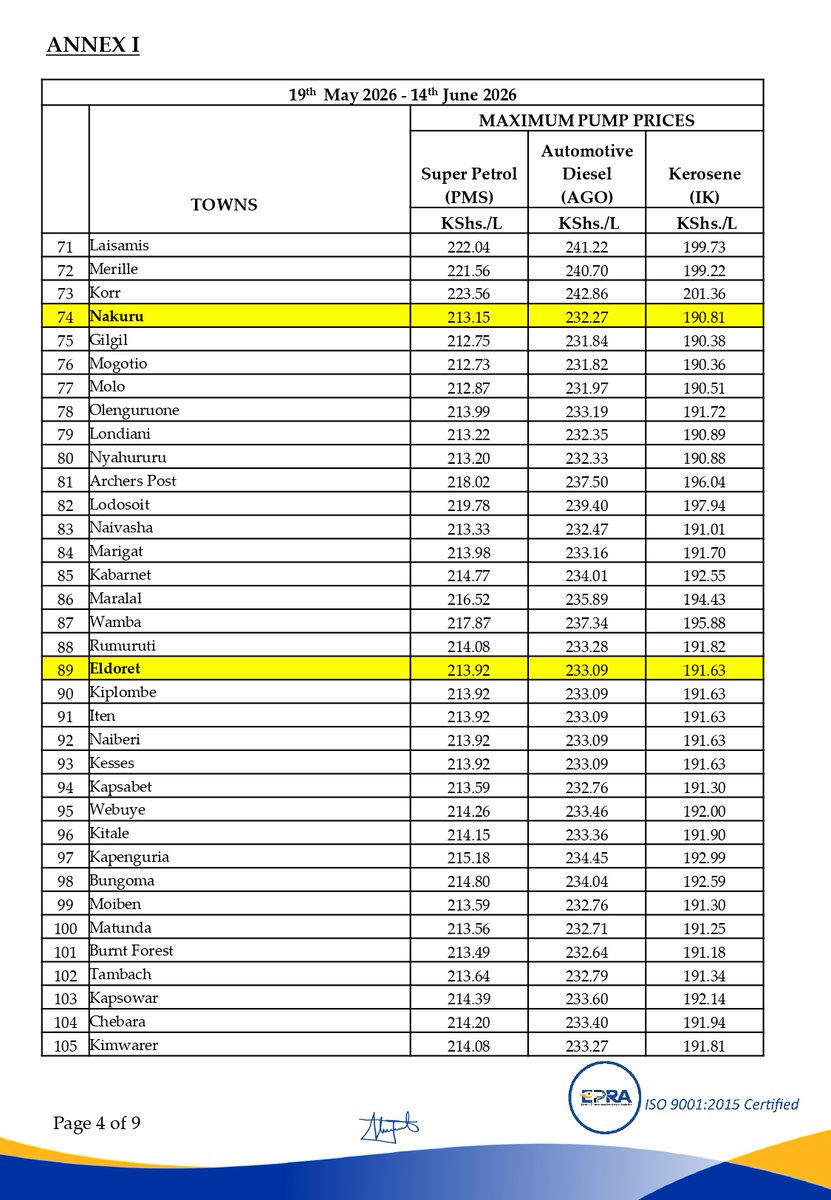
We have recalculated the maximum petroleum prices to be in force from 19th May 2026 to 14th June 2026 following a petition by public transport sector operators on the need to minimize the risk of motor fuel adulteration that may arise due to Diesel & Kerosene price difference.
Protests over high fuel prices take a different turn in Kitale, Trans-Nzoia County as residents turn a section of the bus park into a running track, with touts and drivers engaging in relay races.
BREAKING:
EPRA raises petrol price by Ksh 28.69 per litre
EPRA raises diesel price by Ksh 40.30 per litre
Kerosene price remains unchanged
The price of petrol in Nairobi is 206.97 per litre
The price of diesel in Nairobi is 206.84 per litre
#CitizenExplainer
This is called a HAEMODIALYSIS CATHETER.
It is for patients undergoing dialysis.
It is inserted into a patient's chest through the internal jugular vein.
The red port cannula is the arterial lumen that draws deoxygenated blood out of the patient's body and sends it to the dialysis machine for cleaning.
The blue cannula is the venous lumen that carries cleaned, filtered blood from the dialysis machine back into the patient's bloodstream.
This catheter stays in a patient's body for 6 - 12 weeks, or even longer, depending on medical decisions, before being replaced with a permanent fistula.
A healthy kidney filters your blood 400 times per day, while a dialysis machine does so only 2 times a week, for about 5 hours per session.
Dialysis patients have to arrive at the renal unit as early as 3 am, twice a week.
Not even a dialysis machine can replace the efficiency of a healthy kidney.
Therefore, take care of your kidneys.
#WorldKidneyDay
A Kenyan court has suspended the implementation of the US$2.5 billion health “aid” deal signed with the US government last week over serious data privacy concerns.
This deal is terrible not only for Kenya but for the entire African continent because it hands over sensitive health and genomic data to a foreign government without proper safeguards, and it exposes millions of Africans to potential surveillance and data exploitation. It is sad that the Kenyan government did so little thinking before signing such a treacherous and dangerous agreement.
On 4 December 2025, Kenya and the United States signed a five-year Health Cooperation Framework in Washington. The agreement, worth up to US$1.6 billion, directs new funding toward HIV, malaria, maternal health and disease surveillance. Many have celebrated it as a major investment in Kenya’s overstretched health sector.
Yet across Africa, the deal has triggered serious concern because of provisions that grant long-term access to Kenya’s biological samples, genomic data (all the information contained in an organism’s DNA) and surveillance information. That issue, more than the money itself, has now become the centre of the debate.
The questions arise from clauses that reportedly sought multi-decade rights over Kenyan pathogen samples and related data. Even in revised form, the agreement’s language remains vague enough to raise fears of long-term commitments that outlive the funding cycle.
These concerns are sharpened by the continent’s past experiences. In 2007, Indonesia challenged the global health system after discovering that its shared H5N1 samples were being used to develop vaccines it could not afford.
In 2021, South Africa and Botswana were punished with travel bans immediately after openly sharing genomic data on the Omicron variant (a highly mutated strain of the virus that causes COVID-19).
During the West African Ebola crisis, biological samples left the continent without any assurance that affected countries would benefit from the discoveries or intellectual property that emerged later. These precedents cast a long shadow over today’s negotiations and deal between Kenya and America.
What is happening in Kenya fits into a much larger global contest. Biological samples, genomic data and pathogen information have become strategic assets, capable of driving the next generation of vaccines, diagnostics, therapeutics and artificial intelligence models in health.
This has drawn intense interest from major powers. China, through BGI (one of the world’s biggest genomics and biotechnology companies), has invested in genomic laboratories across Africa. European institutions are building deeper data partnerships, while private technology and pharmaceutical companies see immense value in Africa’s large and genetically diverse populations.
Kenya is therefore not negotiating a quiet bilateral agreement. It is operating at the centre of a geopolitical struggle over who will shape the future of biotechnology.
For Africa, the implications go beyond Kenya. The African Union’s New Health Security and Sovereignty Agenda aims to strengthen public health institutions, govern data responsibly and expand local manufacturing so that the continent can produce 60 percent of its vaccines by 2040. So any agreement that gives external partners preferential access to Africa’s biological resources undermines that vision.
It also risks weakening domestic research institutions. In Kenya’s case, the Kenya Medical Research Institute could find itself competing with foreign partners who enjoy privileged access to samples or who set the direction of research. And because these deals are rarely subjected to parliamentary scrutiny, decisions with profound long-term implications for Kenya’s biological sovereignty will be made without public oversight.
The stakes become even higher when considering the rest of the continent. Kenya has stronger negotiating capacity than many African states. If Nairobi accepts terms that compromise long-term sovereignty, poorer and more vulnerable nations will feel compelled to follow suit, especially when offered short-term financial support.
This could create a pattern in which African health priorities are increasingly shaped by external actors rather than by national and continental interests.
Africa must now recognise that fragmented national bargaining over biological resources is no longer sustainable. The African Union and Africa CDC need to establish enforceable continental rules that protect sovereignty while enabling fair and transparent partnerships.
This requires a coherent framework governing pathogen access and benefit sharing, clear rules on technology transfer and intellectual property, mandatory disclosure of all bilateral health agreements that involve samples or data, and stronger domestic laws to ensure that biological material cannot leave the continent without guaranteed African rights over resulting discoveries.
Without such protections, Africa risks becoming a perpetual exporter of raw biological inputs for technologies developed and commercialised elsewhere.
The U.S.–Kenya pact unquestionably brings resources that can strengthen health services and save lives. But it also exposes the next major frontier of African sovereignty, control over the continent’s biological and genomic wealth.
The question emerging from this deal is no longer simply about funding. It is about whether Africa will gain or lose power in the health technologies of the future.
If Africa does not set the rules now, others will, and the continent’s biological destiny will be determined far from African decision-makers.
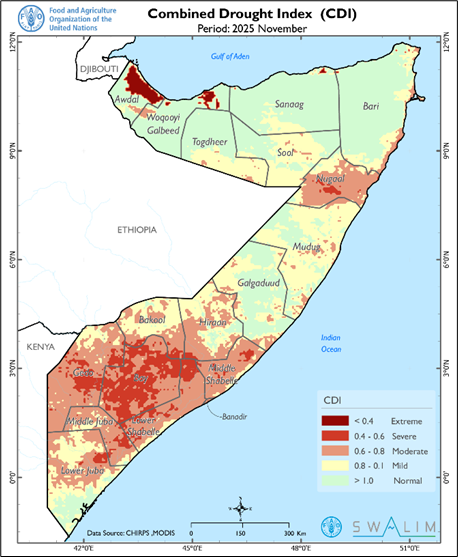
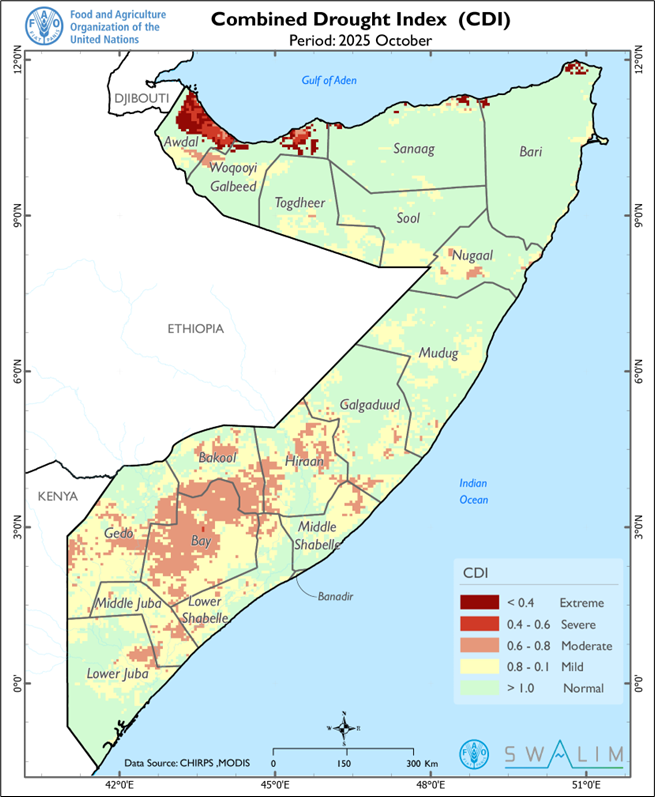
#Somalia is facing a worsening #drought: failed Deyr rains, water shortages, livestock losses & rising displacement. #SWALIM & #FSNAU warn that without urgent, coordinated action now, millions risk severe food insecurity as the Jilaal dry season begins.
👉🏽https://t.co/Vq7oKhjakd
From Kenyan poultry farms to communities worldwide, youth with disabilities can contribute to resilient livestock systems and broader social and economic development.
This #IDPD, we highlight the importance of inclusive livelihood opportunities for all.
https://t.co/LOWxocyZu3
Borders do not confine #Livestock diseases. 🐐🐑💉Read how the @EU_Partnerships funded #PLACE programme is protecting thousands of livestock for vulnerable households in Aweil 🇸🇸.
🙏 @EUinSouthSudan
📖👉🔗https://t.co/zRspjygUzz #4Betters
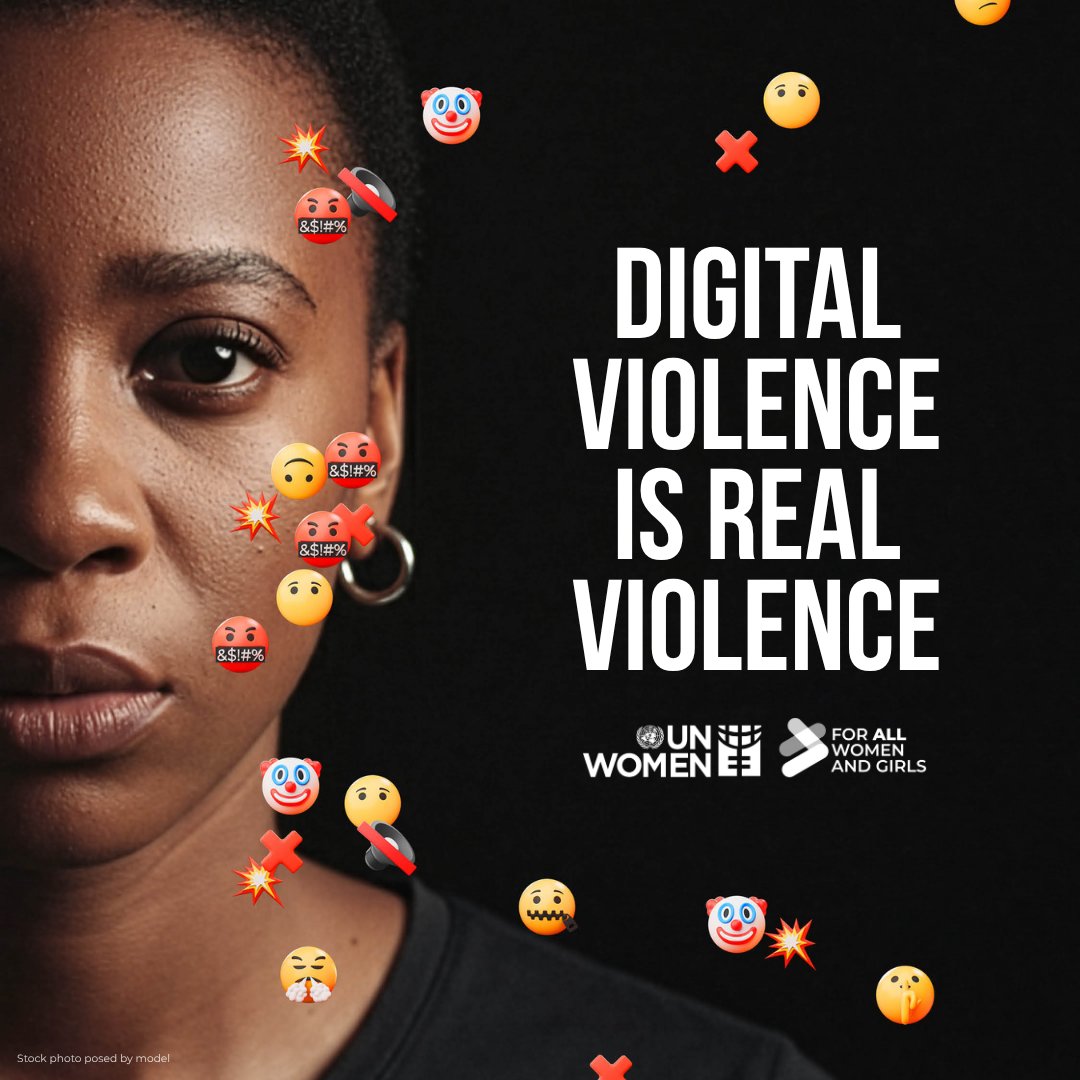
🎯She’s not being dramatic.
🎯She’s being targeted.
🎯Harassment & deepfakes are violence—on screen and off.
We must #ACTToEndViolence. Join us this evening at 8:00pm EAT for our X Space: chttp://unwo.men/ns2c50XtU4e
#16Days#NoExcuse
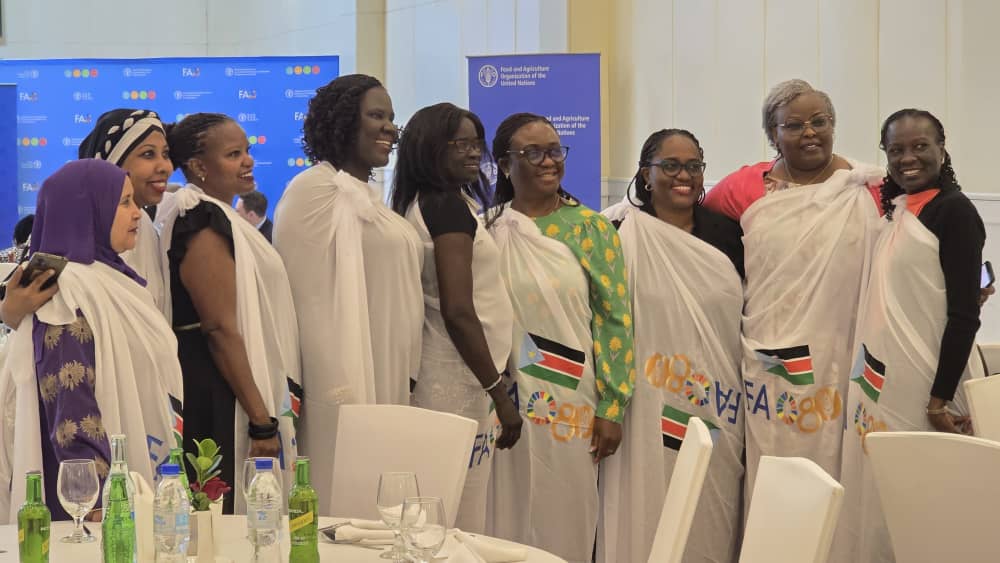
Eight decades of innovation and impact!
Our staff reflect on what it means to be a part of this legacy, working towards food security and resilience in Somalia🇸🇴.
Their passion and dedication drive our impact every day.
🎥 Watch their reflections 👇
#FAO80#4Betters
🔴 Starts soon!
👉Strengthening capacity in Africa to tackle Rift Valley fever
Webinar 1: Leveraging early warning and risk-based surveillance to inform timely and cost-effective decisions
🗓️20 Nov | 12:30 CET
Register here: https://t.co/Bpyeyhv1DO
.@FAO convened a one-day Cluster Steering Committee meeting in #Aweil, bringing together the #SouthSudan 🇸🇸 #Sudan 🇸🇩 govt, & @IGAD_Missions reps.
Funded by @EUinSouthSudan, the meeting reviewed progress, updates, & priorities to strengthen cross-border peaceful coexistence 🤝