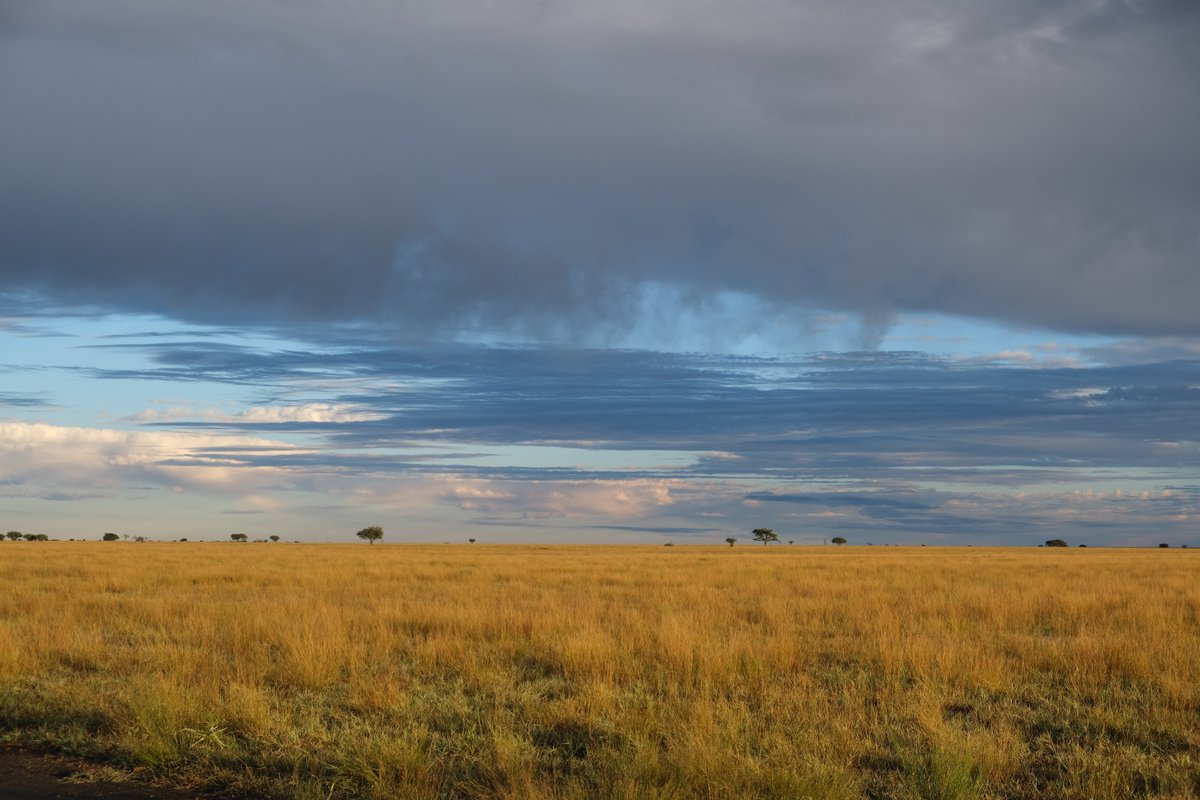
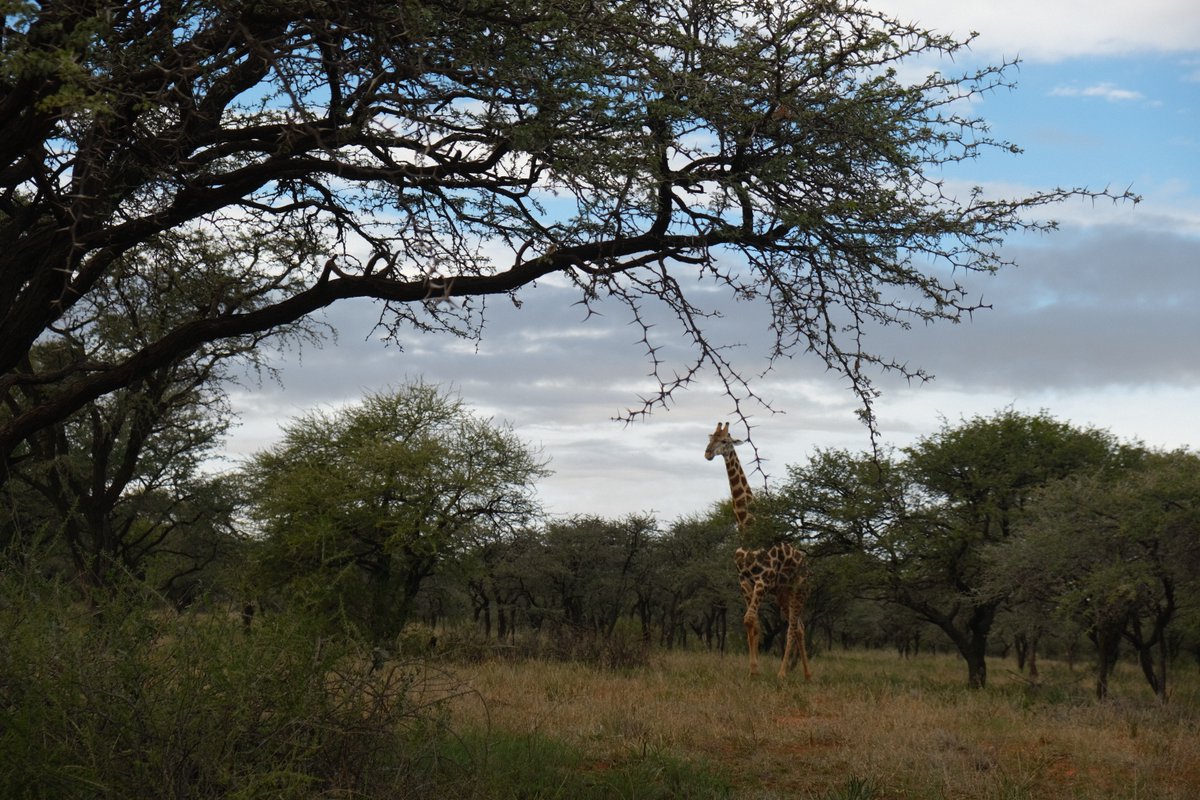
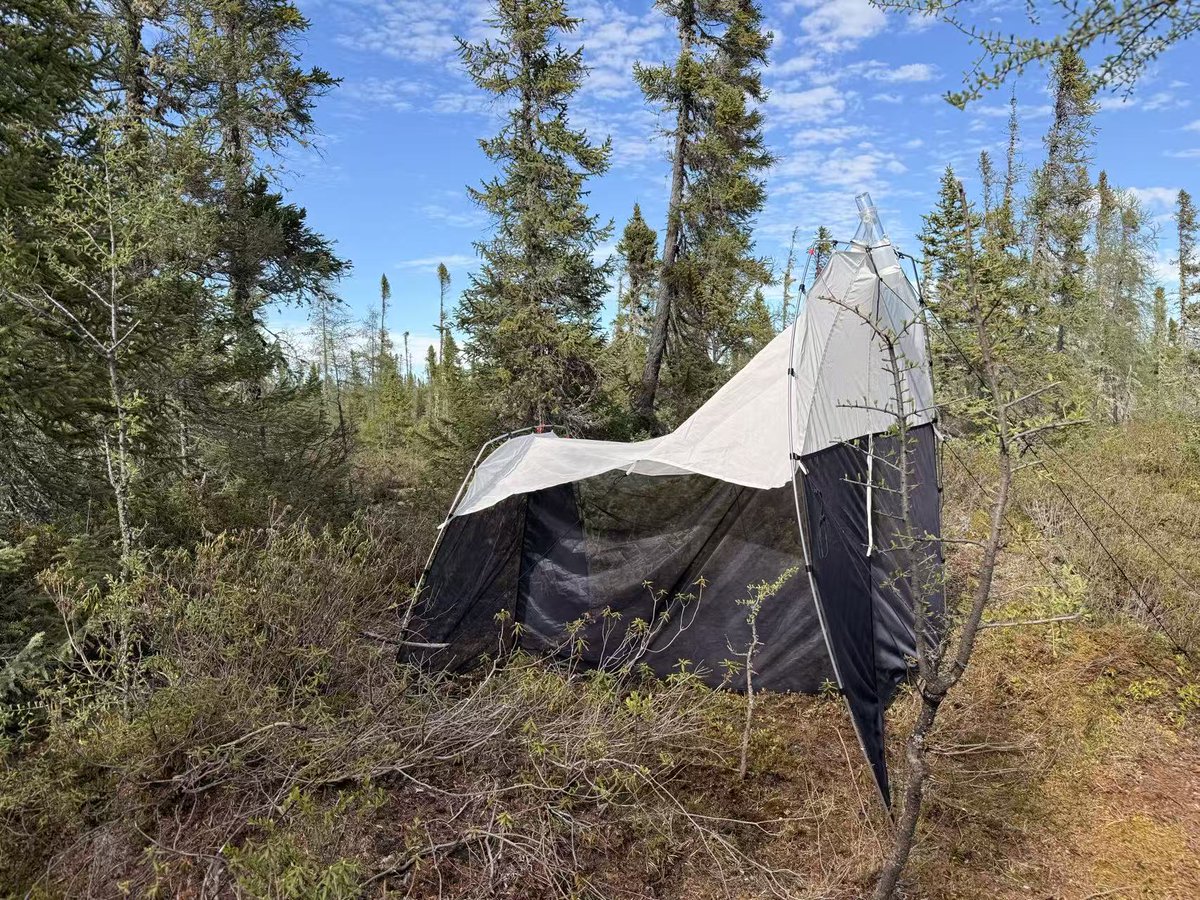
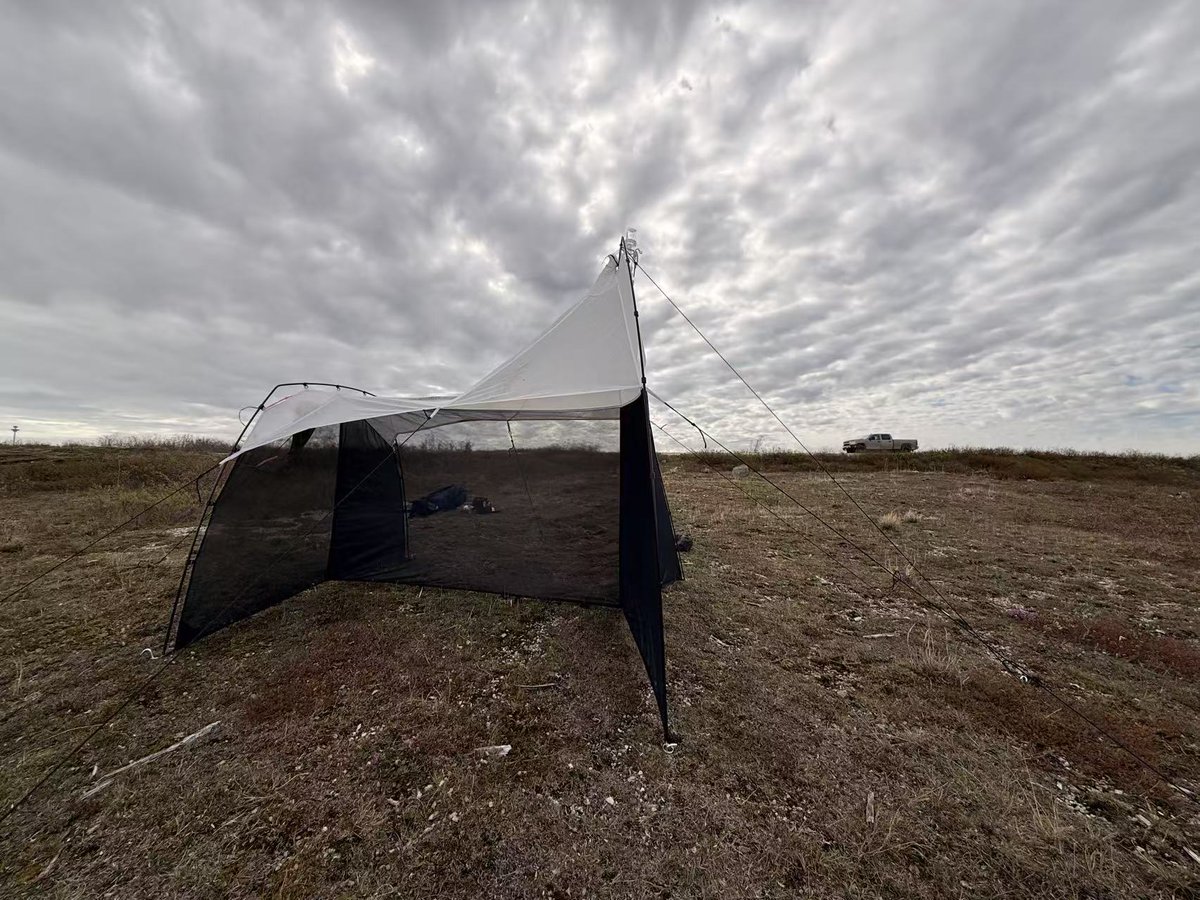
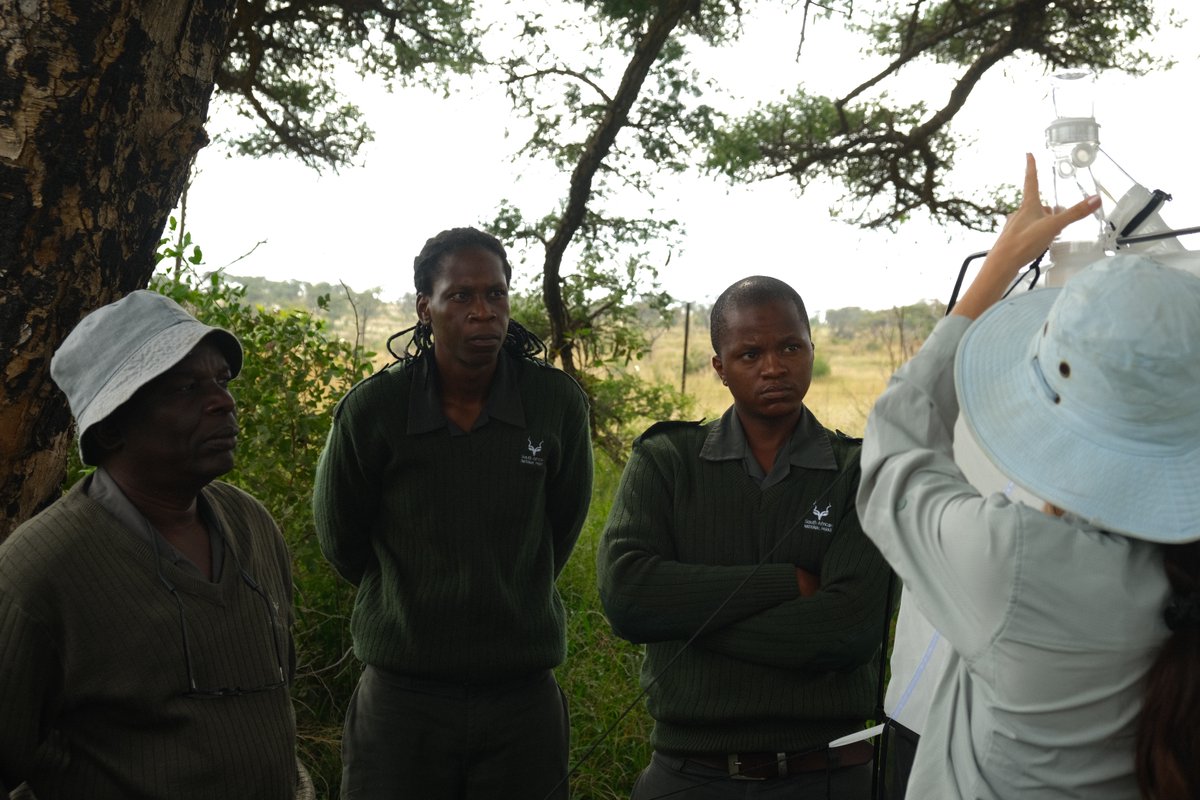
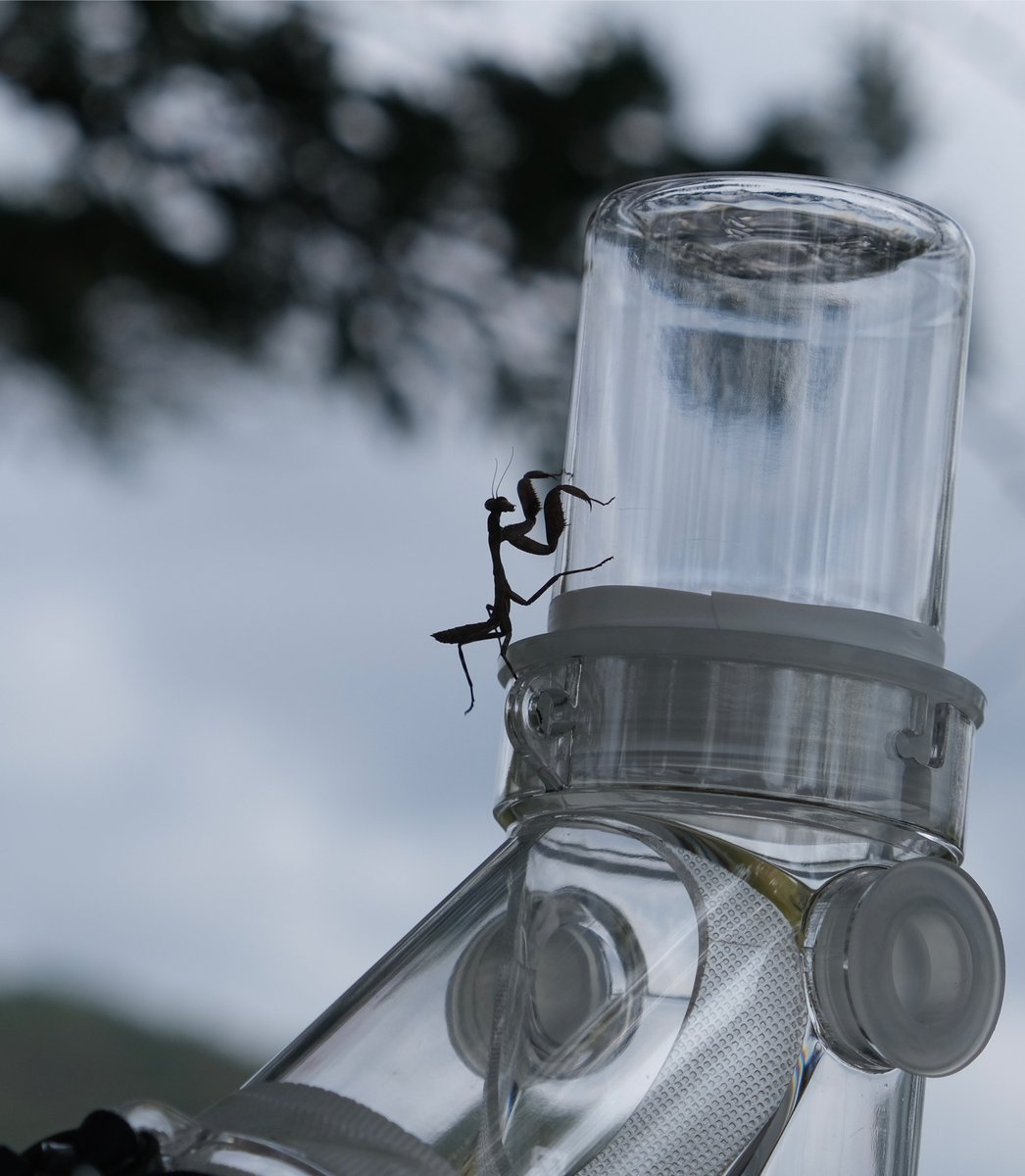
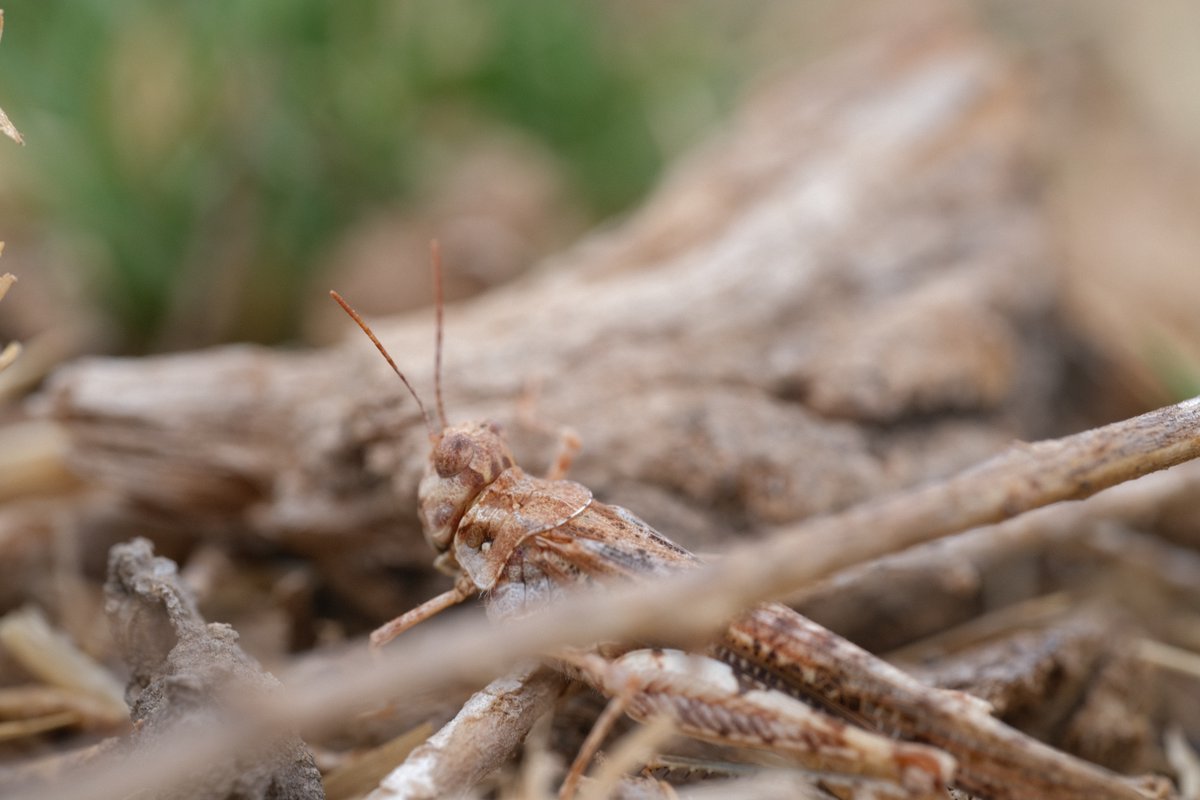
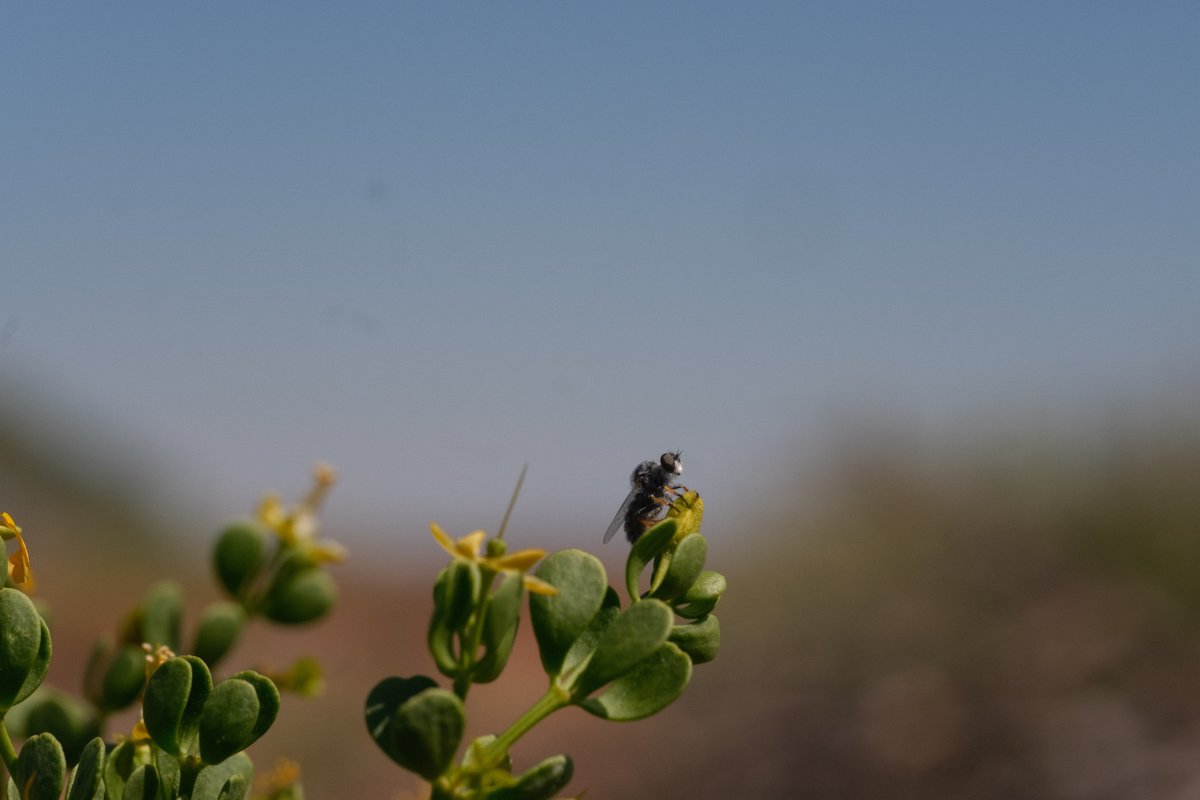
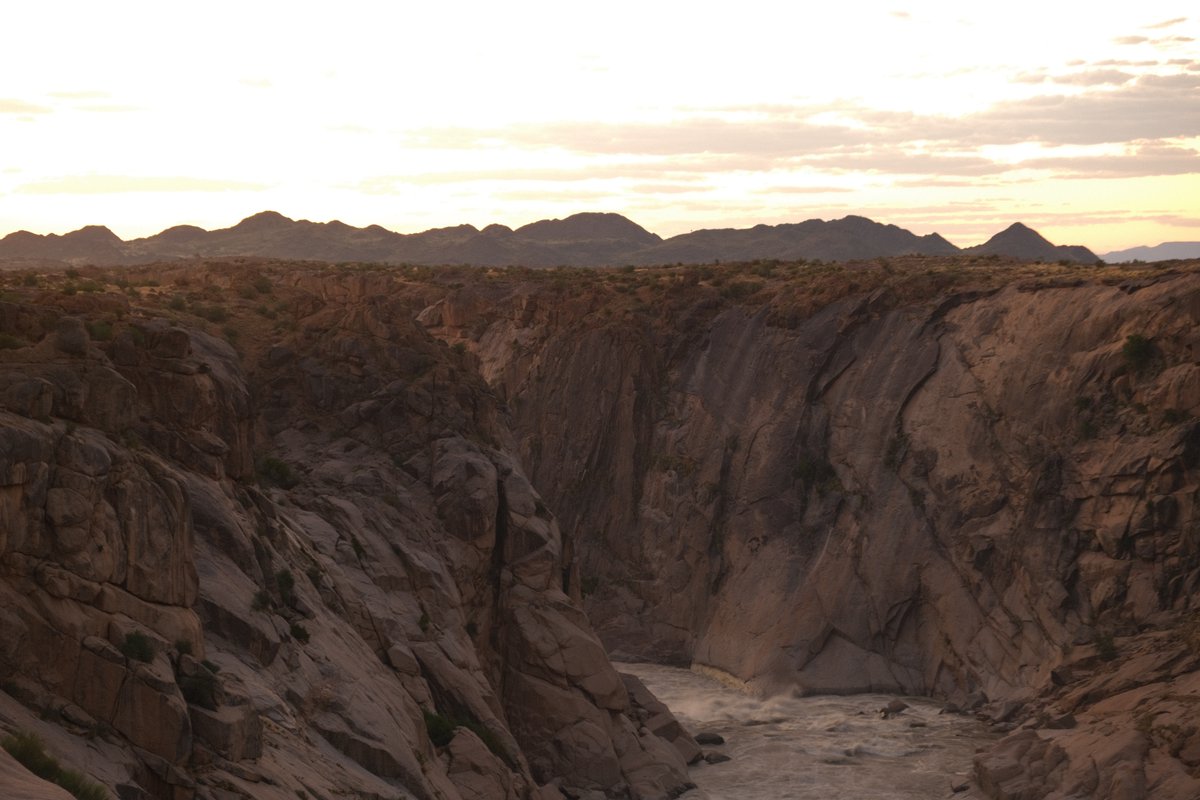
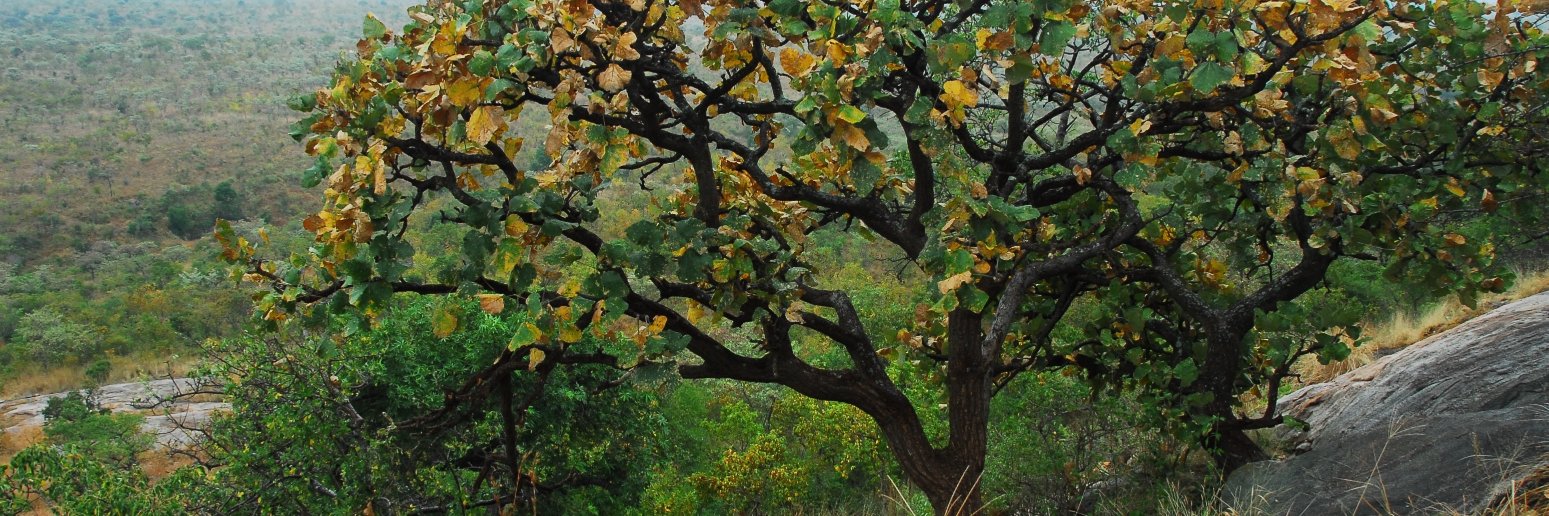
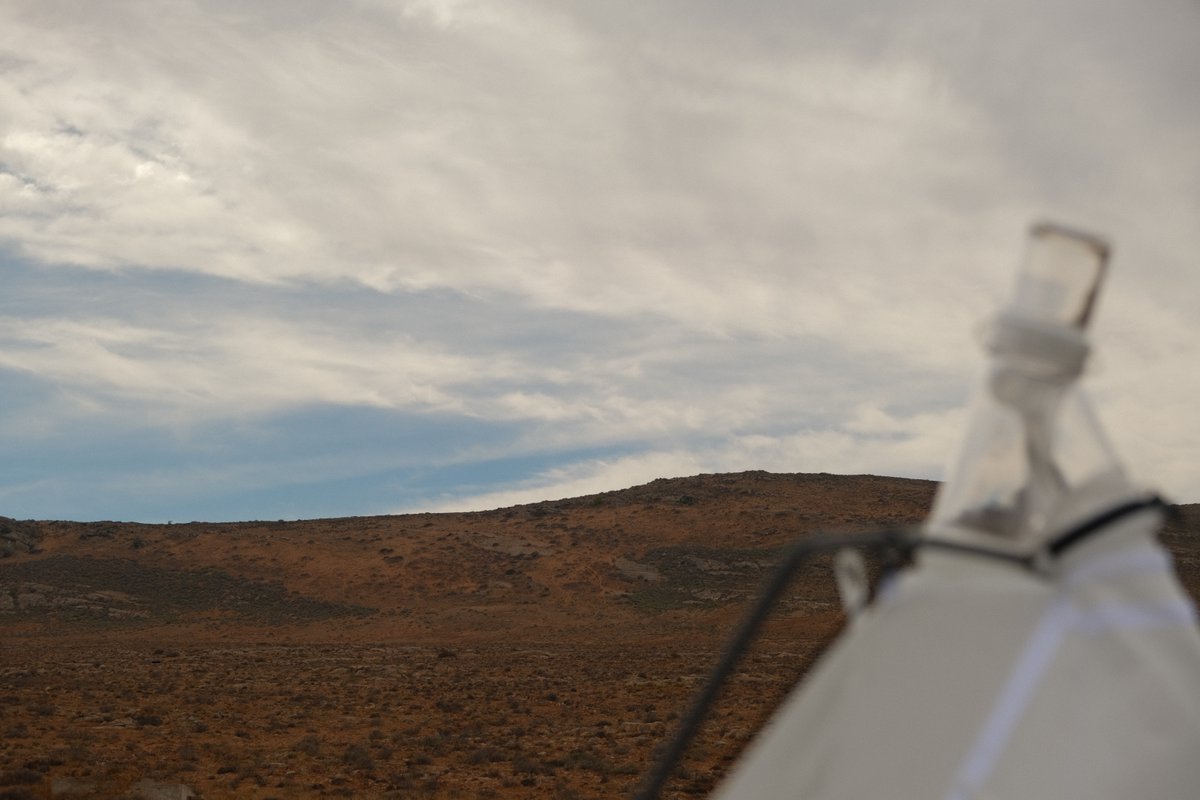
During our visit to Mokala NP, the CBG SANParks Malaise Project deployed a malaise trap beneath a camel thorn tree (Vachellia erioloba). In South Africa's arid landscapes, these remarkable trees provide essential food, shelter, and nesting sites for a diverse range of species.
At Mapungubwe NP, we learned that some ancient baobabs face pressure from repeated elephant browsing. Historically, elephants roamed wider areas, giving trees time to recover. Today, diamond fencing is used to protect the baobabs in Mapungubwe NP.
#CBGSANParksMalaiseProject
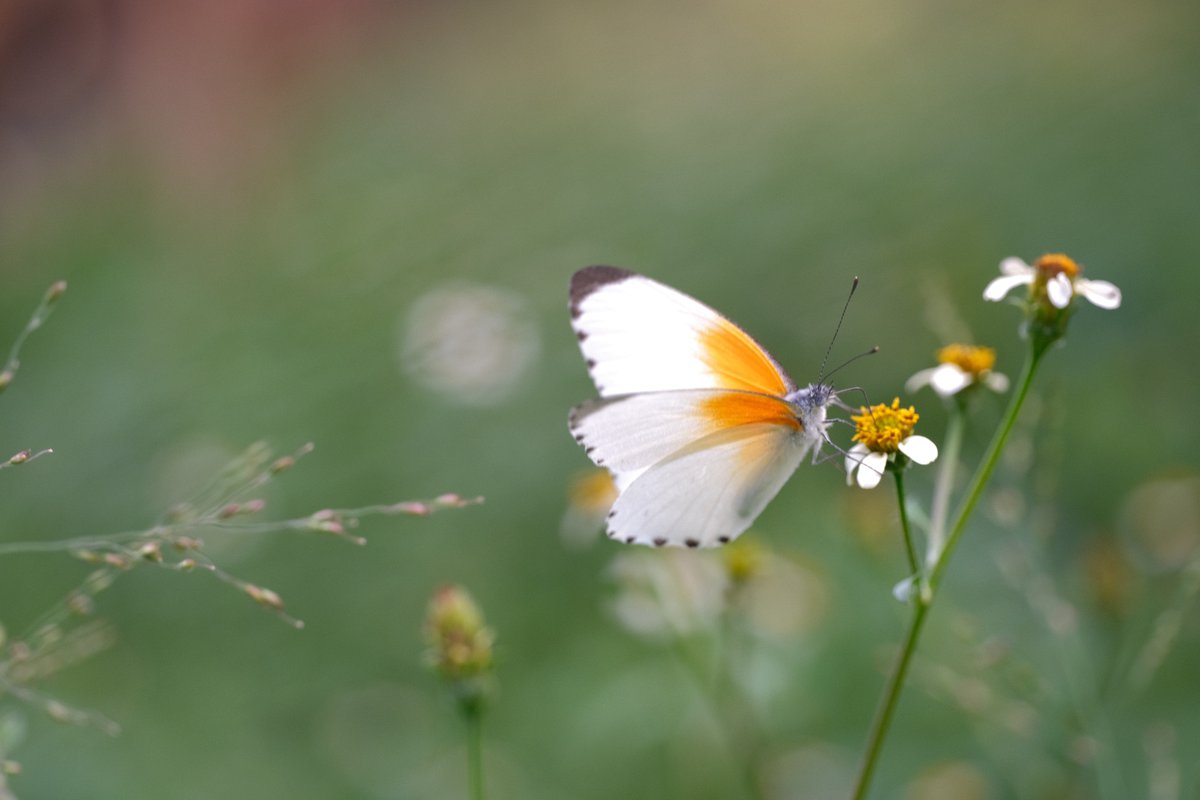
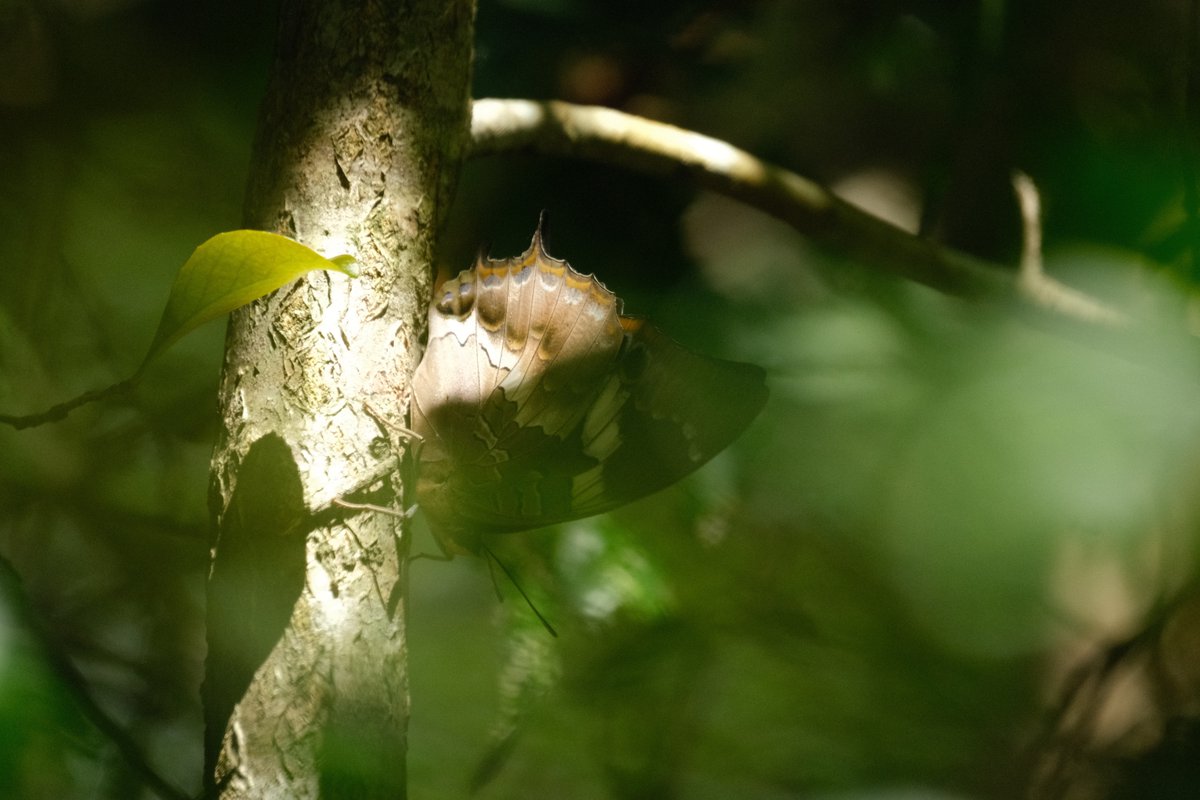
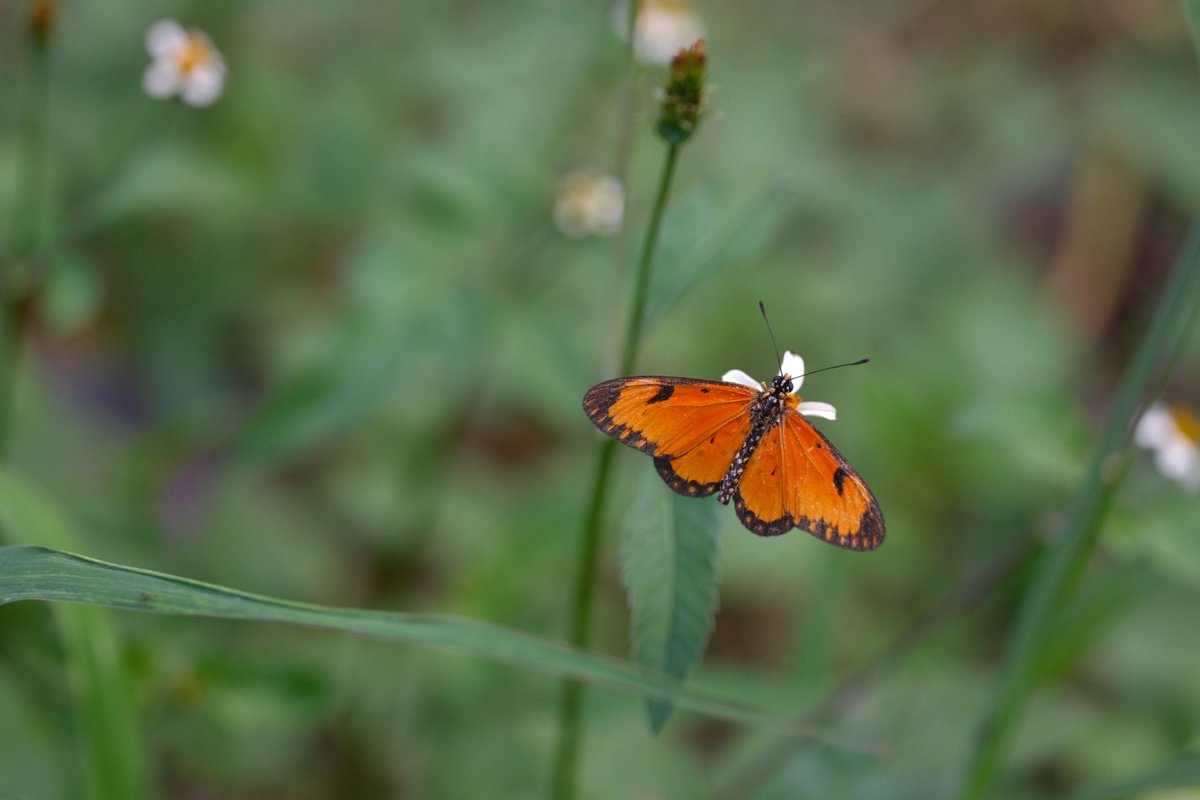
While deploying the last trap in Marakele NP, we couldn't help but notice the abundance of butterflies. What is it about this landscape that makes it so favourable for them? Sometimes the best part of fieldwork is the questions it inspires.
#CBGSANParksMalaiseProject
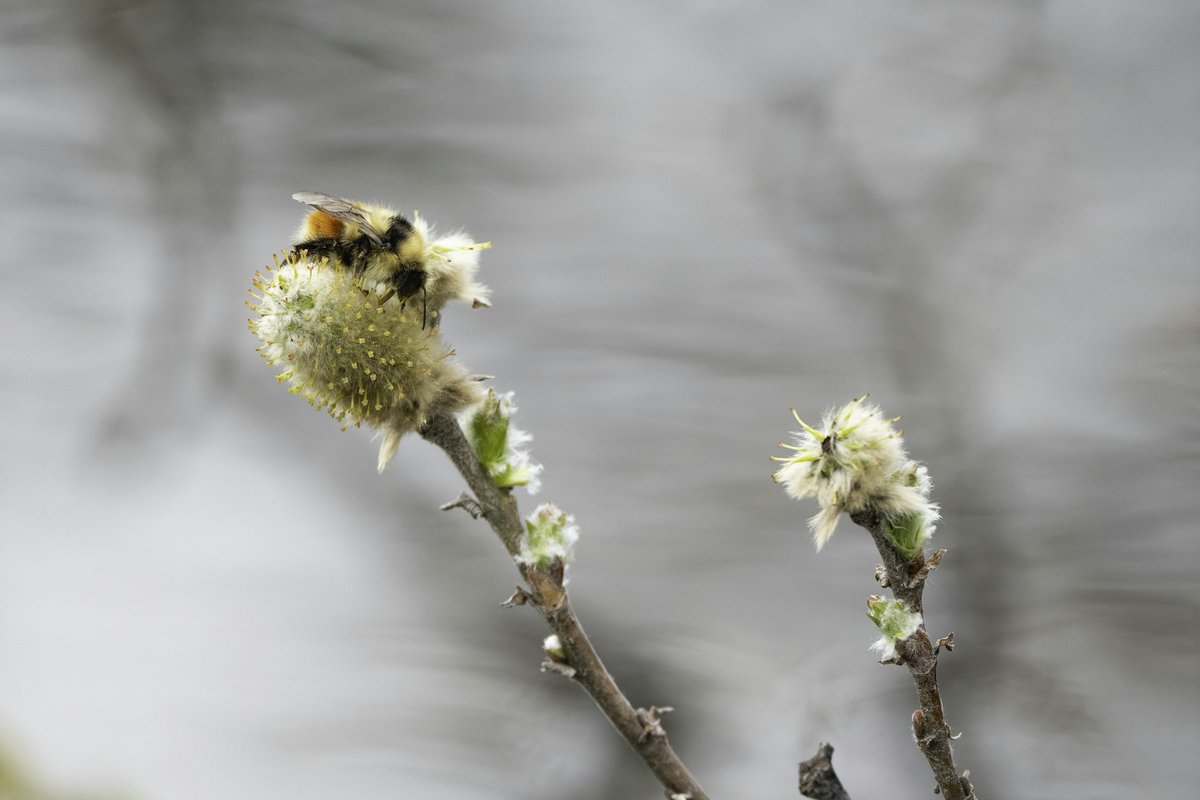
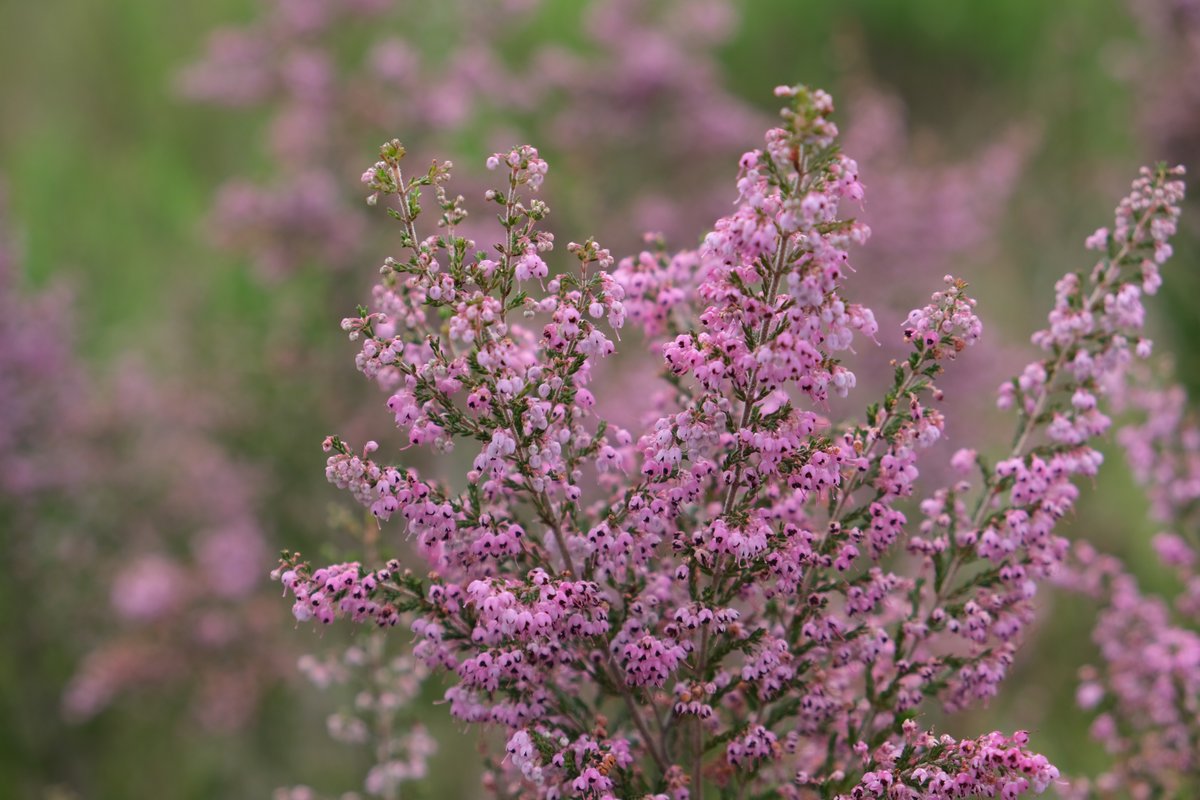
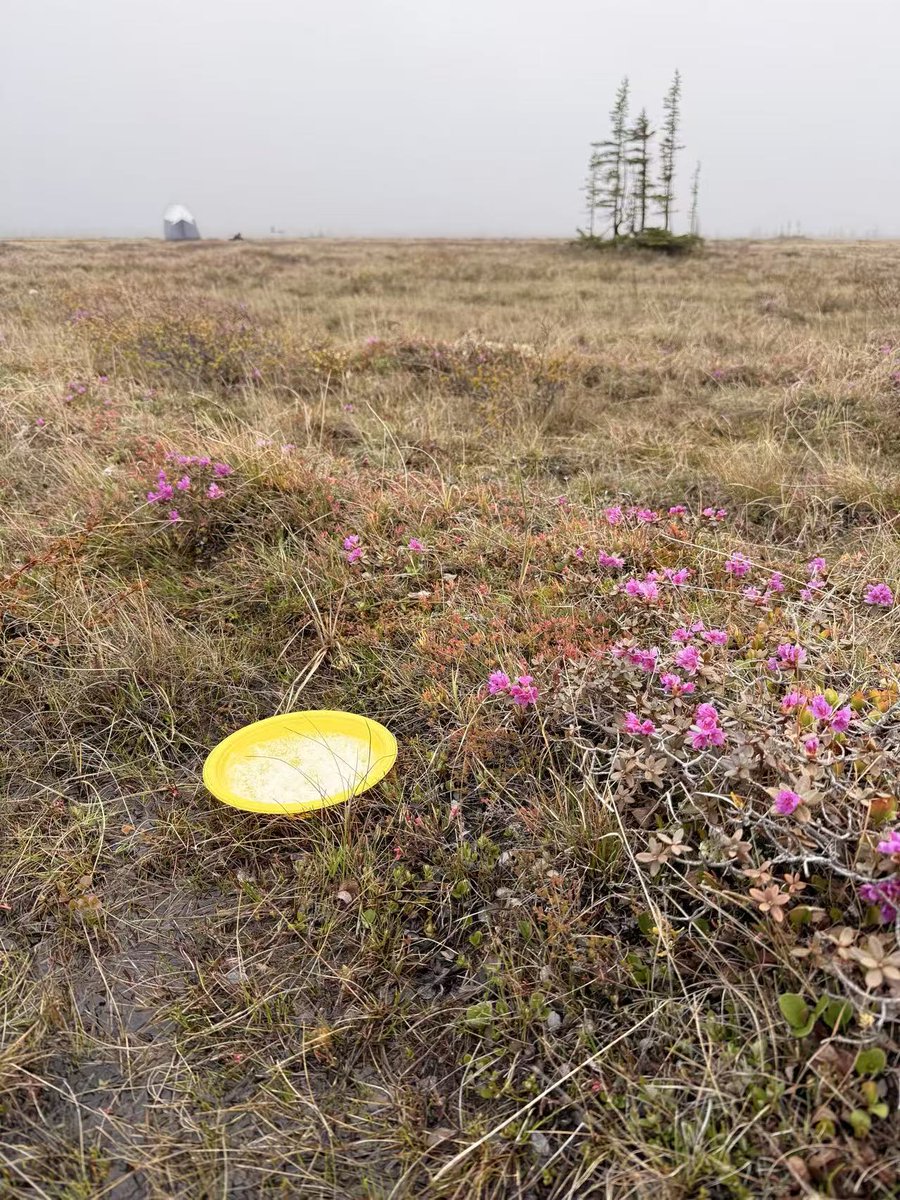
Dr. Xin Zhou's team at the University of Guelph is researching plant–pollinator interactions in northern Manitoba, collaborating with the @CentreChurchill They plan on identifying key pollinators and analyze the pollen.
#SustainTheNorth#Pollinators
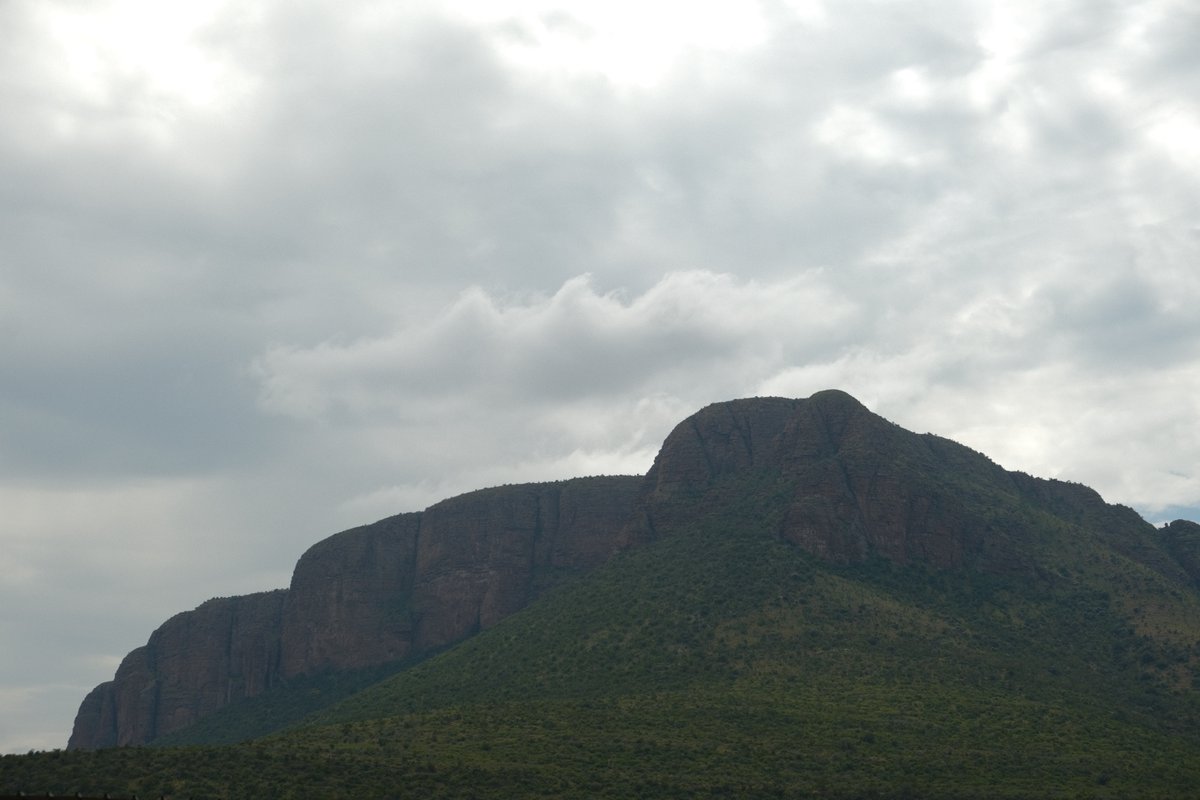
The CBG SANParks Malaise Project's next stop is Marakele NP, where South Africa's dry western landscapes meet the greener bushveld. This meeting of landscapes supports remarkable biodiversity, including one of the world's largest breeding colonies of the threatened Cape Vulture.
Namaqua NP, South Africa, transforms from a quiet, arid landscape into one of the world's most spectacular wildflower displays after the winter rain, highlighting why the CBG SANParks Malaise Project samples year-round to capture a more complete picture of arthropod biodiversity.
How many insect species are there on Earth?
Drawing on 1.6 million DNA-barcoded insects from Costa Rica, a new @PNASNews study estimates that Earth may support 14.2–20.3 million insect species—two to three times the current consensus.
https://t.co/YDOq3BWTfm
Richtersveld National Park forms part of the Succulent Karoo - the world's only arid biodiversity hotspot. It supports a remarkable diversity of succulent plants, many of which are found nowhere else on Earth. An exceptional landscape for the CBG SANParks Malaise Project.
London's Royal Botanic Gardens, Kew, warned that over 30,000 plant and fungi species are threatened with extinction but the true scale is likely higher, as only 18% of plant species and just 0.6% of fungal species have been assessed, with millions more still unknown to science
An interesting feature the CBG SANParks Malaise Team noticed at Augrabies Falls NP was the abundance of quartz. The park is underlain by granite & gneiss formed over a billion years ago. These ancient rocks affect the soil, vegetation, and ultimately the biodiversity here.
How do we find them all?
A new CBG study tested six arthropod sampling methods across 13 Canadian national parks. About 55% of detected species were collected by only one method, showing why no single trap is enough.
Read: https://t.co/fHsJ6BzLEo
#Biodiversity#DNAbarcoding
The Orange River shapes the Augrabies Falls, plunging 56m into the gorge. “Augrabies” comes from the Khoi word Aukoerebis, meaning “place of great noise”. The striking contrast between powerful rivers and arid terrain makes it an intriguing site for the CBG SANParksMalaiseProject
Kgalagadi NP is shaped by red dunes, dry riverbeds, and drought-adapted vegetation built for extreme arid conditions. These systems support iconic wildlife such as the black-maned Kalahari lions. Studying the insects here is a perfect addition to the CBG SANParks Malaise Project.
CBG SANParks Malaise Project’s next stop was Kgalagadi Transfrontier Park, a semi-arid landscape of red dunes and dry riverbeds spanning across South Africa and Botswana. Established in 2000, it is Africa’s first transfrontier park, protecting one united ecosystem across borders.
Addo Elephant NP, South Africa, features diverse ecosystems such as Albany Thicket, Nama Karoo shrublands, mountain fynbos, forests, coastal dunes, and marine areas. The CBG SANParks Malaise Project has deployed traps to study changes in arthropod diversity across these habitats.
The CBG SANParks Malaise Project visited Addo Elephant NP, where elephants had nearly gone extinct before the park was established. By 1931, only 11 remained. Today, hundreds thrive; however, this history has left its mark, with many females born tuskless.
#SANParks#Elephants
With Flongle discontinued, CBG put China’s Qitan QNome-3841/QCell-384 system—one of only two commercial nanopore makers—through its paces against UK-based ONT MinION/Flongle workflows. Result: ~98% of specimens that worked on ONT also worked on QNome. https://t.co/eFqN7tw8X9
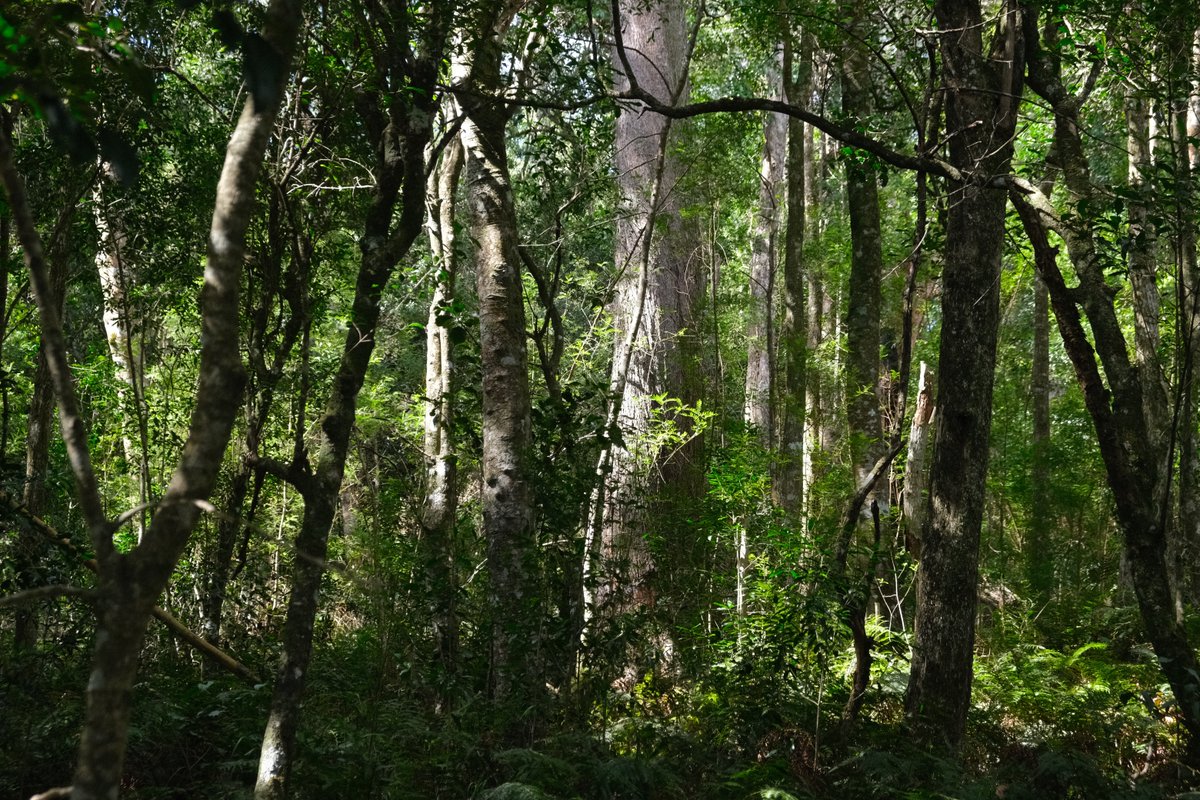
Afromontane forests in Garden Route National Park of South Africa, especially in Knysna & Tsitsikamma, are home to the Outeniqua yellowwood, with some trees 600–1,000 years old. Their layered structure creates stable, complex habitats for specialised biodiversity. #SANParks#CBG
Garden Route National Park spans Wilderness (wetlands), Knysna (forest & estuary), and Tsitsikamma (coast & forest). The CBG SANParks Malaise Project deployed 4 traps in each section to study arthropod diversity across this gradient.
#SANParks#GardenRoute#SouthAfrica