This is a good question with a longish answer. But the short answer is no.
The long answer (thread) Forest management practices (which have nothing to do with 'raking forests') have absolutely contributed to the size and intensity of wildfires over the last 100 or so years.
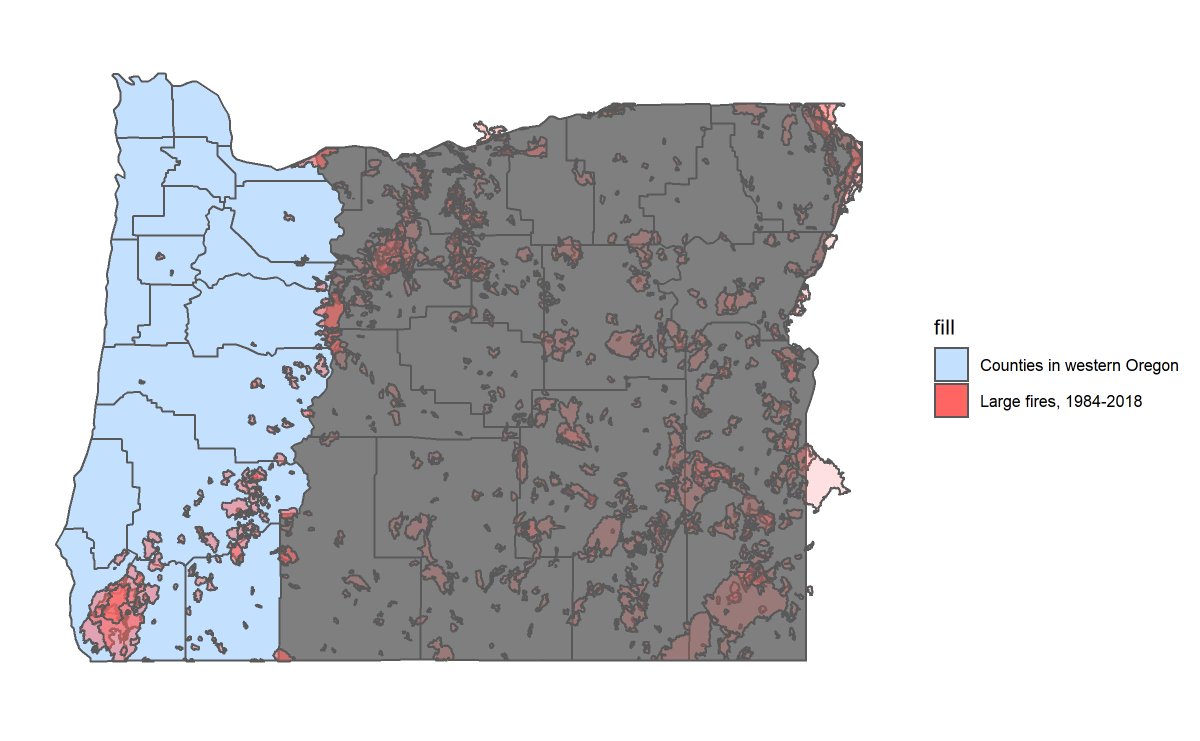
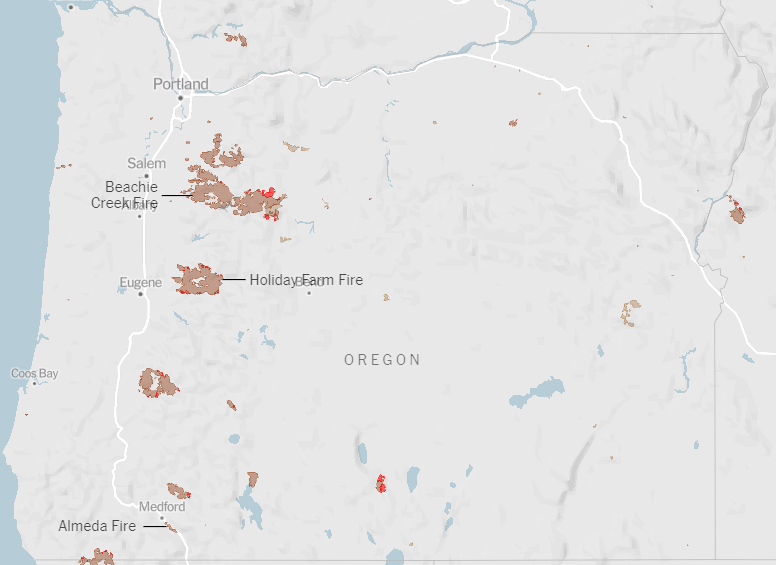
In the last week, about 600 thousand acres have burned in western Oregon, where most Oregonians live. 2.1 million acres burned between 1984-2018 (34 years!). California has lots of experience with wildfires, but this is a new thing for most Oregonians.
Today on Resources Radio—@rff’s @mwibbenmeyer discusses how California is working to control #wildfire damages and make plans for the future, as #ClimateChange threatens to intensify wildfire risks. 🎧: https://t.co/D9D17swkQH
@shamblanderson I remember when the permanent cross came down. There was a large public debate about it, but it centered on church-state issues. I don’t remember ever hearing about this history.
1/ “When shit hits the fan, which it will, all of these protocols will go out the window.”
Keeping wildland firefighters safe this year – from fires and COVID-19 – will require a significant shift in the way the country has fought wildfires for decades. https://t.co/qfUQ04Auov
@pyrogeog @delilahtov This would be a different number now, than it would be once California was in "steady state". Both numbers would be great to know!
Nearly one million Californians were affected by PG&E's preemptive blackouts, potentially costing customers an estimated $2.5 billion. In a new blog post, RFF Fellow Matthew Wibbenmeyer addresses the effectiveness of the outages in reducing wildfire risk. https://t.co/9MuI9BorJR
@drvox @ItsKelseyHamlin @mateosfo This is a key paper on this topic, though be careful interpreting the national numbers--fire isn't a problem in all US WUI: https://t.co/QPxhtdcGFs