(1/12)
Why we built https://t.co/D4P7p5vGXS: The AI-powered Social Health Network
My wife's 18years old niece got diagnosed with T 2 Diabetes, which she never saw coming. A small sore on her feet wasn't healing, and they wanted to amputate that part. This was around March 2024.
I have a confession: we applied to YC, a16z speedrun and Techstars with @mynutriqs.
Every company YC and Techstars ever backed, added up: ~$1 trillion.
Overweight and obesity cost the world ~$2 trillion. Every year.
Here's the bet we're making 👇 https://t.co/FsKgFKqN42
@Techstars@mynutriqs is the multiplayer AI nutrition coach that turns healthy eating into a daily team sport: snap your meal to see how processed it is, get coached by an AI our dietitian trains, and keep going because your squad notices when you stop.
We asked Cindy, the AI nutrition coach at @mynutriqs, 3 questions people on GLP-1s ask:
1) I'm on Ozempic and I feel tired all the time. Is that normal?
2) What happens if I stop taking it?
3) Can I eat differently to make more GLP-1 naturally?
Her answers are in the video.
She's not perfect yet: in answer 2 she gave example doses, which she shouldn't. Our dietitian co-founder is already fixing that.
We're still fixing bugs, so please test, break stuff, and tell us in the replies.
Claim your @username at https://t.co/toZdBLexnb
Many thanks 🍻🥂
We applied to @speedrun SR008 with @mynutriqs : an AI nutrition coach that shows how processed your food is, and puts you in a squad of friends who notice when you slip. Meet the three of us in 60 seconds. Then 5 reasons to back us, each one something we've already done 🧵
Recovery is possible, and second chances can change lives.
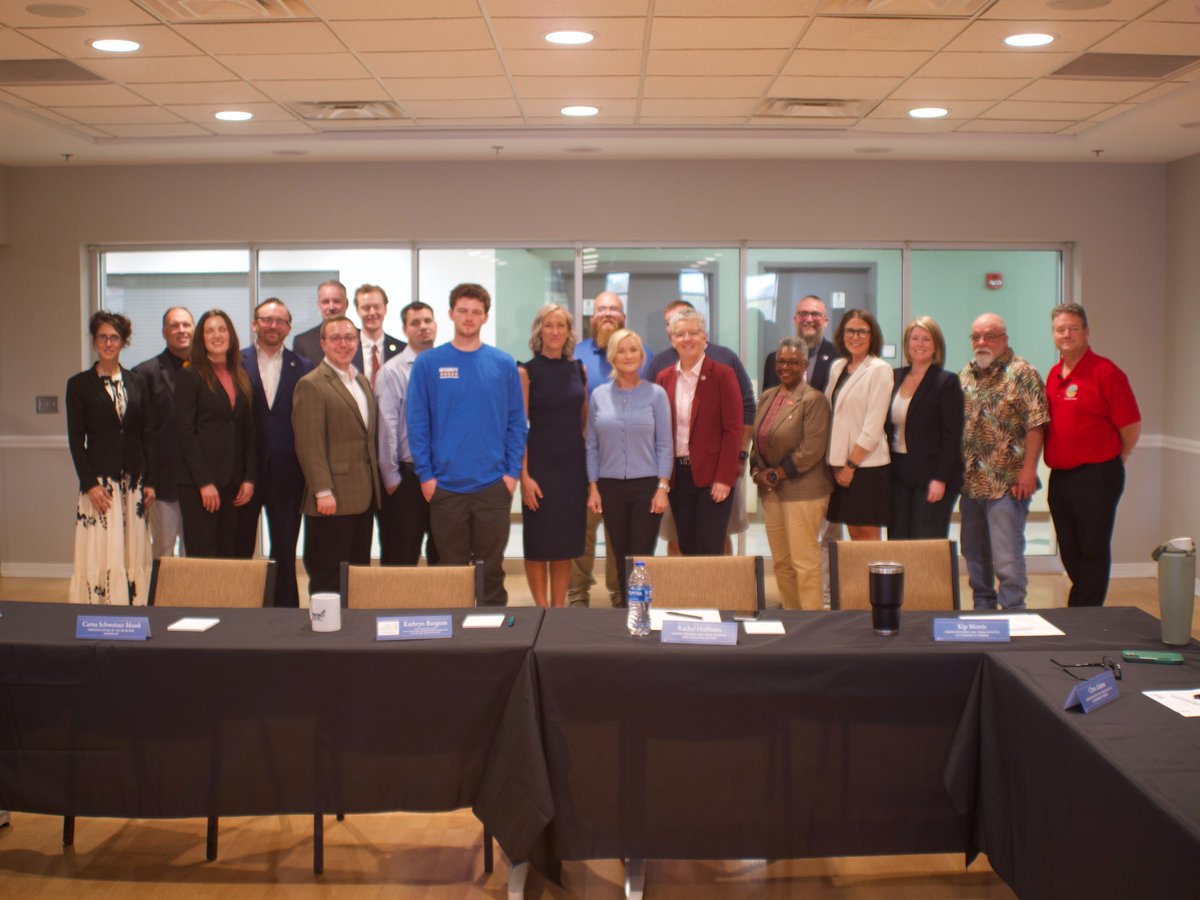
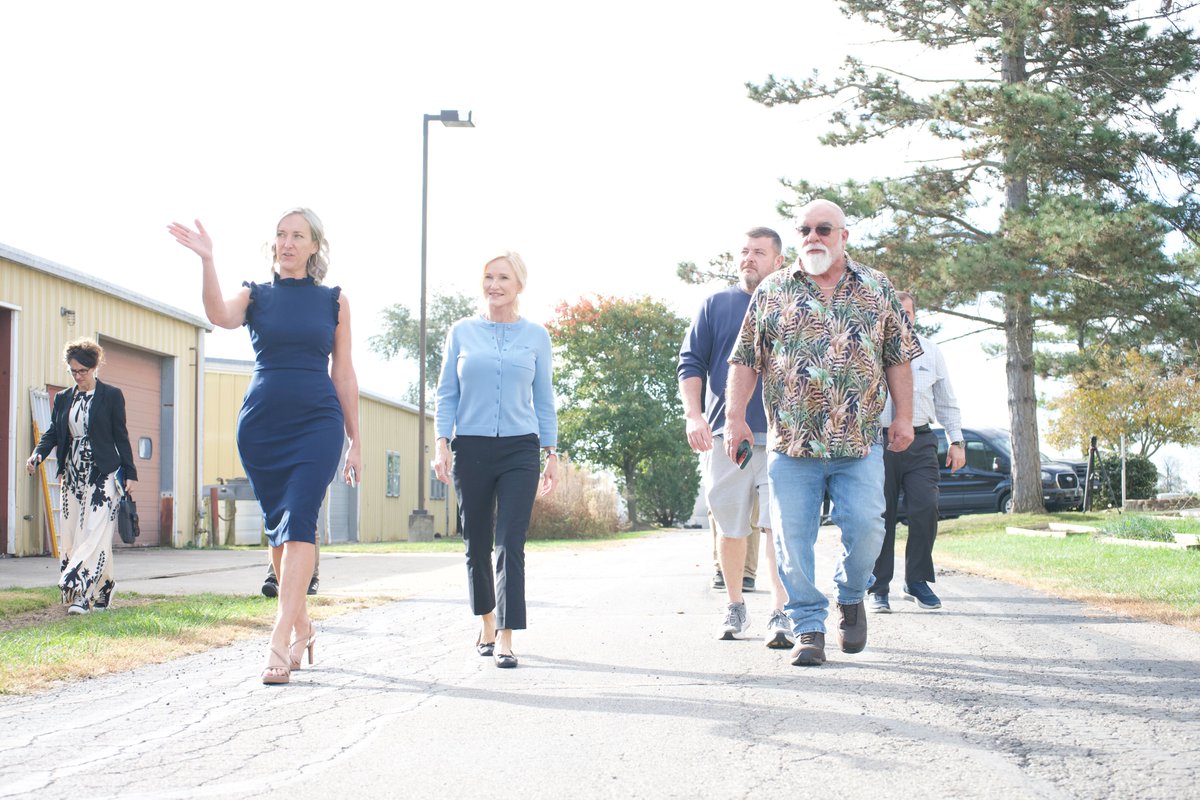
Recently, #GreatAmericanRecovery Co-Chair @KathrynBurgum visited Emerge Recovery & Trade Initiative in Xenia, Ohio, to see firsthand how addiction recovery services, workforce training, and community support are helping individuals rebuild their lives.
Together, we can build stronger communities where more Americans have the opportunity to recover, thrive, and build brighter futures.
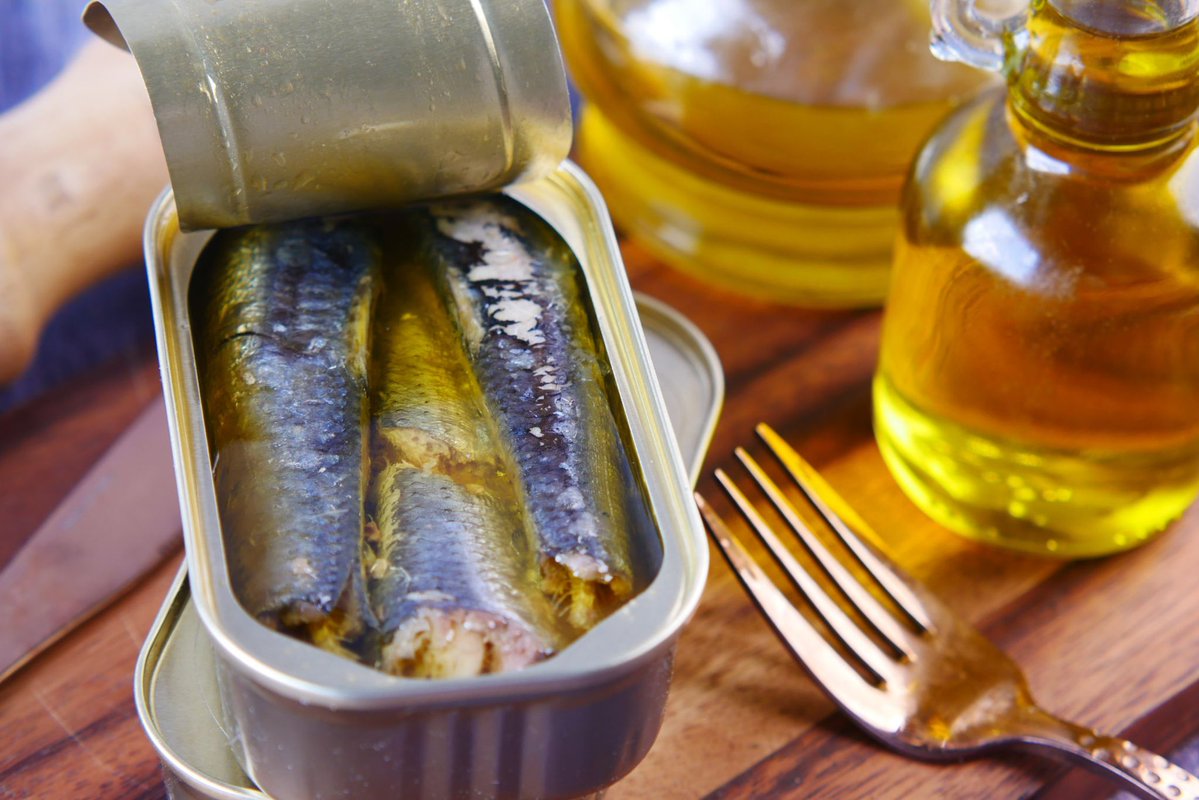
Do you like sardines? If so, you’re in luck!
They’re good for the brain, heart, gut, and bones. Here, five reasons sardines are a serious superfood:
Sardines are having a moment — and for once the hype actually lines up with the research.
These little fish punch way above their weight for brain, heart, gut, bones, and longevity.
Here’s why they’re worth putting on your plate more often 👇
1. Brain health
They’re packed with EPA + DHA (especially DHA, a major building block of brain cell membranes) plus vitamin D. Higher omega-3 status is linked to better memory, processing speed, and brain structure. A trial using sardine oil even showed changes in brain activity during working-memory tasks in older adults.
2. Heart health
Same omega-3s help lower triglycerides, blood pressure, and inflammation. One 12-month RCT in older adults with prediabetes found that adding sardines improved HDL, triglycerides, blood pressure, and insulin resistance compared with the control group.
3. Gut health
Omega-3s appear to influence the gut microbiome and gut-barrier integrity. A small trial in people with type 2 diabetes who ate sardines several times a week saw favorable shifts in their gut bacteria.
4. Bone health
Canned sardines come with the soft, edible bones — a solid source of calcium — plus vitamin D to help you absorb it. Higher fish intake has been associated with lower osteoporosis risk in observational studies.
5. Longevity signal
There’s no “sardines make you live forever” study, but frequent small-fish intake was linked to lower all-cause and cancer mortality in a large Japanese cohort (especially in women). Broader reviews also tie higher fish + omega-3 intake to lower mortality risk.
Bonus: they’re low on the food chain so mercury is generally lower than in bigger fish, inexpensive, and the whole fish (skin + bones) is edible when canned.
Aim for 1–2 times a week. Wild-caught, packed in olive oil or water, squeeze of lemon. That’s it.
Tiny fish, surprisingly big payoff. Have you jumped on the sardine train yet? 😊
There is a nutrient that we all have in every cell of our body and in many foods - it’s called Spermidine.
What is vital for aging slower, brain health and optimal health? Autophagy.
Spermidine powerfully activates autophagy which is the cleaning of cells of toxic material from the cell by removing or remodeling all the old, non-functioning parts of cells creating newer, more youthful cells that work optimally.
It is very important to note that as we age, specific nutrients we once produced in abundance when we were young such as CoQ10, Glutathione or Alpha Lipoic Acid decline markedly. This includes Spermidine.
The Benefits of Activating Autophagy:
👉Protects our brain from cognitive decline and promotes brain health
👉Promotes new, healthier and more youthful cells
👉Removes old, damaged and dying cells
👉Improves the quality and length of life
👉Promotes mitochondrial health
👉Decreases inflammation
👉Improves immune response
👉Helps protect against cancer
👉Improves gut health and overall digestion
👉Improves skin
👉May support a healthy weight
Here are a list of some foods that contain Spermidine:
*Additionally, you can supplement with Spermidine for a more therapeutic effect.
-Wheat germ (high source)
-Canned fish such as sardines
-Legumes
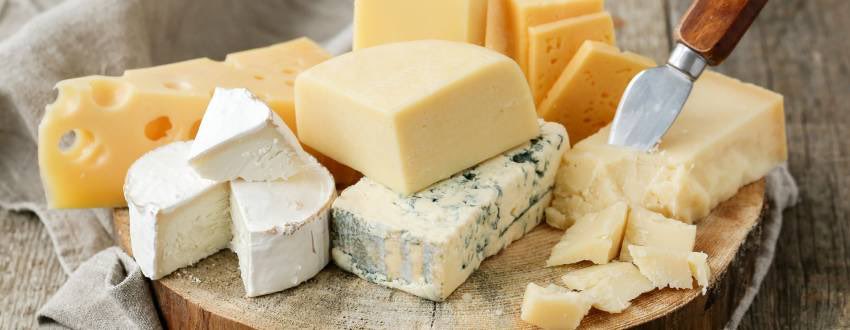
-Cheese - particularly aged cheeses (high source)
-Seafood
-Nuts and seeds
Most people think ramping up fiber will just ravage your gut with bloating and gas. Here’s the truth:
Only ~5–10% of U.S. adults hit the recommended 25–38 g of fiber per day. The average is stuck around 15 g.
Your gut microbiome treats fiber like a progressive overload stimulus in the gym.
The bacteria that ferment it gradually increase in number and activity when you add more.
Give them a consistent “training load” and they adapt.
The reward? You get better digestion, more short-chain fatty acids, stronger gut barrier, lower inflammation.
Stay chronically low and you create a vicious cycle:
Fewer fiber-adapted microbes → more discomfort when you try to increase → you avoid fiber → the microbes keep declining.
Treat fiber like training.
1. Start with +5 g/day this week (one extra apple + a handful of beans or a tablespoon of chia).
2. Increase slowly every 5–7 days.
3. Drink water.
4. Let the adaptation happen.
Your gut gets stronger the same way your muscles do, when you stop under-loading it.
What’s one high-fiber food you’re adding this week?
Source:
NHANES analyses (Miketinas et al., 2021); fiber intervention microbiome responses (Oliver et al., 2021; ISME J 2022)
It doesn't take much fat from plants to make a difference. For example, just 3 grams of fat in an entire meal may be enough to boost nutrient absorption. Dark green leafy veggies are the most nutrient-dense foods on the planet. https://t.co/XSLM2LVAzx
EAT YOUR VITAMINS: Vitamin A is essential for vision, healthy skin, cell development, immune function, and fertility. Depending on their genes, Americans may have trouble converting the vitamin A found in plants (beta-carotene) into its active form (retinol).
Your body craves retinol. Get it from Real Food: dairy, eggs, fish, and liver. Sources of beta-carotene include carrots, sweet potatoes, pumpkin, and spinach.
Many people think any given ML project is 99% training.
In reality, it’s 50% evaluation, 40% data cleaning, 8% integration, and 2% training.
The first two set the noise floor for learning. No ML magic matters; the model cannot lower the noise floor, as that’s the optimal bound of Shannon encoding of your data.
Thus, not a single day goes by without me thinking about ontology. Even the old labels have to be constantly reviewed.
Out with the old, in with the bold ✨
We gave the Google Workspace icons a sleeker look to meet this new era of helpfulness. Check them out! https://t.co/NHtXdghQys
Just started playing with Claude AI and it seems way more accurate with scientific publications than ChatGPT, which got the links wrong 90% of the time.
They both get overall picture correct but both get specific studies wrong here and there, always need to double check.