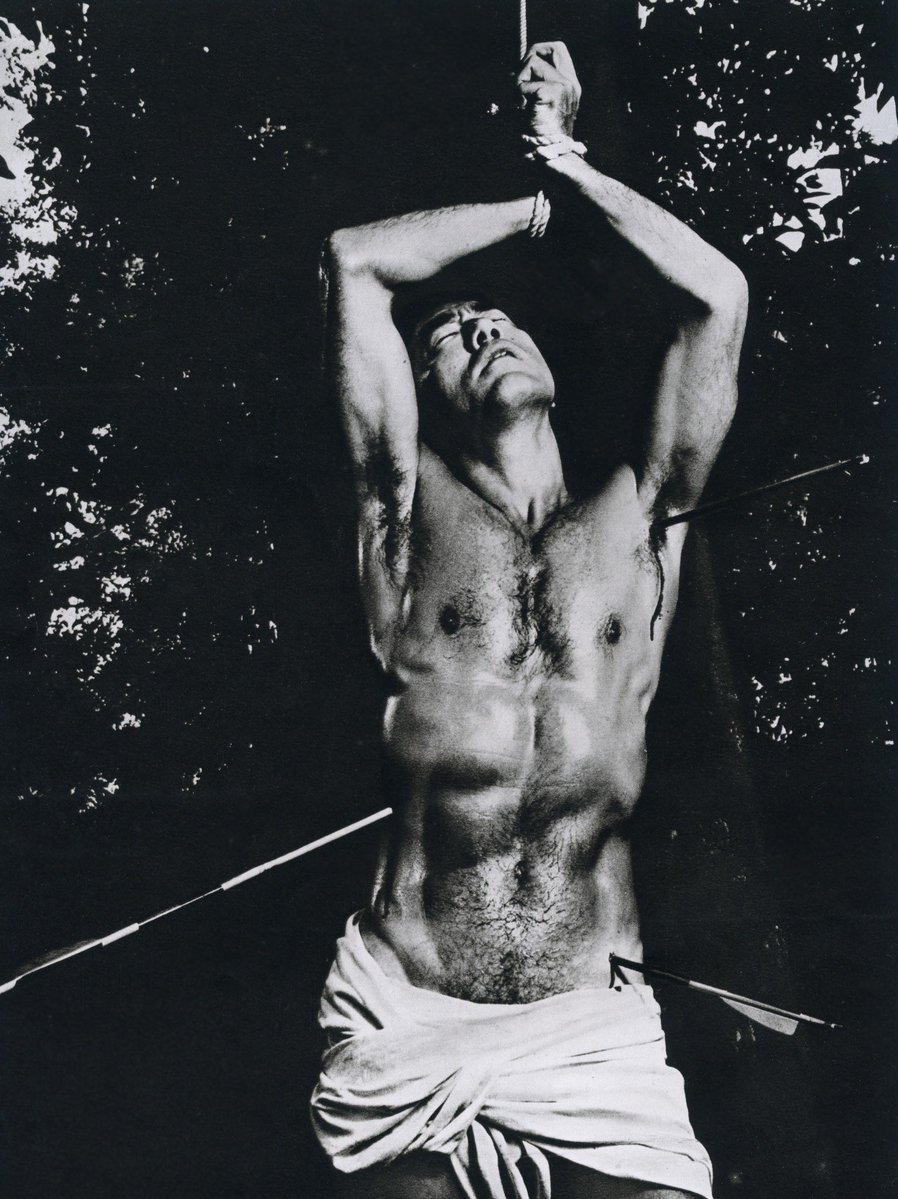
@paolosacchi95@BenjaminPa71812 Si peccato che gli Etruschi non siano i discendenti della maggior parte dei nord italiani e gli siete vicino perché siete meno nordici rispetto all'etá del ferro. I Dauni sono i discendenti di una parte isolata del nord della Puglia che ancora oggi plotta molto più a nord
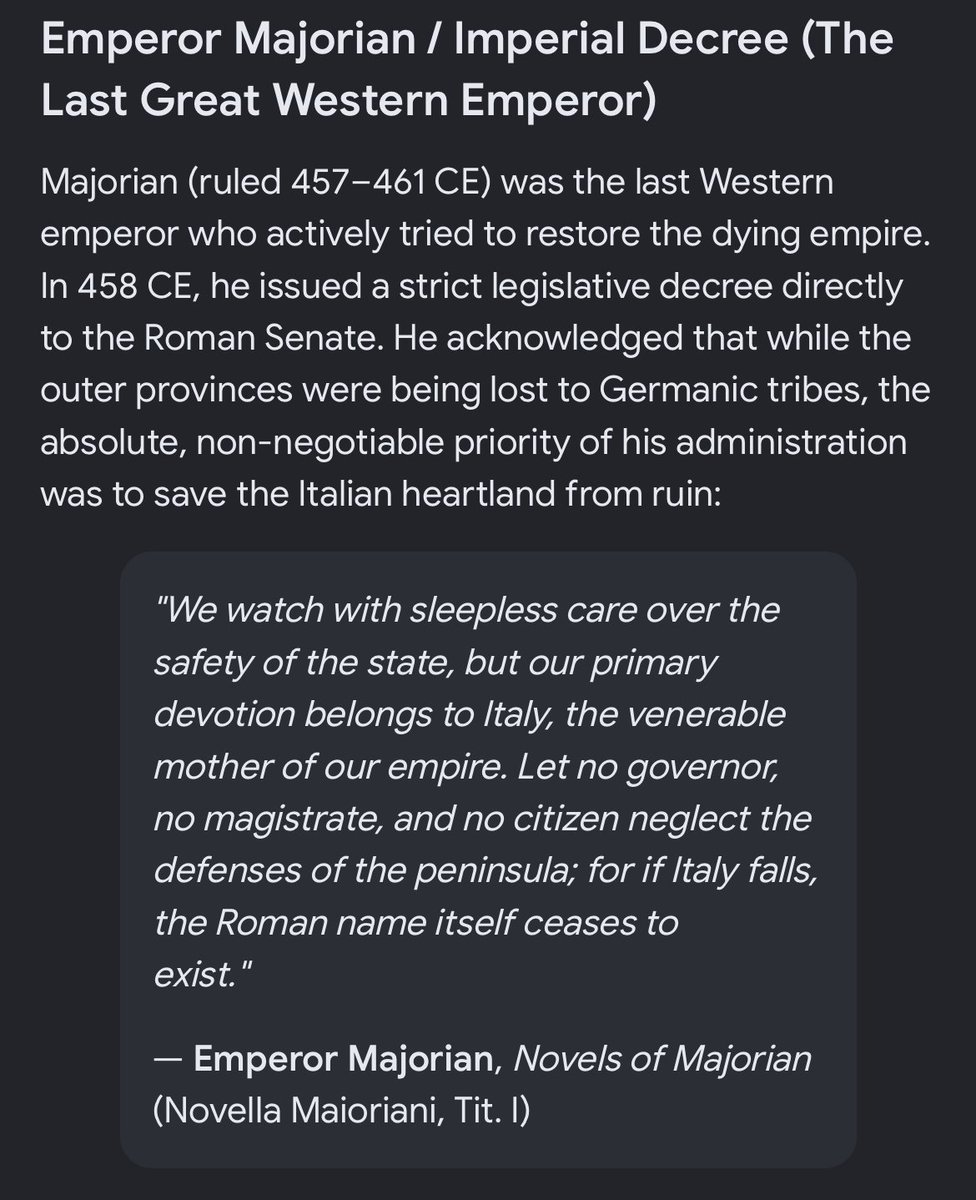
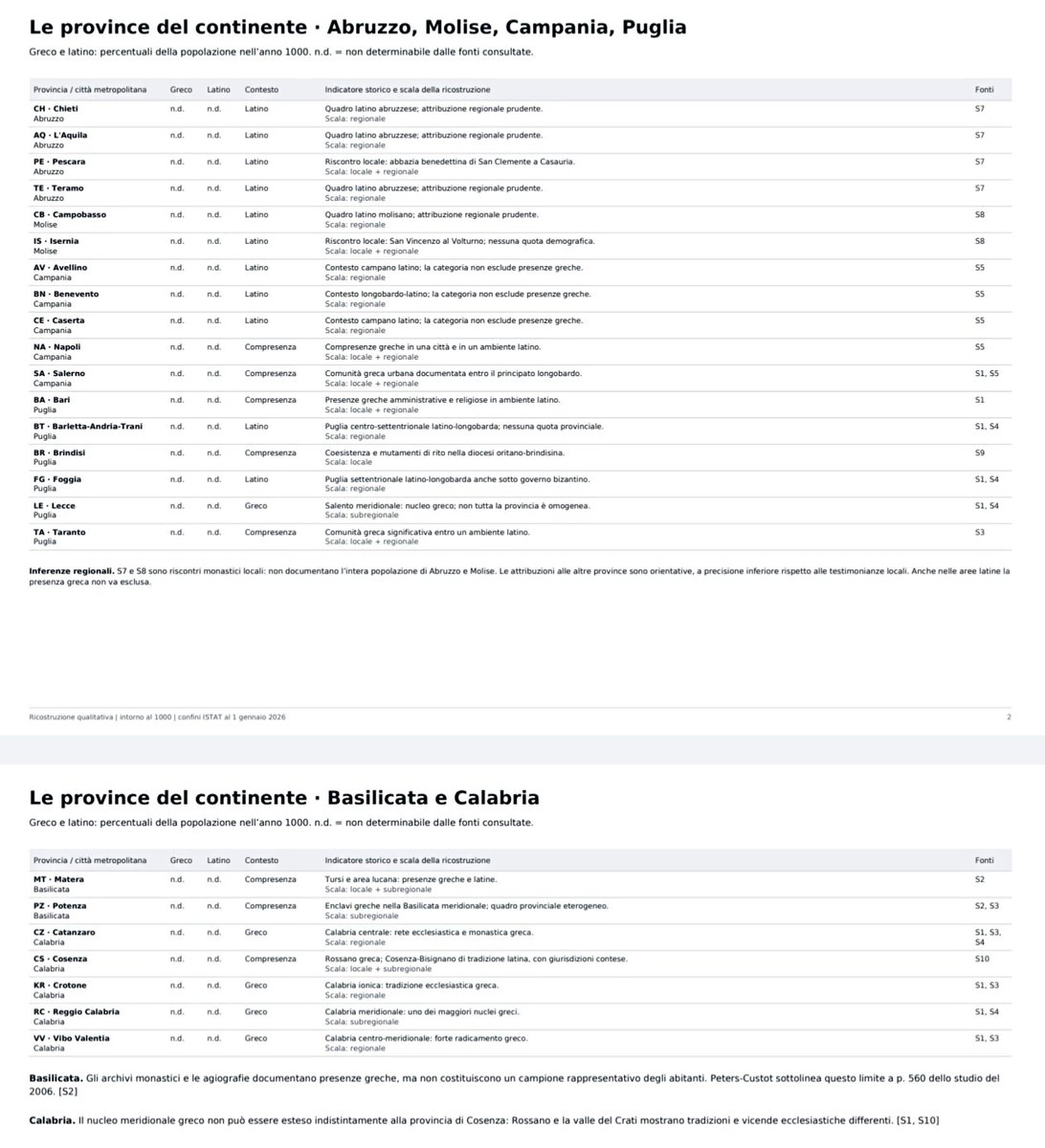
@magister_pi Esatto, con le uniche eccezioni della città di Bari per via dell'amministrazione del catapanato d'Italia e della Sicilia che era effettivamente multireligiosa
🔸 October 2 - Saints Cyprian and Justina 🪄🔥🔸
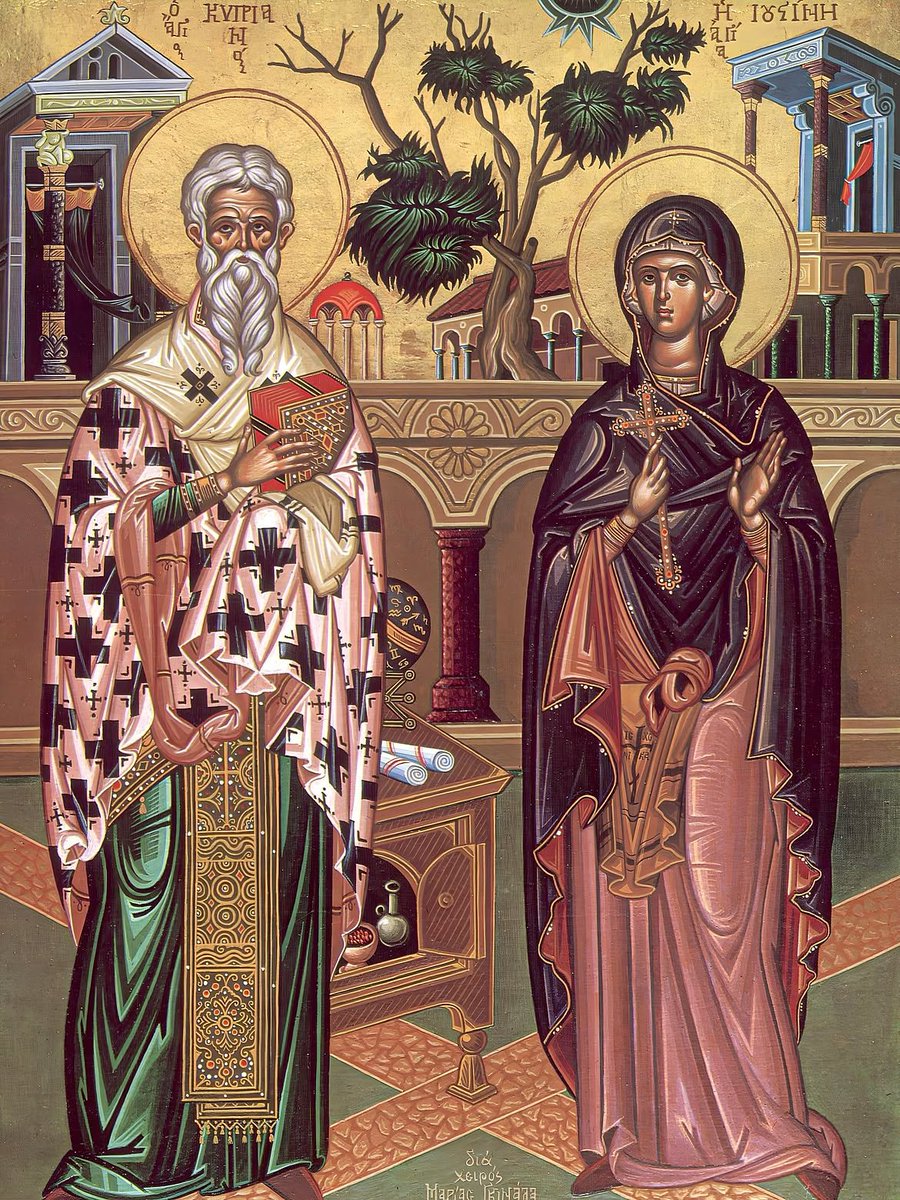
Today, we commemorate the Holy Martyrs Saints Cyprian and Justina of Antioch. Brought together by divine providence, they suffered for Christ in 304 AD during the Great Persecution of the Emperor Diocletian. St Cyprian was a pagan from Antioch in Syria. Since he excelled in the studies of pagan philosophy, astrology, sorcery and magic in his youth, he was initiated into the pagan priesthood on Mt Olympus, the leading centre of paganism.
At that time, a Greek man named Aglais fell in love with a Christian maiden from Antioch named Justina who had taken vows of chastity. Unable to attain what he desired, Aglais went to Cyprian, begging for the help of his sorcery to seduce the youthful and beautiful girl. Cyprian read spells from his books of magic, and sent many demons and evil spirits to charm the maiden into falling for Aglais. The chaste Justina however was unaffected by these charms, and retained her pure heart while continuing to diligently pray and fast.
Again attempting to rouse carnal passions within Justina, Cyprian through his sorcery sent to her the chief of the demons. But Justina again conquered this demon and preserved her purity by making the Sign of the Cross and praying to the Lord. Convinced that the devil was powerless against the faithful Justina, Cyprian came to his senses and realized that he had been corrupted by participating in such wickedness. Thus, he accepted faith in Christ.
In order to prove to the Bishop the sincerity of his repentance and desire to be baptised, Cyprian brought out and burned all of his books of spells and instruments of sorcery (as shown in image 4 titled ‘The Repentance of the Magician Cyprian’). St Cyprian preached the Gospel and converted many of his former pupils to the flock of Christ. In time he was ordained a reader, deacon, priest and lastly Bishop of Carthage in which capacity he made St Justina the abbess of a monastery.
During the persecutions of Diocletian, Cyprian and Justina were arrested and brought to Nicomedia. Having confessed Christ together, they suffered brutal tortures before finally delivering their souls by beheading.
🔸 October 1 - The Holy Apostle Ananias 🔸
Today, we also commemorate the Holy Apostle Ananias of Damascus, who is numbered among the Seventy Apostles. He baptised the Apostle Paul after his encounter with Christ on the road to Damascus, and was the first Bishop of Damascus. The Apostle Ananias was a disciple of Christ, and was living in Damascus after the Lord’s Ascension.
When Saul (later the Apostle Paul) was on his way to Damascus to persecute Christians, he was overwhelmed by divine light, and the voice of Christ said to him, “Saul, Saul, why are you persecuting Me?” (Acts 9:4). Trembling and astonished, Saul asked the Lord what He wanted him to do, and the Lord told him to go to Damascus. At that time, the Lord also appeared to Ananias, who was living in Damascus, and said to him, “Ananias… Arise and go to the street called Straight, and inquire at the house of Judas [not the betrayer but another faithful disciple in Damascus] for one called Saul of Tarsus.” (Acts 9:11).
When Ananias questioned why the Lord was instructing him to seek this man who had done great harm to the Christians in Jerusalem, the Lord replied, “Go, for he is a chosen vessel of Mine to bear My name before Gentiles, kings, and the children of Israel. For I will show him how many things he must suffer for My name’s sake.” (Acts 9:15-16). “Ananias went his way and entered the house; and laying his hands on Saul he said, Brother Saul, the Lord Jesus, who appeared to you on the road as you came, has sent me that you may receive your sight and be filled with the Holy Spirit.” (Acts 9:17).
Immediately, Saul accepted baptism, and his sight was restored. Ananias was later consecrated as the first Bishop of Damascus by the Apostles. He wrought many miracles which brought many pagans to faith in Christ. The authorities however regarded him as a dangerous man. Lucian the pagan Governor had him beaten with sinews of oxen, then had his sides lacerated and his flesh burnt with flaming torches. Then, taking him outside the city walls, they stoned him. Thus he ended his life in martyrdom. Image 7 shows the home of Apostle Ananias in Damascus Syria, where he Baptised Saint Paul.

























![orthodox_33ad's tweet photo. 🔸 October 1 - The Holy Apostle Ananias 🔸
Today, we also commemorate the Holy Apostle Ananias of Damascus, who is numbered among the Seventy Apostles. He baptised the Apostle Paul after his encounter with Christ on the road to Damascus, and was the first Bishop of Damascus. The Apostle Ananias was a disciple of Christ, and was living in Damascus after the Lord’s Ascension.
When Saul (later the Apostle Paul) was on his way to Damascus to persecute Christians, he was overwhelmed by divine light, and the voice of Christ said to him, “Saul, Saul, why are you persecuting Me?” (Acts 9:4). Trembling and astonished, Saul asked the Lord what He wanted him to do, and the Lord told him to go to Damascus. At that time, the Lord also appeared to Ananias, who was living in Damascus, and said to him, “Ananias… Arise and go to the street called Straight, and inquire at the house of Judas [not the betrayer but another faithful disciple in Damascus] for one called Saul of Tarsus.” (Acts 9:11).
When Ananias questioned why the Lord was instructing him to seek this man who had done great harm to the Christians in Jerusalem, the Lord replied, “Go, for he is a chosen vessel of Mine to bear My name before Gentiles, kings, and the children of Israel. For I will show him how many things he must suffer for My name’s sake.” (Acts 9:15-16). “Ananias went his way and entered the house; and laying his hands on Saul he said, Brother Saul, the Lord Jesus, who appeared to you on the road as you came, has sent me that you may receive your sight and be filled with the Holy Spirit.” (Acts 9:17).
Immediately, Saul accepted baptism, and his sight was restored. Ananias was later consecrated as the first Bishop of Damascus by the Apostles. He wrought many miracles which brought many pagans to faith in Christ. The authorities however regarded him as a dangerous man. Lucian the pagan Governor had him beaten with sinews of oxen, then had his sides lacerated and his flesh burnt with flaming torches. Then, taking him outside the city walls, they stoned him. Thus he ended his life in martyrdom. Image 7 shows the home of Apostle Ananias in Damascus Syria, where he Baptised Saint Paul.](https://pbs.twimg.com/media/HTjkYJGXgAAvRHW.jpg)