Senior researcher @TrendsRA/Iranian affairs/BA International studies/MA Iranian studies/MS Intelligence analysis/MA Command and military studies/PHD scholar
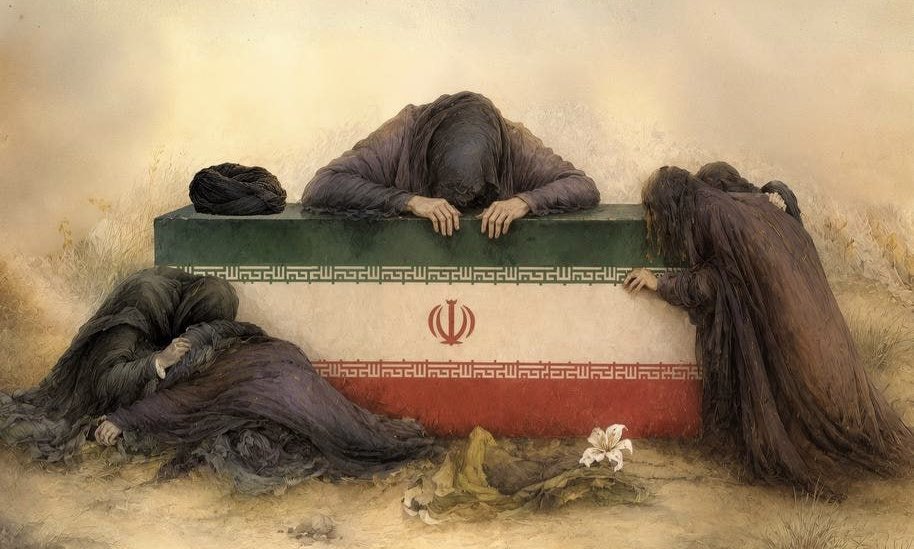
طهران تستحضر كربلاء: جنازة خامنئي بين الرمزية الدينية والهندسة السياسية
محمد مجيد الأحوازي - ستوكهولم
منذ اللحظة التي أُعلن فيها عن مقتل المرشد الأعلى للنظام الإيراني علي خامنئي في غارة أميركية-إسرائيلية مشتركة يوم 28 فبراير 2026، لم تكن المسألة المطروحة أمام النظام الإيراني هي كيف يُدفن مرشده الأعلى، بل كيف يُروى موته. والفارق بين الفعلين هو بالضبط ما تكشفه هذه الجنازة الممتدة على ستة أيام وخمس مدن بعضها يعتبر مقدسة لدى الشيعة بين إيران والعراق.
من الاغتيال إلى الاستشهاد
التأخر الكبير بين الوفاة في مارس والتشييع الفعلي في يوليو لم يكن عارضاً تقنياً، بل فسحة زمنية استُثمرت لإعادة صياغة الحدث. فموت خامنئي بصاروخ أميركي-إسرائيلي، مهما كان مفاجئاً ومربكاً للنظام، يحمل بذاته مادة خام صالحة لإعادة إنتاج المعادلة الشيعية الاثني عشرية الأكثر جذرية وهي هزيمة الجسد أمام السيف لا تعني هزيمة القضية، بل هي شرط تحققها. هذا هو جوهر "الفكرة الحسينية" التي يُراد إسقاطها هنا. الدم الذي يسيل ليس عار الضعف العسكري، بل وقود الشرعية الأبدية. ومن هذا الباب، تتحول خسارة النظام الإيراني الفادحة في حرب فبراير -على المستويين العسكري والاستخباراتي- من نقطة ضعف يمكن استثما��ها ضده، إلى سردية تأسيسية جديدة يُعاد فيها تعريف الهزيمة كانتصار مؤجل.
المسار الجغرافي للجنازة نفسه مصمم ليقول هذا الكلام ��صرياً قبل أن يُقال خطابياً، طهران حيث مركز السلطة، فقُم حيث المرجعية الفقهية، ثم النجف وكربلاء في العراق حيث الإمامان علي والحسين، وأخيراً مشهد حيث الإمام الرضا. هذه ليست جولة توديع، بل رحلة عبور إلى صف الأئمة، محاولة لنقل خامنئي من موقعه كحاكم سياسي متنازع عليه شعبياً إلى موقع "الشهيد المتصل بسلسلة القداسة الشيعية الأثنى عشرية".
الشرعية شبه المضمونة لخلافة لم تكتمل بعد
خلف هذه الطبقة الرمزية، هناك مهمة أكثر واقعية وإلحاحاً وهي تثبيت مجتبى خامنئي في منصب المرشد الأعلى. فالابن انتُخب في مارس دون أن يظهر منذ ذلك الحين بصورة حية أو مقطع فيديو حديث، وهو غياب أثار تكهنات جدية حول وضعه الصحي وحول مدى تماسك عملية الانتقال نفسها. جنازة بهذا الحجم -بين 15 و20 مليون مشيّع بحسب تقديرات رسمية، وضيوف من مئة دولة- ليست فقط وداعاً لخامنئي، بل هي أيضاً منصة تتويج ضمنية لخليفته، حضور صورته الكبيرة إلى جانب صورتي والده والخميني في المصلى الكبير رسالة بصرية مقصودة تمنح مجتبى بالوكالة ما لم يستطع نيله بالحضور الفعلي.
بهذا المعنى، الجنازة أداة لسد فجوتين متزامنتين، فجوة الشرعية الدينية لمرشد لم يكتمل مسار تأهيله المرجعي بعد، وفجوة الثقة الشعبية لنظام خرج من حرب مدمرة وسط انقسام داخلي عميق، تجلى في احتفالات علنية في مدن إيرانية عدة عقب إعلان مقتل خامنئي، وشعارات مناهضة رفعت في الشارع نفسه الذي يراد اليوم تصويره موحداً خلف نعشه.
إعادة تموضع التيارات: من الوحدة الظا��رية إلى صراع ما بعد خامنئي
الجنازة الحاشدة تخفي، أكثر مما تُظهر، معركة داخلية على تعريف مرحلة إيران «ما بعد خامنئي». فالحرس الثوري يضغط لحسم مسألة القيادة بسرعة ووفق شروطه، بينما تبقى مؤسسات أخرى - من مجلس الخبراء إلى الرئاسة في موقع أضعف من أن تفرض بديلاً واضحاً. أسماء مثل حسن خميني وصادق لاريجاني وأعرافي وحسن روحاني طُرحت في لحظة الفراغ الأول، لكنها الآن في الظل أمام اندفاعة مجتبى خامنئي وحاضنته العسكرية-الأمنية.
لذلك هذا المشهد الجنائزي، بما يحمله من توظيف مكثف لرموز الحرس الثوري وقادته، هو في جوهره إعلان تفوق لتيار على آخر أكثر مما هو حداد جامع.
البعد الإقليمي: تجديد بيعة محور المقاومة
امتداد المراسم إلى النجف وكربلاء، بمشاركة فصائل عراقية موالية لإيران وهيئة الحشد الشعبي، ليس تفصيلاً لوجستياً بل تصريح سياسي، النظام يريد أن يُظهر أن شبكة نفوذه الإ��ليمية -من العراق إلى لبنان واليمن- لا تزال متماسكة رغم الضربة القاسية التي تلقاها قائدها الأعلى خامنئي في طهران وحسن نصرالله في لبنان. لذلك تبدو محاولة لإرسال رسالة طمأنة إلى الأذرع بقدر ما هي رسالة تحد إلى الخصوم، الدم لم يُضعف المحور وشبكة المحور، بل جدد بيعتها.
يبدو لي جنازة خامنئي حدث متعدد الطبقات، طقس ديني يستدعي كربلاء لتحويل هزيمة عسكرية إلى انتصار رمزي، ومسرح سياسي لتثبيت خلافة هشة، وساحة لصراع تيارات لم يُحسم بعد، ومنصة إقليمية لتجديد تماسك حلفاء إيران. متابعة هذه اللحظة تتطلب الفصل بين ما تريد طهران عرضه على العالم وبين ما يجري فعلاً تحت السطح من صراع نفوذ لم تُكتب فصوله الأخيرة بعد.
السؤال الذي يشغل بالي هذه الأيام، إ��ا كان النظام الإيراني يُظهر هذا القدر من "الاحتيال الدبلوماسي" ويحاول المناورة حتى مع رئيس جاء بسياسة ضغط قصوى وضربات مباشرة مثل ترامب: كيف سيتصرف هذا النظام الذي يجيد اللعب في المساحات الرمادية إذا واجه إدارة ديمقراطية أكثر ميلاً للدبلوماسية؟!
The Islamic Republic of Iran is not in a theocratic crisis. It is not a pragmatist-versus-hardliner fight. The dead Supreme Leader’s son is in a coma in a Tehran ICU. The four men actually running the country are an Iran-Iraq War reunion from the 1980s, all IRGC commanders of the same barracks generation, with personal grudges going back forty years. Every Western commentator is running the wrong frame. The reference class is not Tehran 2009. It is Moscow 1924.
The forensic record is public. On February 28, Ali Khamenei, IRGC C-in-C Mohammad Pakpour, Armed Forces Chief of Staff Abdolrahim Mousavi, Defense Minister Aziz Nasirzadeh, and per Trump 48 other senior officials were killed in a joint US-Israeli strike on Tehran, per NPR, CNN, NBC and Al Jazeera. Mojtaba Khamenei was named third Supreme Leader on March 9. Per i24 News and Tehran hospital sources, Mojtaba is in intensive care at Sina University Hospital, “unaware of the ongoing war, unaware of his own appointment, with no control over decisions because he is not here.” SNSC head Ali Larijani was also killed. Per three senior Iranian officials cited by NBC, Speaker Mohammad Bagher Ghalibaf “quietly assumed responsibility for strategic decision making.” Ahmad Vahidi was appointed IRGC C-in-C on March 1.
Here is the buried structural fact. Vahidi commanded the Quds Force 1988 to 1997. Ghalibaf commanded Khatam al-Anbiya then IRGC Aerospace Force 1996 to 2000. Zolghadr, now SNSC Secretary, was IRGC deputy C-in-C 1997 to 2005. Mohsen Rezaei, now military adviser to the Supreme Leader, was overall IRGC commander 1981 to 1997. Four men. Same institution. Same 1980s barracks. Per Rafsanjani’s memoirs, when Vahidi failed as Kermanshah commander during the 1988 MKO offensive, he was arrested by military police and Rezaei filed charges later retracted under pressure. Ghalibaf was one of those corps commanders. These men have competed for the same promotions for forty years. This is not a Politburo. This is a high school reunion with nuclear weapons.
NBC’s reporting gives the functional division. Ghalibaf handles strategic matters. Vahidi leads the tactical war effort. Pezeshkian manages day-to-day state functions. Per an insider cited by NBC, “Ghalibaf acts only with approval from Mojtaba Khamenei. Even if talks were to take place, Ghalibaf would not be able to commit Iran without broader approval.” Mojtaba is in a coma. The approval is fictitious. What replaces it is cohort arithmetic among men who know each other’s files from forty years ago. Per ISW and Iran International’s April 20 exclusive, Ghalibaf privately called Saeed Jalili and MP Amirhossein Sabeti “extremist militia-like actors who would destroy Iran.” Vahidi overrode Araghchi’s announcement that Hormuz was open by firing on tankers the same week. State television called Araghchi an idiot. Vahidi tried to insert Zolghadr onto the Islamabad delegation. The delegation abandoned Islamabad on April 11.
The correct reference class is not the 2009 Green Movement or the 1979 succession. It is the post-revolutionary veterans’ cohort that takes over after the founding ideologist dies. Moscow after Lenin’s 1924 stroke. Beijing after Mao’s 1976 death. Old comrades who had fought together for decades settled personal scores under cover of ideological succession. The public frame was Marxist or Maoist doctrine. The private frame was 1917 or 1935. Iran in April 2026 is running that script. The public frame is velayat-e faqih. The private frame: 1988.
The thesis breaks on two conditions. A Mojtaba recovery with independent authority over the cohort, or a Vahidi removal by Ghalibaf with Assembly of Experts cover, would collapse this into ordinary factional politics. Absent those, every US negotiation before the April 22 ceasefire expiry is a negotiation with four 1980s IRGC veterans managing grudges older than most of their country. Reference-class models built on pragmatists versus hardliners are miscalibrated by a generation.
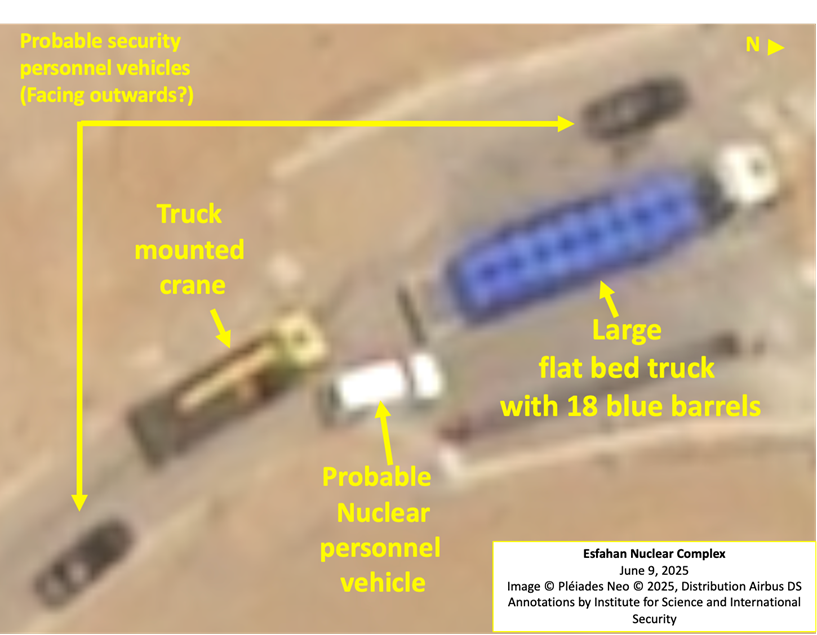
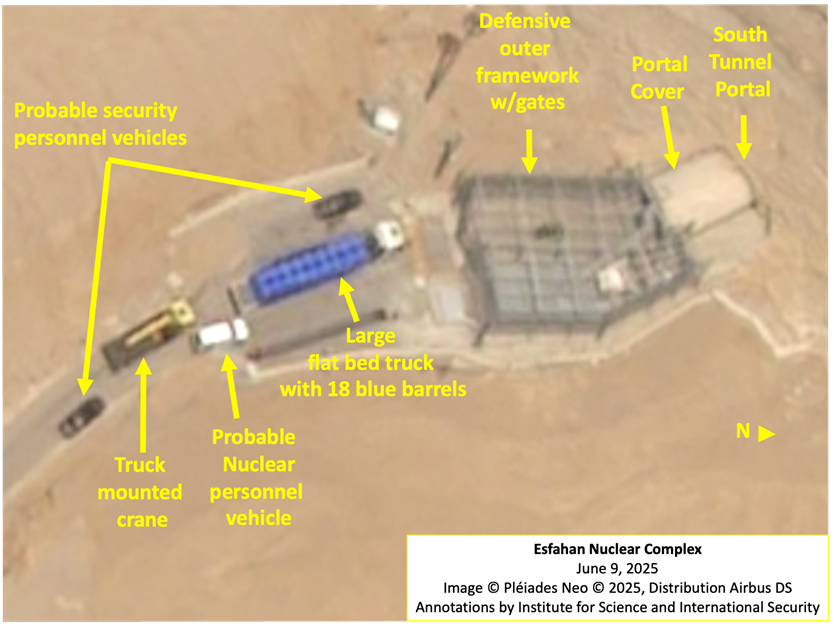
Today @lemondefr published a report on a June 9, 2025, image, “Revealed: Satellite image shows mysterious cargo at Iranian nuclear site in 2025” by Asia Balluffier, @AsiaBalluff. She had brought the remarkably interesting image to our attention almost two weeks ago and cited several of the observations we subsequently provided. Our detailed observations are described in this report: https://t.co/0rnoWUlNtq
The image shows a large flatbed truck carrying 18 blue, slightly over one-meter-wide barrels or casks toward the southern tunnel entrance of the underground Esfahan tunnel facility (see images below). The truck is followed by a truck-mounted crane. Three vehicles accompany the trucks, which could be for security and nuclear personnel.
Our overall conclusion is that based on a single satellite image, it is not possible to make a definitive assessment about the contents of the barrels or casks, or to eliminate the remote possibility of Iran spoofing Western intelligence. However, given the overall appearance of the activity in the image (the timing and location, the presence of a security detail with possible accompanying scientific personnel, and the accompanying truck-mounted crane for offloading), it appears to us that, of the many options we considered and detail in our report, the best match is that the blue barrels or casks contain 60 percent enriched uranium enroute to protective storage within the tunnel complex.
Iran may have wanted the shipment to be seen. As of June 9, Iran was in compliance with IAEA monitoring of enriched uranium stocks. Perhaps, Iran wanted to ensure that the IAEA saw the movement of the items, particularly if the shipment contained highly enriched uranium.
https://t.co/8oDDNCaK1P
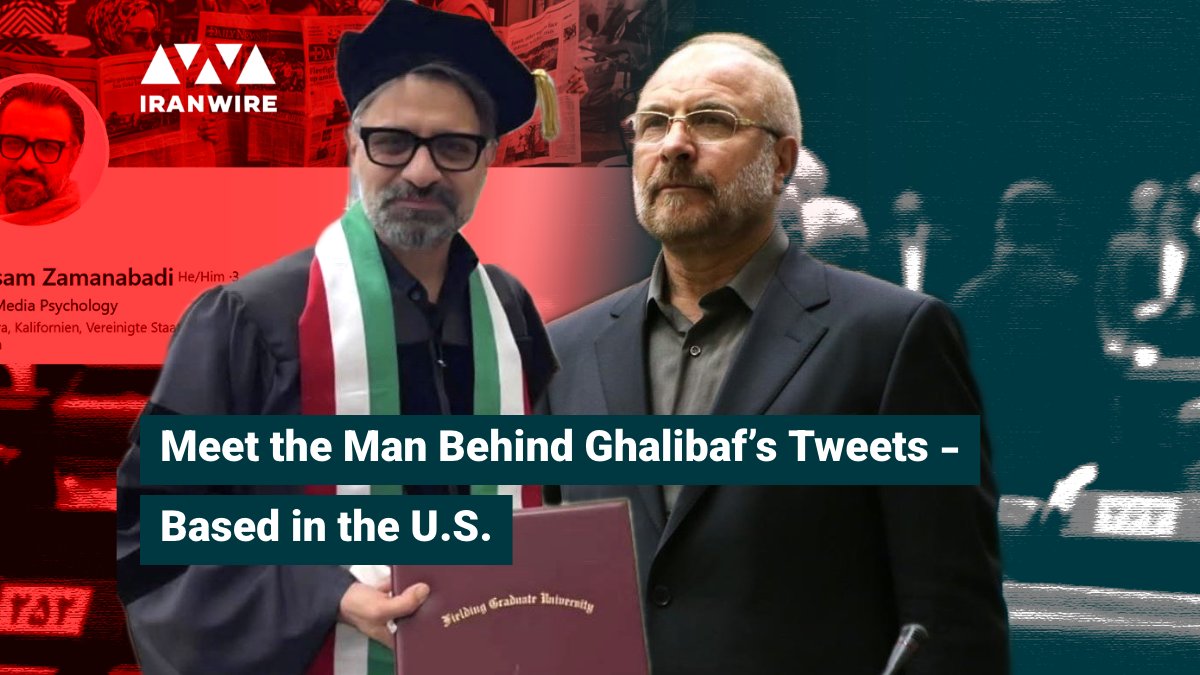
Ghalibaf vanished from public view during the war, but his English-language tweets continued, sharp, strategic, and aimed at Americans. An IranWire investigation traces them to a close advisor based in California.
More: https://t.co/AX30ViXKKI
🟥 سيكولوجية القرار في الأنظمة الأيديولوجية: النموذج الإيراني
امتلك قادة “جيل التأسيس” في إيران _جيل ما قبل مطلع الألفية_ ما يمكن وصفه بـ “التفويض المطلق” ذلك الرصيد المزدوج المستمد من الشرعية الثورية والمرجعية الدينية العميقة في آنٍ واحد . وقد كان هذا الرصيد هو الذي أتاح للخميني أن يتجرع “كأس السم” ويوافق على وقف الحرب مع العراق دون أن يُعدَّ ذلك انكساراً في عيون قواعده . وفي هذا كشف تاريخي بالغ الدلالة: القائد القوي وحده هو القادر على تقديم التنازلات الكبرى ، لأن رصيده الرمزي يحوِّل الاستسلام الظاهر إلى قرار سيادي . غير أن هذه العلاقة بين الرصيد الشرعي والقدرة على التنازل تصحّ في السياق الثيوقراطي-الثوري تحديداً ، حيث تستمد السلطة شرعيتها من سردية أيديولوجية مقدَّسة لا من كفاءة أو توارث .
مع غياب هذا الجيل وجدت القيادة الحالية نفسها في حالة “انكشاف سياسي” حادة؛ إذ لا تمتلك الإرث التاريخي الذي يشفع لها أمام قوا��دها المتشددة إن هي أقدمت على قرار “براغماتي” يحمل في ظاهره رائحة الانكسار . وعند هذه النقطة تحديداً تتشكَّل ما يمكن تسميتها “معادلة تساوي الاعتبارات” : حين يغيب الرصيد الشعبي والمؤسسي ، تتساوى تكلفة القرار مع تكلفة اللاقرار . فخيار الاتفاق قد يُفضي إلى تمرد داخلي أو فقدان السيطرة على الأجنحة العقائدية ، مع الإشارة إلى أن المنظومة الأمنية الإيرانية ليست كتلة متجانسة؛ ثمة تمايز جوهري بين التيار الاقتصادي-البيروقراطي المندمج مع بنى الدولة والمتضرر من العقوبات ، والتيار العقائدي الصرف الذي لا يزال يرى في المواجهة هويةً لا خياراً . في المقابل خيار الاستمرار في الصدام يُفضي إلى استنزاف بنيوي قد ينتهي بالسقوط . هذه الحالة تُنتج ما يُعرف بـ “��لل القرار الاستراتيجي” حيث يُفضِّل القادة الانتظار أو الهروب إلى الأمام ، لأن تحمُّل مسؤولية انعطافة تاريخية قاسية يتجاوز ما يستطيع رصيدهم المحدود استيعابه .
هذا الشلل هو الذي يدفع نحو ما يمكن تسميته “استراتيجية الحا��ة” أو منطق التصعيد اللانهائي ، الذي يتجلى في خطاب “إما النصر أو النهاية” ففي غياب ما يمكن خسارته من رصيد أو مستقبل سياسي مستقر ، يتحول السلوك الاستراتيجي إلى مقامرة “الكل أو لا شيء” عبر مسارين متلازمين: الرهان على تحقيق “منجز عسكري” أو “ردع نووي” يتحول إلى شرعية تراكمية جديدة تمنح الحق في التفاوض لاحقاً من موقع القوة؛ أو الانزلاق نحو خيارات انتحارية يُغري بها غياب البديل المضمون ، لا سيما أن القيادات الأقل خبرةً تفتقر إلى “الحس التاريخي” الذي وازن لدى جيل التأسيس بين الأيديولوجيا وبقاء الدولة . ويبقى هذا النموذج ناجعاً في تفسير الديناميكيات الداخلية للقرار الإيراني ، غير أن المتغير الخارجي (سواء في بُعده الضاغط كالتهديد العسكري المباشر ، أو في بُعده التيسيري كوجود ضامن دولي يُوفِّر غطاءً شرعياً يعوِّض غياب الرصيد الداخلي) يتقاطع مع هذه المعادلة وي��عدِّل مساراتها بصورة لا يمكن إهمالها .
إن تصفية الكوادر الخبيرة لم تُضعف القدرة العسكرية فحسب إنما أفرغت النظام من “صمامات الأمان السياسية” القادرة على تسويق التنازلات المريرة داخلياً . ونحن أمام قيادة قد تنزلق نحو “الراديكالية البقائية” : توظيف خطاب المقاومة غطاءً لمنطق بقاء ضيّق في ظل غياب الحس التاريخي الذي وازن عند جيل التأسيس بين الأيديولوجيا وبقاء الدولة . والأخطر أن هذا المنطق لا يُنتج استسلاماً ولا يُنتج انتصارًا بل يُطوِّل أمد الأزمة ويُعظِّم تكاليفها على الدولة والمنطقة معاً ، في حين يظل التفاوض المضمون — إن وُجد ضامنه — الممر الوحيد الذي ق�� يُغري قيادةً فقدت رصيدها بالخروج من المأزق دون أن تُسمِّيه هزيمة .
#Iran’s Lebanon Dilemma: Has Tehran Abandoned Hezbollah?
🔹The massive Israeli strikes in Lebanon – coming less than a day after the U.S.-Iran ceasefire announcement – have injected immediate uncertainty into planned negotiations in Islamabad. From Tehran’s perspective, any ceasefire that excludes Lebanon is fundamentally incomplete and unacceptable.
🔹Iranian officials have consistently emphasized that, based on understandings reached through Pakistani mediation, the ceasefire was supposed to be regional in scope. The exclusion of Lebanon is therefore not seen as a technical oversight, but as a political shift.
🔹In Tehran’s reading, that shift reflects a deliberate decision by Donald Trump to align more closely with Israeli priorities following consultations with Benjamin Netanyahu.
🔹This has already reinforced a long-standing concern in Iran, i.e., the unreliability of U.S. commitments. Entering negotiations under these conditions is seen as strategically risky and politically costly.
🔹At the same time, Iran has drawn a firm red line. It has made clear that it will not participate in negotiations while Israeli strikes against Hezbollah continue. A reduction in the tempo of attacks is not sufficient, and Tehran is demanding a complete halt.
🔹This position reflects deeper structural pressures – both regional and domestic – that constrain Iran’s room for maneuver.
🔹In Iran, analysts increasingly interpret the situation as a calculated strategy by Washington and Tel Aviv to push Iran into a lose-lose scenario.
🔹If Iran escalates militarily in response to Israeli actions, it risks being blamed, especially domestically, for breaking the ceasefire. This is particularly sensitive given widespread public fatigue with war.
🔹A significant portion of the Iranian population, while not necessarily supportive of the regime, welcomed the ceasefire as a pathway toward stability. Renewed escalation could therefore trigger public backlash.
🔹This is compounded by an existing perception among many Iranians that the government invests heavily in regional conflicts, particularly in Lebanon and Gaza, at the expense of domestic priorities.
🔹In such a context, any Iranian military response could be framed internally not as national defense, but as a war fought on behalf of external actors. This interpretation that carries serious political risks.
🔹At the same time, restraint is not cost-free. Failing to respond risks alienating the Islamic Republic’s core ideological base, which has significant sympathy toward Hezbollah and expects tangible action.
🔹These constituencies – though smaller – are highly organized and politically significant. Their frustration with perceived inaction is already visible.
🔹As a result, Tehran finds itself navigating between two competing domestic pressures: a war-weary public on one side, and a mobilized ideological base on the other.
🔹Iran’s current approach reflects an attempt to balance these pressures. Rather than escalating directly, it is combining diplomatic maneuvering with indirect forms of pressure.
🔹On the diplomatic front, Foreign Minister Abbas Araghchi has engaged regional and European counterparts, emphasizing the need for a comprehensive, region-wide ceasefire.
🔹At the same time, Iran has avoided direct military escalation against Israel and instead turned to its most critical leverage point, namely the Strait of Hormuz. The aim is to push the U.S. to constrain Israel.
🔹Despite expectations that maritime traffic would return to normal after the ceasefire, only a handful of ships passed since yesterday, indicating a deliberate effort to sustain pressure.
🔹From the perspective of some Iranian analysts, this form of economic and maritime pressure is more strategically valuable than missile retaliation. There is a growing view that limited missile strikes against Israel would achieve little beyond signaling solidarity, and could even play into Israel’s hands.
🔹The argument here is that Israel may actually prefer continued escalation, and that its demonstrated resilience in absorbing Iranian strikes has exposed the limits of Iran’s long-range missile deterrence. This has shifted the debate within Iran. The question is no longer whether to respond, but how.
🔹One camp argues that Iran could resume direct strikes against Israel while maintaining the ceasefire with the United States, effectively decoupling the two fronts.
🔹In this scenario, Washington – if genuinely interested in de-escalation – might tolerate limited Iran-Israel confrontation, allowing negotiations to proceed in parallel. Proponents see this as advantageous: it would sideline the United States and allow Iran to confront Israel directly.
🔹The opposing camp is more skeptical. They argue that even without direct U.S. offensive involvement, Washington would continue to provide Israel with logistical, defensive, and intelligence support. From this perspective, the idea of U.S. disengagement is largely illusory.
🔹Moreover, restricting the conflict to Iran and Israel would reduce Iran’s strategic flexibility. Tehran’s most effective leverage has come from its ability to target U.S. interests across the region, not just Israel itself.
🔹This creates a stark strategic dilemma: either escalate broadly, including against U.S. interests, or maintain the ceasefire and pursue diplomacy.
🔹Beyond these immediate tactical debates, Iranian analysts are increasingly focused on two broader strategic concerns.
🔹The first is reputational. Failure to support Hezbollah risks undermining the principle of mutual support that underpins Iran’s regional network.
🔹If Tehran does not act, allies in Iraq, Yemen, and elsewhere may begin to question whether the costs of supporting Iran are reciprocated. Such a shift would weaken Iran’s deterrence posture and erode its influence across the “axis of resistance.”
🔹The second concern is structural: the future balance of power in the region.
🔹Iran appears to view the current moment as a rare opportunity to reshape that balance, particularly through its leverage in the Persian Gulf.
🔹From this perspective, continued Israeli operations in Lebanon are not just tactical, but they are strategic moves aimed at fragmenting Iran’s regional network.
🔹By isolating and pressuring individual nodes like Hezbollah, Israel may be attempting to prevent coordinated, multi-front responses. Over time, this could create a new strategic reality in which Iran’s allies are weakened sequentially, leaving Tehran itself more exposed.
🔹Iran’s objective, by contrast, is to preserve its model of collective deterrence, in the sense that any attack on one actor should trigger a broader regional response.
🔹This logic explains Tehran’s insistence on including Lebanon in the ceasefire. For Iran, this is not a secondary issue, but central to preserving its regional architecture.
🔹Ultimately, the current crisis is being interpreted in Tehran as both a tactical challenge and a strategic inflection point.
🔹How Iran navigates this moment – balancing domestic pressures, alliance commitments, and great-power dynamics – will shape not only the fate of the negotiations, but probably also the contours of future of the future regional order.
Tucker, Candace, Joe Kent: “Iran isn’t trying to build nuclear weapons. The Ayatollah said nukes are immoral!”
Deputy Speaker of the Iranian Parliament: “We tried to develop nuclear weapons, but couldn't keep it secret.”
In a new piece in @Spectator, I profile the new men leading #Iran's regime. Surroung a the new supreme leader Mojtaba Khamenei are a core group of hardened #IRGCterrorists who signal confrontation, not conciliation.
https://t.co/5Bujdk58iY
Following the death of Alireza Tangsiri, who are the most important IRGC-affiliated leaders still at-large? These are the 30+ most prominent figures. I'd bookmark this for future cross-referencing.
1. Ahmad Vahidi, Commander of the IRGC
2. Ali Abdollahi, Commander of the Khatam al-Anbiya Emergency Headquarters
3. Mohsen Rezaei, military advisor to the Supreme Leader
4. Seyed Majid Mousavi, Aerospace Forces Commander
5. Mohammad Karami, IRGC Ground Forces Commander
6. Mohammad Bagher Zolghadr, Secretary of the Supreme National Security Council
7. Majid Khademi, Intelligence Protection Organization Commander
8. Ebrahim Jabbari, senior advisor to Ahmad Vahidi
9. Esmail Qaani, Quds Force Commander
10. Hojjatollah Ghoreishi, IRGC Deputy Coordinator
11. Kiomars Heidari, Deputy Commander of Khatam al-Anbiya
12. Hassan Hassanzadeh, Commander of Tehran's Mohammad Rasoulollah IRGC Corps
13. Hossein Nejat, Deputy Commander of the Tharallah Headquarters
14. Yahya Rahim Safavi, military advisor to the Supreme Leader & Chairman of the Defense and Security Commission within the Strategic Council on Foreign Relations
15. Mohammad Ali Jafari, Former IRGC Commander-in-Chief, currently heads the Hazrat-e Baqiatollah Social and Cultural Base
16. Mohammad Reza Fallahzadeh, Quds Force Deputy Commander
17. Iraj Masjedi, Quds Force Deputy Coordinator
18. Ruhollah Nouri, Ground Forces Deputy Commander
19. Ahmad Akhavan Mahdavi, Ground Forces Deputy Coordinator
20. Mohammad Rahmani, IRGC Aerial Forces Commander
21. Fereydoun Saghaei, Aerospace Forces Deputy Coordinator
22. Ali Jafarabadi, Aerospace Forces Space Division
23. Reza Shaban, Aerospace Forces Air Defense Division
24. Ali Azmaei, IRGC Naval Deputy Commander (?)
25. Abolghasem Valagher, Deputy Naval Coordinator (?)
26. Mohammad Jafar Asadi, Khatam al-Anbiya (KAA) Deputy Inspector
27. Morteza Safari, KAA Deputy Evaluation Officer
28. Mustafa Izadi, KAA Deputy Chief of Staff for Strategic Affairs
29. Parviz Hashemi, KAA Vice President of Operations
30. Yaqoob Zohdi, KAA Specialized Assistant
31. Mahmoud Chaharbaghi, KAA Education Assistant
32. Abdul Ali Pourshasab, KAA Commanding Advisor
A few notes:
- I added a (?) afterthe naval deputy and deputy coordinator as I'm not sure if either of them are still alive following the strike that killed Tangsiri in Bandar Abbas.
- I included the leadership of the Khatam al-Anbiya Headquarters, which is Iran's wartime joint armed forces operational command. It's meant to be an independent command center that coordinates between the IRGC and Artesh. But naturally they're influenced far more by the IRGC than the Army's General Staff. Most senior officials in the HQ have cross pollinated between the IRGC, Artesh, and FARAJA. But KAA's head, Ali Abdollahi, developed his closest connections within the IRGC.
- I also included career IRGC leaders who are now serving in political/advisory roles while maintaining their prestige within the organization, such as Zolghadr.
- I didn't include former IRGC officials such as the Taeb brothers who definitely have sway behind the scenes, especially with Mojtaba, but don't hold particularly powerful formal roles.
The military operation will have to be comprehensive. Not days—longer. Is it worth it? Absolutely. The fall of the Islamic regime wouldn’t just free the Iranian people—it would land a devastating blow to Islamist extremism. I unpack the path to regime change with @alexarmstrong👇
يتساءل البعض لماذا لم يقف بعض العرب مع الإمارات و دول الخليج منذ بداية العدوان الارهابي للنظام الايراني عليها ؟ و الإجابة للأسف لأنهم راهنوا على انكسارنا و نجاح العدوان في تدميرنا ! بل صنعوا خطابا إعلاميا يدعم المعتدي و يبرر للعدو جريمته ! اقنعوا نخبهم أننا دولة من زجاج ستتكسر عند أول ضربة.. أرادوا ان يحجزوا لهم مقعدا في قارب العدو لأنهم توهموا انه قارب النجاة .. و لكن بعد أسبوعين من الص��ود البطولي و التلاحم الوطني و فشل العدو في تحقيق أهدافه اكتشفوا أن قاربهم سيغرق و ان قارب الامارات و دول الخليج هو قارب النجاة .. اكتشفوا ان العديد من دول العالم تتسابق للحاق بقارب الامارات و دول الخليج فجاءوا في الوقت الضائع ليجدوا ان القارب قد انطلق بسرعة و انه ليس من السهل اللحاق به فضلا عن الحصول على مقعد فيه .. دولة الزجاج اثبتت للعالم أنها بقيادته و شعبها قوية و لحمتها مرة .. نحن لا نريد منهم شي لحماية وطننا و لكن لم نكن نتوقع منهم الاصطفاف مع العدو .. موقف لم نتوقعه ممن لم نخذله أبدا في جميع المواقف التى احتاج الينا فيها ..
#الأردن في المحن يثبت دائما أنه الحليف الصادق ولا عزاء للمنبطحين لايران ولا للشامتين على الخليج هذه الحرب الى زوال ونحن باقون اقوى واكثر وعيا نميز جيدا بين من يقف معنا بصدق ومن يتلون بالنفاق ونمضي بثقة مستلهمين روح النمو والتقدم على نهج النموذج الإماراتي 🫡
لماذا نحذر الشعب من #الخلايا_النائمة تغريدة مهمه جدا "وعي المجتمع" = مجتمع آمن .
🔴 أولا :"خلايا نائمة" (Sleeper Cells) مصطلح أمني وعسكري يُقصد به مجموعات صغيرة من الأفراد (جواسيس، عملاء، أو عناصر مسلحة/إرهابية) يتم تجنيدهم وتدريبهم من قبل جهة خارجية (دولة أو تنظيم)، ثم يُتركون يعيشون حياة عادية تمامًا داخل بلد آخر لسنوات طويلة، دون أي نشاط ظاهر.
🔹 يندمجون في المجتمع (وظائف، عائلات، علاقات اجتماعية طبيعية).
🔹 لا يتواصلون إلا نادرًا مع الجهة الأم.
🔹 ينتظرون إشارة تفعيل (كود، رسالة مشفرة، حدث معين) للقيام بعمليات مفاجئة (تفجيرات، اغتيالات، تخريب منشآت، جمع معلومات، نشر فوضى... إلخ).
🔴 ليش التحذير منها واجب وقت الأزمات؟ لأنها تصبح أخطر سلاح في وقت التوتر أو الحرب أو الأزمة الكبرى، للأسباب التالية:
🔸 عامل المفاجأة: الناس ما يشكون فيهم لأنهم "من الداخل" ويعيشون بيننا.
🔸 يعرفون المناطق والثغرات جيدًا (أماكن حساسة، مواقع ضعيفة).
🔸 يمكنهم ضرب البنية التحتية الحيوية (كهرباء، موانئ، مطارات، محطات تحلية...) أو نشر الذعر والإشاعات.
🔸 في أزمة خارجية (مثل تصعيد مع إيران حاليًا)، تكون هذه الخلايا الذراع الداخلي اللي يُفعَّل لإحداث فوضى داخلية وإضعاف الجبهة الداخلية.
⚫️ في الأيام الأخيرة (مارس 2026) ظهر تحذير أمريكي قوي بعد اعتراض رسائل مشفرة يُعتقد أنها إيرانية لتفعيل خلايا نائمة في الخارج (بعد اغتيال خامنئي والتصعيد الإقليمي). وهذا النوع من التحذيرات ينتقل سريعًا لدول الخليج لأنها هدف محتمل رئيسي .
📌 #الخلاصة "خلايا نائمة = أشخاص يعيشون بيننا سنوات طويلة حياة عادية جدًا.. لكنهم في انتظار إشارة واحدة من جهة خارجية عشان ينفذوا عمل تخريبي أو إرهابي مفاجئ.
📌 لذلك في أي أزمة (مثل اللي نشوفها الحين مع التصعيد الإيراني) التحذير منهم واجب وطني.
📌 عينك ووعيك هما الدرع الأول، أي تصرف مشبوه؟ بلّغ فورًا عبر قنوات أمن الدولة.
#الامارات_قدوة_وجلدها_غليظ #الامارات
#الإمارات_خط_أحمر #أمن_الوطن_مسؤوليتنا