Dr.Imd
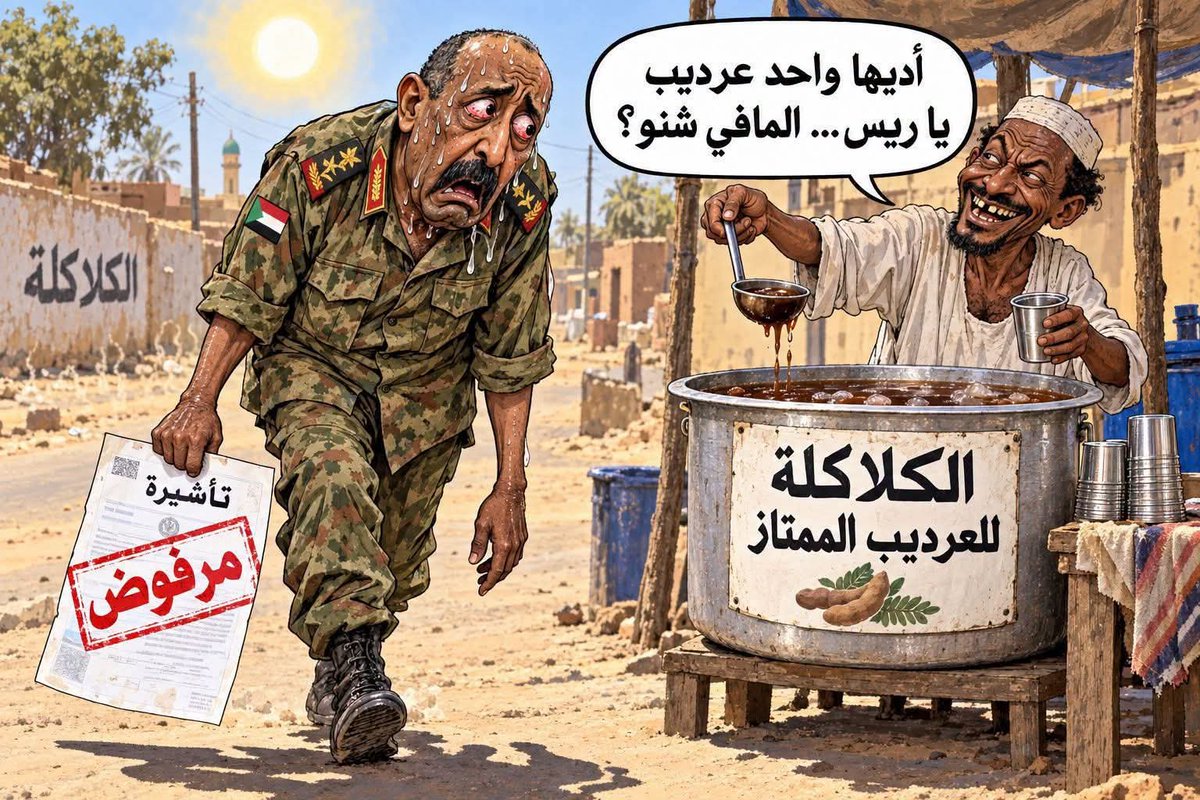
The Burhan visa ordeal caught my attention, but not because of the visa itself. The fascinating part is what it says about who Washington sees as representing the Sudanese state.
What does the way Washington is dealing with Burhan tell us about how it sees the war?
ترشيح بتاع فنيلتك
الموضوع ده ليس مجرد رفض تأشيرة دخول القصة دي حسب وجهة نظري يبدو اكبر من ذلك، ومع استقبال حمدوك ووجوده في المنصة الدولية ، يبدو أنها ترتيبات سحب الشرعية التي يدعيها البرهان وجماعته وإعداد حمدوك فعلياً.
رفض التأشيرة رسالة كأنها تقول :
«ترشيح بتاع فنيلتك».
Burhan Contradicts What He Previously Told the United Nations
Dr. Gony Mustafa Sharif
How can one speak of peace from the podium of the United Nations while Sudanese civilians continue to shed blood, airstrikes and drone attacks continue, and the Sudanese Armed Forces face serious allegations of violations against civilians, alongside reports concerning the use of chemical weapons during the war?
This is the fundamental contradiction between rhetoric and conduct.
Abdel Fattah al-Burhan stands at the head of the Sudanese Armed Forces. The United States imposed sanctions on him in January 2025, while the U.S. Treasury Department stated that forces under his command had carried out lethal attacks against civilians, including strikes on protected infrastructure such as schools, markets, and hospitals. The United States had also previously determined that members of the Sudanese Armed Forces committed war crimes.
Against this background, a legitimate question arises: What would Burhan have told the world from the podium of the United Nations General Assembly? Would he have spoken about peace while the country has been engulfed in a devastating war since April 2023? Would he have spoken about civilian transition and democracy after participating in the military takeover of October 2021, which brought an end to the civilian-led transition that followed Sudan’s revolution?
Sudanese people took to the streets demanding a nation founded on freedom, peace, and justice, and a democratic civilian system capable of embracing all its citizens. Yet instead of completing that transition, the country descended into a catastrophic war that has torn communities apart, devastated infrastructure, displaced millions, and plunged Sudan into one of the world’s worst humanitarian crises.
The controversy surrounding Burhan’s visa to attend the 81st session of the United Nations General Assembly added a new political dimension to the situation. Reuters reported that the United States was withholding his visa and that, according to sources who spoke to the news agency, its issuance was linked to his acceptance of a proposed 90-day truce. At the same time, U.S. authorities had not officially disclosed the details of the visa matter or the conditions governing its issuance.
More significantly, Washington’s publicly stated position went beyond the visa controversy. A U.S. State Department spokesperson said that the Sudanese Armed Forces do not represent legitimate constitutional governance for Sudan. Washington also affirmed its willingness to work with those it described as serious partners for peace in Sudan.
This position is consistent with earlier U.S. pressure on Burhan when it imposed sanctions on him, accusing the Sudanese Armed Forces under his leadership of carrying out lethal attacks against civilians and obstructing the delivery of humanitarian assistance.
But the real issue extends beyond a visa and beyond the podium of the United Nations. It concerns the future of Sudan and the right of the Sudanese people to constitutional government founded upon their will.
The Sudanese people have paid an enormous price for wars and military coups. What Sudan needs today is not another speech justifying the continuation of war, but a genuine cessation of hostilities, safe and unhindered humanitarian access, and an inclusive political process that restores authority to civilians and opens the way for a state founded on freedom, peace, justice, and the rule of law.
Sudan needs peace. It needs a democratic civilian state and national institutions that protect the people rather than becoming parties to a conflict whose price is ultimately paid by civilians.
الحرامي الذكي شغال زي الآلة، بس مصيبة لو استخدم ذكاهو لفعل الخير بدل اللعب في الظلام، كان استفاد واستفاد معاه المجتمع. الضحكة عشان الخيال بس، الحل في الشغل النظيف! 👌🏾
فتاة تبكي شقيقها الذي مات بعد أيام من عودته إلى الخرطوم، وسط اتهامات باستخدام الجيش بقيادة البرهان أسلحة كيميائية ضد المدنيين. مأساة أخرى يدفع ثمنها الأبرياء
#الخرطوم قامت وقالت كلمتها.. المشهد في قلب الخرطوم الليلة .. لا برهان لا كيزان الشارع ده ما بموت .. الناس دي طلعت من تاني فوق العربات وشايلة علمها، صوتها واحد :#تسقط_بس#ارحل_يابرهان ده الشعب لما يقول لا، ما برجع
#مليونية_الخرطوم#السودان
عدم حضور البرهان لاجتماعات الأمم المتحدة بيأكد إن الشرعية الدولية ما بتيجي بالسلاح ولا القوة العسكرية ولا تكوين الملايش والتحالفات العسكرية.. الشرعية الحقيقية بتيجي من إرادة الشعب، ووقف الحرب، والرجوع للمسار الديمقراطي. 🇸🇩
#السودان#أوقفوا_حرب_السودان#السلام_للسودان
الوطن يحترق جوعاً وخراباً والمسغبة تطرق كل باب بفعل فاتورة حرب لا ناقة للشعب فيها ولا جمل..ألم يتعظ الجميع ويروا أن شعار "المجد للبندقية" لم يلبسنا سوى رداء الفقر والخوف.. والعجب العجاب أن الطاولة دارت وتغيرت الوجوه والتحالفات وما زال الحاكم هو نفس الحاكم الذي جلب الشقاء والدمار.
تيـارTyr _ تقرير
بالنسبة للبرهان الطريق لم يعد مفروش بالورود. تتساقط أقنعة التضليل وتنجلي الحقائق؛ عزلةٌ متزايدة وتجاهلٌ دولي يُعرّيان الوعود الواهية. بلا فيزا وبلا منبر، يتكشف واقع قيادة بورتسودان بعيدًا عن الشعارات الزائفة.
#السودان#البرهان#بورتسودان#جيش_بورتسودان