@Good2RecycleG2R What gets me is that they mostly arrive without so much as a rucksack, a water bottle or change of clothes. They seem to know that they will immediately be provided for.
@attackdogX I have been told that by Muslim men on two continents. Not specifically about white girls/women, but about any woman who does not dress ‘modestly’.
@amelia_tweetz Oh Amelia it would be a much, much better society if we could get all the fit and able benefits recipients to work 20 - 24 hours a week and pay their way.
Can You Afford The Burnham Premium?
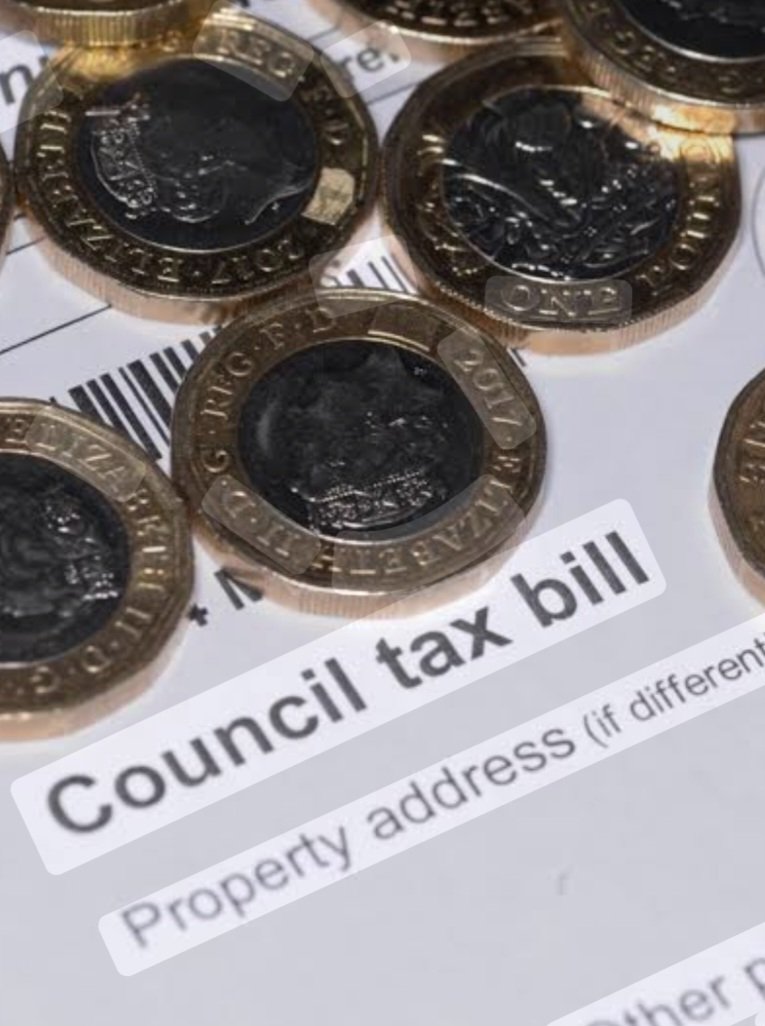
Andy Burnham has spent his first fortnight making promises about tax. Income tax, National Insurance, VAT and corporation tax are all safe, he has told voters repeatedly, protected by the manifesto he inherited. What he has never promised to protect is council tax. That omission now has a price attached to it: £18bn, rising to an average £556 on every Band D household in England by 2030.
The figures come from the Treasury's own submissions to the Office for Budget Responsibility, the first time the department has stated its expectations for the national council tax take. They show bills rising by 4.3 to 4.4 per cent a year, well above the current 2.6 per cent rate of inflation, pushing the average bill from £2,280 to £2,836 within four years. Nobody announced this. It surfaced through a parliamentary question, quietly logged in a forecast rather than declared from a podium. Compare that with the fanfare around the pub relief and the bus fare cap, both unveiled at press events with a pint in hand. The tax that actually funds government moves in silence. The giveaways that don't move with a microphone.
Burnham told voters this week he had ruled out council tax "reform" during his premiership. That claim needs testing against what his own department has told the OBR. Ruling out a change to the system and presiding over a 43 per cent increase in what that system collects are not the same commitment, and the distance between them is doing a great deal of work in his defence.
He does not need to speculate about where this leads, because he has already run the experiment. Since becoming Greater Manchester's mayor in 2017, the mayoral precept on a Band D property under his stewardship has risen 127 per cent, from £68 to £154. On Friday he is expected to extend that same model, precepting powers combined with a new share of income tax, to England's most senior mayoralties, six of the seven held by Labour. Sir James Cleverly's "Manchesterism" jibe is glib, but the underlying point survives scrutiny: the national £18bn figure is a floor. Whatever Manchester residents have absorbed over eight years is the template about to be rolled out to Liverpool, London and beyond.
Who actually pays deserves more attention than it has received. Council tax is notoriously regressive. A pensioner in a modest terrace pays the same band rate as a household earning several times more. An extra £556 a year lands hardest on precisely the voters Burnham has spent two weeks courting with cheaper pints and capped bus fares, people on fixed or lower incomes who will feel this rise long after the novelty of a subsidised round has worn off.
The pattern by now should be familiar to anyone who has followed this government's first month. A defence commitment pushed into "the Parliament after this one." A social care levy tested through anonymous officials rather than announced by the Prime Minister. And now a tax rise that arrives via a forecast to the OBR rather than a policy statement to Parliament. Each dodges the same basic obligation, to say plainly what is being asked of the public and why. Burnham was elected on the promise that he understood what it meant to be ignored by Westminster. Presiding over an £18bn rise in the one tax he never agreed to protect, without saying so out loud, is not the opposite of being ignored. It is simply being ignored more quietly.
"Since becoming Greater Manchester's mayor in 2017, the mayoral precept on a Band D property under his stewardship has risen 127 per cent, from £68 to £154."
🇬🇧 Just seen the new footage. Properly sickening.
French authorities on camera throwing life jackets to migrant dinghies, then shepherding them straight into British waters so our Border Force can pick them up this is facilitation they are not stopping or preventing the boats crossing at all we are all be lied and gaslight too.
Not stopping them. Helping them.
Chris Philp filmed the whole thing himself. French boats chucking jackets over, waving them on their way.
While we’re still handing them millions of our tax money to “stop the boats.”
This isn’t a cock-up.
This is them deliberately dumping the problem on us.
Hotels full. Streets under pressure. Services stretched to breaking. Crime rising. And they just push the dinghies over the line and wash their hands of it.
The French aren’t failing to stop the crossings.
They’re actively helping them succeed.
This is a national humiliation.
It only stops when we stop paying them, start turning the boats back, and defend our own borders like a serious country.
@JamesMelville Sooo people invest in shares, pay a 'financial transaction tax', sell their shares (hopefully for a profit, on which they pay capital gains tax), and then pay a 'financial transaction tax' again? Or they sell at a loss, and still pay a financial transaction tax?
@QualiaAddict@tedgushlow@rorysutherland Food shops frequently for small shops, to all the other stuff I mentioned. The Lakes or Peaks aren’t exactly frailty friendly in winter, no matter how many tourists flock there in fine weather. But why should someone have to move from their home who just doesn’t want to?
@QualiaAddict@tedgushlow@rorysutherland As a healthy 70 I now happily live in a remote location. But an unhealthy 70 yo or a frailer 80yo or 90yo needs to be able to get themselves — and if they’re not driving, then public transport is a must and our village has 4 busses a day, two driven by volunteers — to 1/2
@tedgushlow@rorysutherland I've never understood how younger people can't use their imagination to realise that one day they too will be old, and will themselves need access to food shops, chemists, culture, church or other, medical care, friends, family, transport. It's just careful planning for ageing.
@RupertLoweForPM@AllisonPearson What on earth led you to believe I was being emotional at all, let alone too emotional to converse with. If I’ve missed your point, help me out. Restate another way maybe?