Time to drive 10 km:
10 km/h — 60 min
20 km/h — 30 min
30 km/h — 20 min
40 km/h — 15 min
50 km/h — 12 min
60 km/h — 10 min
70 km/h — 8:34
80 km/h — 7:30
90 km/h — 6:40
100 km/h — 6:00
110 km/h — 5:27
120 km/h — 5:00
130 km/h — 4:37
Going from 10 to 20 saves 30 minutes. Going from 120 to 130 saves 23 seconds.
Cashless health insurance is legally sanctioned house arrest.
The doctor officially discharges you at 9 AM. You are fully recovered, your bags are packed and your family is ready to take you home.
Then the hospital administration steps in: "Sir, the insurance TPA approval is pending. Please remain seated in your room until we receive the final payment."
You then spend the next 8 to 12 hours held hostage in a ₹15,000-a-day hospital room.
You are no longer a patient but you are collateral. The hospital doesn't trust the insurance company to actually pay, the insurer is deliberately stalling to find a typo in your medical history to reject the claim and you are stuck in the middle of a corporate standoff.
We live in a country where UPI settles transactions in 300 milliseconds and automated trading algorithms move crores in a microsecond.
The system is designed to exhaust you. They want you so frustrated and desperate to go home that the next time you get sick, you just pay the cash upfront and file for a reimbursement which they will conveniently reject 45 days later citing "insufficient documentation."
If my policy is active and the hospital is in-network, the final discharge should be an instant and automated API settlement. Man I paid insurance company for this service.
Until we force insurers to adopt automated clearing, stop calling it a cashless facility.
Call it what it actually is: an extortion racket with a waiting room.
Some Relief...🙏
Paranur toll plaza is set to go barrier-free from the first week of October 2026. NHAI has begun trials of MLFF using ANPR + FASTag, enabling vehicles to pass without stopping at toll booths.
🚨☀️ Finally, TN government notifies rooftop solar subsidy
scheme
Tamil Nadu is finally set to roll out its ₹22,000 state subsidy for rooftop solar installations, in addition to the Centre’s PM Surya Ghar subsidy.
🔹 1 kW: ₹30K Centre + ₹5K TN
🔹 2 kW: ₹60K Centre + ₹10K TN
🔹 3 kW: ₹78K Centre + ₹22K TN
That takes the combined subsidy for a 3 kW system to ₹1 lakh.
The scheme targets 1 lakh domestic consumers by March 2027, with ₹50 crore allocated for the state subsidy.
A good push towards reducing household electricity consumption and encouraging rooftop solar adoption.
🔰 UPI Remains Free for Consumers
UPI continues to be free for customers. Sending money to friends, paying at shops, or scanning a QR code — all remain without charges.
Key Facts:
✅ No charges on P2P: Person-to-Person transfers are always free, regardless of amount.
✅ Small merchants protected: Vendors earning up to ₹1 lakh per month via UPI QR codes continue to enjoy zero charges.
✅ Everyday payments safe: Over 95% of merchant payments are below ₹2,000 — these remain free.
✅ Nominal MDR above ₹2,000: Only larger merchant transactions above ₹2,000 attract a small fee (0.4%) to be borne by merchants, far lower than credit card charges or other network charges.
✅ Essential services capped: Railways, fuel, telecom, bill payments, insurance, etc have a flat fee of ₹5 per transaction above ₹2,000.
✅ Special low rates: Mutual fund and securities payments attract just 0.02%, capped at ₹300.
Safeguards for Consumers
✅Banks instructed: Merchants cannot pass MDR costs to customers.
✅No hidden fees: UPI apps cannot levy platform charges.
Debunking the “External Pressure” Myth:
✅ Some claims suggest the change is due to foreign influence. This is false. India’s UPI policy decisions are made independently, with the clear goal of building a self-sustaining, inclusive, and affordable digital payments ecosystem.
Why This Matters:
Since its launch in 2016, UPI has grown into the world’s largest real-time interoperable payment system — entirely on India’s own terms. UPI processed 24.5 billion transactions in August 2026 alone. To keep this system self-sustainable, secure and innovative, a small fee on high-value merchant transactions helps fund:
☑️Better infrastructure and cybersecurity
☑️Support for small merchants in Tier III–VI towns and rural areas
☑️Awareness and incentives to expand UPI adoption
The new framework ensures resources from higher-value merchant transactions are reinvested to support small businesses and strengthen digital payments across the country.
🔗Read FAQs at: https://t.co/SFh8c2eT4F
I think MDR on UPI was probably inevitable at some point, especially given how widespread UPI adoption has become. It could also lead to more competition, instead of just three apps accounting for more than 95% of the market.
That being said, there are some use cases, like investing and broking, where the proposed MDR structure doesn’t really make sense.
The problem with broking is that there is no guarantee that money transferred to a broker will actually result in a transaction.
As brokers, we can’t force a customer to trade after transferring money. And if we can’t pass the UPI charge on to the customer, there is essentially no limit to the cost a customer can impose on a broker without generating any revenue.
Just as an example, 10,000 customers could each make 50 UPI transfers of ₹2 lakh in a month without executing a single trade. At the proposed MDR, this could potentially cost the broker around ₹2 crore, without generating any business.
What makes this even more challenging is quarterly settlement (QS). This is a SEBI regulation that requires brokers to send unused funds back to clients every month or quarter.
Most customers then transfer these funds back to their broking accounts, with more than half of these transfers happening through UPI. So regulation essentially forces this movement of money every month or quarter, and the broker could end up bearing the cost when the money comes back, without any incremental benefit or revenue.
By the way, we currently don’t charge brokerage on equity delivery trades because the economics allow us to offer them for free. But if every UPI transfer starts carrying an additional cost, irrespective of whether the customer actually trades, I don’t see how we can absorb this indefinitely.
I think having an MDR is okay. It still doesn’t solve the problem of customers transferring money without transacting, but something like 0.02% with a cap of ₹5 or ₹10 per transaction seems much more reasonable for broking, instead of a cap as high as ₹300.
@sumanthraman Based on the QR code of merchant & his category and the value of transaction, MDR should be calculated dynamically over and above the bill amount and transferred to the bank or aggregator directly while paying. Thus ensuring transparency, fostering trust and avoiding frauds
Strong liability enforcement could be helpful in the AI debate.
If your agent swarm goes rogue, you’re liable.
If your weakly protected model gets jailbroken, you’re liable.
If you serve a weakly protected OSS model, you’re liable.
சிறந்த தமிழறிஞரும், பட்டிமன்றங்கள் மூலம் சமூகம் சார்ந்த நல்ல கருத்துக்களை உலகெங்கும் கொண்டு சென்ற பெருமைக்குரியவருமான, பேராசிரியர் சாலமன் பாப்பையா அவர்கள் மறைவுச் செய்தி மிகுந்த வருத்தமளிக்கிறது.
ஐயா சாலமன் பாப்பையா அவர்கள் குடும்பத்தினருக்கும், உறவினர்களுக்கும் ஆழ்ந்த இரங்கல்களைத் தெரிவித்துக் கொள்கிறேன். அவரது ஆன்மா சாந்தியடைய இறைவனை வேண்டிக் கொள்கிறேன்.
ஓம் சாந்தி!
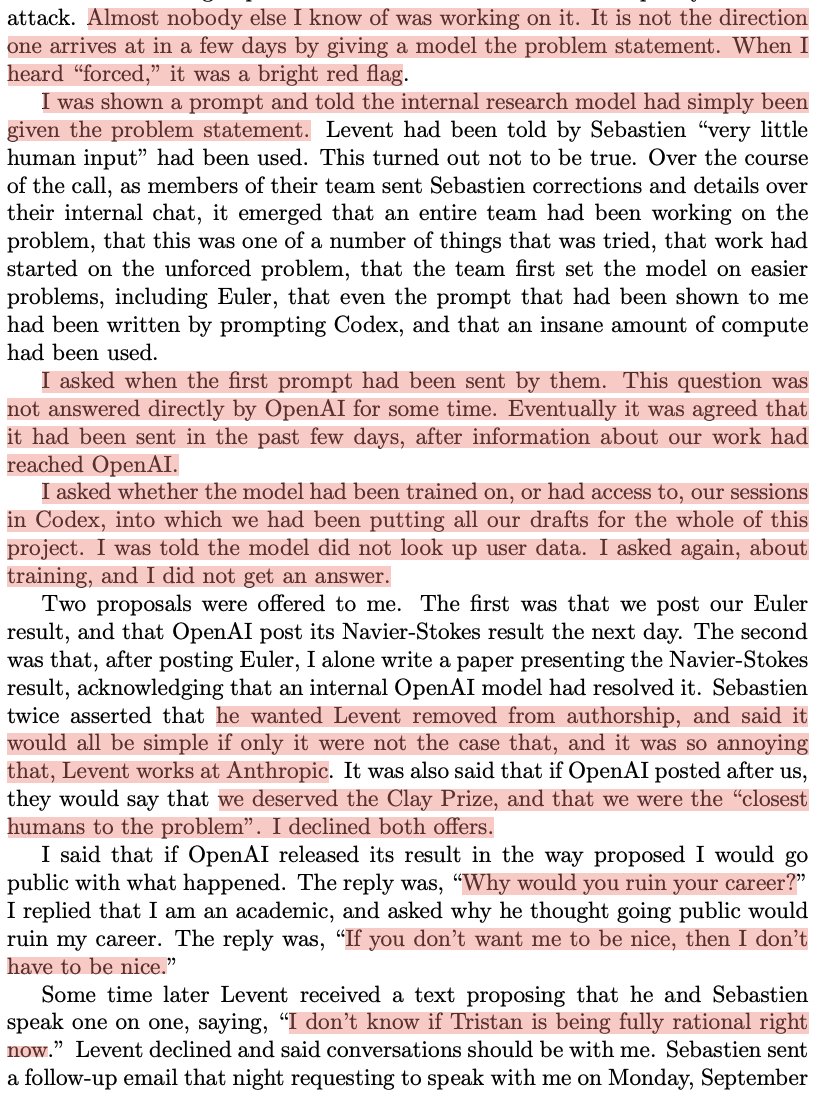
You're missing the core drama of the story: Tristan is softly accusing OpenAI of having stolen their result from Codex chat logs.
Tristan then claims OpenAI tried to threaten him to not publicly disclose this, and that they'd give him the Clay Prize ($1M) as the "closest humans to the problem" if he'd agree to disavow his co-author, @__alpoge__ , who is at Anthropic.
This is HBO-level drama, but with math proofs.
An Indian woman tried to pay her hotel bill in Rotterdam. The card was declined.
She had enough money in the account. The bank had made an error.
Players from other countries were standing there. Some of them made remarks. Not just about whether she could pay, but about India.
Her name is Dipika Pallikal.
She is one of the best squash players India has produced, and an Arjuna Award winner. She was in the Netherlands in 2011 for a tournament.
At the hotel, her Axis Bank debit card would not go through.
There was nothing wrong with her account. There was enough balance in it. The failure was at the bank's end.
But nobody standing in a hotel lobby can see that. All anyone sees is a young Indian sportswoman whose card has been refused.
She had a second card from another bank. She used that and paid.
That should have been the end of an embarrassing evening.
Then the money went missing.
The transaction had failed, but the amount was still taken from her account, and Axis Bank did not put it back.
Most people would have made calls, got nowhere, got tired, and written it off as a lesson.
She filed a case in a consumer court in Chennai.
Her complaint was not really about the money. It was about humiliation and loss of reputation. She had been made to look, in front of international competitors, like someone who could not pay her own hotel bill.
The case took about 3 years.
On 24th March 2014, the consumer court held Axis Bank responsible for deficiency in service. It ordered the bank to pay her 5 lakh rupees in compensation, and another 5,000 rupees towards her costs.
Here is why this case is worth knowing about, even if you will never play squash for India.
A bank failing your card is not treated in law as bad luck or a technical glitch. It is treated as a service you paid for, delivered badly.
And the damage the law recognised was not the amount of the bill. It was what happened to her standing in that room, in front of those people.
Your reputation is something a court can put a number on.
Hers came to 5 lakh rupees.
Golmaal is back! Watch till the end!
Here are 4 companies trying to fool consumers by their marketing!
If any company mentioned in this video is planning to send me a defamation suit, just remember, I will send you a defamation suit back for misleading Indian customers!
POSITIVE AGGRESSION!
Share this video and let's make India healthy again!
AlphaGenome Atlas is an interactive resource, mapping the predicted impact of all 9 billion DNA variants.
It works in a regular web browser, without any coding required, and is free for academic researchers. Excited for the discoveries to come.
Six corrupt Tamil Nadu forest dept officials allowed locals to convert 1000+ acres of Jawadhu hills forest into farmland in the last three years. They were collecting money promising to use tribal laws to give patta for these lands. Corruption is destroying TN forests 😔 1/2
#Breaking: CAG flays Tamil Nadu govt for misusing upto Rs 10,000 crore worth smart city project funds, wasting the money, executing unapproved projects, diverting funds to random govt departments, and spending the money for buying cars, TVs, public advertisement, paying contractors, paying salary for staff, buying sofa and furniture and so on.
The misuse of smart city funds happened under three governments between 2015-2023. (Two AIADMK, one DMK).
Audit period: Performance audit of seven of Tamil Nadu’s 11 Smart Cities, including Chennai.
52 approved projects dropped: Projects worth Rs 1,602.20 crore included in the original Smart City Proposals were not implemented, despite MoHUA guidelines permitting deletion only in exigent circumstances with clear justification.
44 unplanned projects executed in violation to Mohua norms worth Rs 623.86 crore.
21 projects worth Rs 184.71 crore were executed entirely outside the approved Area Based Development (ABD) areas.
Five projects worth Rs 21.42 crore were routine works that should have been funded by the respective corporations but smart city funds were diverted.
Tirunelveli had the highest value of unplanned works —15 projects worth Rs 314.62 crore, accounting for 25.84% of its sampled projects.
Examples included:
Green building at Greater Chennai Corporation campus
Floodlighting at Nehru Stadium in Coimbatore
Guest house in Tirunelveli
Convention centre in Madurai
Rs 23.83 crore diverted: Six cities used Smart City funds for impermissible expenditure, including cars, computers, legal charges and other activities.
Chennai spent Rs 66.58 lakh on state government advertisements.
Chennai spent Rs 18.44 lakh on consultants for non-Smart City projects.
Chennai spent Rs 15.33 crore on shifting/resettlement of families.
Tirupur used funds to renovate a ULB conference hall and purchase a 110-inch LED TV, computers, printers and furniture.
Erode used Rs 2.59 crore under administrative and office expenses to pay underground sewerage section staff salaries.
Salem transferred Rs 2.95 crore from the same head.
Madurai used Rs 48.36 lakh to pay contractors for other civic projects.
The Centre released its entire share of more than Rs 5,000 crore to Tamil Nadu.
Yet Tamil Nadu diverted at least Rs 1,127 crore into personal deposit (PD) accounts of state departments on eight occasions between July and October 2021, violating Smart City rules requiring funds to remain in a nodal agency account.
Up to 714 days in transferring funds from the state to TUFIDCO.
Up to 960 days from TUFIDCO to Smart City entities.
Five cities earned Rs 239.40 crore as interest from the parked funds.
Only Rs 149.01 crore was released back into the mission.
TUFIDCO retained Rs 11 crore without specific authorisation.
Another Rs 2 crore was held under the Dindigul head even though Dindigul was not part of the Smart City Mission.
Smart City funds used for other projects:
Coimbatore transferred Rs 150.73 crore towards its ongoing 24x7 water supply project.
Erode, Tirunelveli and Tirupur also transferred funds to the Tamil Nadu Water Supply and Drainage Board or corporations for similar works.
Mandatory clearances bypassed: 93 projects were started without obtaining mandatory clearances from agencies such as the Pollution Control Board, Directorate of Town and Country Planning and Public Works Department.
Each smart city special purpose vehicle was supposed to have Rs 200 crore capital.
All sampled SPVs were instead established with just Rs 10 lakh.
CAG said this was done to avoid statutory provisions under the Companies Act, 2013.
Except Chennai, none of the SPVs had a full-time CEO.
Municipal commissioners effectively ran the SPVs, creating a potential conflict of interest.
Corporations floated limited tenders on behalf of SPVs, violating tender norms and undermining prudent budgeting.
https://t.co/ft8SY4MrqG
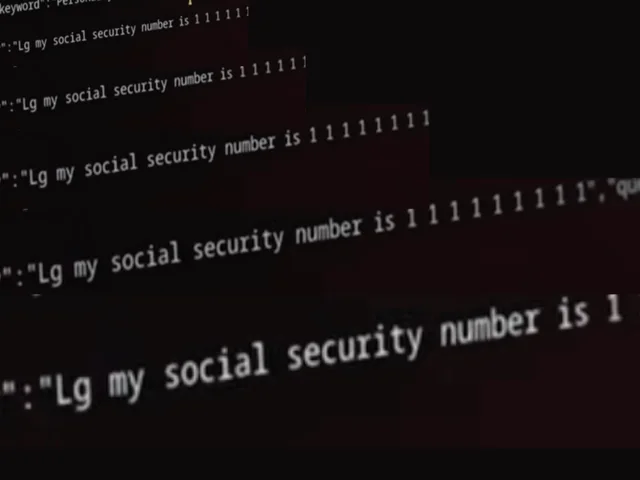
A recent investigation conducted by Gamers Nexus alongside Level1Techs and independent security researchers has revealed that LG smart TVs scan local networks to map nearby devices and capture microphone audio even when the screen is turned off.
The collected data is saved locally and uploaded to corporate servers as soon as the television is reconnected to the internet.
Technical tests executed through network packet analysis with Wireshark highlighted invasive behaviors on retail models, including the G5 OLED series. Regarding local network mapping, the television actively scans the home network to identify smartphones, smartwatches, and other connected third-party devices, collecting internal IP addresses, names of neighboring Wi-Fi networks, and their relative signal strengths.
For standby audio interception, the built-in microphone, which is often present in the remote control or the TV body for voice commands, remains active when the screen is turned off to record ambient audio. For advertising purposes, part of this information is used to feed LG Ad Solutions, the corporate division dedicated to profiling and targeted advertising.
🚦 Intensive Enforcement Against Wrong-Side Driving! 🚔
சென்னை முழுவதும் தவறான பாதையில் வாகனம் ஓட்டுவதைத் தடுக்கும் வகையில் தீவிர கண்காணிப்பும், சட்ட நடவடிக்கைகளும் மேற்கொள்ளப்பட்டு வருகின்றன.
📊 07.09.2026 நிலவரப்படி, 2026-ஆம் ஆண்டில் சென்னையில் மொத்தம் 1,97,268 தவறான பாதை ஓட்டுதல் வழக்குகள் பதிவு செய்யப்பட்டுள்ளன.
📢 சமூக வலைதளங்கள் மற்றும் பிற வழிகளில் பெறப்படும் புகார்களின் அடிப்படையில், ஆபத்து அதிகம் உள்ள இடங்களில் கண்காணிப்பும் நடவடிக்கைகளும் மேலும் தீவிரப்படுத்தப்பட்டுள்ளன.
🛡️ Your Safety Is Our Priority
#GCTP #WrongSideDriving #RoadSafety #TrafficSafety #ChennaiTraffic #DriveSafe
In April 2019, one of the largest food companies in the world sued 9 potato farmers in Gujarat.
The farmers were growing a potato. They had bought the seed in the local market. Most of them had never heard of intellectual property.
The company wanted damages running into crores.
Her name is Kavitha Kuruganti.
She is a farmers' rights activist and the convenor of an organisation called the Alliance for Sustainable and Holistic Agriculture.
The potato at the centre of it is called FL 2027, sold commercially as FC5. It is the variety grown for Lay's chips, because it has low moisture content and fries well. PepsiCo India had registered it in 2016 under a law called the Protection of Plant Varieties and Farmers' Rights Act.
That law is unusual, and it is the whole point of this story.
Most countries protect the plant breeder. India's law protects the breeder and the farmer, in the same statute. Section 39 says a farmer is entitled to save, use, sow, resow, exchange, share or sell his farm produce, including the seed of a protected variety.
That right was written in deliberately, because in India seed has been saved and exchanged between farmers for thousands of years, and Parliament decided that a registration certificate should not be able to end that.
PepsiCo sued anyway.
The response was immediate. Farmers' organisations mobilised. Political parties took it up. It became a national argument about whether a company could own a potato.
On 10th May 2019, PepsiCo withdrew all the cases.
That is usually where such a story ends. The company retreats, the news moves on, and the registration that made the lawsuit possible stays exactly where it was.
Kuruganti did not stop there.
In June 2019 she filed an application asking the authority to revoke PepsiCo's registration of the variety altogether. Her argument was that the registration itself was wrong, that documents were missing from the original application, and that granting it was against public interest given the hardship it had caused.
It took 2 years.
On 3rd December 2021, the Protection of Plant Varieties and Farmers' Rights Authority revoked the certificate. The order noted that the registration had been granted despite missing paperwork, that there were discrepancies in the process, and that farmers had suffered hardship as a result.
PepsiCo challenged it in the Delhi High Court, and the case has gone back and forth through the courts since.
Whatever the final legal position, one thing already happened and cannot be undone.
9 farmers who could not have afforded to defend themselves were sued by a company worth hundreds of billions, and within a month the company walked away.
Not because the farmers hired better lawyers.
Because 1 woman read the Act properly and knew that Section 39 was in there.