Jesse Livermore's 10 Key Trading Principles that made him a Legend:
#1 Livermore's wealth was built primarily from big position trades that lasted for weeks or longer. He made his big money holding a trend, not scalping or day trading. Which was very difficult in those days, with commission costs and speed of execution.
"Money is made by sitting, not trading."
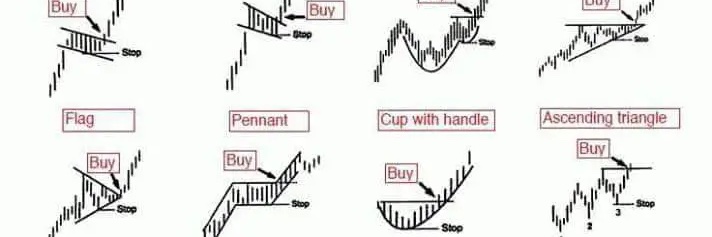
#2 Livermore pioneered the idea of having big wins and small losses. He held large short positions through both the 1907 and 1929 stock market crashes and let the winners run.
"It was never my thinking that made the big money for me, it was always my sitting."
#3 The quality of his trade entries is something he did based on price movement. He traded price action, not fundamental valuations.
"Buy right, sit tight."
#4 He liked to see follow-through confirmation before he made an entry.
"Do not anticipate and move without market confirmation—being a little late in your trade is your insurance that you are right or wrong."
#5 He focused on a small watch list to become an expert on its specific price movements.
"{Limit} interest in too many stocks at one time. It is much easier to watch a few than many."
#6 If he had a stock making higher highs, he would hold it until there was a good reason to sell it. He ended up holding stocks that were under accumulation.
“As long as a stock is acting right, and the market is right, do not be in a hurry to take a profit. You know you are right, because if you were not, you would have no profit at all. Let it ride and ride along with it. It may grow into a very large profit, and as long as the action of the market does not give you any cause to worry,” have the courage of your convictions and stay with it.
#7 He never added to a losing position.
"It is foolhardy to make a second trade if your first trade shows you a loss."
"Never average losses, let that thought be written indelibly upon your mind."
#8 His rules said to cut losses quickly when wrong and keep losses small. This freed up capital to pursue better opportunities and avoided significant losses.
Profits always take care of themselves, but losses never do. The speculator has to ensure himself against considerable losses by taking the first small loss. In so doing, he keeps his account in order so that at some future time, when he has a constructive idea, he will be in a position to go into another deal, taking on the same amount of stock as he had when he was wrong."
#9 He knew his best trades were winners right from the start.
"Experience has proved to me that the real money made in speculating has been: "IN COMMITMENTS IN A STOCK OR COMMODITY SHOWING A PROFIT RIGHT FROM THE START."
#10 Jesse Livermore did not trade unless the market presented him with a good opportunity from an entry from a risk/reward ratio standpoint.
"There is a time for all things, but I didn't know it. And that is precisely what beats so many men in Wall Street who are very far from being in the main sucker class. There is the plain fool, who does the wrong thing at all times everywhere, but there is the Wall Street fool, who thinks he must trade all the time. Not many can always have adequate reasons for buying and selling stocks daily, or sufficient knowledge to make his play an intelligent play.”
@markminervini I don't think investors use the term stop loss. SL is a technical term for technical analysis/chart, and most of the time suit for traders. That's why the tweet is confused.
Trading gets easier when your strategy aligns with your personality, your risk tolerance, and your lifestyle.
The best trading style for you isn’t the one that makes the most money. It’s the one you can consistently execute.
Is your trading style aligned with who you are?
One of the most important things you can do as a stock trader is to be patient with yourself and allow yourself time to grow. Not all flowers bloom at the same time, and not every journey unfolds on the same schedule. It may take you longer than someone else to develop the skills, discipline, and understanding needed to succeed, but that doesn't mean you're any less capable.
Avoid measuring your progress against others. Everyone learns at a different pace and reaches important milestones at different points in life. Trading is a personal journey, and your timeline is your own.
I know this firsthand because I was a very slow starter. It took me six years before I even became profitable. There were many times when I could have concluded that I simply didn't have what it takes. But persistence, patience, and a commitment to continual improvement made all the difference. Most of all, I knew that those who succeeded were just men like me, and if they did it, then so could I.
So give yourself space and grace. Give yourself time. Stay committed to the process and focus on getting a little better each day.
Above all, be patient with yourself—the big rewards come to those who refuse to quit before their time arrives. If I could do it, so can you.
https://t.co/JXzFFTmMtn
@Niz5v@faustocoppi60 what do you mean? Jonas is obviously much much better than himself 3 years ago. Thing is, everyone are also getting better, just the matter of who evolve faster
@mou55981652 And they say Pogacar destroys cycling while every race (Milan-Sanremo, Flanders, Roubaix, etc) he attempted has became the best version in history