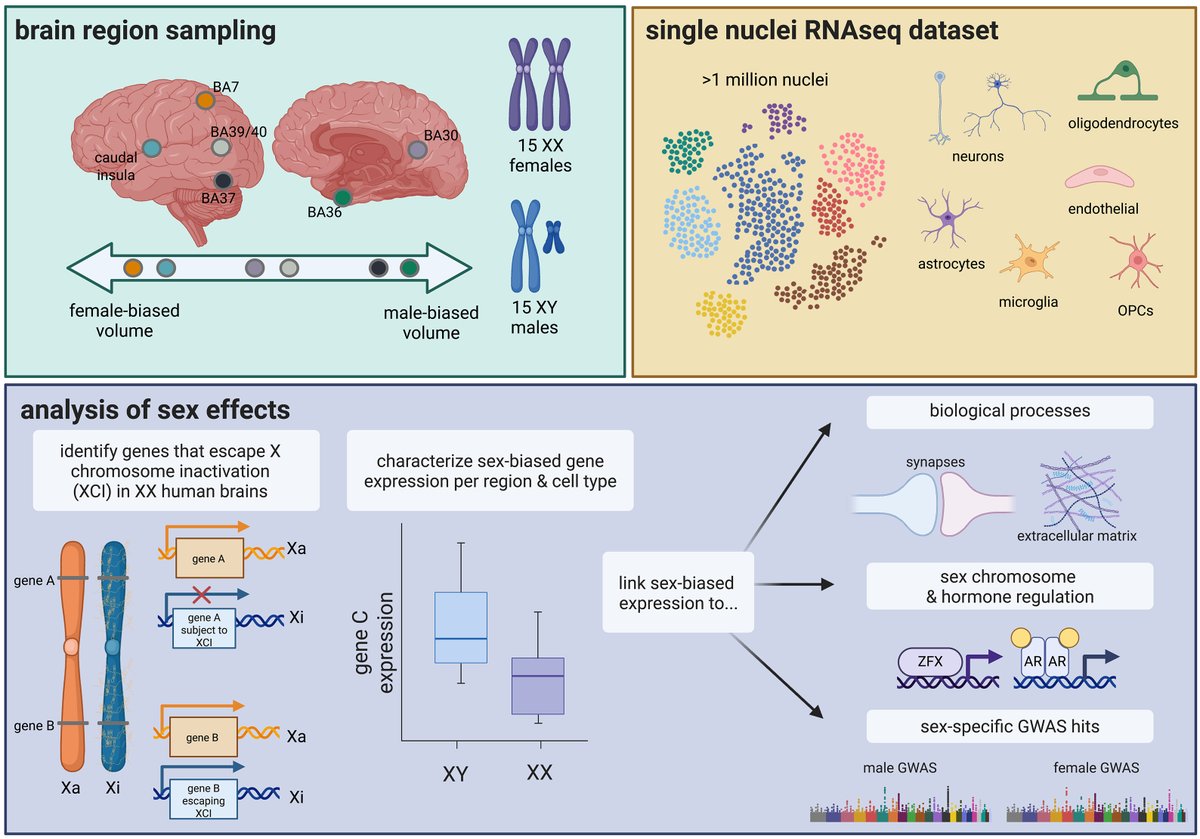
A new analysis in Science of individual brain cells across several human brain regions reveals subtle but widespread differences in gene activity between male and female brains.
This may help explain why some psychiatric and neurological disorders appear to affect the biological sexes differently, researchers report. https://t.co/0UyPE6Sz9d
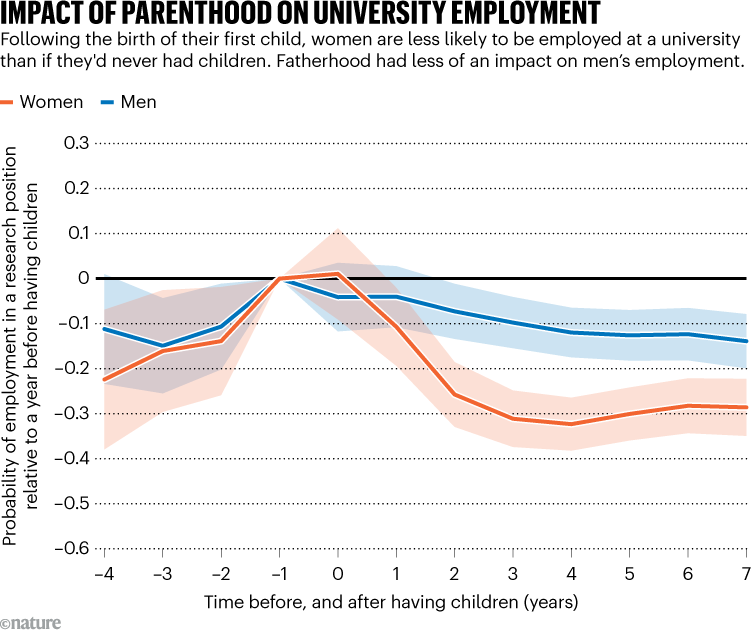
While this doesn't surprise many, what does this tell us about science, family and career compatibility versus active decisions to change a lifestyle post parenthood?
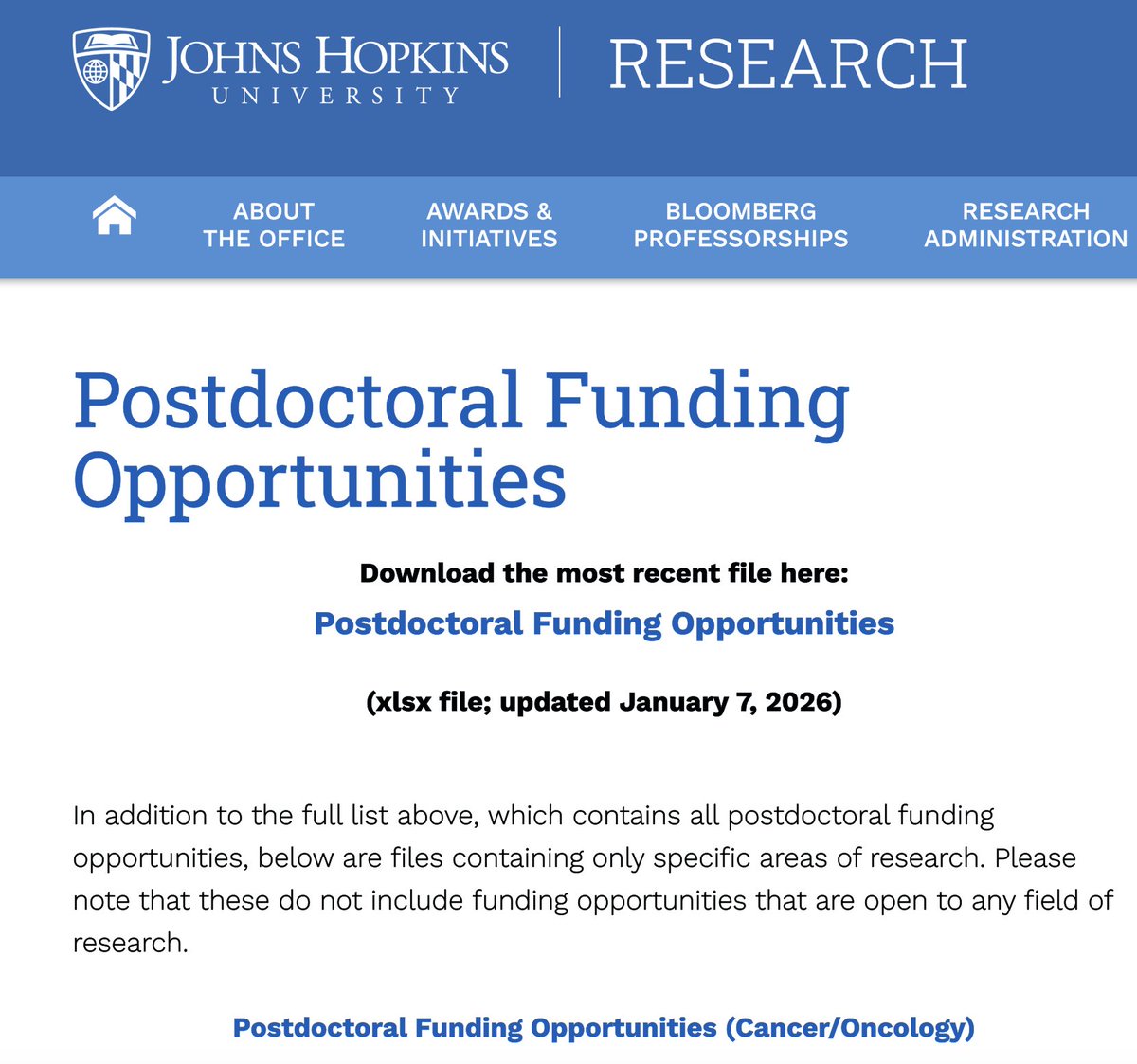
279 postdoctoral fellowships!
Download freely our database of postdoctoral fellowships and grants. For each entry, we provide eligibility criteria, $ amount, deadline, etc.
We also provide separate databases for oncology and neuroX.
Good luck!
Here: https://t.co/EbTahdzbkp
Why it should be mandatory to have open discussions about contributions and effort investment at the start, not at the end or a 'lets see'. Teamwork is undervalued and is paramount for success. Authorships evolve over time but honest starting points are a necessity
"The day the paper was published should have been a moment of pride. Instead, it felt like a quiet erasure." #ScienceWorkingLife https://t.co/EpmK1mgQFS
Moved house and it's like the 00s again- no Internet and standing as close to a window as possible in hopes of phone reception WFH currently off the table...
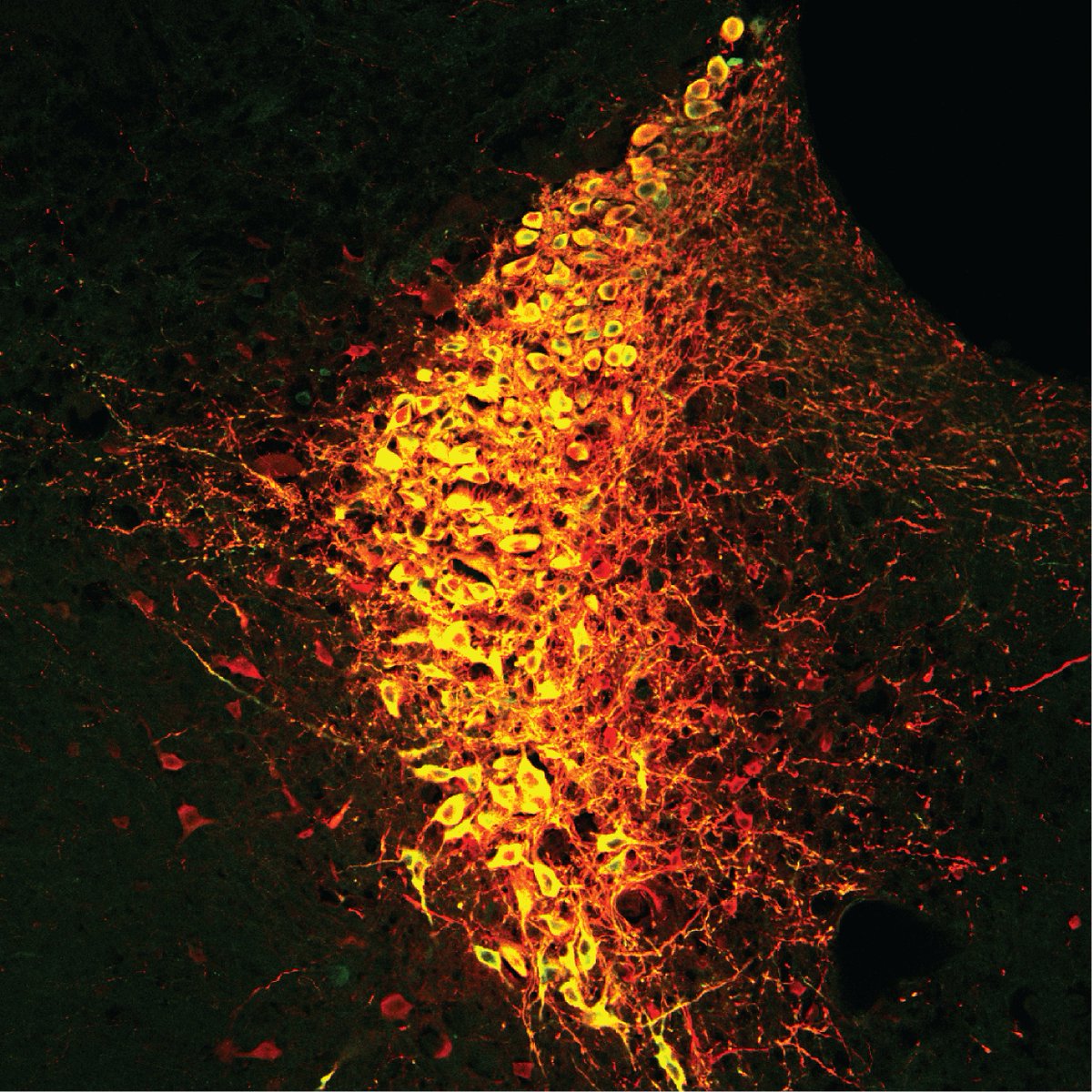
🔔🔵After nearly 5 years from its conception with @BohacekLab, I'm proud to share that our paper on opto-fMRI of the Locus Coeruleus is finally published in @NatureNeuro! Huge thanks to everyone who contributed—including reviewers and editors!
https://t.co/yYDkiuTqha
Join me in celebrating 100 years of EEG, please retweet!
On July 6th, 1924 Hans Berger recorded the first EEG on a human, only published in 1929. This invention of the EEG has resulted in many clinical applications ranging from diagnosing epilepsy and sleep disorders to Brain Machine Interfaces (BMI/BCI), neurofeedback and EEG as the first clinically actionable biomarker in precision and stratified psychiatry.
What's your favorite application of EEG?
See the full series 'Pioneers of the EEG' here: https://t.co/mgWrwcSgHc also in Spanish.
Cerebrospinal fluid links the brain and peripheral sensory system and drives headache in migraine with aura! We’re excited to share our newest article just published today in @ScienceMagazine . Please read along:
https://t.co/ab3HuaTpYe
Introduction and reflections on the comparative physiology of sleep and circadian rhythms | Journal of Comparative Physiology B https://t.co/kioI5hesrE
Cortical hyperexcitability in mouse models and patients with amyotrophic lateral sclerosis is linked to noradrenaline deficiency | Science Translational Medicine https://t.co/AW8FtFTjGF
@jackie_derose Empty spaces are wake periods essentially (of baby). Maybe very brief sleep eg 1-2min I missed; leisure = walks with baby to get him to sleep during day, although hoping 'routine' becomes better. Any work is still a challenge..as is eating (he smells my food so wants his!)
Baby Emrys stats (av14 days): age 7w6d, eats ~28 times a day, av25 min per session; sleep av 9h20, ~9blocks, majority (7h) occuring between 8pm and 7am. Some nights sleep < 5hrs. Nappies ~7 a day. The sleep deprivation experimenter is now the subject....(Records not 💯 accurate)
In @Nature today: 40Hz light and sound stimulation increases peptide release from interneurons, driving clearance of #Alzheimers protein via the brain’s glymphatic system. Study led by @DrLiHueiTsai, @mhmurdock1. https://t.co/FmEO4R8UJE @mitscience@mitbrainandcog