Our issue on Computational Properties of the Prefrontal Cortex is now:
https://t.co/qR16KjAn9p
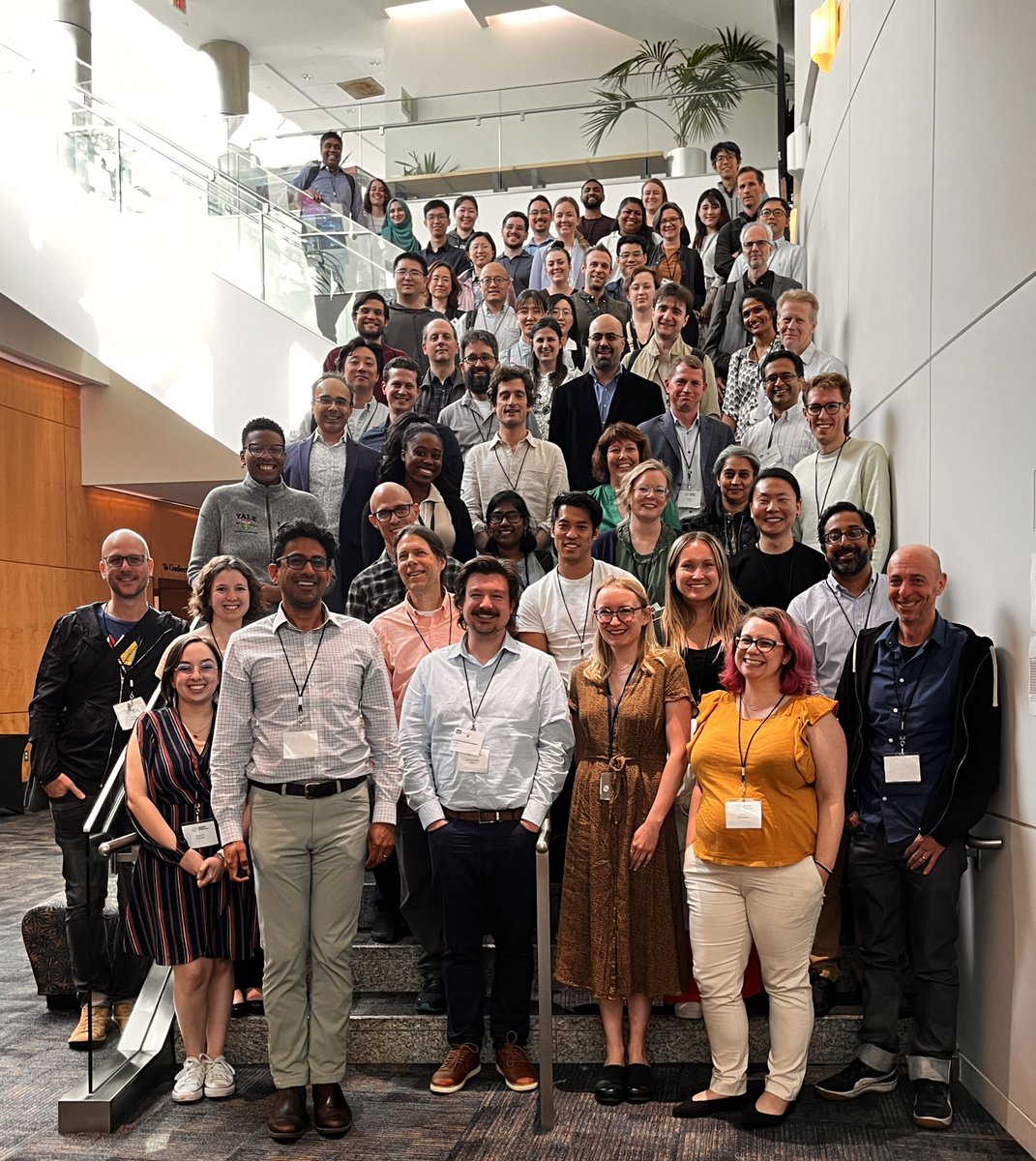
These articles capture some of the incandescence of the CPPC conferences...
https://t.co/tvDcufmoUK
https://t.co/9GDs9g9Oby
https://t.co/bjRhYlXuzN
Next one in Toronto in ~2026!
Credits go to my world-class team. I am especially grateful to my mentors who inspired and supported/funded my academic curiosity.
Our goal remains: to bridge the gap to human studies and better understand the link between neurophysiology and subjective experience ❤️
Our latest work: https://t.co/u4HxySqVaS
We show that corticostriatal ramping activity can't readily be explained by movements using motion tracking, and that ramping can't readily be explained by reward anticipation in mice performing timing and Pavlovian tasks.
@NadjaGingJehli Our work from a great collaboration now out at Brain Stimulation: https://t.co/cmTVmWx7aO
We find that 4 Hz STN stimulation in *humans* changes decision thresholds:
Data: https://t.co/iz5c3NNrai and https://t.co/BfYSPKwpLQ
@AMahajanMD Great ?. Amphetamine increases (worsens) precision, at least in timing tasks. We have a prefrontal correlate. This is systemic - we can consider local drug infusions next...and find the exact cellular correlates!
Our work showing that amphetamine affects behavior by degrading prefrontal temporal variability is now out at Neuropharmacology: https://t.co/y7Scy4Dnd0
Work by Matthew Weber @MatthewWeberPhD
As always, data and code at: https://t.co/Rq4rZMHXkq