From refugee to IT professional — Suar M. didn't just change his own life, he went back to lift others up.
That's exactly why I built @UoPeople.
#AccessToEducation#RefugeeEducation
A new term begins. Students around the world are starting their next chapter at @UoPeople.
Welcome, and good luck. Wish our students luck & share your advice if you’ve been part of the journey.
A Harvard professor who has written 9 books and spent 40 years studying how language works inside the human brain just gave the most important writing masterclass I've ever seen.
Here's what he said that broke my entire understanding of writing.
Steven Pinker, the professor, opened with a single question: why is so much writing terrible? Not just academic writing, but corporate writing, government writing, and even most blog posts.
His answer had nothing to do with effort or intelligence.
He called it the Curse of Knowledge. The moment you understand something deeply, you lose the ability to remember what it felt like not to know it. You stop seeing your own blind spots because the blind spots feel like common ground.
He watched a brilliant molecular biologist destroy a room of 400 people at a TED event. The man launched straight into jargon without ever explaining the problem he was solving or why anyone should care. The biologist had no idea it was happening. That's the curse.
Then he said something I haven't stopped thinking about.
Bad writing is not a character flaw. It's a failure of empathy. You cannot get inside your reader's head by trying harder. You have to actually find a real human being and watch them read your words in real time.
He showed his drafts to his mother. Not because she was unsophisticated, but because she wasn't a cognitive psychologist. She was smart, well-read, and completely outside his world. When she lost the thread, he knew something was wrong.
The second thing he said changed how I think about every sentence I write.
Language is a delivery system, not the destination. What your reader actually understands is not the words. It is the image, the sensation, the concrete thing those words are supposed to summon. If your reader cannot picture it, they have not understood it.
He asked: what is a paradigm? What does a framework look like? What color is a concept?
Nobody could answer. Because abstractions produce nothing in the mind's eye.
The writers from two centuries ago who still feel alive today were forced to think visually because they had no abstractions to hide behind. They had to say the spirit of the hawk tore into our flesh instead of aggression. The image did the work that the jargon could not.
The third thing he said was the one most people ignore completely.
Brevity is not about word count. It is about removing every word that makes the reader work harder without rewarding them for it. He quoted a line he had memorized for 40 years: omit needless words. Three words. An instruction that is also an example of itself.
He said the best thing that ever happened to his writing was editors who gave him an 800-word limit and wouldn't budge. The constraint always improved the piece. Always.
The curse of knowledge is real. The fix is simple and most people never do it.
Find one person outside your world. Show them what you wrote. Watch their face, not the page.
Nowadays, many researchers use AI to write their papers and send them to journals. The editor sends the paper to a reviewer who also uses AI to give feedback. Then the paper goes back to the author who again uses AI to address the reviewers comments. Feel free to disagree.
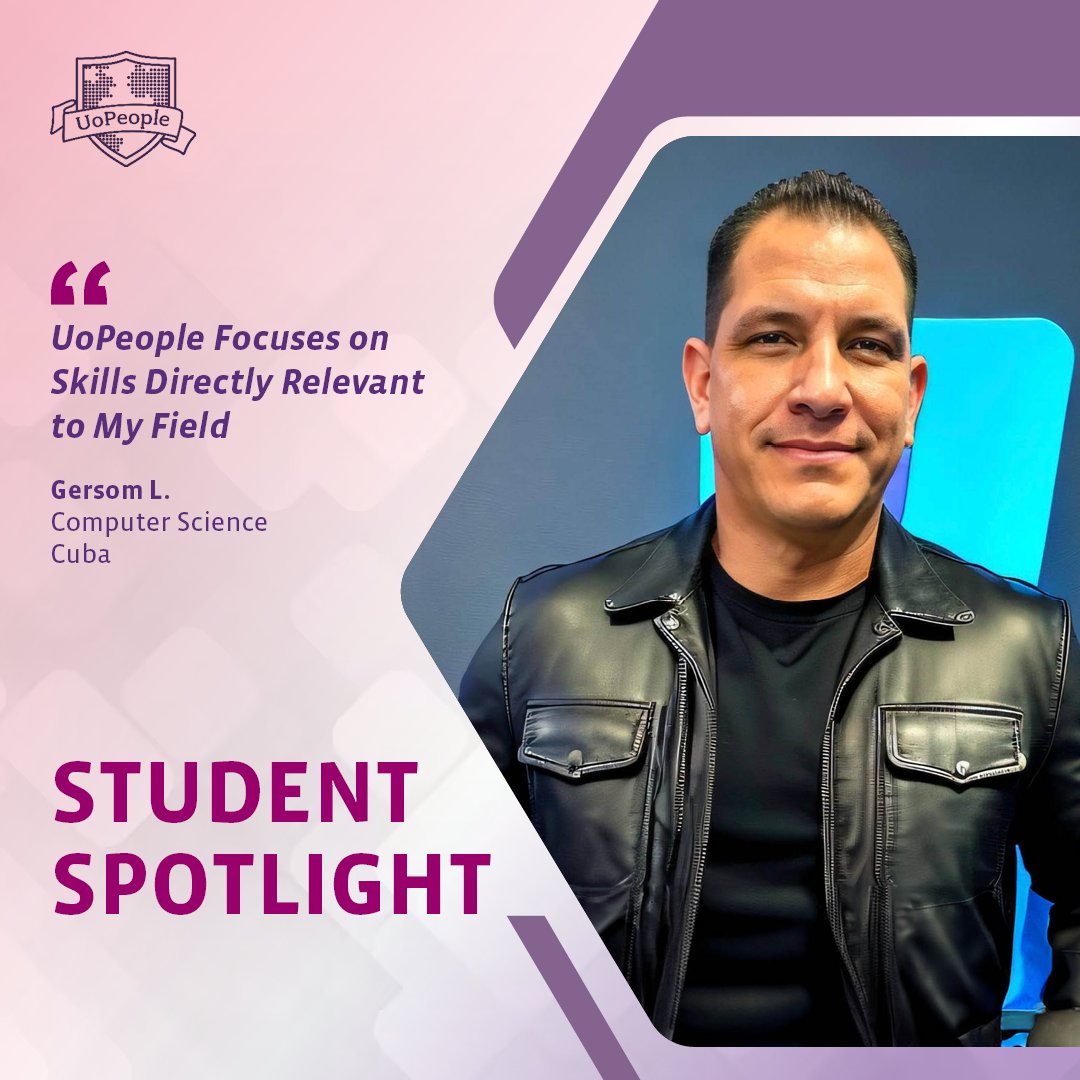
From Havana to Miami, Gersom L is building a new future
Now studying computer science at University of the People, he is working toward a career in cybersecurity through tuition free education
Read more https://t.co/SON7IHuObR ✨💜 #UoPeople#TuitionFree#OnlineUniversity
Some of our students have survived war, poverty, and discrimination just for wanting to learn.
And yet, they are here.
This is why we do what we do.
What’s a story that reminded you why education matters? #UoPeople
The whole world needs to know about this! Seriously. We all know JPG (or JPEG), the digital format that shrunk file sizes and changed how we store photos forever. It’s the reason the world fell in love with sharing images. But now, it’s being replaced by JPEG XL. And it’s time everyone realized that the mastermind behind it is Polish.
This is the story of a brilliant Polish mind. Dr. Jarek Duda is arguably the only living Pole whose scientific method is embedded in billions of devices across the planet. He developed a data compression method called ANS (Asymmetric Numeral Systems), which is now a standard component in modern electronics. Because of ANS, websites load faster, devices use less energy, and our internet bandwidth is used much more efficiently. It’s already baked into products from Apple, Facebook, Google, and the Linux kernel.
He could have been a billionaire. But he chose not to patent his method, and to this day, he says he has no regrets. He believes that by keeping it open, his work has changed the lives of millions, perhaps billions of people. Even so, there is a deep sense of injustice in how he’s treated, hardly anyone remembers that he is the true father of this technology.
Even though companies like Google and Microsoft have tried to patent the ANS method as their own, I want to use this post to set the record straight and give credit where it’s due: to a Polish genius.
I don’t think I’ve ever met someone as humble as Jarek. But this isn’t just a story about the past. For years, Jarek has been working seven days a week, starting at 7:00 AM, on a solution that could revolutionize quantum computing.
Jarek, I hope you keep that incredible drive going. Thank you for your time. We cannot let this name be forgotten. A Polish scientist has fundamentally changed the course of technological history.
@duda_jarek
A first-generation college graduate.
A full-time worker.
Now a startup co-founder.
Chibuike I. earned his degree at @UoPeople while working full-time and is now building a startup.
Read more: https://t.co/XCLrLkQ1n2 #UoPeople#FirstGen#StudentSuccess#EducationForAll
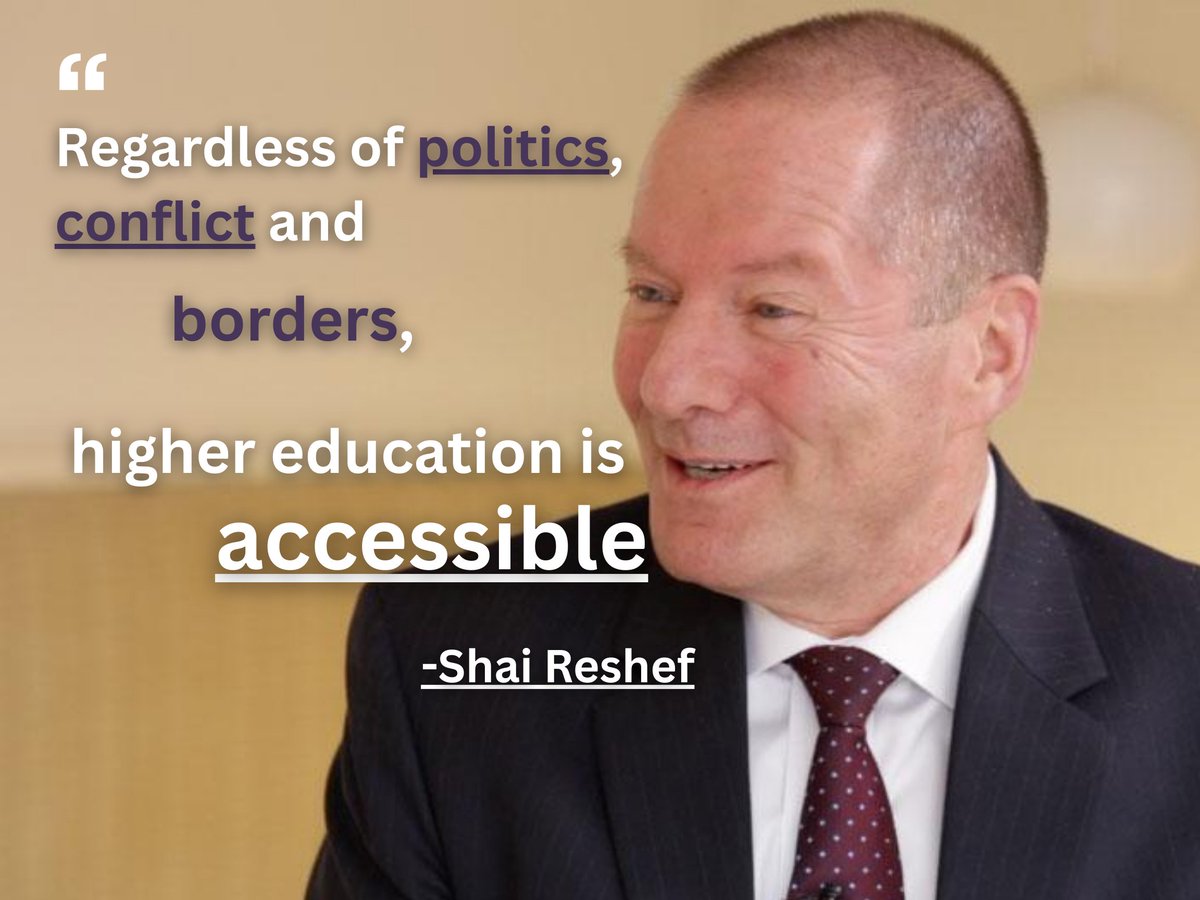
When women are banned from universities, silence is not an option. Through @UoPeople’s Afghan Women’s Scholarship Fund, we’re helping 1,000 women continue their education online, tuition-free. Support their future: https://t.co/uqHgCOskgV #IWD#WomensEducation#UoPeople #CoffeeWithShai
#HigherEducation is facing enormous challenges; rising costs and growing global demand.
Honored to join the @sugsvsummit Higher Education Insights Board and engage with fellow university leaders on how we can expand access and opportunity for students worldwide. #UoPeople #OnlineLearning
https://t.co/eqmjyT7JDQ
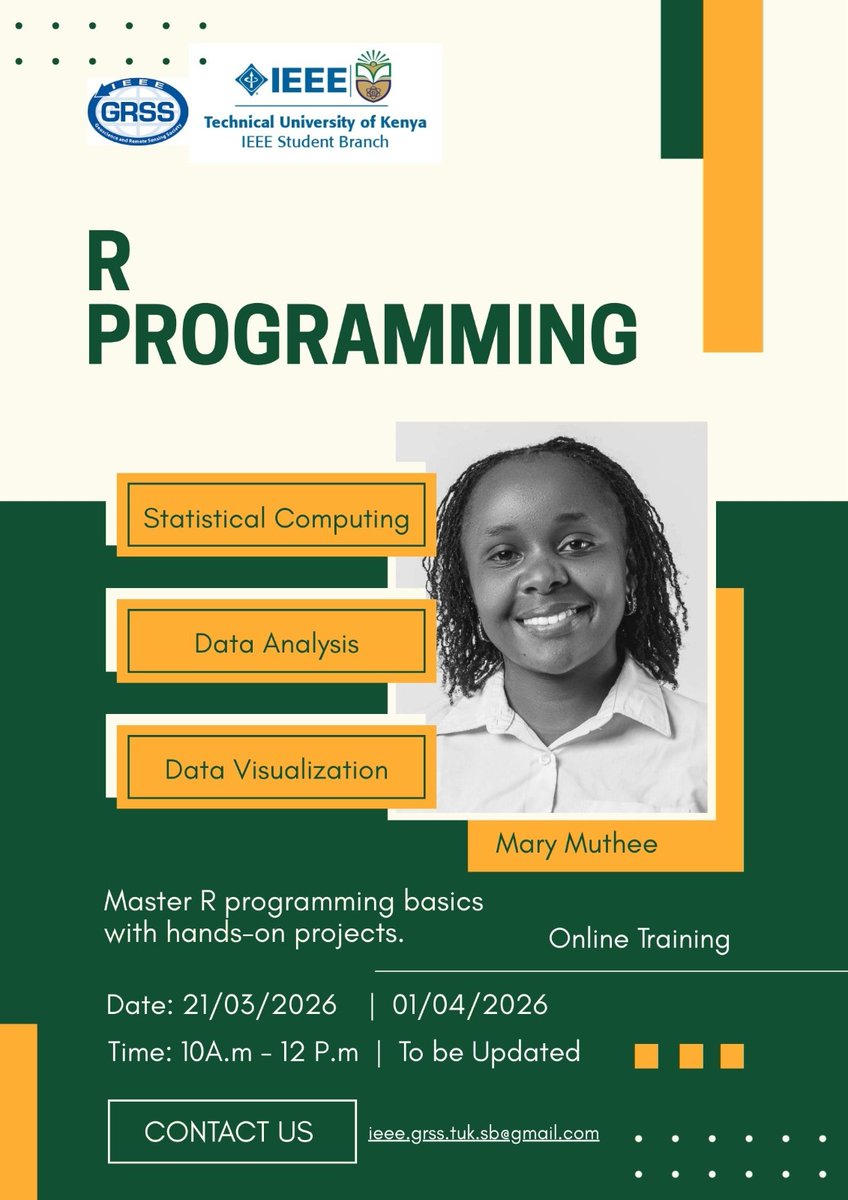
Join us on 21/03/2026 for a hands on-training on R ,The training will be beginners friendly.
Registration link- https://t.co/66kEVFWcpq
#geospatial#R#GIS#GeoAI
A lot of academics still think AI apps generate fake references to papers that don't exist.
They are living in 2023.
You can easily integrate a database of 280M research papers with Claude and ChatGPT to get answers with references to published papers.
Here's how to do it:
When women gain access to education, families, communities, and economies grow stronger.
@DrMuhammadYunus showed the power of investing in women through microfinance. Education has the same transformative impact.
At @UoPeople, we remove cost and geographic barriers so more women can earn degrees and lead the future.
#AccessToEducation #WomenInLeadership