🌙✨ اختر مبارك - عيد مبارك ✨🌙
د کوچني اختر د رارسېدو په مناسبت تاسې ته د زړه له کومې مبارکي وایم، الله تعالی مو خدمتونه، او ټول نېک اعمال قبول کړي، له خوښيو ډک اختر ولرئ 🌸
کل عام وأنتم بخير
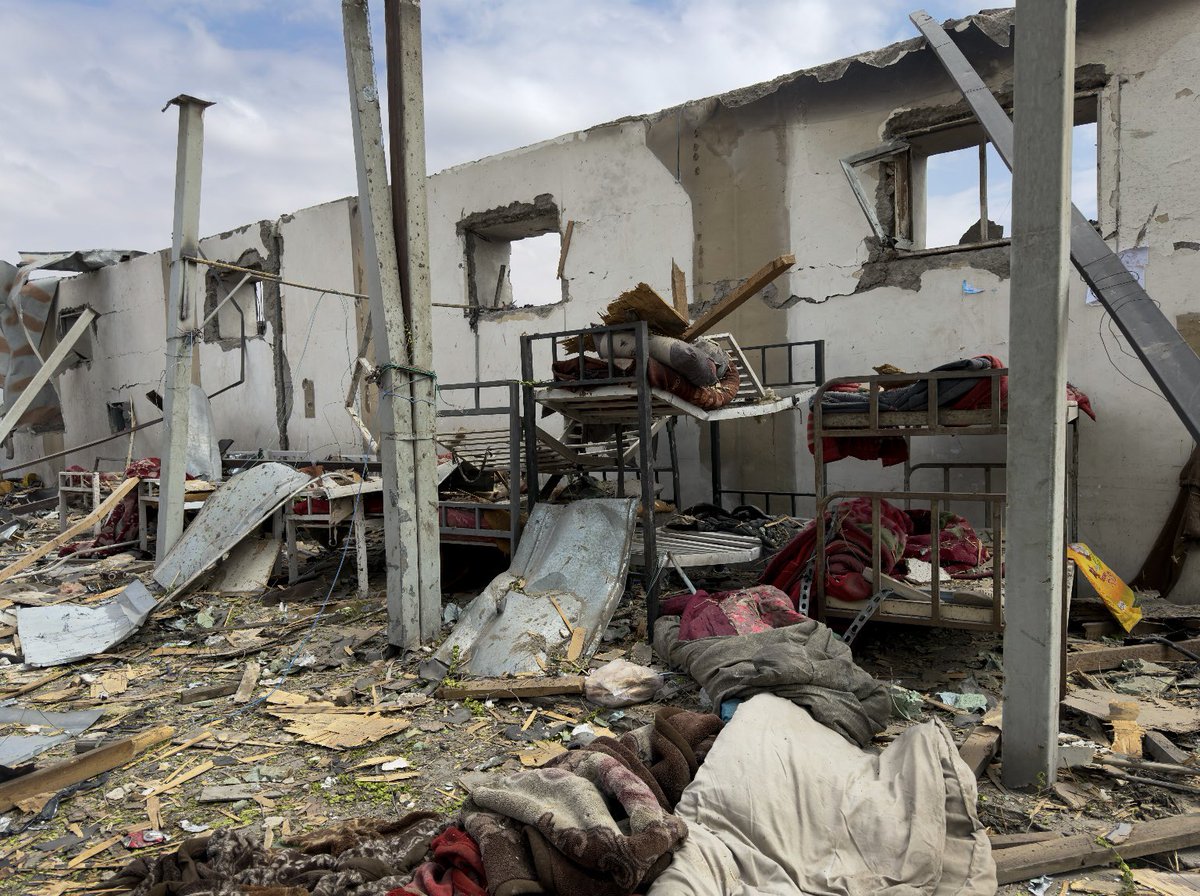
We are deeply saddened by reports of attacks on a hospital in Kabul last night. We saw firsthand the devastating impact on civilians and the hospital, which has reportedly resulted in a large number of casualties.
Civilians and civilian infrastructure must never be targeted.
All parties must uphold their obligations under international humanitarian law to protect civilians and ensure their safety at all times.
المحکمة العليا بإمارة أفغانستان الإسلامية تستلم عشرات شهادات رؤية الهلال من ولايات زابل، قندهار، بروان وهلمند في #أفغانستان وبعد تدقيق وتحقيق تعلن المحکمة رسميا غدا يوم الأربعاء أول أيام شهر #رمضان المبارك.
#رمضان_كريم
Afghanistan’s Emerging Economic Stability: A Quiet Success Story in a Turbulent Region
In a region frequently shaken by political uncertainty, inflationary shocks, and currency crises, Afghanistan’s economy has demonstrated a surprising degree of stability in recent years. While challenges remain as they do in every developing nation the country’s fiscal discipline, controlled monetary policy, and reduced corruption have all contributed to an environment far more stable than many observers expected.
The result is striking:
the Afghan Afghani (AFN) has become one of the most stable currencies in the world, defying regional economic turbulence and outperforming the currencies of several neighboring states, including Pakistan, Iran, and even some Central Asian economies.
1. The Afghan Currency: One of the Most Stable in the World
In 2023–2025, multiple international financial reporting platforms ranked the Afghani among the strongest-performing currencies globally. Unlike many currencies that have seen double-digit devaluation, the AFN has remained remarkably firm.
Why has the Afghani stayed strong?
• Strict currency control policies
Authorities have maintained disciplined oversight over currency exchanges, limiting illegal outflows and stabilizing the demand–supply balance.
• Reduction in large-scale corruption
Leakages, money laundering, and political interference historically major problems, have significantly declined, improving confidence.
• Balanced imports and rising exports
Agricultural exports, minerals, pine nuts, saffron, dried fruits, and transit trade have supported foreign reserves and trade flows.
• Increased cash circulation inside the country
With fewer people transferring cash out of Afghanistan, domestic liquidity remains strong.
In contrast, Pakistan’s rupee has lost over 300% of its value in just a few years, driven by political instability, debt crises, and IMF dependency. Afghanistan, despite limited international banking activity, avoided the same collapse due to internal economic discipline.
2. Inflation Stability: A Reality Many Didn’t Expect
While many countries in the region Pakistan, Iran, Turkey battle inflation exceeding 30–50%, Afghanistan’s inflation has remained moderate.
Stable food prices, improved agricultural production, and controlled imports have protected Afghan consumers from sudden price shocks.
Bread, vegetables, rice, poultry, and fuel have experienced relatively predictable price ranges, allowing ordinary Afghans to plan their expenses without fear of sudden economic shocks.
3. Fiscal Responsibility in Governance
One of Afghanistan’s unexpected strengths has been strict fiscal discipline:
•The government operates without foreign debt; a rare situation for any developing country.
•Salaries and administrative costs are paid from domestic revenue.
•Tax collection has improved and corruption within tax departments has notably decreased.
•Infrastructure and public services are funded through controlled spending rather than borrowing.
This contrasts sharply with neighboring Pakistan, which:
•Owes over $130 billion in external debt,
•Spends more on debt repayment than on health and education combined,
•Depends heavily on short-term IMF loans to stay afloat.
Afghanistan’s model, although not without challenges has delivered more stability than many expected.
4. Market Confidence and Social Stability
Despite political changes, the internal security environment has become far more stable compared to the pre-2021 era. Markets remain open, trade routes function, and major cities have seen notable reductions in criminal activity.
This security environment, combined with economic calm, has allowed:
•Growth of small businesses,
•Stable transportation networks,
•Consistent agricultural trade, and
•Increased investor confidence.
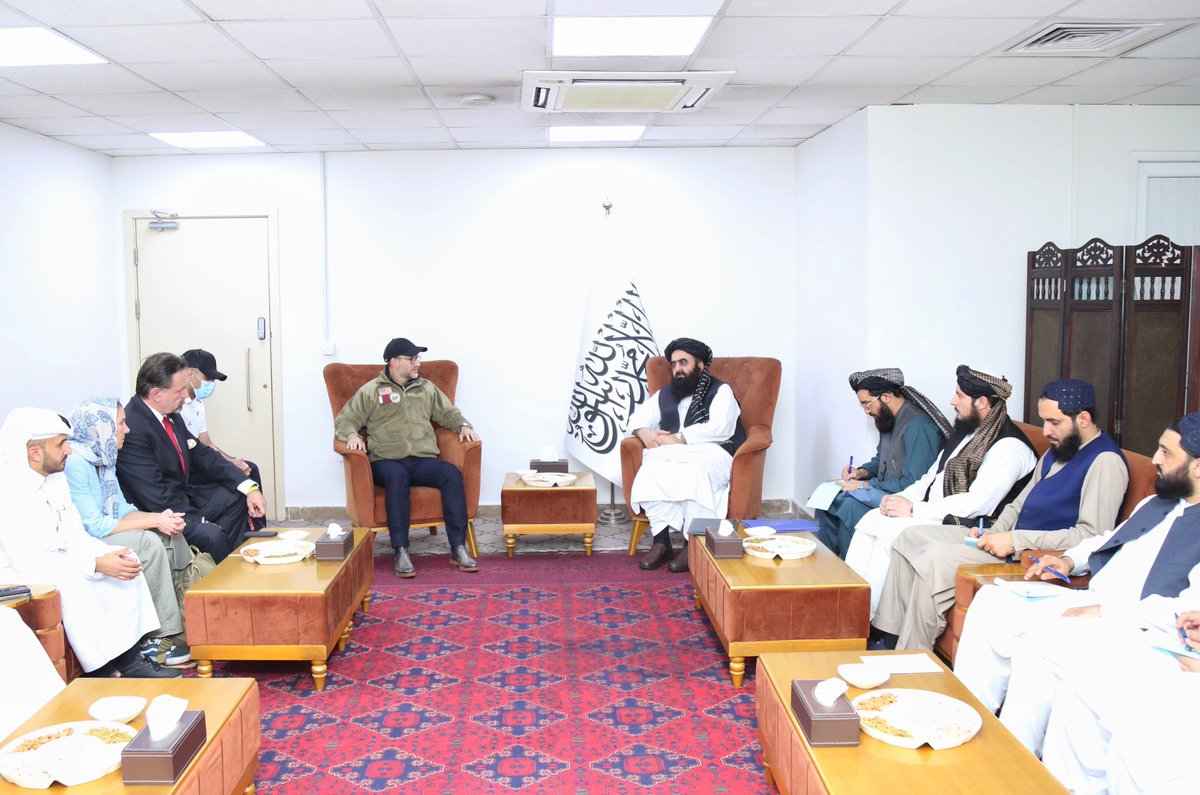
With Sebastian Gorka @SebGorka in the delegation, it’s should be clear that Afghanistan believes in mutual respect, diplomacy & dialogue. It stands as one of the most secure & peaceful countries in the region, open to engagement.
@SecRubio@POTUS@realZalmayMK
لکه د ودانيو جوړولو کارونه چي د اوږدې پروسې په ځای به اوس په پنځلس ورځو کي خلاصيږي،
همداسي په اقتصادي کارونو کي نوري اسانتیاوي هم رارواني دي ان شاءالله.
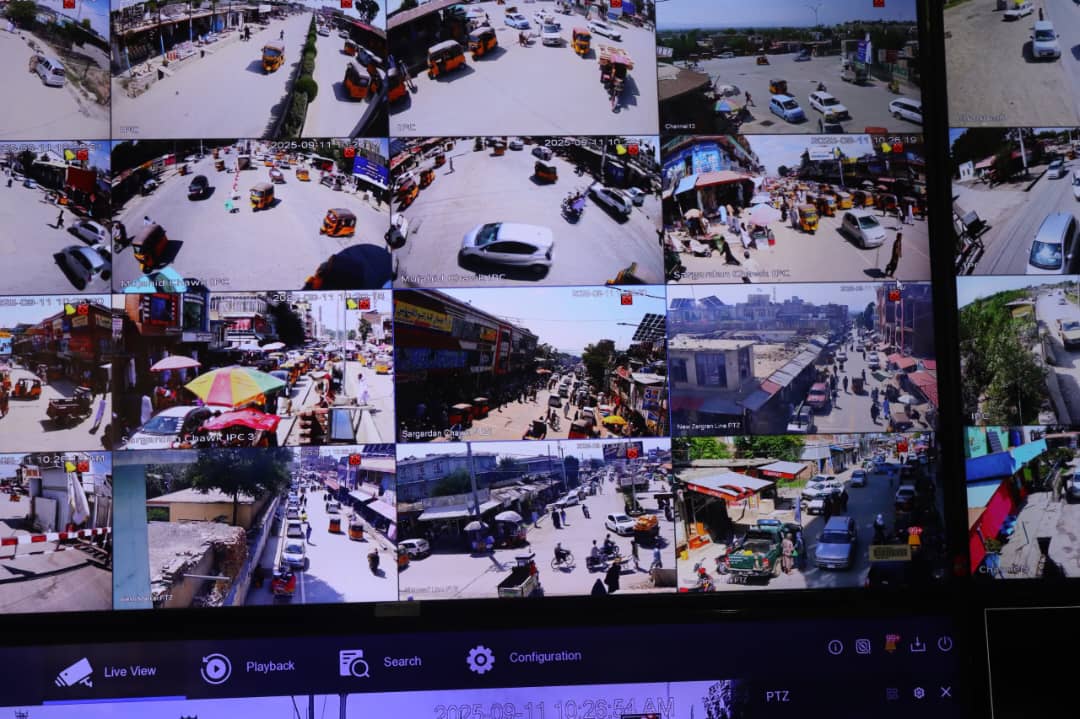
نصب کمرههای امنیتی به ارزش میلیونها افغانی در خوست تکمیل و به بهرهبرداری سپرده شد.
قوماندانی امنیه خوست با هدف جلوگیری از جرایم، تأمین ثبات امنیتی و نظم شهری در نقاط مختلف شهر ولايت خوست نصب اين کمره ها تطبیق شده و شامل دهها کمره ثابت و متحرک میباشد.
۱/۲