SECRETOS DEL SUEÑO QUE LA MAYORÍA DE LAS PERSONAS NUNCA HAN ESCUCHADO:
1. 😴 Dormir del lado derecho — Pone presión en tu hígado y ralentiza el drenaje linfático. El lado izquierdo es lo que el cuerpo prefiere.
2. 🌡️ Habitación cálida por la noche — Tu temperatura corporal central debe bajar para activar el sueño profundo. Una habitación fresca no es comodidad. Es biología.
3. 💡 Luces tenues demasiado tarde — Cualquier luz brillante después de las 9pm le indica a tu cerebro que detenga inmediatamente la producción de melatonina.
4. 🧠 Pensar en la cama — Usar tu cama para trabajar o desplazarte entrena a tu cerebro para mantenerse alerta allí en lugar de apagarse.
5. 🍷 Alcohol antes de dormir — Parece que te ayuda a dormir. En realidad fragmenta tus ciclos de sueño y bloquea el REM por completo.
6. ⏰ Hora de despertar inconsistente — Dormir hasta tarde los fines de semana restablece tu reloj corporal. La consistencia importa más que la duración.
7. 🧘 Sin rutina de relajación — Tu sistema nervioso necesita de 30 a 60 minutos para pasar de alerta a reposo. No puede apagarse instantáneamente.
8. 💧 No beber agua antes de dormir — La deshidratación leve durante el sueño causa dolores de cabeza, somnolencia y una consolidación deficiente de la memoria.
9. ��� Dormir con auriculares — La presión prolongada dentro del canal auditivo durante el sueño causa acumulación de cera y, en algunos casos, infecciones.
10. 🛏️ Colchón viejo — La mayoría de las personas nunca reemplazan su colchón. Después de 7 años acumula ácaros del polvo, piel muerta y pierde todo el soporte espinal.
11. 📺 Quedarse dormido con la TV — La luz parpadeante y los cambios de audio mantienen tu cerebro en un estado de semialerta toda la noche.
12. ☕ Cafeína después de las 2pm — La cafeína tiene una vida media de 6 horas. Ese café de las 3pm todavía está medio activo en tu torrente sanguíneo a las 9pm.
13. 🌬️ Respirar por la boca mientras se duerme — Evade la filtración nasal, reseca la garganta y reduce significativamente la ingesta de oxígeno. La respiración nasal durante el sueño mejora la oxigenación cerebral y la calidad de recuperación durante la noche.
14. 🧦 Usar calcetines en la cama — Calentar los pies dilata los vasos sanguíneos y le indica al cerebro que baje la temperatura corporal central más rápido, lo que en realidad acelera el tiempo que toma quedarse dormido.
15. 🪴 Sin plantas en el dormitorio — Ciertas plantas como las lenguas de suegra y las lirios de la paz liberan oxígeno por la noche y filtran toxinas del aire interior que silenciosamente interrumpen la calidad de la respiración y la profundidad del sueño durante toda la noche
You’re right about the end point. Most carbs break down to glucose and fructose, and the pancreas treats sugar the same once it hits the blood. That part isn’t wrong.
The difference shows up before that. Fibre, fat, and protein slow how fast sugar arrives. A Medjool date brings fibre and chewing. Steel-cut oats take time to break down. Sourdough’s fermentation already ate some starch. So the blood sugar rise is slower and smaller, and we stay full longer.
Natural doesn’t make sugar harmless. But the package around the sugar decides how hard your body has to work in that first hour. The jar matters less than the company it keeps.
6. Caída del cabello: biotina (B7), vitaminas A y E
7. Uñas quebradizas: biotina (B7), vitamina D, zinc
8. Piel seca: vitaminas C y E, omega-3
9. Acné: vitamina A, zinc, vitamina E
10. Cambios de humor: vitamina D, B6, magnesio
Tu cuerpo susurra antes de gritar.
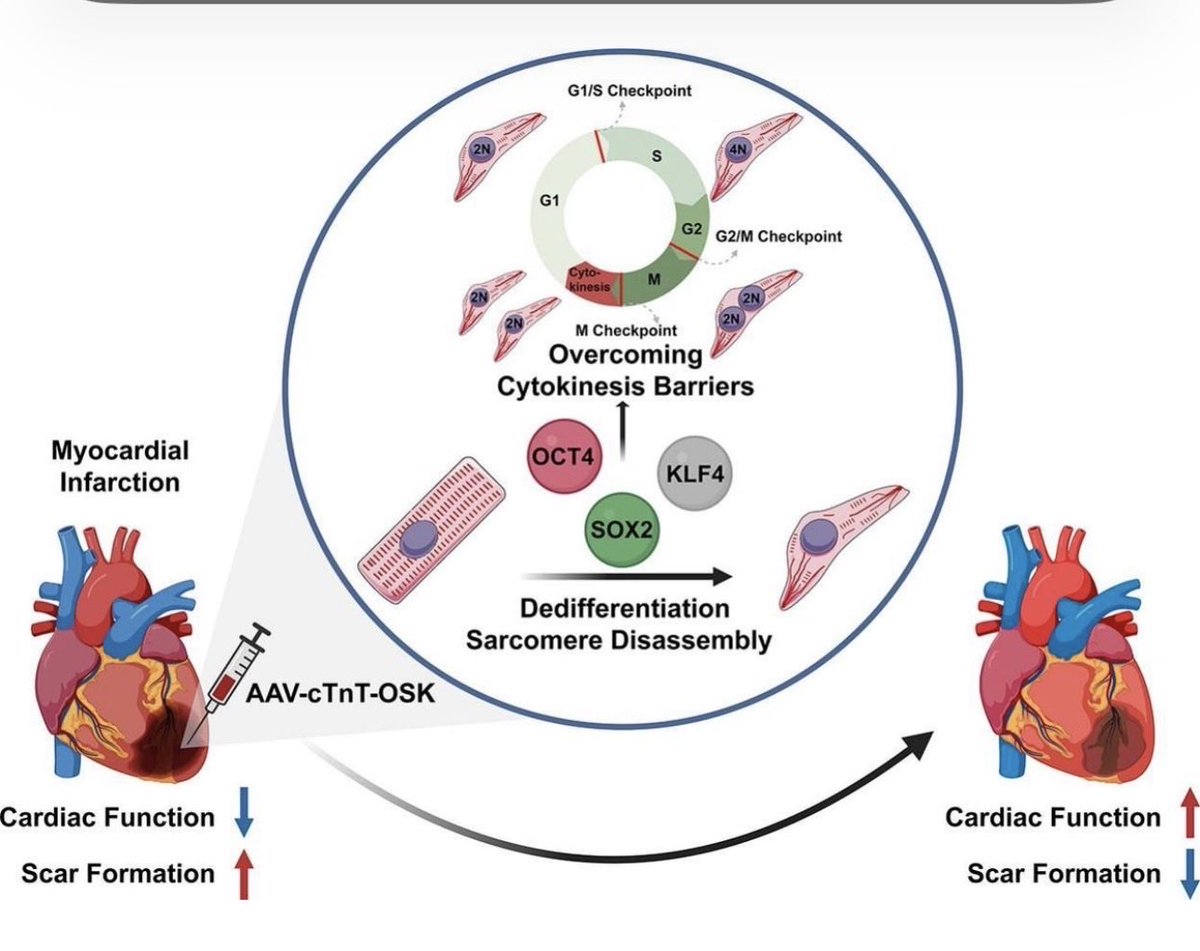
NEW STUDY: OSK rewinds the clock and pushes adult heart cells into a regenerative state that improves heart repair
Why is this such a big deal?
Because adult heart cells do not meaningfully divide, which is why the heart heals with scar tissue rather than regeneration. This fundamental limitation has defined cardiology for decades
In 2020, OSK restored function in damaged neurons. Now the same principle is being explored in the heart, building on results already seen in eye, brain, liver, and skin
Consistent with the Information Theory of Aging: cells retain the instructions for repair; aging is a loss of access to them. Restore that information, and regeneration follows…
Mathematician John Lennox says one of the biggest mistakes the New Atheists made was emphasizing the God of the gaps argument. New Atheists claimed believers invoke God to explain what they don't understand; but as those gaps in understanding shrink – for instance, we don't need Thor to explain lightning anymore, since science now explains it – the explanatory space God inhabits gets smaller and smaller until someday we have no need of God at all.
Two problems with this...
First, there are boundary problems that will never be solved by science, like what caused the universe. That is forever beyond the ability of the scientific method to resolve.
Second, for believing scientists like Lennox and myself, it was never what we *don't* understand about the universe that led us to believe in God, it's what we DO understand that compels us to believe. I came to believe in God while studying the chemistry of the early universe using distant quasars – to me, the exquisite sense of intentional design in that work signaled God's realness.
⚠️ ALERT: LOWEST DAYTIME TEMPERATURES SO FAR IN 2026 EXPECTED IN GAUTENG ON THURSDAY, DUE TO RIDGING HIGH
Vereeniging 15°C
Johannesburg 15°C
Pretoria 17°C
Vitamin B1 gives you energy. B2 clears skin. B3 calms anxiety. B5 supports adrenals. B6 balances hormones. B7 grows hair. B9 creates new cells. B12 protects your brain. They work as a team!
Alcohol depletes them. Stress burns through them. Sugar destroys them. Coffee blocks them. Eight vitamins. You're probably low in all of them.
Dr. Benjamin Bikman says cholesterol-lowering drugs are driving low testosterone in men.
Yet doctors prescribe them like they're handing out flyers.
Bikman is a leading metabolic scientist who explained that every sex hormone in the human body is manufactured from cholesterol, including:
• Estrogen
• Testosterone
• Progesterone
All of them.
"Some men experience such terrible loss of libido because he's becoming low testosterone because of the war on cholesterol."
Bikman says we were told cholesterol was bad for us because we have drugs that lower it. So Big Pharma never wanted us to know having high cholesterol is good for you.
In fact, a Swedish longevity study found the longest lived people consistently had high cholesterol.
The molecule your doctor is telling you to lower may be the one your body needs most.
— Dr. Benjamin Bikman (@BenBikmanPhD) on Steven Bartlett's (@SteveBartlettSC) Diary of a CEO podcast
PS: If you found this insightful, follow me for more unconventional health content just like this.
Dr. Roger Seheult just shared a story that should change how every hospital on Earth operates.
A 15-year-old boy with blood cancer developed a flesh-eating fungal infection. Doctors removed his left lung. The infection spread to his right. He'd been in hospital for 6 weeks. Nothing was working.
The doctors told his family he had two days to live.
When they asked what he wanted to do with his remaining time, he said: "I just want to go outside."
The staff got his hospital bed outside. Same medications. Same treatment. The only thing that changed was sunlight.
• Day 1: His infection markers dropped.
• Day 2: They dropped further.
• Day 5: He was off the breathing machine.
A CT scan showed the infection was 60 to 70% gone. He went home alive.
Seheult says people in hospital beds closer to windows get discharged faster. Patients in hospitals with bigger windows give better recovery scores. And infrared light from the sun penetrates up to 8 centimeters into the body, directly fueling the mitochondria that power every cell.
He's now working with three hospitals to start getting critically ill patients outside.
We used to build hospitals with verandas so patients could be wheeled into the sun. Then we stopped.
Maybe it's time to start again.
— Dr. Roger Seheult on Steven Bartlett's (@StevenBartlett) DOAC podcast
Brecka: "The parabolic rise in skin cancer is almost perfectly superimposable with the parabolic rise in sunscreen use."
O’Neill: "Exactly. Author Ian Whishart claims sunscreens themselves are causing basal cell carcinomas."
A 97-year-old woman with advanced Alzheimer's was given a microdose of LSD.
She had been diagnosed 11 years earlier.
By 97, she was in a near-vegetative state. Despair & hopelessness had set in, and she was basically unable to communicate.
Her caregiver, with the family's agreement, tried a microdose of LSD to see if it could bring her back.
According to her family and the Beckley Foundation, she regained full awareness. She could talk, read, and relate to people around her.
Her wit, personality, and sense of self all returned.
Her daughter later said the only wish was that they had started many years earlier.
That case is what led Amanda Feilding and the Beckley Foundation to launch the world's first controlled clinical trial of microdosed LSD for Alzheimer's, with the University of Basel.
And the science is starting to explain why it may have worked.
LSD at sub-intoxicating doses has been shown to increase Brain-Derived Neurotrophic Factor (BDNF), one of the most important proteins in the brain. BDNF drives neuroplasticity, supports neuronal survival and growth, and is central to learning and memory.
In Alzheimer's patients, BDNF levels are significantly depleted.
The Beckley/Maastricht research program found that microdoses of LSD (5, 10, and 20 micrograms) increased BDNF plasma levels in healthy volunteers in a dose-dependent manner. No altered state, just a measurable increase in one of the brain's most critical growth factors.
Animal research has shown that low-dose psychedelics promote neurogenesis and increase dendritic spine density in the hippocampus, the brain region most damaged by Alzheimer's.
A 2023 Nature Neuroscience paper found that psychedelics promote plasticity by directly binding to the BDNF receptor TrkB, a mechanism that may work independently of the psychedelic experience itself.
A randomized controlled trial out of New Zealand gave 80 healthy men 10 microgram doses of LSD every third day for six weeks and measured changes in neural plasticity via EEG. The results showed modulation of long-term potentiation, a key marker of the brain's ability to strengthen connections over time.
All of the above points in the same direction: LSD at low doses appears to support the biological infrastructure of a healthy, adaptive brain.
Call it what you want - neuroplasticity, neurotrophic signaling, synaptic growth - these are all processes that degrade with age and collapse in neurodegenerative disease.
Albert Hofmann microdosed LSD for decades. He was giving two-hour lectures at 100. He died at 102 with his mind intact. That's not proof on its own, but it's a data point that gets more interesting with every study that comes out.
What if the most demonized compound of the 20th century turns out to be one of the best tools we have for keeping the aging brain alive?
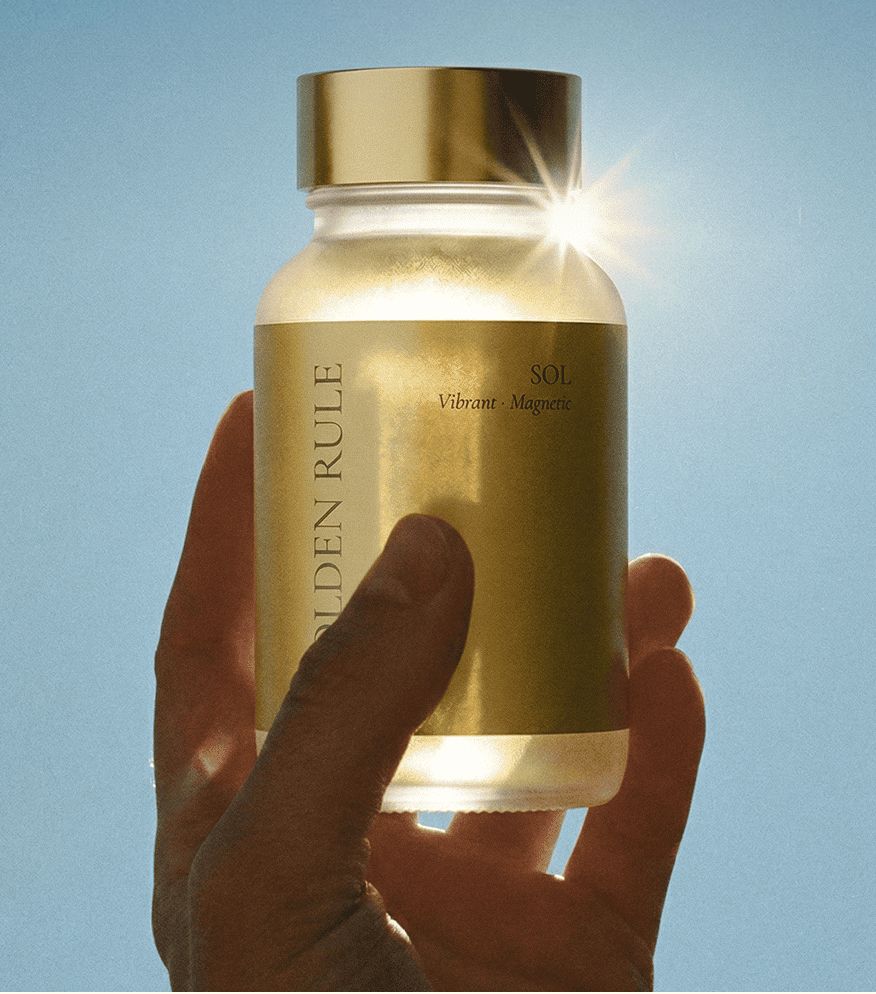
Pictured is the only easily available microdosing LSD product out there today.
It comes from Golden Rule and ships to all 50 states.
It's wild that this is now widely available.
You're taking a statin.
You think you're safe.
I thought so too.
I was a professional tennis player. Ranked #117 in the world.
My cholesterol was "normal" my entire adult life.
At 52, I had a heart attack.
What I discovered next changed everything. 🧵