Qualitative Research Meets Causal Inference
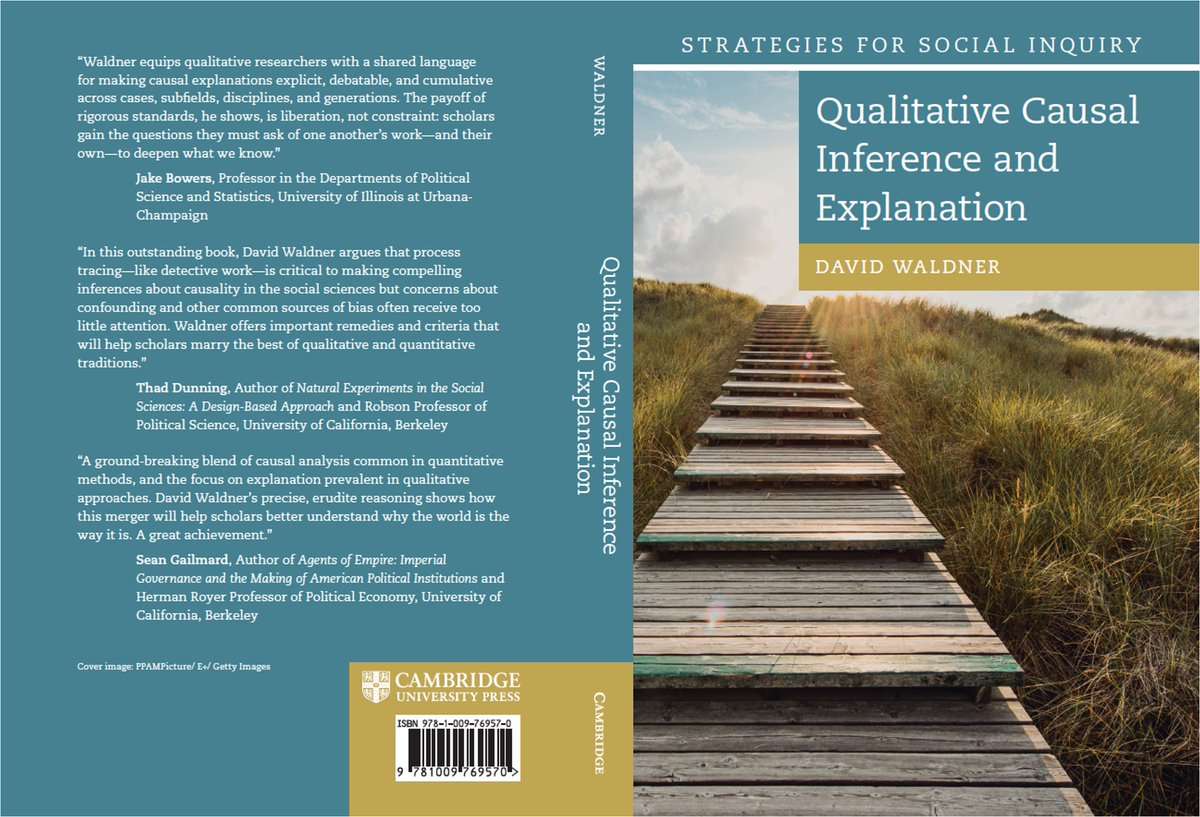
This book by @davidwaldnerdc will be out in June
I have read it and think it is a landmark work - it shows how to validate causal claims in qualitative research and provide better explanations
For information: https://t.co/K249zaDwVc
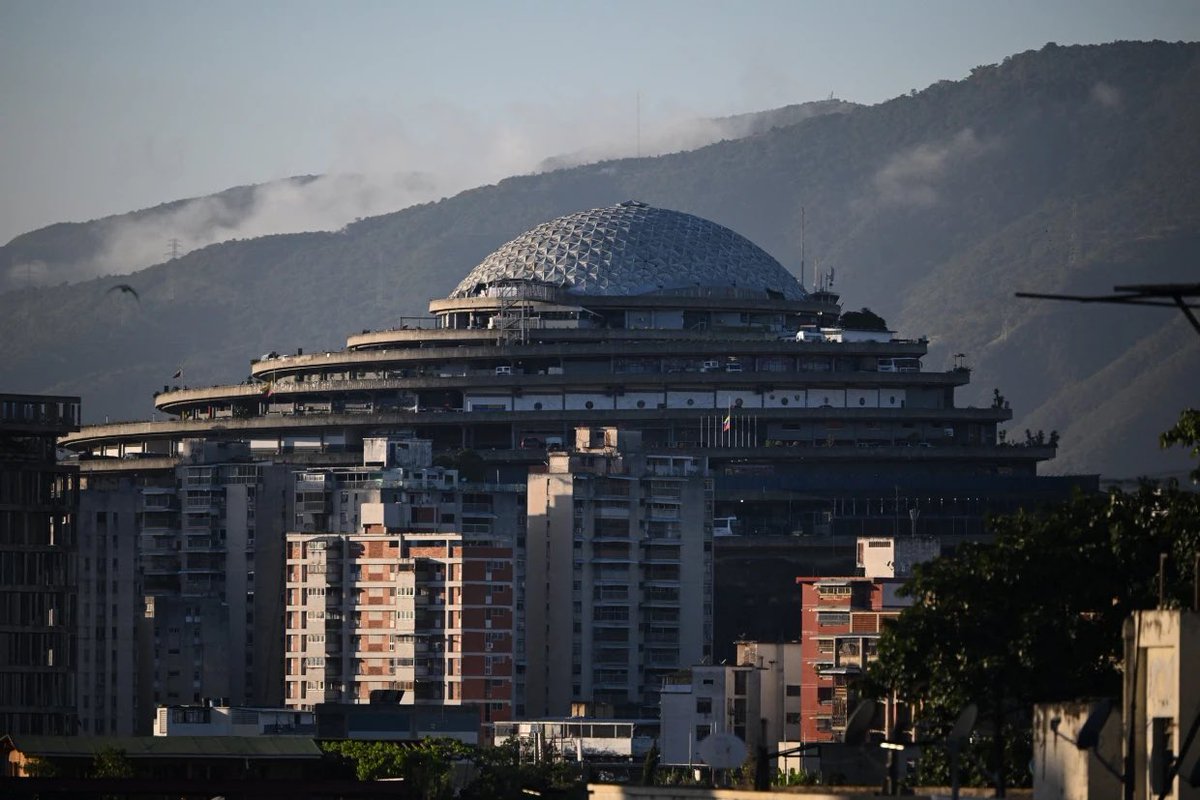
🫓 This is chavismo’s infamous torture center El Helicoide.
For over 30 years there’s been some serious bad juju emanating from the heights of Roca Tarpeya – the place where El Helicoide slouches, looking down over the city like an overfed chavista bureaucrat.
From Jorge Romero Gutiérrez, the visionary architect whose reputation remained forever tainted by what his creation symbolized, to Hugo Chávez’s santero beliefs, to the astrologer who became its first political prisoner – Caldera’s political prisoner –, the unfinished structure has always been surrounded by a dark mantle of superstition.
But more than a curse, El Helicoide is actually a metaphor for the last 50 years of Venezuelan history, as nuestra Celeste Olalquiaga, a cultural historian who grew up in Caracas, so eloquently states:
“El Helicoide is a metaphor for the whole modern period in Venezuela and what went wrong.”
The transformation from icon of Venezuela’s hopes to emblem of failure and repression was slow and complicated. It began with a coup, stretched over decades of dictatorship and democracy, through the rule of 14 presidents and several cycles of oil boom and bust.
Someone looking for bad omens might have found one in the name of the hill where it’s built, Roca Tarpeya; the Tarpeian Rock was an execution ground in ancient Rome.
We are pleased to announce the new publication by @ESMontijano, coordinator of @CIDE_MIG, together with @natalia_pr94, on transnational repression in Venezuela, published in @GlobalizationsJ.
https://t.co/IOlgqTuuTt
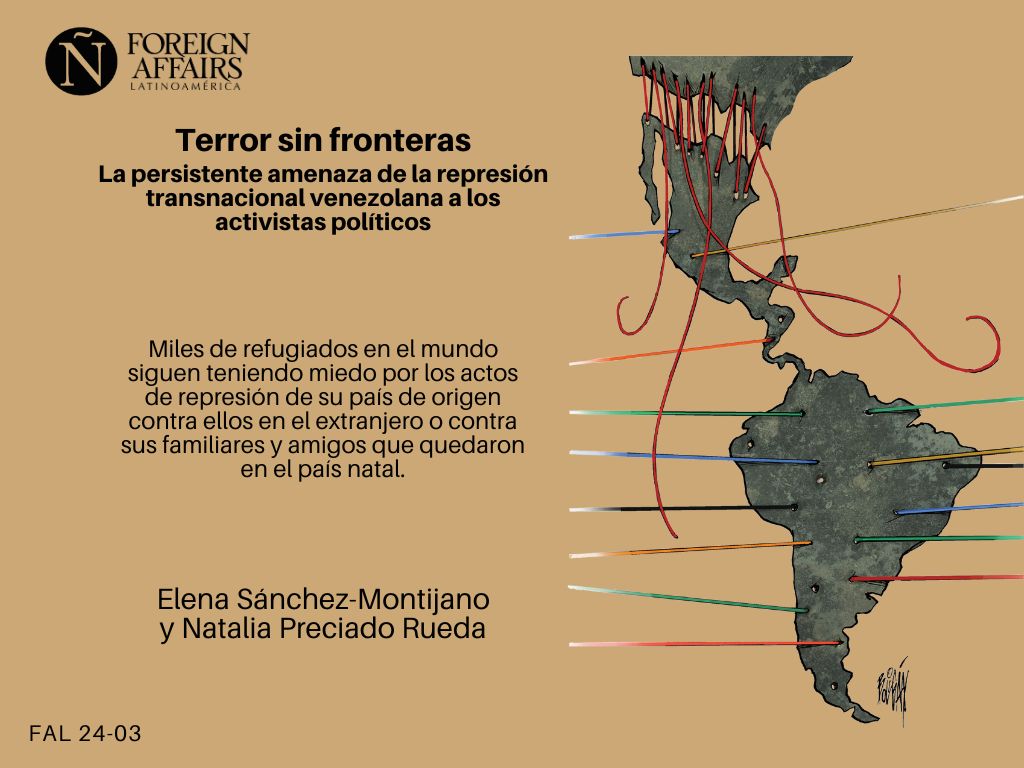
No dejes de leer en la #NuevaFAL el artículo "Terror sin fronteras. La persistente amenaza de la represión transnacional venezolana a los activistas políticos" de Elena Sánchez-Montijano (@ESMontijano) y Natalia Preciado Rueda (@natalia_pr94). https://t.co/2PrtgwJSVD
Si, estamos hablando de un régimen autoritario hegemónico y cínicamente represivo, en el que, una vez más, y a pesar de un aplastante triunfo de la oposición, se evidencia que las elecciones están aún lejos de ser la vía para una transición pacífica o negociada.
Desde el 2015 al menos ha habido una mostrada vocacion autoritaria pura y dura, no competitiva, del Madurismo
Lo que vemos hoy -robo sin pudor de la elección presidencial- ocurre tras 25 años de erosión democrática y ya casi una decada de modelo autoritario abierto
Un desastre
En la #NuevaFAL “Oportunidades económicas, desigualdades y criminocracia" escriben César Niño (@cesarnino4), Elena Sánchez-Montijano (@ESMontijano) y Natalia Preciado Rueda (@natalia_pr94) sobre la represión transnacional y el crimen organizado https://t.co/2PrtgwJSVD
Scholars debate whether elections under authoritarian regimes help or hinder democracy. But opposition parties used elections to undermine authoritarian rule in Brazil, Chile & Mexico. So maybe now👇there is an electoral path to democracy in #Venezuela
https://t.co/xPecxUAdRj
Y aprovechando, mi tesis va sobre retrocesos a dchos. d mujeres. Básicamente pasa lo q Beauvoir dijo:
“Bastará una crisis para que los derechos de las mujeres vuelvan a ser cuestionados. Estos derechos nunca se dan por adquiridos, debemos permanecer vigilantes toda nuestra vida”