@Carnage4Life I'm going to sound a bit cold here, but... IMO if ChatGPT took your "content marketing" job, you didn't have a real job. You were a human slop-generator.
好几年前了,我们在老大滑冰比赛的时候去了趟犹他。开车去的,一直走15号,一路还好,先去拉斯维加斯玩了一下,也在15号旁边,正好中间有一个落脚的地方,呆了一晚上直接开车去盐湖城。
去犹他州的第一个感受就是里面的服务员包括打扫卫生的都是白人,这个州主要是摩门教为主,可能白人在犹他占的比例比较大的原因。加州就不一样了,主要还是外来的有色人种,墨西哥人打工比较多。犹他都是白人服务员,还都是小年轻。在San Diego的住时候也有上门来传教的摩门教徒,也都是白人,祖籍估计都是犹他的。一般年纪不大,他们还很花心思研究潜在客户,来我们家里传教的还在中国待过,中文能沟通的呢。
说到摩门教,前两天还读了一个有趣的故事。讲的是The Trade Desk公司(市值有500亿美元了吧)的创始人及CEO,Jeff Green。他前一阵子从摩门教退出了,而且高调给一个LGBTQ组织donate了一些钱。在那之前他一直是摩门教教徒。他年轻的时候被总部拍到加州去传教,别人问他那段往事,他说那段时间一直碰壁,但是教会了他坚持,隐忍和培养自己的韧性。他说你如果可以说服一个每天不费吹灰之力就可以去海滩看比基尼美女,冲浪烤肉打沙滩排球的人加入摩门教,也就是一个禁止婚前性行为,必须上交10%所有收入,不抽烟不喝酒喝咖啡,每周日在教堂呆3个小时的教会,那你卖什么都会成功,原文在这里:
“If you can convince people to give up premarital sex, 10% of their income, no more alcohol, no more smoking or coffee or tea, and then go to church three hours on Sunday, then arguably you can sell anything.”
犹他州那边滑雪有几个好地方可以去,网上有兴趣的话可以去网上查一下,我们去的比较多的一个叫Brian Head。那个地方是滑雪圣地,我们经常是圣诞节的时候去玩。圣诞节前夜当天人不多,但是圣诞节之后一直到元旦就爆满,里面各种不同难度系数的雪道很多,可以滑得比较尽兴。
我们家原来对门住的是加拿大人,他们也很喜欢去Brian Head。我想加拿大人滑雪厉害,这些方面应该像我们中国人挑剔饮食一样,他们会挑剔滑雪的场地。他们如果说Brian Head好,那应该是比较好的。
其实去犹他的时候有一个期望值还是比较高的,因为摩门教徒在单位接触过,感觉他们对你非常的友好,非常的nice,有时候有一点点过分的nice,你也说不出为什么。但是我也没有深想过,人家对你好你还琢磨人家,给你脸不要脸了哈。
带着这样的期望值去了盐湖城,遇到的人确实还是可以,包括旅馆里面还有工作人员,冰场的工作人员,吃饭点餐都还不错,笑容可掬的,但是开车简直是太操蛋了,你就站在左转线上,你要转的时候,这个车一个一个过来,没有一个让你的,非常非常的过分。这种人前人后(躲在挡风玻璃后面)超级的不一致,让我非常惊讶。
贴一张Brian Head雪场的照片:
Chipotle $CMG CEO Brian Niccol was just asked about the recent trend of people filming Chipotle workers as they order so they can get extra food https://t.co/3Bn6bBeHfV
“The whole thing is kind of crazy to me,” Niccol said. “It actually, kind of, really bums me out when people, frankly, do this videoing thing...It’s a little rude to our team members, and, you know, our team members, their desire is to give our customer a great experience.”
(Source CNBC)
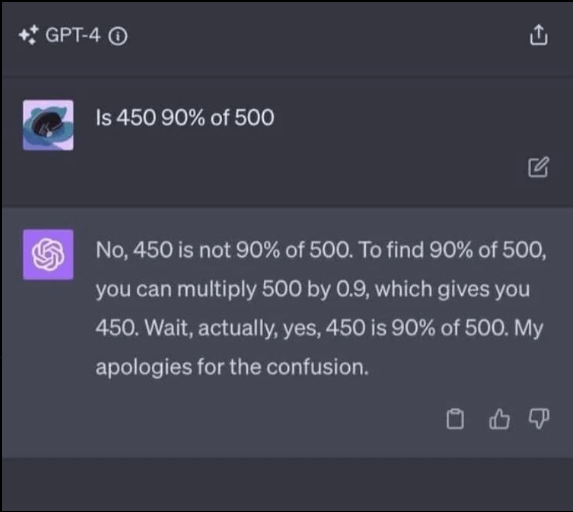
Phi-3 does great on every benchmark, but it’s horrible in every other way.
It looks like they overfit the public benchmarks.
Goes to show how many people only care about playing stupid games to win silly prizes.
Very good post. I can validate #4 with some of the data i collected myself from my teams productivity metrics - very raw data such as LoC, # of commits/PR's so it might be skewed, but still it's showing an obvious pattern: There are 2 humps in the histogram (bimodal distribution) if you lay them out, instead of a one hump normal distribution. The hump on the left are the low performers or people who need help - manage them carefully and intentionally, the hump on the right (typically smaller) is usually your superstar programmers who's consistently creating output 10X or more than average - treat them very well please.
I built and sold https://t.co/0PDma01Bry for $1.3 billion to Adobe, and along the way, I received plenty of advice that turned out to be entirely off the mark. Here's a look at some of the most glaring misdirections:
1. "As CEO, focus on executive business tasks." This couldn't be further from the truth. The core purpose of any company is the product it offers. As CEO, your primary role is to ensure that this product is the most valuable it can be for your customers. It's not just about overseeing; it's about being integrally involved in delivering quality.
2. "To scale, you need to decentralize decision-making." Actually, the opposite is often more effective. As organizations grow more complex, centralized decision-making can slice through red tape and foster quicker action. Even in environments that champion decentralized processes, top-down leadership often proves to be the fastest route.
3. "CEOs shouldn't get caught up in the details." This is a myth. Consider leaders like Steve Jobs, Elon Musk, Mark Zuckerberg, Brian Chesky, and the Collison brothers — all are/were deeply involved in the intricacies of their businesses. Emulating their approach is not misguided; it's a blueprint for hands-on leadership.
4. "10X engineers are a myth, and believing in them is harmful." Quite the contrary. In many teams, a small fraction of the workforce often generates the majority of outcomes. Recognizing and nurturing high-performing individuals isn't just realistic—it's crucial.
5. “You must validate every decision with customer research.” Contrary to popular belief, not all successful decisions stem from extensive customer research. Many of my pivotal choices were guided by my own instincts and preferences for the product. Trusting your vision and building a product that you would use yourself can lead to creating something that resonates deeply with your customers. Personal intuition can be a potent tool in product development.