An El Niño is emerging. What do you know about it?
El Niño is a powerful natural climate pattern that warms ocean waters in the central and eastern Equatorial Pacific. It typically occurs every 2-7 years, but no two El Niños are exactly alike.
More ➡️ https://t.co/htyps0XfsE
“Science is fun. To be a scientist, this is a fun job,” said medicine laureate Katalin Karikó.
She likened it to being a detective or an investigator trying to solve a crime. “But the end of it, you don’t find a perpetrator, you find a solution, and maybe that solution will help somebody,” she said.
Karikó’s pioneering research with her lab partner Drew Weissman was the foundation of the mRNA vaccines against COVID-19 and has paved the way for a host of treatments for cancer, HIV, malaria and other life-threatening diseases. They shared the 2023 medicine prize for their work.
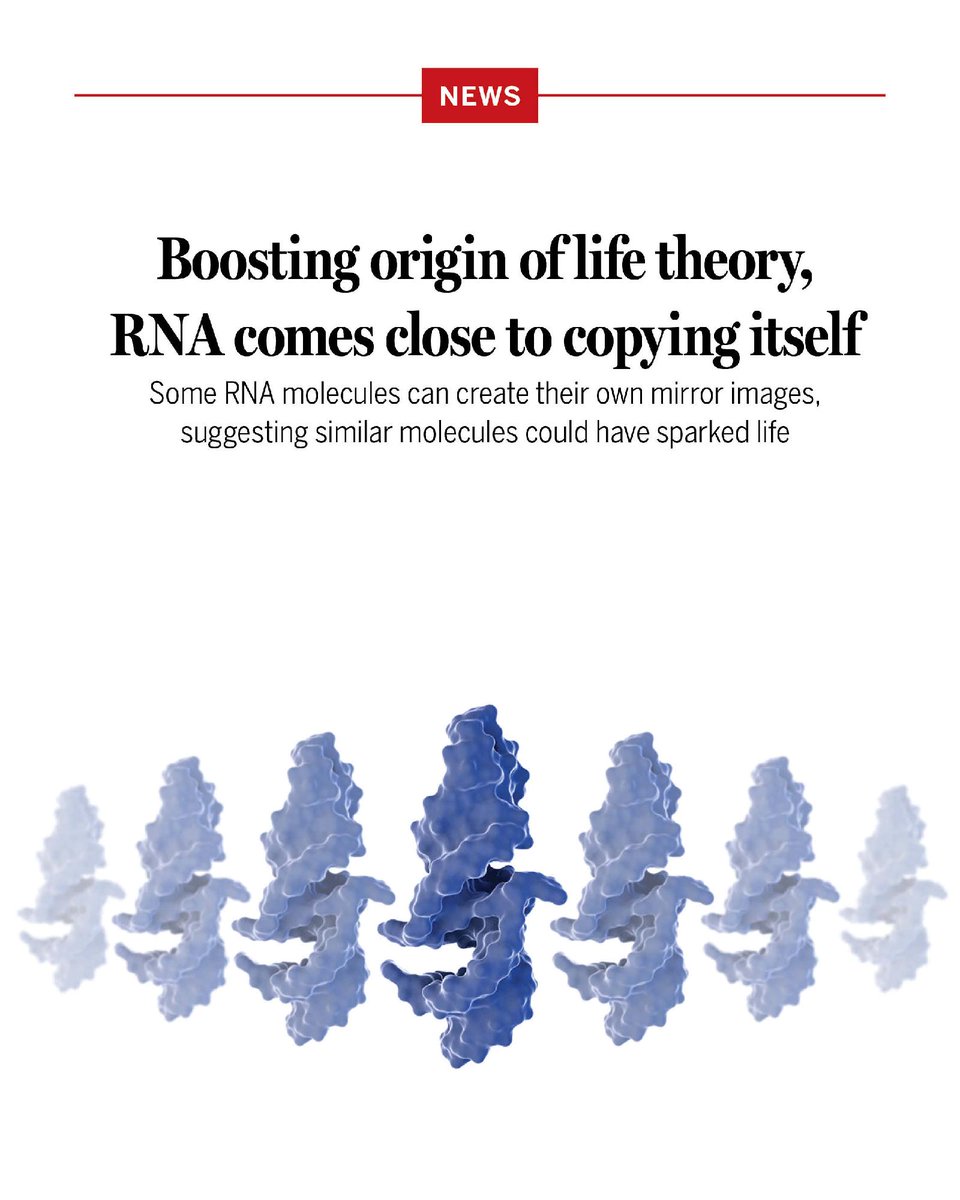
Today RNA may seem overshadowed by its glamorous cousin DNA, but many scientists think RNA molecules were the star players in the origin of life. By both storing genetic information and copying themselves, they might have touched off the march of evolution that produced increasingly complex life forms.
So far, researchers haven’t found RNAs that can replicate themselves, a key feature of living things. But they now have something close.
In a new paper, researchers report creating RNAs that can generate a sort of mirror image of themselves and use that template to generate the original. Learn more: https://t.co/lYjYdSD8X5
Chemistry writes the story of life.
Every cell, every second, it tells it again - powered by molecular design.
At the core of this process lies the citric acid cycle, the central hub of metabolism.
Here, acetyl-CoA derived from carbohydrates, fats, or proteins enters a precise series of reactions that convert fuel into energy.
Each step transfers electrons, drives ATP synthesis, and sustains the continuous renewal of life at the cellular level.
What may seem invisible is, in fact, the most constant motion in existence; the quiet rhythm of biochemistry that powers everything we do.
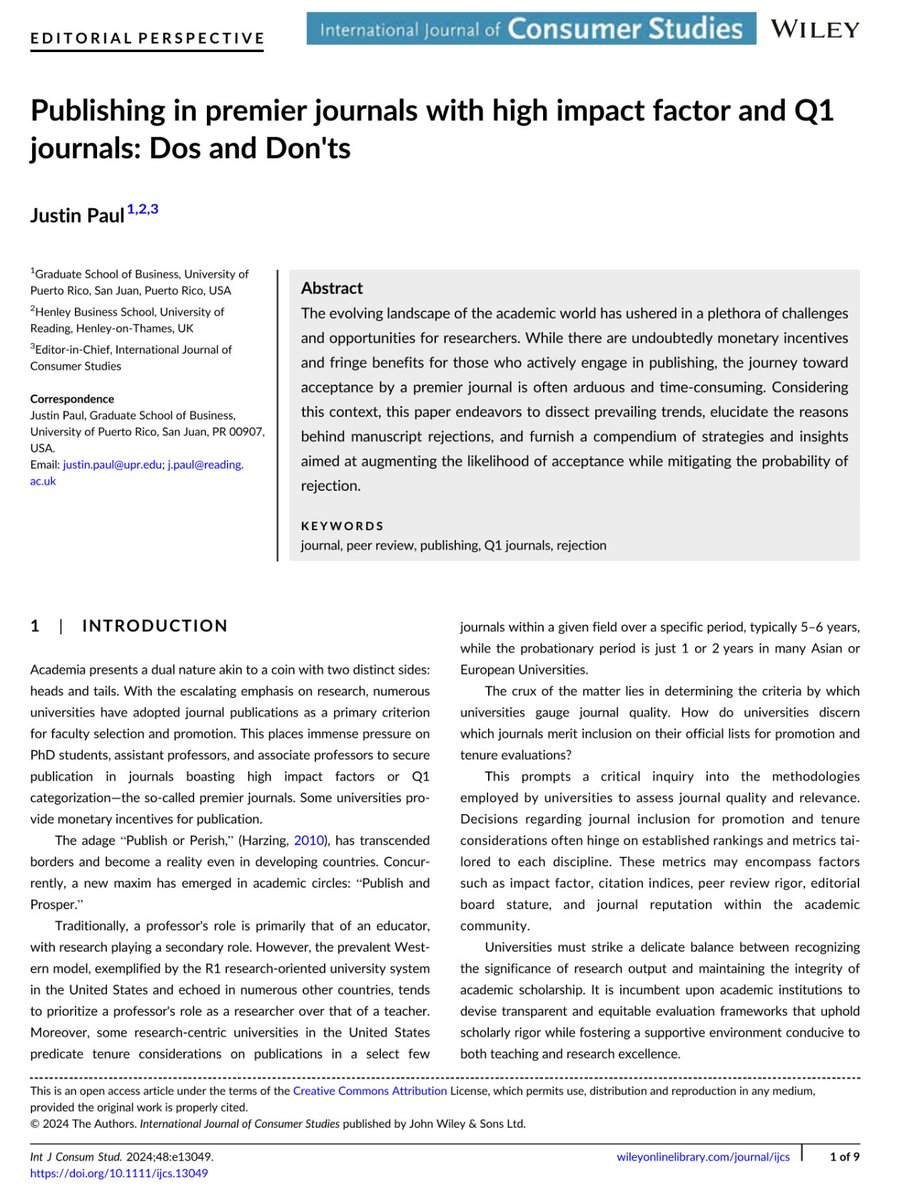
Your paper isn't getting rejected because your research is bad.
Here's what actually gets papers rejected ⤵️
Your literature review is outdated
Copying and paraphrasing old reviews? Editors spot this instantly.
They want fresh citations from the last 2-3 years.
You're working on exhausted topics
When 1000+ papers already exist on your topic, your work needs something genuinely new.
First movers get published. Fast followers get cited.
Your sample is too small or convenient
Student samples? Snowball sampling? Convenient sampling?
Desk rejection.
Premier journals demand robust methodology.
No theoretical contribution
Data without theory = rejection.
Your findings need to advance how we understand the phenomenon.
You're defending instead of revising
Getting a revise-and-resubmit is rare (5-7% of submissions).
Treat reviewer comments like gold.
Implement them. Don't defend.
The 3 things that changed my acceptance rate:
→ Mixed methods over single studies
→ Multiple experiments in one paper
→ Including co-authors with complementary expertise
Publishing isn't about being perfect.
It's about being strategic!
What's been your biggest publishing challenge?
1/6
Meet the long-tailed macaque (Macaca fascicularis)! This friendly and clever primate is originally from Southeast Asia and is known for being super adaptable. And look at this guy holding a Kopi Traik can and posing for a camera
#monkey#wildlife#wildlifephotography#wild
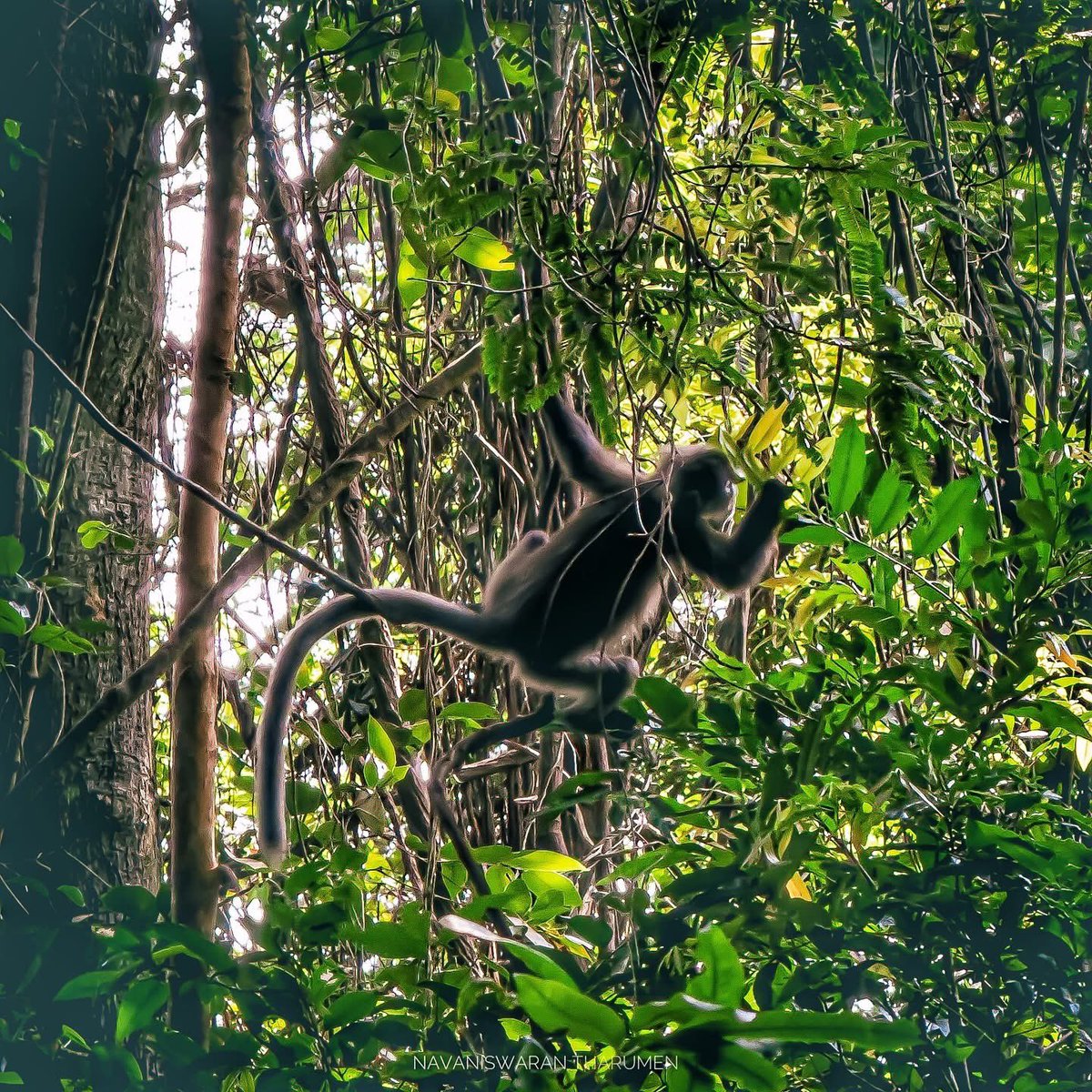
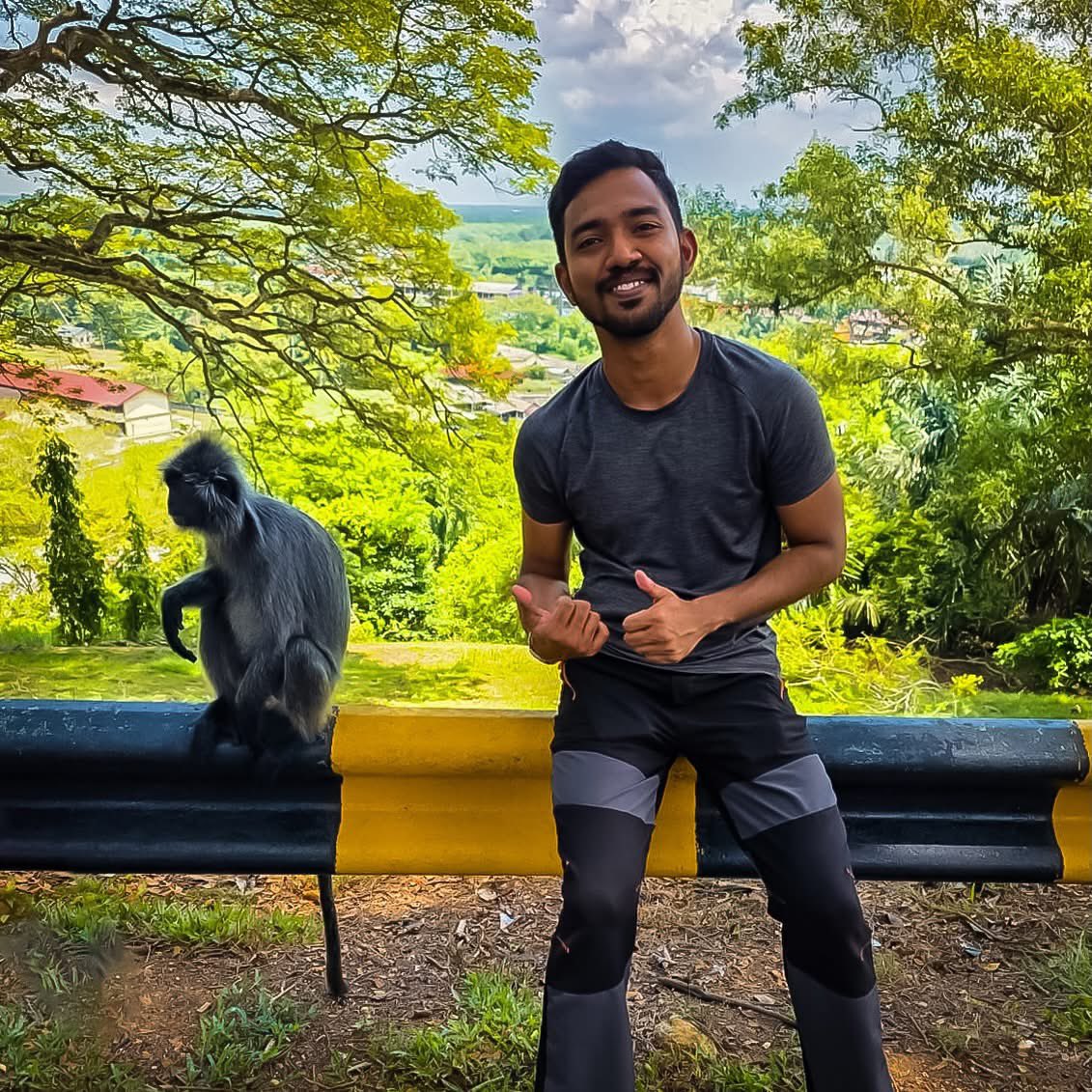
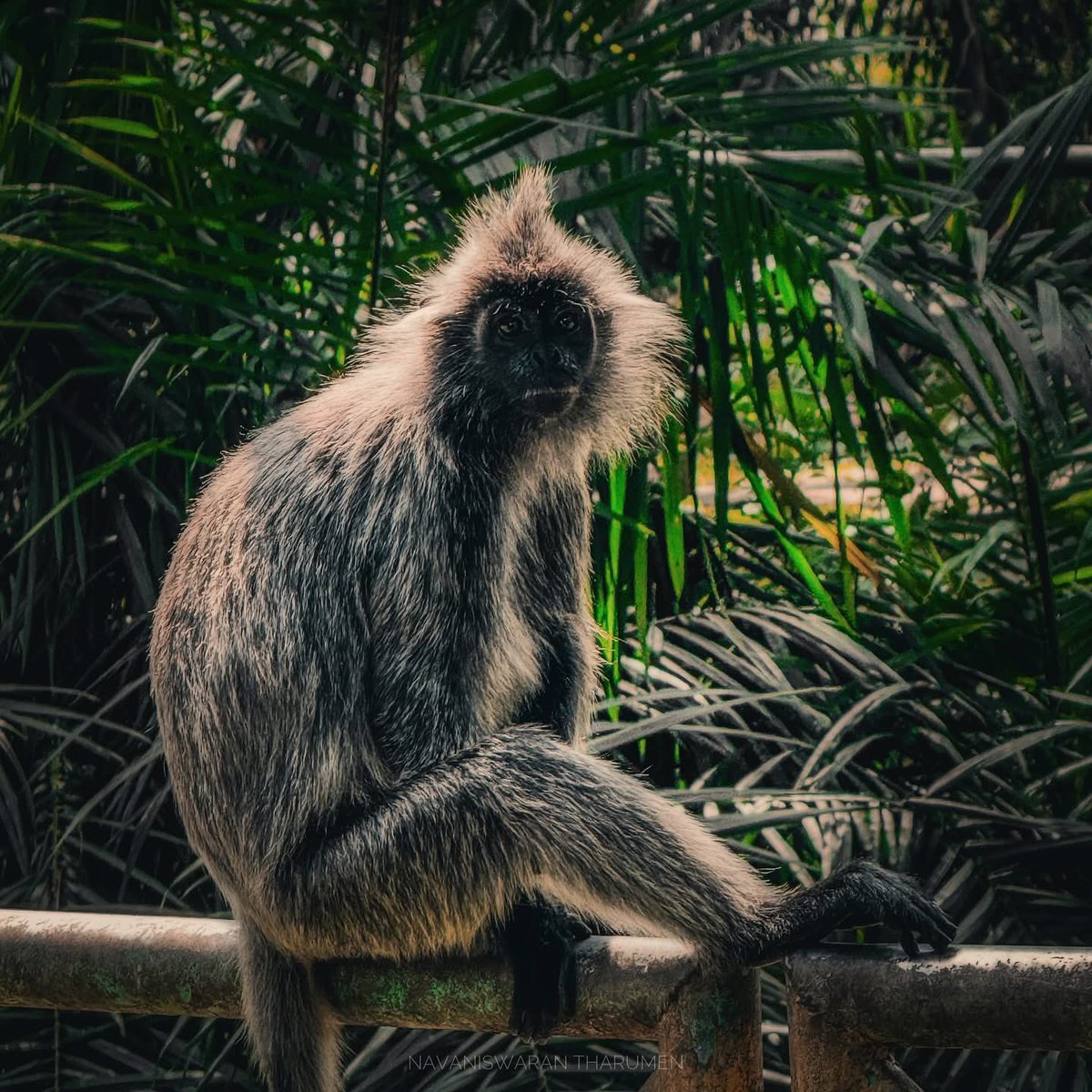
Meet the Silvery Lutung (Trachypithecus cristatus) a shy, tree-dwelling leaf monkey of SE Asia’s mangroves. Spiky silver coat, amber eyes, and sadly, a species under threat from habitat loss. Spotted at Bukit Melawati today.
#monkey#silverylutung#wild#wildlife#photography