لَا غِنَى بِي عَنْ بَرَكَتِكَ
مقال للشيخ محمد عثمان العنجري
حفظه الله تعالى
بتاريخ السبت ٤ جمادى الآخرة ١٤٤٨ هـ
الموافق ١٤ نوفمبر ٢٠٢٦
لم تُغْنِ نبيَّ الله سليمانَ عليه السلام سَعةُ مُلكه وعظيمُ ثرائه عن الدعاء، ولم تمنعْ نبيَّ الله يونسَ عليه السلام الظلماتُ من الرجاء؛ ففي سعة المُلك عبدٌ مفتقرٌ يسأل، وفي بطن الحوت عبدٌ مكروبٌ يسأل، والربُّ المعبود واحدٌ، وهو ربُّ العالمين.
فالعبد محتاجٌ إلى ربّه فيما يطلب، ومحتاجٌ إليه فيما يملك؛ يُقبل عليه في الرخاء، ويلوذ به في البلاء.
حين أذنب نبي الله آدم عليه السلام، قال هو وزوجه: ﴿رَبَّنَا ظَلَمْنَا أَنْفُسَنَا وَإِنْ لَمْ تَغْفِرْ لَنَا وَتَرْحَمْنَا لَنَكُونَنَّ مِنَ الْخَاسِرِينَ﴾. وفي الظلمات نادى نبي الله يونس عليه السلام: ﴿لَا إِلَهَ إِلَّا أَنْتَ سُبْحَانَكَ إِنِّي كُنْتُ مِنَ الظَّالِمِينَ﴾. وصحّ عن قتادة أنه فسّر الظلمات بقوله: «ظلمة بطن الحوت، وظلمة البحر، وظلمة الليل». فمهما أحاطت بالعبد أسباب الكرب، فإن ربّه يسمع دعاءه ويعلم حاله.
وفي ساعة الحاجة قال نبي الله موسى عليه السلام: ﴿رَبِّ إِنِّي لِمَا أَنْزَلْتَ إِلَيَّ مِنْ خَيْرٍ فَقِيرٌ﴾. وصحّ عن إبراهيم النخعي أنه قال في تفسيرها: «قال هذا وما معه درهم ولا دينار».
وعند اشتداد البلاء نادى نبي الله أيوب عليه السلام: ﴿أَنِّي مَسَّنِيَ الضُّرُّ وَأَنْتَ أَرْحَمُ الرَّاحِمِينَ﴾. ولم تنقطع حاجته إلى ربّه بعد العافية والغنى؛ فعن أبي هريرة رضي الله عنه، عن النبي ﷺ قال: «بَيْنَا أيوبُ يغتسل عُريانًا، فخرَّ عليه جرادٌ من ذهب، فجعل أيوبُ يحتثي في ثوبه، فناداه ربُّه: يا أيوب، ألم أكن أغنيتُك عمّا ترى؟ قال: بلى وعزَّتك، ولكن لا غنى بي عن بركتك».
وسأل نبي الله زكريا عليه السلام ربَّه الذرية فقال: ﴿رَبِّ لَا تَذَرْنِي فَرْدًا وَأَنْتَ خَيْرُ الْوَارِثِينَ﴾. وسأل نبي الله إبراهيم عليه السلام لنفسه وذريته إقامة الصلاة فقال: ﴿رَبِّ اجْعَلْنِي مُقِيمَ الصَّلَاةِ وَمِنْ ذُرِّيَّتِي رَبَّنَا وَتَقَبَّلْ دُعَاءِ﴾. فالذرية عطاءٌ يُسأل، وصلاحُها نعمةٌ تُرجى وتُسأل.
وسأل نبي الله سليمان عليه السلام مُلكًا عظيمًا، فبدأ بسؤال المغفرة، مُظهرًا افتقاره إلى ربّه: ﴿رَبِّ اغْفِرْ لِي وَهَبْ لِي مُلْكًا لَا يَنْبَغِي لِأَحَدٍ مِنْ بَعْدِي إِنَّكَ أَنْتَ الْوَهَّابُ﴾. ولما آتى الله نبيَّه يوسف عليه السلام المُلك والعلم، دعا: ﴿رَبِّ قَدْ آتَيْتَنِي مِنَ الْمُلْكِ وَعَلَّمْتَنِي مِنْ تَأْوِيلِ الْأَحَادِيثِ فَاطِرَ السَّمَاوَاتِ وَالْأَرْضِ أَنْتَ وَلِيِّي فِي الدُّنْيَا وَالْآخِرَةِ تَوَفَّنِي مُسْلِمًا وَأَلْحِقْنِي بِالصَّالِحِينَ﴾. فمع تمام النعمة ظلّ يسأل ربَّه حسن الخاتمة.
ودعا نبي الله نوح عليه السلام: ﴿رَبِّ اغْفِرْ لِي وَلِوَالِدَيَّ وَلِمَنْ دَخَلَ بَيْتِيَ مُؤْمِنًا وَلِلْمُؤْمِنِينَ وَالْمُؤْمِنَاتِ وَلَا تَزِدِ الظَّالِمِينَ إِلَّا تَبَارًا﴾. وقال نبي الله شعيب عليه السلام: ﴿رَبَّنَا افْتَحْ بَيْنَنَا وَبَيْنَ قَوْمِنَا بِالْحَقِّ وَأَنْتَ خَيْرُ الْفَاتِحِينَ﴾. وصحّ عن قتادة أنه فسّر ذلك بقوله: «اقض بيننا وبين قومنا بالحق». وإلى الله يرفع أنبياؤه وعباده حاجتهم؛ يرجون مغفرته، ويلتمسون نصره، ويسألونه أن يفصل بينهم وبين من ظلمهم بالحق.
وسأل نبي الله عيسى عليه السلام ربَّه للحواريين: ﴿اللَّهُمَّ رَبَّنَا أَنْزِلْ عَلَيْنَا مَائِدَةً مِنَ السَّمَاءِ تَكُونُ لَنَا عِيدًا لِأَوَّلِنَا وَآخِرِنَا وَآيَةً مِنْكَ وَارْزُقْنَا وَأَنْتَ خَيْرُ الرَّازِقِينَ﴾. فإليه تُرفع الحاجات، ومنه تُرجى العطايا.
وعن أنس بن مالك رضي الله عنه قال: كان أكثر دعاء النبي ﷺ: «اللهم ربنا آتنا في الدنيا حسنة، وفي الآخرة حسنة، وقنا عذاب النار». وصحّ عن أنس أنه كان إذا أراد أن يدعو بدعوة دعا بها، وإذا أراد أن يدعو بدعاء دعا بها فيه. وصحّ عن سفيان الثوري أنه فسّر حسنة الدنيا بالعلم والرزق الطيب، وحسنة الآخرة بالجنة. فهي دعوةٌ تجمع خير الدارين والنجاة من النار.
تلك أدعية الأنبياء والرسل؛ حاجاتٌ شتّى وبابٌ واحد، وافتقارٌ إلى الله تعالى لا ينقطع بزوال الشدّة، ولا يقلّ باتّساع النعمة؛ فهو حقيقة العبودية.
Why It Is Necessary to Have Good Thoughts About Allah
Ma’mar said: Al-Hasan Al-Basree (from the great scholars of the Salaf) recited:
{And that assumption of yours, which you thought about your Lord, has brought you to destruction} [Surah Fussilat:23]
Then he said:
The Messenger of Allah ﷺ said:
((Allah said, "I am with My slave according to what he thinks of Me, and I am with him when he calls on Me."))
[Sahih Muslim]
Then Al-Hasan paused, reflecting on this, and said:
"Indeed, people’s deeds are only in proportion to what they think of their Lord. As for the believer, he thinks well of his Lord, so he does good deeds. As for the disbeliever and the hypocrite, they think badly of Allah, so they do evil deeds."
Then he said: “Allah the Most High said:
{And you were not hiding yourselves from your hearing, your eyes, and your skins testifying against you.
Rather, you thought that Allah does not know much of what you do. And that assumption of yours, which you thought about your Lord, has brought you to destruction, so you have become among the losers.} [Surah Fussilat:22-23]”
Jaabir ibn Abdillaah, may Allah be pleased with him, said:
"I heard the Messenger of Allah ﷺ say, three days before his death:
((None of you should die except while thinking well of Allah, the Mighty and Majestic.))"
[Sahih Muslim]
📚from Tafseer Ibn Katheer
Reciting the Quran as it truly should be read
Shaykh Saalih Al-Fawzaan, may Allah preserve him, explained:
Regarding the statement of Allah the Most High:
{They recite it as it truly should be recited}
[Surah Al-Baqarah:121]
"As it truly should be recited" is not what some people think it is, that it means: tajweed, the points of articulation of the letters, nasalization, merging of letters and elongation of vowels.
That is not reciting it as it truly should be recited. Rather, that is the manner of reciting it.
Reciting it as it truly should be recited means knowing its meanings and acting upon it."
📚 Al-Adillatut-Tawdeehiyyah 'alaa Muqaddimatil-Hamawiyyah (99)
Sh AlAnjari
حفظه الله
“If you realise that you are on the wrong path, hasten to turn back. The longer you delay, the further you will have to go, and the harder it will be to return.”
إذا علمتَ أنك في الطريق الخطأ
فبادِر بالرجوع فكلما تأخرتَ طالت المسافة وشقّت عليك العودة
وفاء الرئيس السيسي .. معروف لا تطويه السنين
مقال للشيخ محمد عثمان العنجري
حفظه الله تعالى
بتاريخ اليوم ٩ جمادى الاولى ١٤٤٨ هـ
الموافق ٢٠ اكتوبر ٢٠٢٦
في جريدة الجريدة الكويتية
المقال PDF
https://t.co/mKKdyuJATp
🚨 أدرك اليمن | أكثر من 5 آلاف مسجد تعرضت للاستهداف على يد الحوثيين وفق وزارة الأوقاف اليمنية 🇾🇪🕌
🔴 أعلنت وزارة الأوقاف والإرشاد اليمنية أن ميليشيا الحوثي استهدفت أكثر من 5,000 مسجد في مختلف محافظات اليمن.
🕌 ويثير هذا الرقم تساؤلات خطيرة بشأن حجم الأضرار التي لحقت بدور العبادة، وما تعرض له المجتمع اليمني من انتهاكات خلال سنوات الصراع.
⚠️ المساجد ليست ساحات للحرب، ودور العبادة يجب أن تبقى مصونة من الاعتداءات والتوظيف العسكري والسياسي.
🇾🇪 اليمن ليس ميليشيا الحوثي، والشعب اليمني هو أول من يدفع ثمن استمرار الحرب والانتهاكات.
📊 ويظل تحديد طبيعة الاستهداف وحجم الأضرار وتوثيق كل واقعة أمرًا ضروريًا للمساءلة وحماية التراث الديني.
🤲 اللهم احفظ مساجد اليمن وأهله، وأعد إلى أرضه الأمن والسلام والاستقرار.
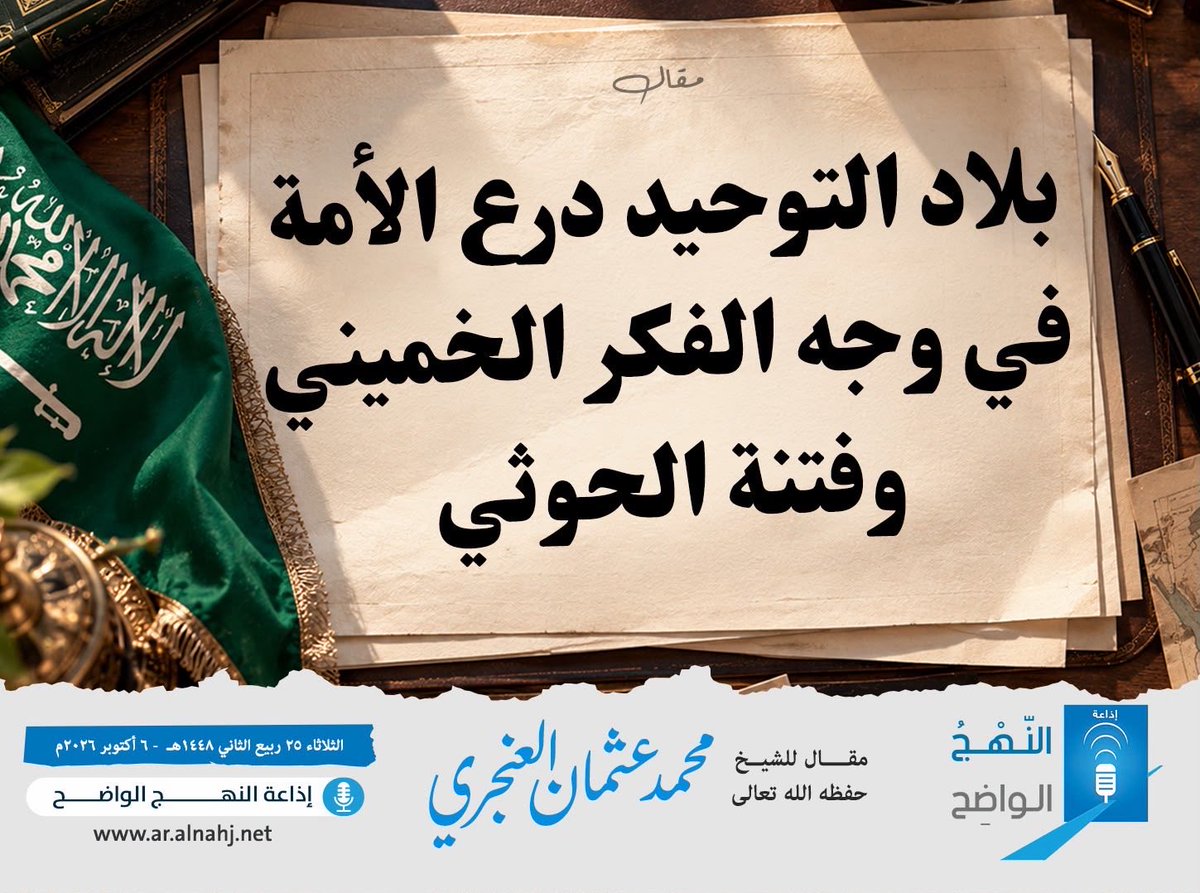
بلاد التوحيد درعُ الأمة
في وجه الفكر الخميني وفتنة الحوثي
كتبه الشيخ محمد عثمان العنجري
حفظه الله تعالى
اليوم الثلاثاء ٦ أكتوبر ٢٠٢٦
الموافق ٢٥ ربيع الآخر ١٤٤٨ هـ
pdf :
https://t.co/wdtOErxjh6
قوله تعالى
{ يَا أَيُّهَا الَّذِينَ آمَنُوا إِنْ تَتَّقُوا اللَّهَ يَجْعَلْ لَكُمْ فُرْقَانًا }
قال ابن القيم -رحمه الله:
"ومن الفرقان : النور الذي يفرق به العبد بين الحق والباطل ، وكلما كان قلبه أقرب إلى الله كان فرقانه أتم ، وبالله التوفيق."
[إعلام الموقعين(258/4)]
🔷 Recognizing Truth from Falsehood
Allah, the Most High, said:
يَا أَيُّهَا الَّذِينَ آمَنُوا إِنْ تَتَّقُوا اللَّهَ
يَجْعَلْ لَكُمْ فُرْقَانًا
{ O you who believe! If you fear Allah, He will grant you a Furqaan }
[Surah Al-Anfaal:29]
Ibn Al-Qayyim, may Allah have mercy on him, explained:
"Part of the Furqaan is the light by which the slave distinguishes between truth and falsehood. The closer his heart is to Allah, the more complete his Furqaan (ability to distinguish between truth and falsehood) will be. And success is only granted by Allah."
📘[I’laamul-Muwaqqi’een (4/258)]
🚨 أدرك | ولي العهد السعودي من تحت قبة مجلس الشورى 🇸🇦
ولي العهد الأمير محمد بن سلمان في الخطاب الملكي:
«دولتنا المباركة قائمة في كل مراحلها على كتاب الله وسنة رسوله ﷺ، متمسكة بالتوحيد والعدل، وهو نهج لن نحيد عنه».
🇸🇦 رسالة تؤكد أن مسيرة التحديث والتنمية التي تشهدها المملكة لا تعني التخلي عن ثوابتها؛ بل تمضي رؤية السعودية نحو المستقبل وهي متمسكة بجذورها وهويتها الإسلامية.
دولة تتطور وتتغير وتنافس العالم… وثوابتها لا تتغير. 🇸🇦🕋
Duaa Or Reading Quran❓
Shaykh Al-Fawzaan, may Allah preserve him, explained:
"Many people neglect supplication (duaa) between the adhaan and the iqaamah, and they busy themselves with reciting the Quran instead.
There is no doubt that reciting the Quran is a great deed. But reciting the Quran has other times.
Using this time for supplication and remembrance of Allah is better, because supplication that is tied to its specific time is better than general supplication.
Reciting the Quran is general and can be done at any time, while this time is specified for supplication.
So busying yourself with supplication, remembrance of Allah, and seeking forgiveness is better than reciting the Quran at this time.
This is something that people should be aware of."
📚 from his explanation of Bulooghul-Maraam (6/326)
👉 Love for the Prophet’s ﷺ Companions
It is reported that Imaam Ayyoob As-Sakhtiyaanee (died 131h), may Allah have mercy upon him, said:
"Whoever loves Abu Bakr has established the religion,
and whoever loves Umar has made the path clear,
and whoever loves Uthmaan has been illuminated by the light of Allah,
and whoever loves Ali has taken hold of the most trustworthy handhold,
and whoever speaks well of the Companions of the Messenger of Allah ﷺ
is free from hypocrisy."
📚Al-Bidaayah wan-Nihaayah by Ibn Katheer 8/13
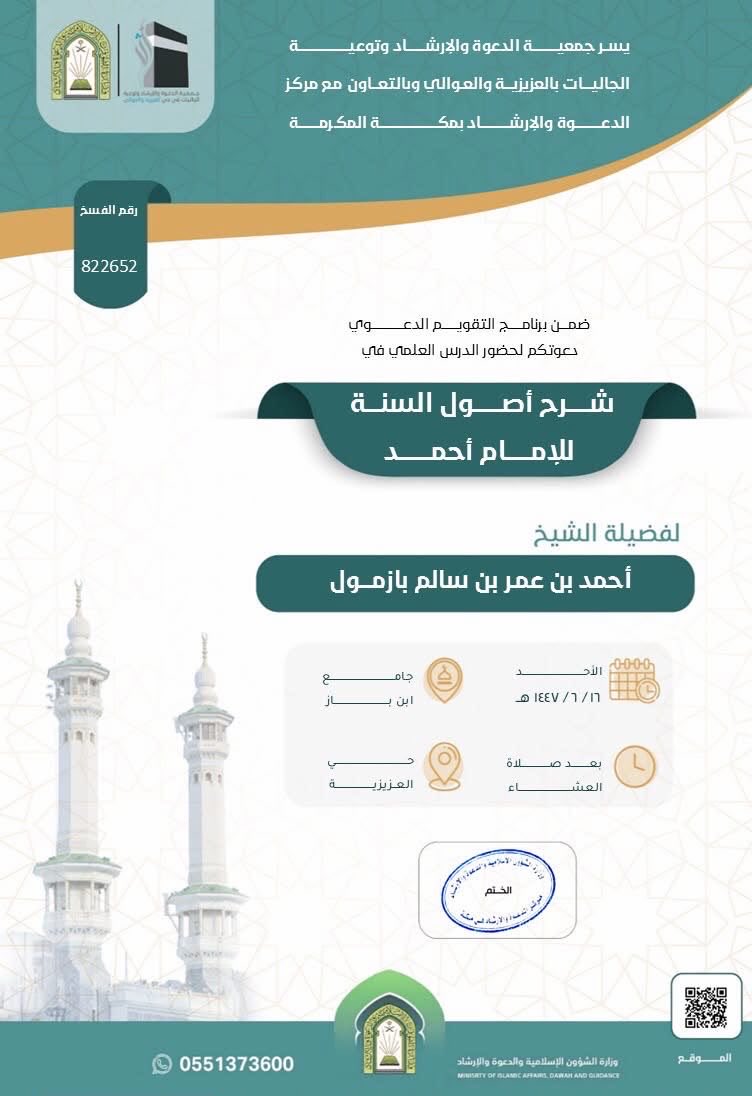
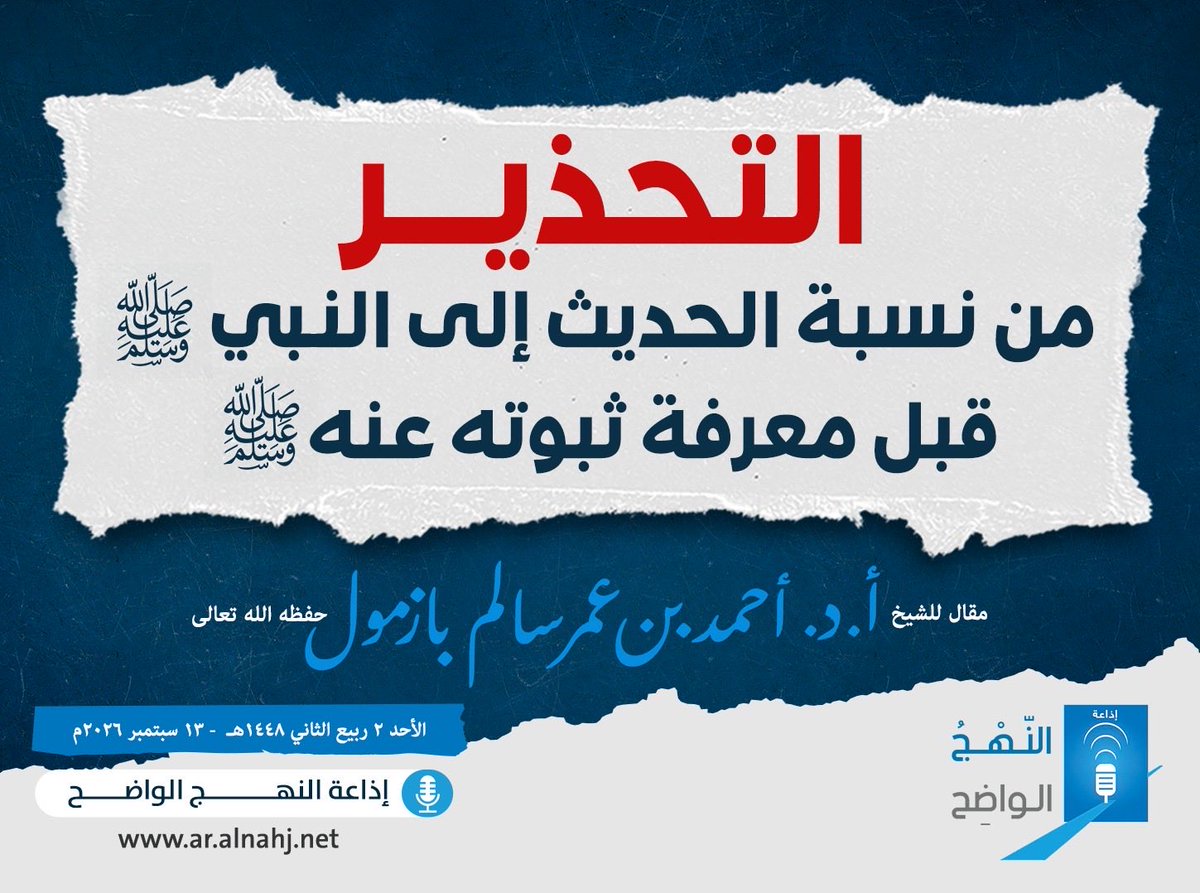
التحذير من نسبة الحديث إلى النبي صلى الله عليه وسلم قبل معرفة ثبوته عنه ..
كتبه الشيخ الاستاذ الدكتور
احمد بن عمر سالم بازمول
حفظه الله تعالى
pdf
https://t.co/juvzNVXJO0
عشرون عاماً مضت .. وعشرون ستبدأ
مقال في جريدة الجريدة الكويتية
بتاريخ ١٠ سبتمر ٢٠٢٦
كتبه الشيخ محمد عثمان العنجري
حفظه الله تعالى
PDF
https://t.co/kICMRxcGIM
👉 A Brief Summary of the Differences Between the Scholar and the Ruler in Islam
1. The ruler has a pledge of allegiance (bay'ah) given to him, and no one else has a pledge of allegiance: not a scholar, nor anyone else, not a shaykh of a Sufi order, nor a leader of a group.
2. The prescribed punishments, and all types of penalties are in the hand of the ruler, not the scholar.
3. Patience with the ruler is obligatory: ((even if he beats your back and takes your wealth)). As for the scholar, that is not obligatory. Rather, one has the right to complain about him and to seek retribution from him.
4. It is obligatory to advise the ruler secretly, due to the narrations about that. As for the scholar, it is not obligatory that advising him and clarifying his mistake be done in secret, and the evidences for this are many.
5. It is not permissible for there to be more than one ruler in a land. Rather, the ruler in authority is one, and the rest are his helpers and deputies. The Prophet ﷺ said: ((Whoever comes to you while your affair is united under one man among you...)). And he ﷺ said: ((Fulfill the pledge of the first, then the one after)), and ((...so kill the second of them)).
The scholar is not like this. The legislated aim is that scholars be many and numerous in a single land, so that they may benefit the people and teach them. There is no such thing as one single scholar whom it is not permissible to ask anyone else besides him.
6. The ruler has deputies: regional ones, such as the governors of the provinces, or ministers and those like them. They are due the rights, and the privacy in advising, that befits them, and that their standing in society be preserved.
As for the scholar, he does not have deputies, neither over places, nor states, nor lands, nor anything else. Rather, he has students who learn from him and who may even benefit him, just as they also learn from others besides him.
7. Jihaad is among the rulings of governance that belong specifically to the ruler: calling to it, mobilizing the people for it, making a truce, and other than that.
It is not permissible for a scholar, nor anyone else, to contend with him regarding what belongs exclusively to his authority in the matter of jihaad, to go to war with a disbelieving government, or the Khawaarij, or the rebels, due to the hadeeth: ((The Imaam is a shield...)) and other evidences.
8. The collecting of zakaah belongs to the ruler, not to the scholar. If the charities are paid to the ruler, the obligation is complete, even if he does not place them in their rightful channels. And if he requests the zakaah, it becomes binding to pay it to him, unlike the case with the scholar.
9. The scholar knows the ruling and gives a verdict based on it without compelling anyone. As for the ruler, he compels. This is why the judgment of a judge is binding, unlike a scholar who gives verdicts, because the judge is authorized by and is a deputy of the ruler.
10. Domestic and foreign policy belong to the ruler, and it is his exclusive domain. The scholar or anyone else is not like this, so it is not permissible to contend with the ruler in that,
And whoever sees something that calls for advising the ruler in authority, it is obligatory upon him to deliver the advice privately, the legislated way.
11. The ruler must have informants through which he protects security and uncovers the enemy, due to evidences laid out, and he takes up the means that guarantee that.
As for the scholar, he does not have the right to send spies to pursue people in their homes, gatherings, devices, and private sites, as has happened from some people by hacking and breaking in for these purposes by the command of such and such shaykh.
And other matters like this.
Whoever looks into the texts and into the reality of the Salaf, this will become clear to him.
And Allah is the Granter of success.
🖋️ Written by Shaykh Abul-Abbaas Aadil Mansoor Al-Baashaa, may Allah preserve him
The Shaykh Ibn Baaz, may Allah have mercy on him, said:
“Eemaan (Faith) has a sweetness in the hearts, and in it is comfort and expansion of the soul, and a feeling that one is in great goodness and in a tremendous blessing, from what Allah has given him of the love of Allah and His Messenger.”
📚 Sharh Saheeh Al-Bukhaaree