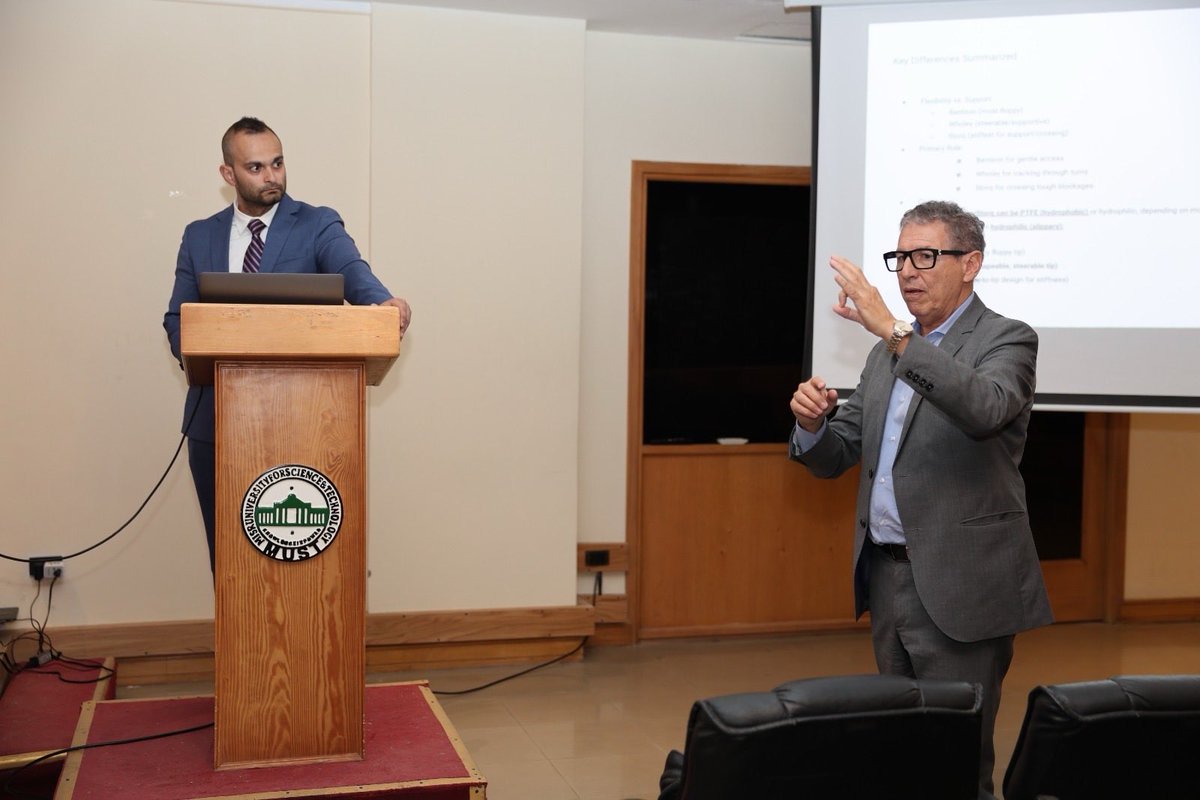
This initiative responds to the need to expand advanced training opportunities for Libyan women cardiologist and strengthen access to specialized cardiovascular care across Libya.
The National Council on U.S.–Libya Relations is proud to announce the launch of its one-year advanced interventional cardiology training program for 15 Libyan women cardiologist in Cairo, Egypt.
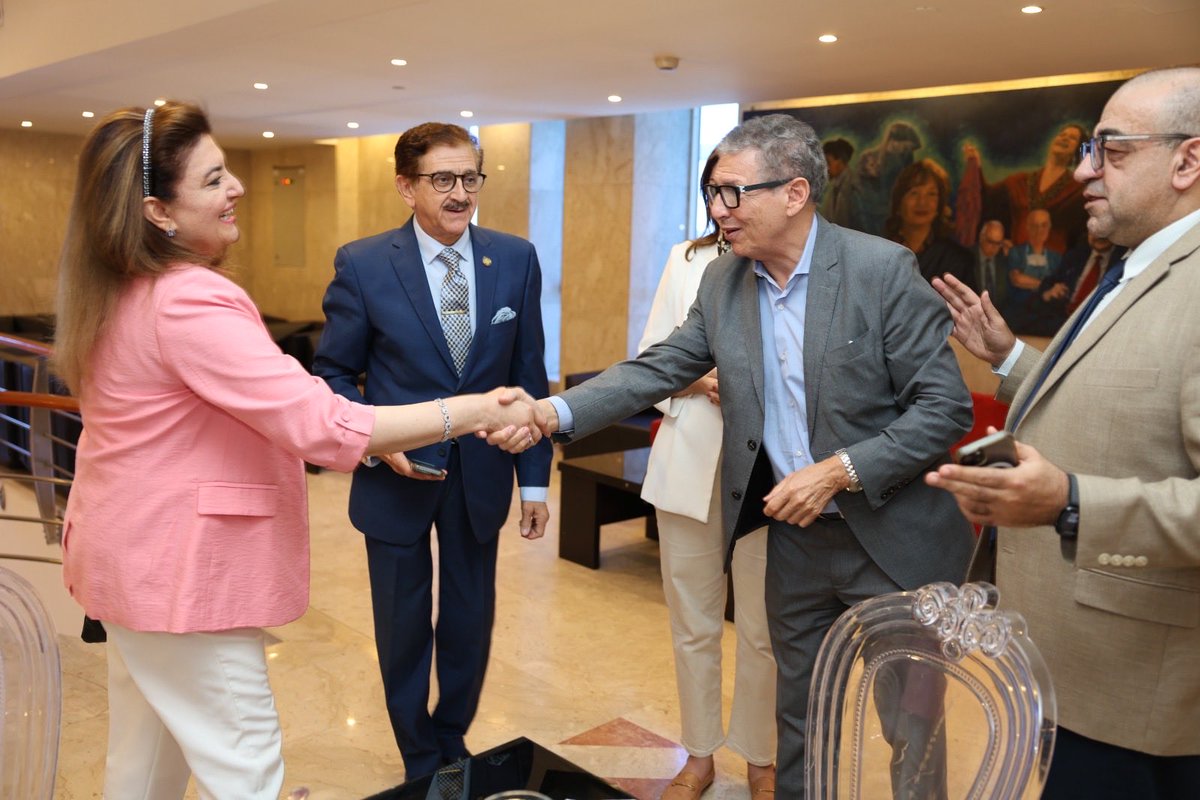
The program is carried out in collaboration with cardiologists from Kettering Health, Ohio, Loma Linda, California, and MENA Seventh-day Adventists, with program direction by Prof. Ahmed Tamarah, Dr. Ghada Salem, and Prof. Hazem Elghendi.
NCUSLR hosted intensive training workshops at Misr University for Science & Technology Hospitals, in partnership with the university and under the leadership of MUST President Prof. Hala Salem Elmenoufy, Secretary General Dr. Eman Abdulazez, and Dean of Medicine Prof. Nader.
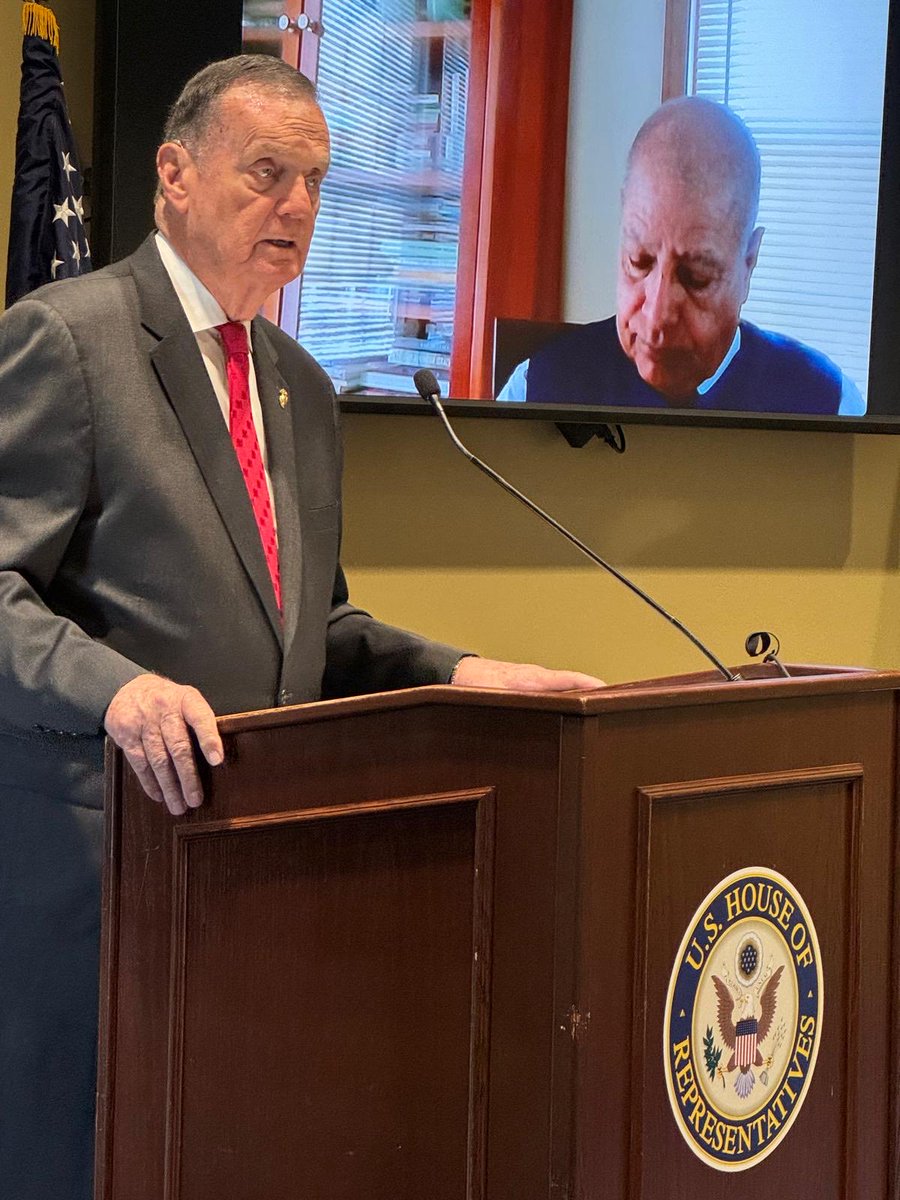
General James L. Jones offered a powerful reflection on the strategic importance of U.S.-Libya relations. His remarks emphasized the need for sustained engagement, institutional stability, and a long-term vision rooted in partnership, security, and shared interests.
NCUSLR extends its sincere appreciation to General James L. Jones, USMC (Ret.), former U.S. National Security Advisor, former Supreme Allied Commander Europe, and Founder of Jones Group International, for his participation in our 8th Annual Conference on Capitol Hill.
NCUSLR was pleased to convene the Inaugural U.S.-Libya Business Circuit on Capitol Hill.
The meeting advanced milestones for strengthening U.S.-Libya economic relations, improving access to reliable market and sector-based information, and identifying pathways for cooperation.
NCUSLR was honored to present the Freedom Award to Jihan Kikhia for her film, My Father and Gaddafi.
Through courageous and creative storytelling, Jihan preserves the legacy of her father, Mansur Kikhia, and honors his sacrifice in Libya’s struggle for freedom and justice.
NCUSLR was honored to welcome H.E. Musa Al Koni, Vice-Chairman of Libya’s Presidential Council, to our 8th Annual Conference. In his remarks, he called for nationally accepted solutions, Libya’s unity, and balanced representation of the country’s three historic regions.
The National Council on U.S. Libya Relations was honored to welcome U.S. Senior Advisor for Arab and African Affairs Massad Boulos to our 8th Annual Conference, and present him the Leadership Award in recognition of his contributions to a Libya-led path toward stability.
The National Council on U.S. - Libya Relations concludes its 8th Annual Conference on Capitol Hill, “Celebrating 230 Years of U.S.-Libya Relations; Quo Vadis?. We extend our sincere appreciation to all speakers and participants who contributed to this year’s deliberations.
🚨 Upcoming Webinar: Tripoli Still on the Brink of War?
🗓 Sept 29 | 1–2:30 pm EDT (7 pm Libya)
As tensions simmer after the deal between Dbeibha’s gov’t & Rada Force, what comes next for #Libya?
🔗 Register: https://t.co/QdNIlzCwte
#Tripoli#MENA#ConflictResolution#NCUSLR
The National Council on US Libya Relations, a non-profit 501(c)(3) organization, is seeking dedicated volunteers to contribute to the important work of our board and committees. To apply, please send your CV and a brief cover letter to: [email protected]
Thank you for supporting our work in 2024: strengthening Libya-US ties, preserving heritage, aiding Derna's recovery, and more. Help us keep going—make a tax-deductible* donation: https://t.co/HkiEKAcWMm
5/5 How will the divided authorities in Libya perceive and receive any dictate of new American policy on Libya and MENA? All these questions and more will be the subject of our conversation with three authorities on Libya- US relations.
4/5 A new US administration is about to take charge and dictate new world order. Will president Trump dictate new realities in the MENA region? Is Libya a priority on his foreign policy agenda? How would this US policy on Libya look like, if it would be any different?
3/5 Meanwhile Europe struggles with formatting a clear and unified strategy on Libya; one which must deal with worsening immigration, regression of its security arrangements in the Sahel and a newer vision of NATO.
2/5 Hopes for national elections and formation of a united government have disappeared with the filibuster between power holders in Libya and fading international interest due to other global distractions.