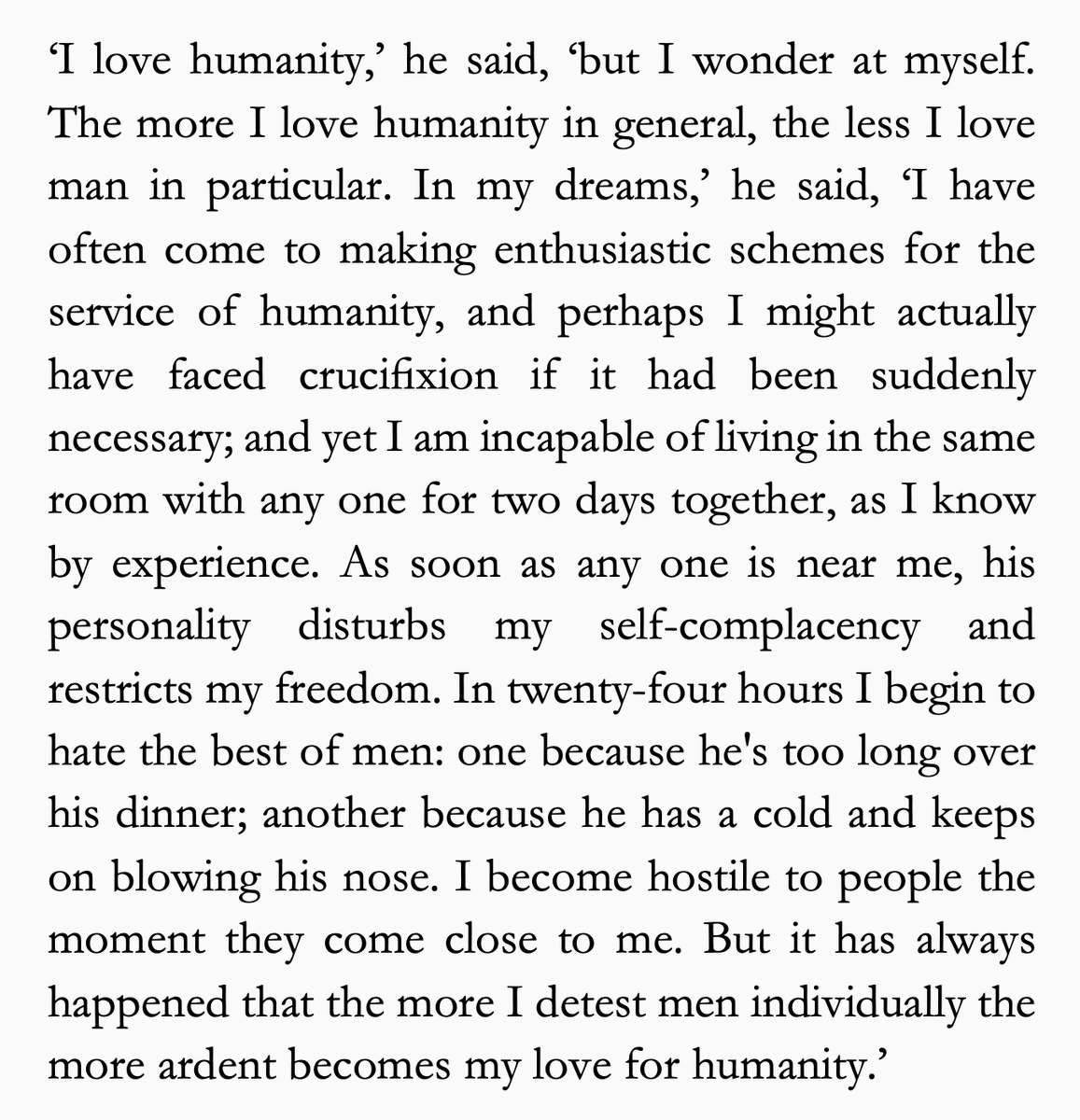
Psychology says the reason retired men sit in silence isn't because they have nothing to say — it's because they've lost the only identity anyone ever valued them for https://t.co/xT2BwOewxW
@jsckenya We lodged a complaint against a judicial officer on 27/4/26 vide your email [email protected]. Followed it with reminders on 4/5/26 and 8/5/26. Called even yet the same is yet to be acknowledged. We would be grateful if you could revert.
Nike spent ten years trying to break the 2-hour marathon. They named a project after it. They built special shoes. They paid the greatest marathoner alive to chase it. Yesterday, a Kenyan runner finally did it in 1:59:30, wearing Adidas.
Sabastian Sawe used to be a pacemaker. A pacemaker is the kind of runner you hire to set the speed for the first few miles of a race and then drop out before the finish. In January 2022, Sawe got booked to do exactly that at a half-marathon in Spain. He'd never raced more than three miles in his life. He stayed in for the full 13 and won the whole thing. Adidas signed him not long after. Four years later, he became the first human ever to run an official marathon under 2 hours.
Nike, meanwhile, started this whole project in 2016 with a public goal called "Breaking2." They paid for the shoes, the pacemakers, the science labs, and Eliud Kipchoge himself. Kipchoge ran 1:59:40 in Vienna in 2019, but the event was a closed-course exhibition with rotating pacemakers and a pace car projecting a green laser line onto the road. The sport's governing body never recognized it as a real race. It didn't count.
Then Nike's running business cratered. Digital sales fell 26% in one quarter. Their share of footwear sold at Dick's Sporting Goods went from 39% to 32% in five months. On Running grew from $330 million to $1.8 billion between 2020 and 2025. Hoka nearly quadrupled. Roger Federer left Nike for On. Nike's board fired the CEO in October 2024.
Adidas spent the same period building a better shoe. The new Adizero Adios Pro Evo 3 took three years to develop. It weighs 97 grams, about 3.4 ounces, lighter than a deck of cards. A Wall Street Journal-cited study found that wearing a shoe 3.5 ounces lighter saves a runner around 57 seconds across a marathon. Sawe beat the third-place finisher by 58 seconds.
Adidas also did something Nike never did for Kipchoge. They wrote a $50,000 check to the official anti-doping body for track and field, asking it to test Sawe more aggressively than any other runner alive. He got tested 25 times in the two months before last year's Berlin Marathon, and Adidas signed up to fund this for the length of his contract. The logic: the moment Sawe ran a marathon this fast, the world was going to ask if he cheated, especially after his countrywoman Ruth Chepngetich got a 3-year doping ban in 2025. Adidas got out ahead of it.
The shoe retails at $500 and is barely available. Adidas's Adizero shoes won half of all major marathon races in 2024. Yesterday in London, four of the top five finishers wore the same Adidas shoe. Yomif Kejelcha crossed the line 11 seconds after Sawe and also broke 2 hours. The top three runners all beat the previous world record.
Nike's only response was an Instagram post. Three sentences long: "The clock has been reset. There is no finish line." That was their entire public reaction to losing a 10-year moonshot to their biggest rival.
World rugby can see what's happening with the 7s circuit. NY was played in an empty stadium. Montevideo is no better. Are we seeing the end of 7s?#HSBCSVNS2
The Sports Dispute Tribunal (SDT) has ruled that it has jurisdiction to hear and determine the Kenya Rugby Union (KRU) v the registered trustees of the Rugby Football
Union of East Africa (RFUEA) suit, and that the predominant issue raised in the suit is a sports-related dispute within the meaning of Section 58(b) of the Sports Act.
This is in relation to the dispute between KRU and RFUEA which shall now be listed for the hearing of the main suit.
The Claimant was KRU, the 1st Respondent comprised the registered trustees of the RFUEA, the 2nd Respondent was the RFUEA itself while the 3rd, 4th and 5th Respondents are George N. Kariuki, Richard Omwela and Richard Njoba respectively, who are identified as the immediate former
Chairman, Honorary Secretary and Treasurer of the defunct RFUEA.
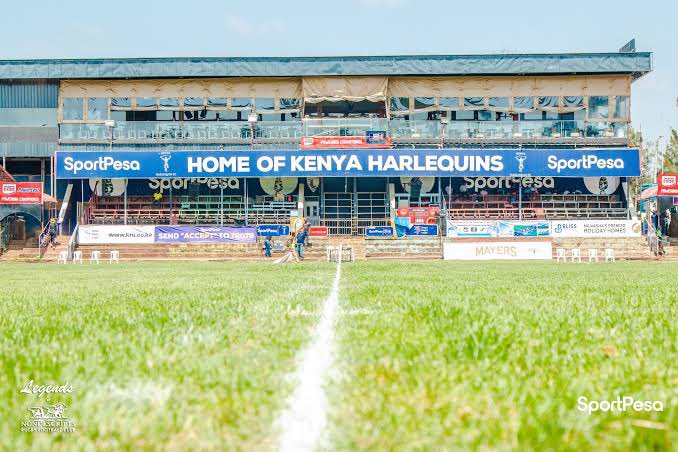
The Daily Nation recently reported that a demand by RFUEA for KRU to pay Ksh16.8m in rent sparked the despute over the ownership of RFUEA’s 10-acre land along Ngong road.
This prompted KRU to seek legal redress from SDT, claiming ownership and charging that the RFUEA had refused to grant them documents for the land despite many attempts.
The Respondents submitted that the core of the dispute before the Tribunal relates to landlord and tenant matters, which fall squarely within the jurisdiction of the Business Premises Rent Tribunal or the Magistrates Court as provided under the Landlord and Tenant (Shops, Hotels and Catering Establishments) Act, Chapter 301 of the Laws of Kenya.
The Claimant (KRU) contended that the determination of whether the 1st and 2nd
Respondents are operating legally and have legal capacity to enter into contracts as sports organizations is a matter that falls squarely within the jurisdiction of this Tribunal, as it concerns the regulation and governance of sports organizations under the Sports Act.
SDT’s conclusion-
“Having carefully considered the nature and character of the dispute before
this Tribunal, and having applied the doctrine of predominant issue to identify
the principal matter in contention, this Tribunal finds that the predominant
issue in this suit is the legal status, existence and capacity of the 1st and 2nd
Respondents as sports organizations under the Sports Act, and the governance
and administration of rugby in Kenya. This is fundamentally and primarily a
sports-related dispute that falls squarely within the jurisdiction of this Tribunal
under Section 58(b) of the Sports Act”.
“The questions of whether rent is payable, whether tenancy agreements exist,
and the ownership and title to property are secondary and consequential issues
that arise only after the determination of the primary issue of whether the 2nd
Respondent continues to exist as a legal entity with capacity to own property,
enter into contracts, and exercise proprietary rights. These secondary issues do not alter the essential character of the dispute as a sports-related matter, nor
do they oust the jurisdiction of this Tribunal to determine the principal issue
and all matters incidental or consequential thereto. To hold otherwise would be
to elevate form over substance and to deny parties access to the very forum that
Parliament created specifically for the determination of disputes of this nature”
“This Tribunal is satisfied that it has jurisdiction to hear and determine the suit,
and that the predominant issue raised in the suit is a sports-related dispute
within the meaning of Section 58(b) of the Sports Act”.
The matter shall be listed for the hearing of the main suit.